


Full Stack Development Articles
Claude for Architecture and Engineering Documentation
Freelancing as a Python Developer: Getting Your First Client

Get In Touch For Details! Request More Information

Best Books to Learn Full-Stack Development
Jun 08, 2026 5 Min Read 14724 Views
(Last Updated)
Full-stack development is one of the most in-demand skills today, and choosing the right resources can completely change your learning path. The right books to learn full-stack development can help you move from basic concepts to building real-world applications with confidence.
From frontend basics to backend systems and advanced architecture, these books open a clear learning path for every stage. If you are serious about becoming a developer, these resources can quietly shape your understanding of the web development journey in a structured way.
Table of contents
- TL;DR Summary
- Books to Learn Full-Stack Development: Tabular Overview of Essential Developer Resources
- Best Full Stack Development Books for Beginners
- HTML and CSS: Design and Build Websites: by Jon Duckett
- JavaScript and jQuery: The Missing Manual: by David McFarland
- Node.js Design Patterns: by Mario Casciaro
- Full Stack Development Books for Intermediate Level
- Eloquent JavaScript: by Marijn Haverbeke
- Node.js Web Development: by David Herron
- Learning React: by Alex Banks and Eve Porcello
- Full Stack Development for Advanced Level
- Full Stack Development with JHipster: by Deepu K. Sasidharan and Sendil Kumar N
- Django for Beginners: by William S. Vincent
- MEAN Web Development: by Amos Q. Haviv
- Specialized Books in Full Stack Development
- Clean Code: A Handbook of Agile Software Craftsmanship: by Robert C. Martin
- Continuous Integration: Improving Software Quality and Reducing Risk: by Paul M. Duvall
- Conclusion
- FAQs
- Which book should I start with if I am a complete beginner?
- Is it necessary to learn JavaScript before backend development?
- Can I skip jQuery and still continue full-stack learning?
- What makes Django different from Node.js for the backend?
- How important is system design knowledge in full-stack development?
- Are these books enough to start building real projects?
TL;DR Summary
- Clear learning structure, divided into beginner, intermediate, advanced, and specialized sections, helps readers understand a step-by-step progression in full-stack development.
- A selection of widely recognized development books with user ratings covers frontend, backend, frameworks, and software design concepts for practical learning.
- Coverage of HTML, JavaScript, Node.js, React, Django, and system design provides a comprehensive overview of key areas of full-stack development.
The rise of full-stack development accelerated in the 2010s as companies like Netflix (2007 streaming expansion) and Facebook (2004 launch, later scaling web systems) started building scalable web architectures for large user bases.
Books to Learn Full-Stack Development: Tabular Overview of Essential Developer Resources
| Book Name | Author Name | Link |
|---|---|---|
| HTML and CSS: Design and Build Websites | Jon Duckett | Buy Book |
| JavaScript and jQuery: The Missing Manual | David McFarland | Buy Book |
| Node.js Design Patterns | Mario Casciaro | Buy Book |
| Eloquent JavaScript | Marijn Haverbeke | Buy Book |
| Node.js Web Development | David Herron | Buy Book |
| Learning React | Alex Banks and Eve Porcello | Buy Book |
| Full Stack Development with JHipster | Deepu K. Sasidharan and Sendil Kumar N | Buy Book |
| Django for Beginners | William S. Vincent | Buy Book |
| MEAN Web Development | Amos Q. Haviv | Buy Book |
| Clean Code: A Handbook of Agile Software Craftsmanship | Robert C. Martin | Buy Book |
| Continuous Integration: Improving Software Quality and Reducing Risk | Paul M. Duvall | Buy Book |
Let’s move to the next section, where the books are organized into four clear levels based on difficulty and focus areas. This makes it easier to understand what to start with, what to progress to next, and what to explore for deeper knowledge.
- Beginner Level Full-Stack Development Books
- Intermediate Level Full-Stack Development Books
- Advanced Level Full-Stack Development Books
- Specialized Books in Full Stack Development
Level up your dev game, HCL GUVI’s free Full-Stack Email course drops real MERN skills straight to your inbox so you can start building like a pro, no excuses.
Best Full Stack Development Books for Beginners
If you’re just starting your journey in full-stack development, it’s essential to build a solid foundation in web development. These books are ideal for beginners:
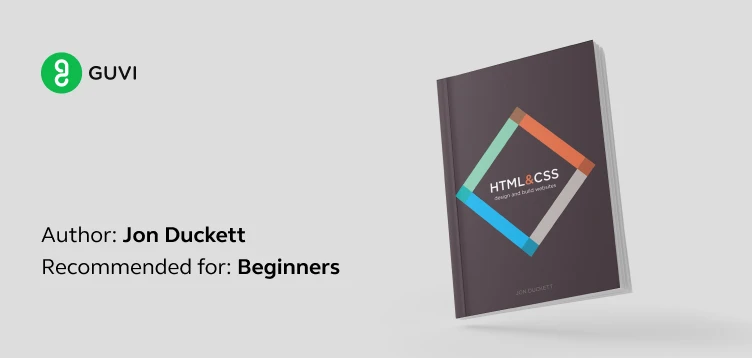
1. HTML and CSS: Design and Build Websites: by Jon Duckett
This book is one of the most beginner-friendly ways to enter web development. It explains how websites are built using HTML for structure and CSS for styling in a very visual and easy-to-grasp way.
Even if you have no prior experience, the step-by-step approach helps you understand how real web pages come together.
It focuses on building a strong base by helping you think in terms of layouts, sections, and design flow. By the end, you gain a clear understanding of web page structure and styling basics in a practical manner.
Rating: 4.7/5 (Amazon)
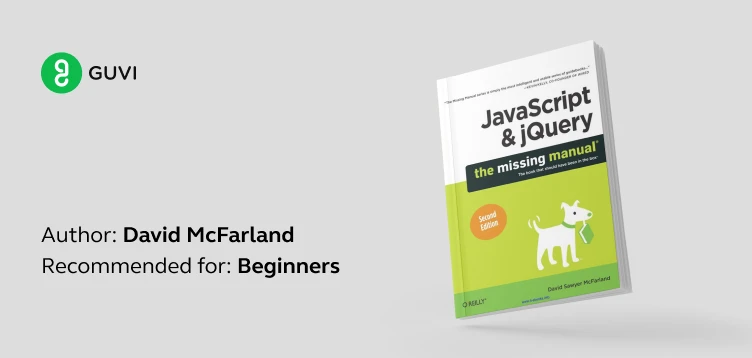
2. JavaScript and jQuery: The Missing Manual: by David McFarland
This book teaches JavaScript in a very practical and example-based style. It shows how websites become interactive by handling events like clicks, form actions, and animations. The explanations are simple and focused more on doing than memorizing theory.
It also introduces jQuery to simplify DOM manipulation and dynamic effects, making it easier for beginners to build interactive features. Overall, it helps you understand how to add interactivity to web pages step by step.
Rating: 4.3/5 (Amazon)
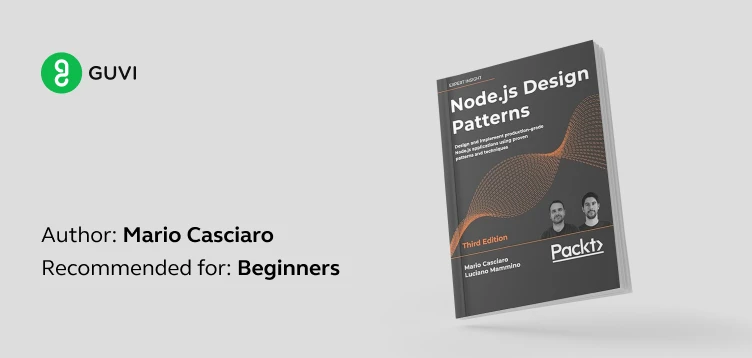
3. Node.js Design Patterns: by Mario Casciaro
This book moves you into backend development by explaining how Node.js applications are designed. It focuses on real-world architecture, scalability, and clean coding practices rather than just basic syntax.
It helps you think like a backend developer by showing how systems are structured and optimized for performance. The main focus is on backend architecture and design patterns for building robust applications.
Rating: 4.6/5 (Amazon)
Also Read: Future Scope of Full Stack Developers in India!
Full Stack Development Books for Intermediate Level
If you’ve got the basics down and are ready to delve deeper into full-stack development, these intermediate-level books will help you further your skills:
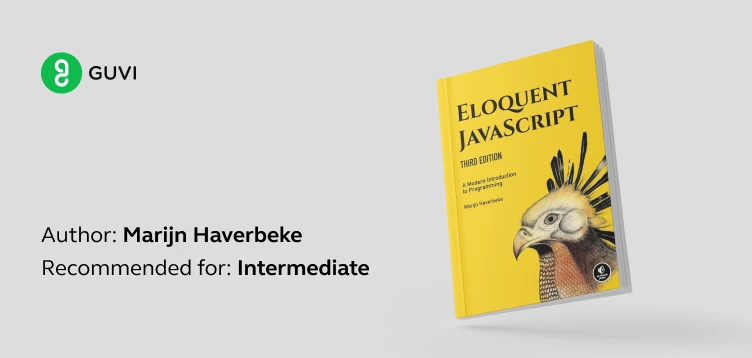
4. Eloquent JavaScript: by Marijn Haverbeke
This book is designed to deepen your understanding of JavaScript by moving beyond the basics and focusing on how the language actually works.
It builds your thinking step by step, starting with simple concepts and gradually guiding you toward more advanced programming logic, with clear explanations and exercises.
The learning approach is practice-oriented, meaning you are constantly applying what you read. It helps you develop strong logic-building skills and understand how JavaScript works internally in real development scenarios.
Rating: 4.6/5 (Amazon)
Additionally, if you want to explore JavaScript through a self-paced course, try HCL GUVI’s JavaScript certification course.
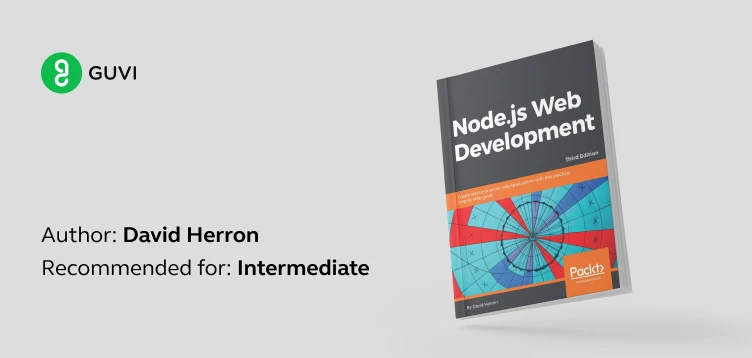
5. Node.js Web Development: by David Herron
This book follows a practical approach to backend development using Node.js. It focuses on building real server-side applications, including APIs and web services, so you can clearly understand how backend systems operate in real projects.
Instead of heavy theory, it takes a hands-on route where you learn by building. It also helps you connect frontend and backend concepts, making it easier to understand full-stack application flow.
Rating: 4.0/5 (Amazon)
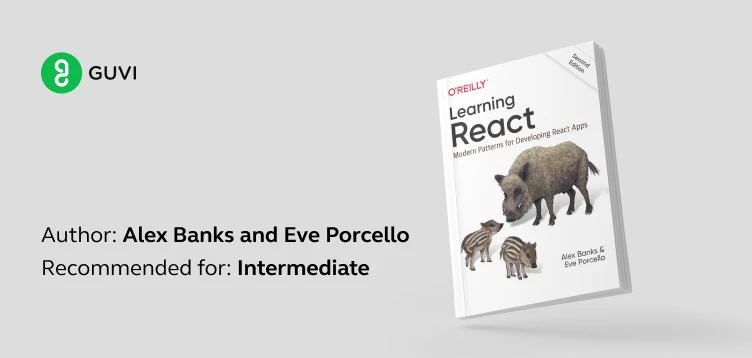
6. Learning React: by Alex Banks and Eve Porcello
This book introduces React in a structured and modern way, focusing on how components, props, and state work together. It helps you understand how dynamic user interfaces are created using reusable building blocks.
The teaching style is very example-driven, so you quickly see how React simplifies frontend development. It builds your confidence in creating interactive UI components for real-world applications.

Rating: 4.4/5 (Amazon)
These intermediate-level books will help you deepen your understanding of web development and set you on the path to becoming a proficient full-stack developer.
Full Stack Development for Advanced Level
If you’re already a seasoned developer and want to take your full-stack development skills to the next level, these advanced books are highly recommended:
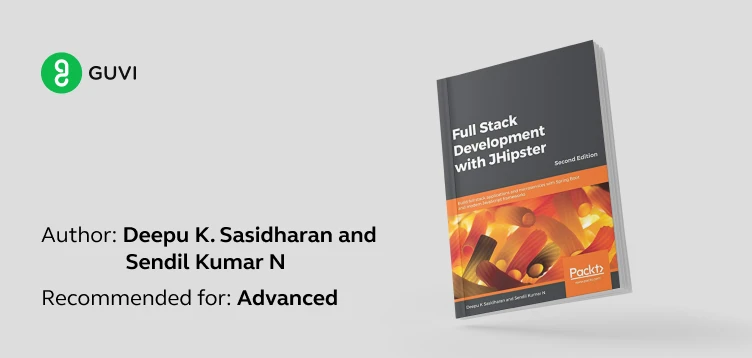
7. Full Stack Development with JHipster: by Deepu K. Sasidharan and Sendil Kumar N
This book focuses on building enterprise-level full-stack applications using the JHipster platform. It brings together multiple technologies and shows how real production-grade systems are structured, especially in terms of scalability, security, and performance.
Unlike beginner books, this one is more architecture-focused and assumes you already understand basic development concepts. It helps you learn how large applications are designed using modern full-stack architecture patterns.
Rating: 3.9/5 (Amazon)
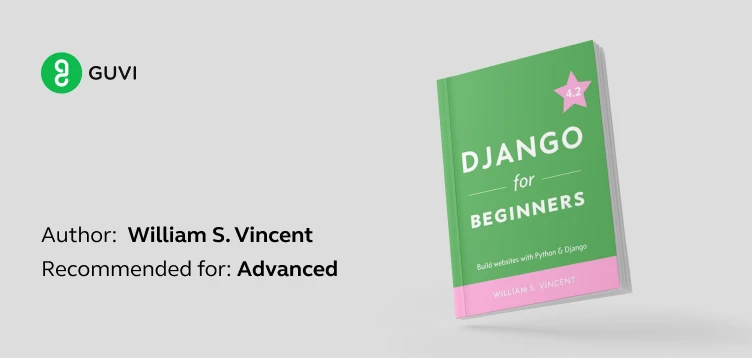
8. Django for Beginners: by William S. Vincent
This book introduces web development using Python in a highly structured, guided way. It walks you through building real applications step by step with Django, covering essentials such as models, views, templates, and database management.
The teaching style feels like a hands-on workshop, where each chapter adds a new feature to your project. It is especially helpful for understanding backend development with the Python Django framework in a practical manner.
Rating: 4.5/5 (Amazon)
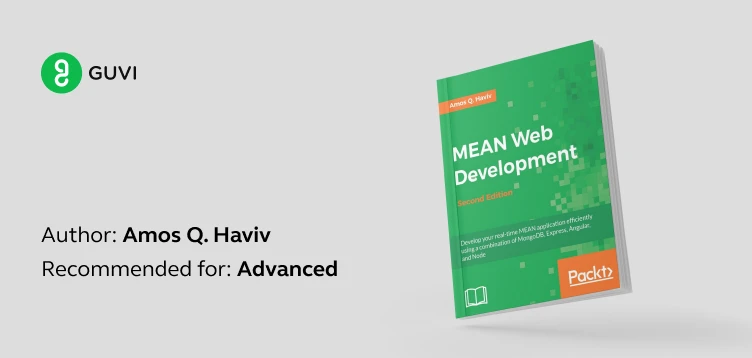
9. MEAN Web Development: by Amos Q. Haviv
This book explains how to build full-stack applications using the MEAN stack (MongoDB, Express, Angular, Node.js). It focuses on connecting all layers of development into a single working system, from the database to the frontend interface.
The content is more technical and project-driven, showing how modern JavaScript-based systems are built for real-world use. It is useful for understanding end-to-end application development flow in a unified stack.
Rating: 4.0/5 (Amazon)
Specialized Books in Full Stack Development
To truly excel as a full-stack developer, you should explore specialized areas that enhance your expertise. Here are some recommended books on specialized topics:
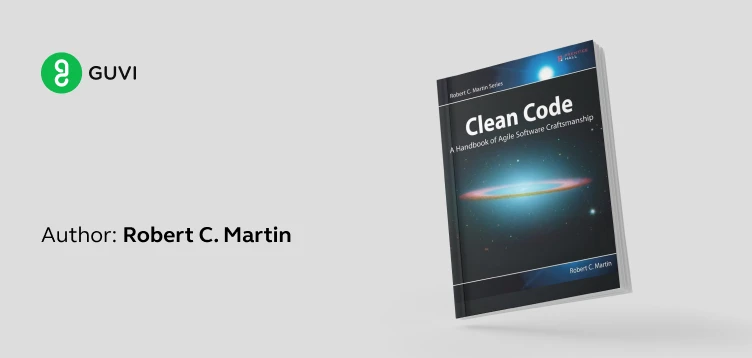
10. Clean Code: A Handbook of Agile Software Craftsmanship: by Robert C. Martin
This book focuses on the core discipline of writing clean and readable code. It explains how developers can structure their programs to be easy to understand, maintain, and improve over time, rather than creating messy or confusing logic.
The ideas are grounded in real software engineering principles, illustrated through practical examples and coding standards. It helps you develop a mindset where code quality is just as important as functionality, especially when working on large projects.
Rating: 4.7/5 (Amazon)
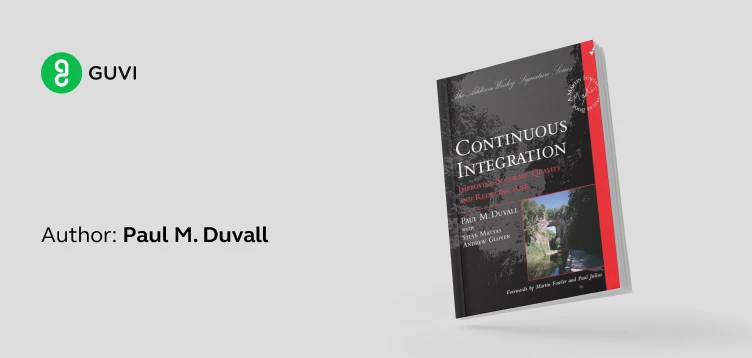
11. Continuous Integration: Improving Software Quality and Reducing Risk: by Paul M. Duvall
This book explains how modern development teams maintain stability using Continuous Integration (CI) practices. It shows how frequent code integration, automated testing, and deployment pipelines help reduce errors in software projects.
The focus is more on process and workflow rather than coding itself. It helps you understand how professional teams ensure smooth development cycles and maintain software quality and reliability in real-world environments.
Rating: 4.3/5 (Amazon)
Also Read: Full Stack Developer Syllabus
If you’re serious about building a real career in tech, this is your sign to stop just learning and start building. Join HCL GUVI’s Full-Stack Development Course with Placement Assistance and level up your skills with the MERN stack (MongoDB, Express.js, React, Node.js) through hands-on, real-world projects that actually make you job-ready.
Don’t just study development—start becoming a developer people hire!
Conclusion
There’s no shortcut in full-stack development, but the right books make the path less confusing. Once you start connecting what you read with what you build, things slowly begin to click on their own. The rest is just consistency and actually showing up to code. Over time, that small effort quietly turns into a real skill.
FAQs
1. Which book should I start with if I am a complete beginner?
Start with HTML and CSS first, since they form the foundation of how web pages are structured and styled, before moving on to programming concepts.
2. Is it necessary to learn JavaScript before backend development?
Understanding JavaScript is helpful because it is used in both frontend and backend environments, including Node.js, making full-stack learning smoother.
3. Can I skip jQuery and still continue full-stack learning?
Modern development rarely depends on jQuery, so focusing more on JavaScript and frameworks like React gives better long-term value.
4. What makes Django different from Node.js for the backend?
Django is Python-based and uses a structured framework, while Node.js uses JavaScript and offers more flexibility in backend design.
5. How important is system design knowledge in full-stack development?
System design helps in understanding how large applications are structured, scaled, and maintained in real-world environments.
6. Are these books enough to start building real projects?
They provide strong guidance, but practical experience comes from applying concepts by building small and gradually more complex projects.
Success Stories



















Did you enjoy this article?