


Career Articles
Android Development Roadmap :10-Step Guide to Become an Android Developer
Network Engineer Roadmap: From Beginner to Expert
VLSI Roadmap: 11 Steps to Become a Successful VLSI Engineer
Azure Certification Roadmap 2026: 7 Best Certifications Beginners Must Know


Get In Touch For Details! Request More Information
Changing Your Career Field After Graduation: A Complete Guide to Starting Fresh
Feb 05, 2026 5 Min Read 520 Views
(Last Updated)
Completed your degree and now suddenly wondering, “Is this really what I want to do for the rest of my life?”
If your answer is yes then you are not alone. Thousands of fresh graduates reach this moment of confusion every single year. They choose a fancy major that they are no longer interested in or that doesn’t match the future career they truly want.
Maybe you discovered a new passion. Maybe the job opportunities in your degree field are limited. Or maybe you simply want a career that feels exciting, meaningful, and future-proof.
Whatever your reason behind it, here is something you need to keep in mind: changing your career field after graduation is completely normal and absolutely possible.
Today, many professionals build successful careers in fields that are totally different from their college degree. With the right approach, the right skills, and the right guidance, you can confidently start a fresh journey toward a career you actually love.
This career change after graduation blog will help you understand how to switch fields, build new skills from scratch, explore better opportunities, and create a successful career path that truly fits your goals.
Quick answer:
A career change after graduation is completely possible. You must know why you want to change, know what field you want to go into, and gather all the necessary knowledge and skills about the new field. By being prepared, you will have no problem moving into a new career path.
Table of contents
- How to Plan a Career Change: 5 Clear Steps for Changing Your Career Field After Graduation
- Understand Where You Stand Right Now
- Set Clear and Realistic Career Goals
- Explore and Research the Careers You’re Interested In
- Analyse Job Listings to Understand Skill Gaps
- Create a Personal Roadmap for Your Career Transition
- Top Career Options After Graduation in 2026
- Data & AI-related Roles
- Cybersecurity & Cloud
- UI/UX Design & Product Roles
- Digital Marketing/ Content Strategy
- Sustainability Climate-Tech
- Biotechnology and Biomedical Informatics
- Sales, Customer Success and Operations
- Unique & Niche Career Options to Explore
- Skills to Develop for the Best Career Option After Graduation
- Technical & Digital Skills (Basic → Practical)
- Soft Skills (equally important)
- Career-Specific Skills
- Portfolio & Project Work
- Wrapping it up:
- FAQs
- Is it okay to change my career field after graduation?
- How long does a career change take?
- Do I need another degree to shift careers?
- Does my current degree still matter?
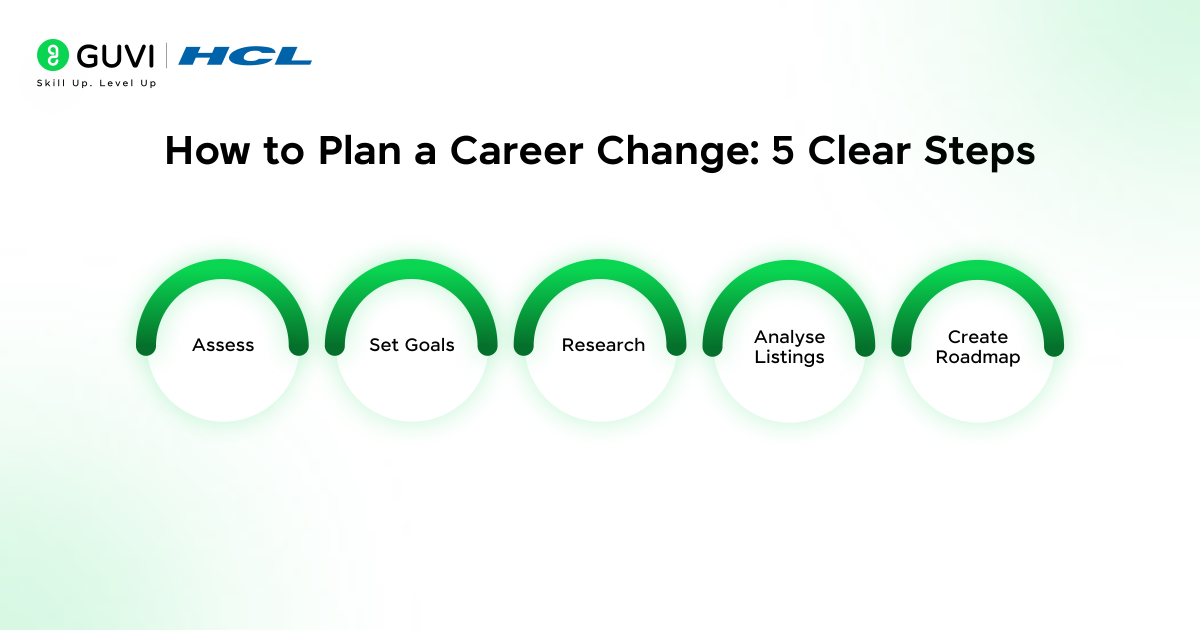
How to Plan a Career Change: 5 Clear Steps for Changing Your Career Field After Graduation
Starting a new career change after graduation can feel confusing, especially when you’re unsure where to begin. A structured plan makes the journey easier and gives you clarity about what direction to choose. Here’s a beginner-friendly roadmap designed specifically for fresh graduates who want to switch fields confidently.
1. Understand Where You Stand Right Now
You have to be honestly analytical about your present position before settling on what to do next. This makes you identify what you need to change.
Reflect on questions like:
- What part of my present path do I enjoy, and what frustrates me?
- Am I lacking growth, challenge, creativity, or stability?
- Does my current direction match the life I want to build?
- What fears or concerns do I have about switching careers?
This is an act of self-awareness and not judgment. The more you are aware of your starting point the easier your transition will be.
2. Set Clear and Realistic Career Goals
After knowing the reason for your need for a career change, have an understanding of what you desire. Clear goals only ensure you are not confused because you have a path to follow.
Ask yourself:
- What is my type of work environment?
- What are skills that I currently possess and I would like to use?
- Which kind of projects or tasks are most appealing to me?
- Which companies, industries, or job styles can interest me?
- How much income or growth will you have?
You need not have an answer at all; you must only have a direction. A simple goal such as becoming job-ready in 6 months of a digital marketing position is better than none at all.
- Nearly 52% of graduates build careers in fields completely different from their degree — proving that your qualification doesn’t limit your path.
- Employers today value skills over academic background, making career shifts easier, faster, and more accessible than ever.
- Fresh graduates who switch fields early experience faster growth and higher salary jumps within the first 3 years of their career.

3. Explore and Research the Careers You’re Interested In
When you have 2-3 potential career paths, it is time to go deeper. Your research must provide you with a clear image of the markets offered by each of the fields.
Explore:
- Job roles and responsibilities
- Pay and development at the first level
- Skills, tools and certifications required
- Authentic experiences of professionals
Watch videos on YouTube, browse LinkedIn, Naukri, Indeed, and online communities to get an idea of what it is like to work every day in that field.
You can also get in touch with professionals to have a little conversation, this provides you with real life knowledge, rather than generalized information.
4. Analyse Job Listings to Understand Skill Gaps
Job listings are one of the most powerful tools for career changers. They clearly show what employers expect.
While reviewing listings, note:
- Skills mentioned repeatedly
- Tools and software required
- Must-have qualifications
- Nice-to-have skills
- The kind of companies hiring beginners
This helps you create a skill-gap list:
“What I already know” vs. “What I need to learn.”
From there, you can start planning certifications, courses, and mini-projects that will make you job-ready.
Also read: How to Prepare for a Job Interview and Ace it? Top 8 Steps
5. Create a Personal Roadmap for Your Career Transition
This is where everything comes together. Considering your research and objectives, make a realistic plan to transition into your new field.
Your plan should include:
- Timeline: At what time do you wish to move?
- Courses: What are the first skills that you are going to have?
- Projects: What will be your portfolio projects?
- Experience: volunteer, mini-gigs, internships.
- Networking: Individuals with whom you will be linked every week.
- Resume update: The way you will personalise your profile.
- Interview preparedness: A brief introduction of self and pitch.
Make the plan flexible. Read it at least once every 23 weeks and revise it as you get to know more.
Top Career Options After Graduation in 2026
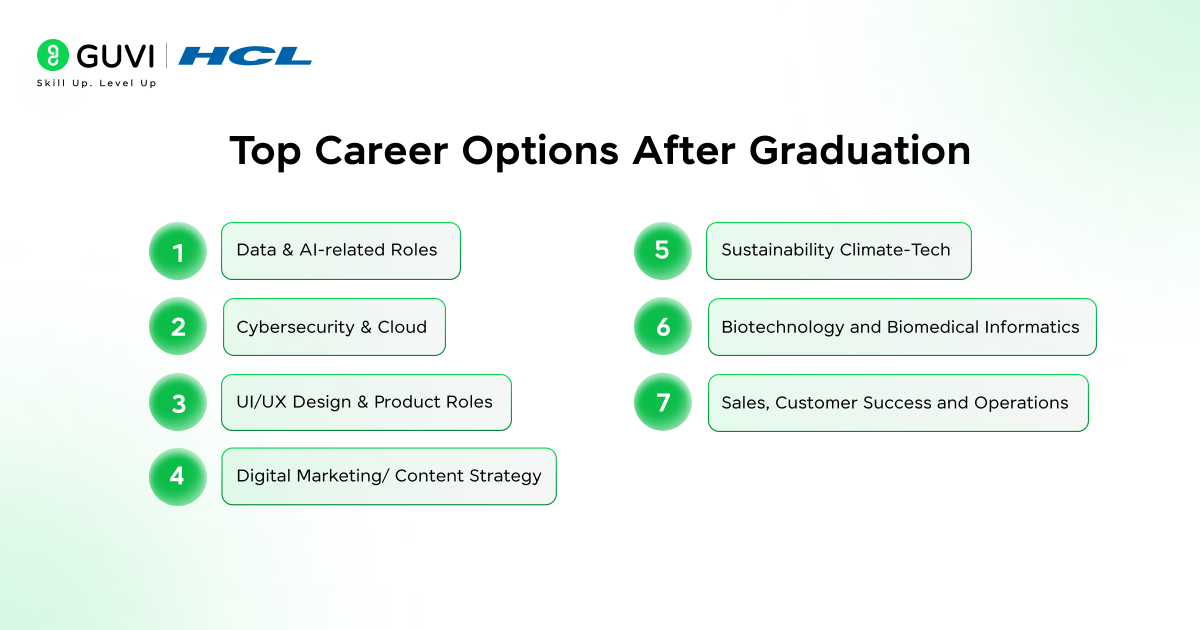
The following are some of the real-life career sectors where new graduates are being aggressively recruited, with good entry points and fast learning paths.
1. Data & AI-related Roles
Why? The decision-making in businesses is based on data. Examples of jobs are Data Analyst, ML Engineer, AI Product Coordinator and AI Operations specialist. These positions compensate for critical thinking and fundamental coding (Python, SQL). The need for AI and data skills is high in all industries as firms expand the analytics and ML initiatives.
2. Cybersecurity & Cloud
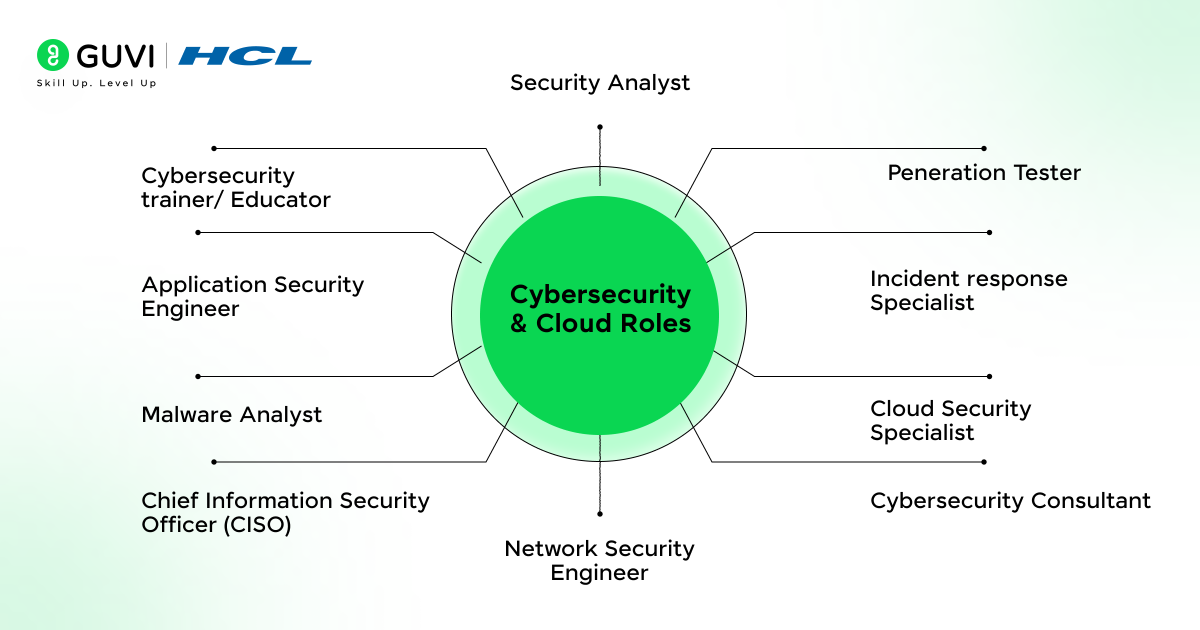
Why? A greater number of businesses are moving systems online; they require security and cloud professionals to secure and scale services. Some of the entry-level positions are Cloud Support Engineer, Security Analyst, and Site Reliability Trainee. These are well-paying jobs that are stable and in most cases can be taken up by beginners with proper certifications.
3. UI/UX Design & Product Roles
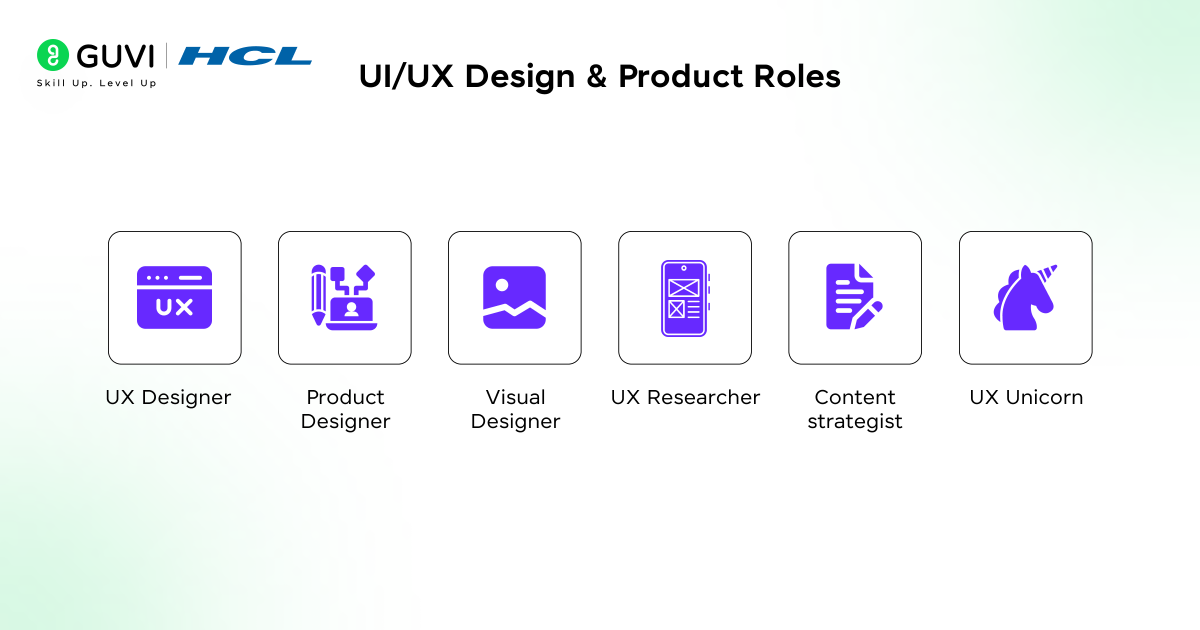
Why? Firms are competing based on the user experience; designers and product associates who can comprehend what the user requires are sought. New hires who understand design thinking, entry-level research capabilities, and prototyping software (Figma, Adobe XD) can be hired fast. The demand associated with UX is also increasing with the increase in digital products.
4. Digital Marketing/ Content Strategy
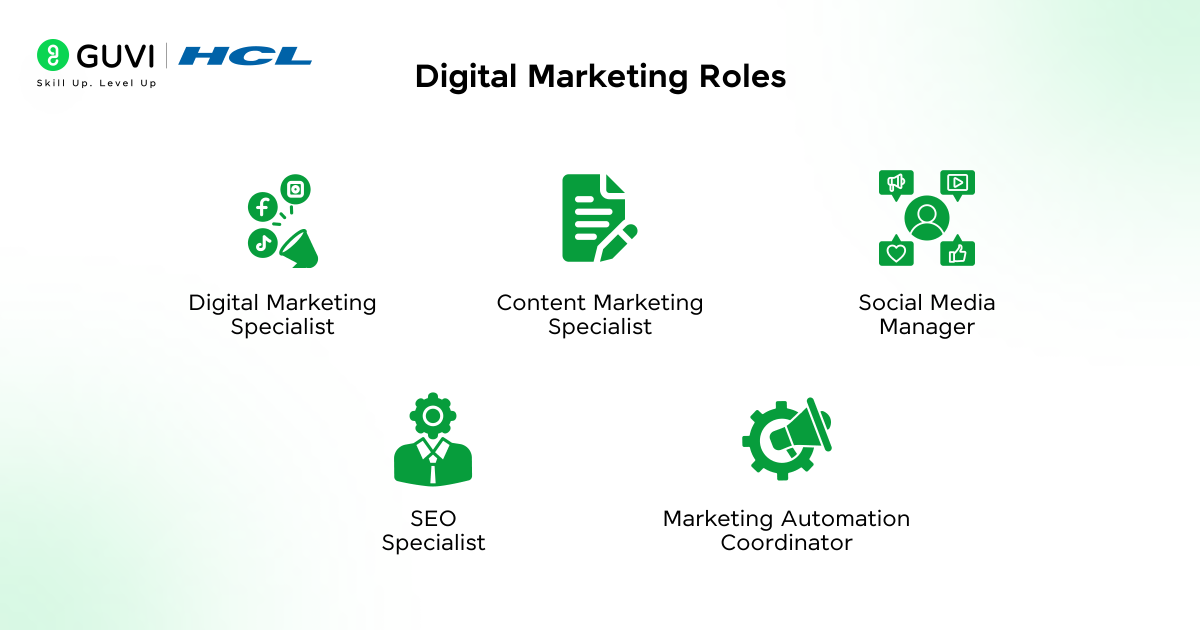
Why? Any business must be visible. Positions such as Performance Marketer, Content Strategist, SEO Specialist, and Social Media Analyst are available and enable the rapid development of portfolios. AI generative tools are transforming the workflow, inventing new niche positions (AI-content strategist, automation-first marketer).
5. Sustainability Climate-Tech
Why? Firms are spending on environmental solutions and compliance (ESG). There are such positions as Sustainability Analyst, Renewable Project Coordinator, and ESG Reporting Associate. These are multi-skilled careers that integrate policy, technical knowledge and business sense and they are on the rise as governments and companies target green change.
6. Biotechnology and Biomedical Informatics
Why? Digital healthcare services and health-tech keep growing. The Clinical Data Coordinator, Health Tech Support, and Research Assistant are good introduction positions. These are a combination of product knowledge, data and domain knowledge.
7. Sales, Customer Success and Operations
Why? Businesses always require individuals who will be able to sell, recruit clients, and keep the processes operational. These functions are good stepping blocks to leadership and offer substantial business experience in a short time.
Unique & Niche Career Options to Explore
Beyond the mainstream, here are interesting and emerging options for graduates who want to stand out:
- Generative AI Content Specialist
- Create and manage AI-assisted content workflows, prompt engineering, and AI-driven campaign design.
- UX Writing & Conversational Design
- Design voice and chat interfaces; craft microcopy that improves product usability.
- Climate-Policy & Carbon Management Roles
- Help companies measure, reduce, and report carbon emissions a blend of research, reporting, and project work.
- Gaming & E-sports Management
- Event management, community growth, and analytics for gaming platforms and teams.
- Behavioural Insights & Consumer Psychology
- Work combines data and social science to shape product choices and marketing strategy.
Skills to Develop for the Best Career Option After Graduation
1. Technical & Digital Skills (Basic → Practical)
- Data: Excel → SQL → Python basics → Data visualization (Tableau/Power BI).
- AI & ML: Basic ML concepts and how to use pretrained models / prompt engineering.
- Web & Cloud: Basic HTML/CSS → Git → Cloud fundamentals (AWS/GCP/Azure basics).
- Design: UX fundamentals → Figma prototyping → Usability testing.
- Marketing: SEO basics → Analytics → Paid ads and content systems.
2. Soft Skills (equally important)
- Clear written & verbal communication
- Problem-solving and critical thinking
- Collaboration and teamwork (remote & hybrid)
- Learning agility ability to pick up tools fast
3. Career-Specific Skills
- Cybersecurity: basics of networking, security operations tools, certification pathways.
- Sustainability: reporting frameworks (ESG basics), carbon accounting concepts.
- Healthcare Tech: data privacy basics, clinical data standards.
4. Portfolio & Project Work
Practical projects beat long CV lists. Create small end-to-end projects you can show in a portfolio, a dashboard, a design case study, a small web app, or a marketing campaign.
Ready to step confidently into your next IT role? Strengthen your interview skills with HCL GUVI’s Interview Mastery Course and make your career shift smoother than ever.
Wrapping it up:
Graduating from college and entering the work space can seem daunting; however, it also gives the chance to develop a professional identity that reflects who you are as a person. With new job function sets and industries emerging each year, your degree or major will not limit your prospects. The focus should be on finding a job path that captivates you; obtaining necessary skill sets gradually; and acquiring a variety of small yet significant experience opportunities as you move forward.
Your curiosity, commitment to self-improvement, and willingness to consistently take advantage of opportunities will lead to transitioning into an enjoyable career and growing within that field. Although entering a new profession may feel like a setback, it is an opportunity to create a career you will be enthusiastic about pursuing.
FAQs
1. Is it okay to change my career field after graduation?
Yes; many recent graduates switched business after graduating or who will be switching fields upon graduation since employers today focus on skill more than your degree
2. How long does a career change take?
About three to nine months, depending on how consistently you learn and practice.
3. Do I need another degree to shift careers?
No, you don’t need another degree, but it’s good to have certifications, projects and a good portfolio.
4. Does my current degree still matter?
Yes; regardless of what field you choose to pursue, it shows you can learn and work professionally, even if the field is different.
Success Stories

About the Author
Vishalini Devarajan
An Aerospace Engineer turned content writer, I focus on making complex concepts easy to understand through well-structured, reader-friendly blogs. Whether it’s a technical topic or a non-technical one, I love creating content that is clear, engaging, and impactful.
View all posts by Vishalini Devarajan
Connect with me @











Did you enjoy this article?