


Model Optimization and Deployment Strategies
Model Optimization and Deployment Strategies
Improving Inference Performance
Inference is the process of using a trained model to produce predictions.
A model that provides accurate predictions may still be unsuitable for production if it responds too slowly, consumes excessive memory, or costs too much to operate.
Common optimization techniques include:
- Batching: Processing multiple inputs together to improve throughput.
- Quantization: Representing model parameters with lower numerical precision to reduce memory use and potentially accelerate inference.
- Pruning: Removing selected parameters or structures to reduce model complexity.
- Caching: Reusing results for repeated requests when doing so is appropriate and safe.
- Hardware acceleration: Using suitable GPUs or other accelerators for supported workloads.
Optimization can introduce trade-offs. For example, quantization may reduce resource usage but affect prediction quality.
Deployment Strategies
Blue-green deployment: Maintains two environments so traffic can be switched between an existing version and a new version.
Canary deployment: Releases a new version to a small portion of traffic before expanding the rollout.
Rolling deployment: Gradually replaces existing application instances with updated instances.
Batch deployment: Runs predictions on stored data rather than serving every request interactively.
These approaches help teams manage releases and reduce the risk of introducing faulty models into production.
Choosing a Deployment Strategy
The choice depends on the application's requirements. A real-time fraud detection service may need low-latency predictions and rapid rollback, while a monthly sales forecasting process may work well with scheduled batch inference.
Teams should also consider model versioning, security, access controls, infrastructure costs, and recovery procedures.
Artificial Intelligence Tutorial
Vishalini A

Recommended Handbooks

C++ Handbook

Python Basics Handbook

Javascript Handbook

Building a Random Joke Generator Using ReactJS

Build a Character Counter in React JS

Build Your QR Code Generator using React JS

Build a Birthday Reminder App using React JS

Building BMI Calculator Using ReactJS
Building Random Password Generator using ReactJS
Temperature Converter Project in React
Building a To-Do List App Using ReactJS
Building a Weather App Project Using ReactJS
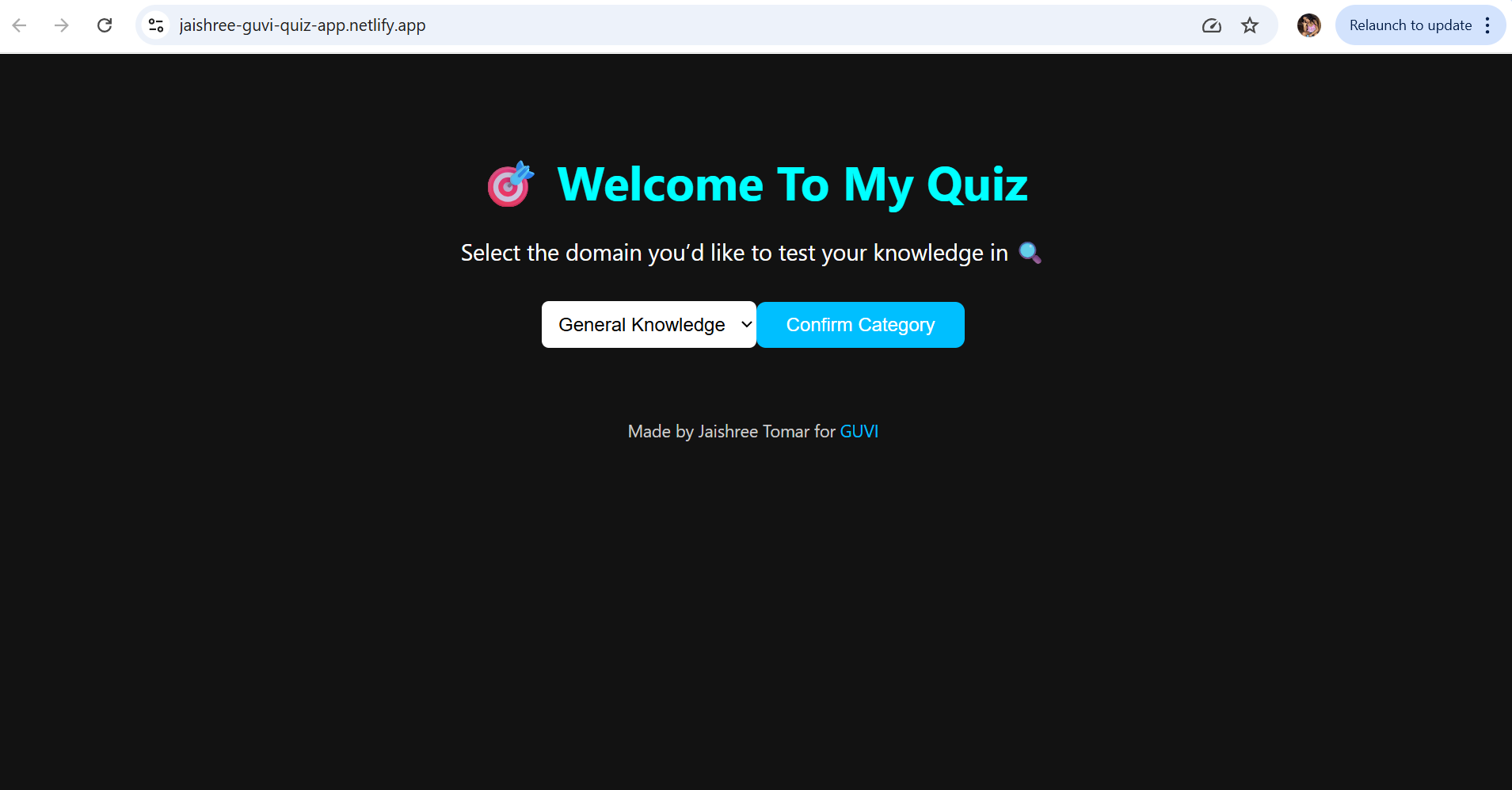
Building a Quiz App in ReactJS
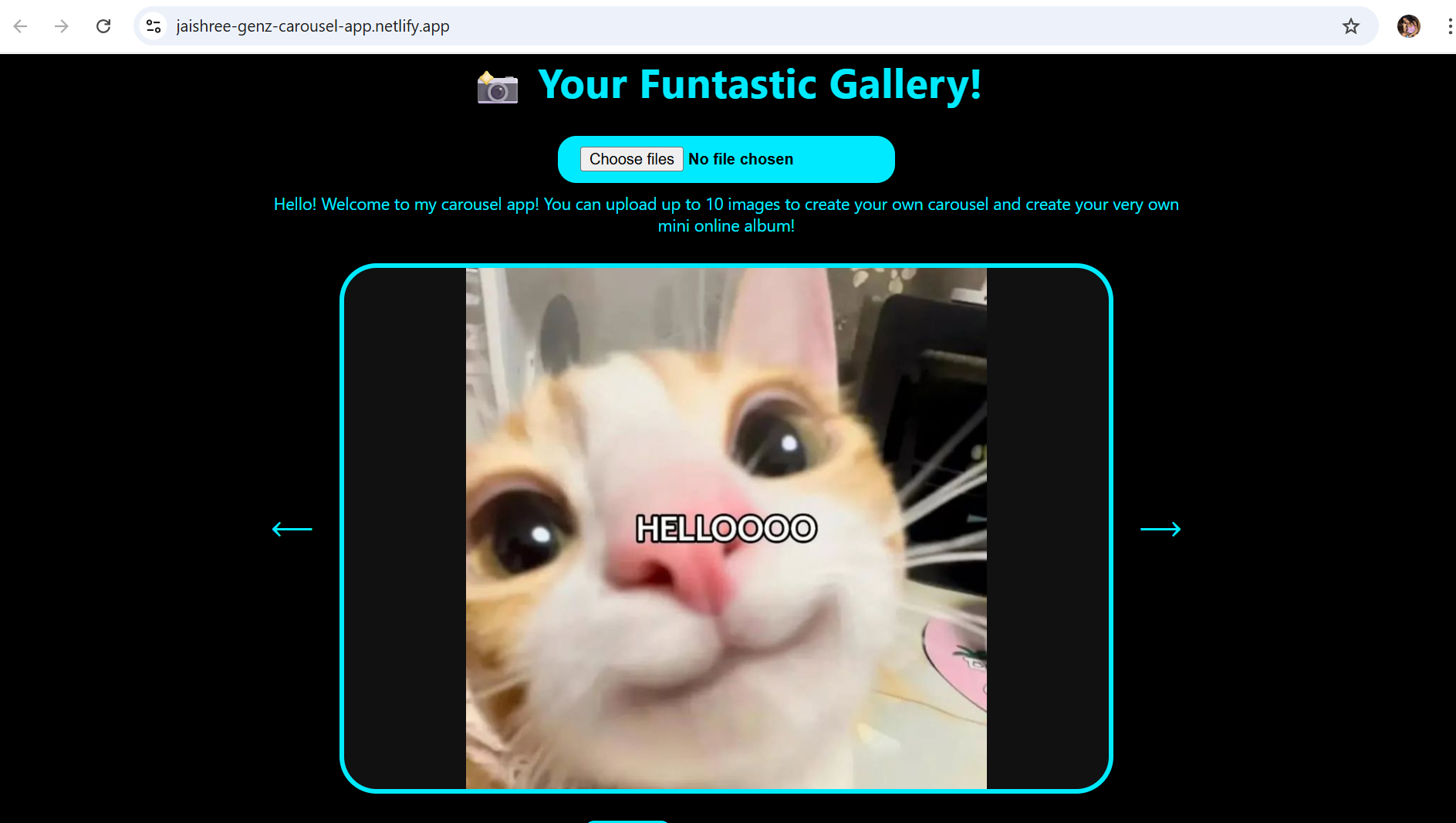
Building a GenZ Carousel App in React

ReactJS Projects Handbook

Computer Networks Tutorial

Operating System Tutorial

DBMS and SQL Tutorial

Java Tutorial

C Language Tutorial

PHP Tutorial

Android Tutorial

Linux Guide Tutorial

Data Structures and Algorithms Tutorial

Computer Architecture

HTML 5 References Tutorial

Docker Tutorial

GIT (Using Github) Tutorial

Go Language Tutorial

GIT Guide

CSS Tutorial

Advanced Data Structures

Spring Framework Tutorial

Spring Boot Tutorial

Kotlin Tutorial

Apache Cordova Tutorial

Python Tutorial

SASS-SCSS Tutorial

MongoDB Tutorial

Numpy Tutorial

PL-SQL Tutorial

Python Built-in Functions Tutorial

Pandas Tutorial

Elasticsearch Tutorial

Matplotlib Tutorial

Web Scraping Tutorial

Networking with Python

Tkinter Tutorial

Java Programs Tutorial

Java Examples Tutorial

Servlet Tutorial

JSP Tutorial

Java Type Conversion Tutorial

Java 8 Tutorial

Java 9 Tutorial

Java 10 Tutorial

Java 11 Tutorial

Java Util Library Tutorial

Building a Contact Us Form in ReactJS

Building a Age Calculator App Using ReactJS

Movie Recommendation System Project Using Content-Based Filtering
Recipe Finder App using ReactJS

Sales Data Analysis Project for Beginners Using Data Science

Student Performance Analysis Project for Beginners Using Data Science

Word Counter Tool Using ReactJS

Customer Churn Prediction Project Using Classification Techniques

Basic Expense Tracker App using ReactJS

Simple Binary to Decimal Converter in React

Real-Time Unit Converter in React

House Price Prediction Using Machine Learning (XGBoost)

Weather Data Analysis and Visualization Using Python

Expandable Accordion Component using React

OTP Verification Component using React

Cricket Data Analysis Using Python

Credit Card Fraud Detection for Beginners using Data Science

Deep learning Tutorial

Software Development Life Cycle Tutorial

Stock Price Prediction for Beginners using Data Science

Apache Kafka Tutorial

Angular Tutorial

Django Tutorial

Computer Programming Tutorial

Tensorflow Tutorial

Java OOPs Concepts Tutorial

Building an Image Classification System Using CNN

News Recommendation System Using Machine Learning

Fake Review Detection System using Machine Learning

Product Feedback App Using Full Stack Development - Customer Review and Rating System

Job Portal with Applicant Tracking System Using Full Stack Development

(FalCon Store) A Modern React-Based E-Commerce App UI with Admin Dashboard

Student Management System using Python (Beginner-Friendly Project Guide)

HTML Tutorial - From Basics to Implementation

Machine Learning Tutorial

ReactJS Tutorial

Hibernate Tutorial

Data Analysis with Python Handbook

Probability and Statistics for Data Science

Power BI Tutorial

R for Data Science

SQL for Data Science