

Data Analysis with Python Handbook
Data Analysis with Python is a complete learning path that takes you from writing your first line of Python to building end-to-end analysis projects. You will learn how to clean messy data, explore it, find patterns, and present your findings with clear charts and dashboards. The handbook is split into three levels: Beginner, Intermediate, and Advanced, with 10 topics each. Every topic uses simple explanations and practical examples built on tools like NumPy, Pandas, Matplotlib, Seaborn, and Plotly.
3 Modules
30 Lessons
English
0.5 Hr

Reading Plan

MODULE 1
Data Analysis with Python: Beginner Level
 Introduction to Data Analysis with Python
1 min
Setting Up Your Python Environment1 min
Python Basics for Data Analysis1 min
Python Data Structures Explained1 min
Getting Started with NumPy1 min
Introduction to Pandas1 min
Importing and Exporting Data1 min
Selecting and Filtering Data in Pandas1 min
Handling Missing Values and Duplicates1 min
Basic Data Visualization with Matplotlib1 min
MODULE 2
Data Analysis with Python: Intermediate Level
Data Cleaning and Type Conversion1 min
Grouping and Aggregating Data1 min
Merging and Joining DataFrames1 min
Reshaping Data with Pivot and Melt1 min
Working with Dates and Time Series1 min
Working with Text Data1 min
Exploratory Data Analysis (EDA)1 min
Descriptive Statistics and Correlation1 min
Statistical Visualization with Seaborn1 min
Fetching Data from APIs and Databases1 min
MODULE 3
Data Analysis with Python: Advanced Level
Feature Engineering Techniques1 min
Outlier Detection and Treatment1 min
Time Series Analysis and Forecasting1 min
Optimizing Pandas Performance1 min
Working with Large Datasets1 min
Interactive Dashboards with Plotly1 min
Machine Learning for Data Analysts1 min
Hypothesis Testing and A/B Testing1 min
Automating Data Pipelines and Reports1 min
End-to-End Data Analysis Capstone Project1 min
Data Analysis with Python Handbook
This handbook teaches you to turn raw data into insights using Python. The Beginner level covers Python basics, NumPy, Pandas, file handling, and charts. The Intermediate level explores data cleaning, merging, reshaping, time series, statistics, APIs, and databases. The Advanced level covers feature engineering, forecasting, dashboards, machine learning, A/B testing, and automation. It concludes with a capstone project using a real-world dataset.
Why Learn Data Analysis with Python?
Data drives almost every business decision today, and Python is one of the most popular tools for working with it. It is easy to read, has powerful libraries, and works for everything from small spreadsheets to large datasets. Learning data analysis with Python helps you make sense of numbers, spot trends, and share clear insights. It also opens doors to roles in analytics, data science, business intelligence, and many other fields.
Who Should Learn Data Analysis with Python?
This handbook is for students, fresh graduates, and working professionals who want to build a career in data analytics or data science. It also suits Excel and SQL users who want to handle bigger datasets and automate repetitive work. Developers, business analysts, marketers, and researchers who want to make better decisions with data will find it useful too. You do not need a data background to start, because the Beginner level begins from the basics.
Prerequisites
This course is suitable for:
- Basic computer skills and comfort with installing software
- A laptop or desktop with an internet connection
- Basic understanding of high school level math, such as averages and percentages
- Curiosity about data and problem solving
- Prior coding experience is helpful but not required
Run & Test your Code with our very own IDE that supports 16 languages
Open IDERecommended Handbooks

C++ Handbook

Python Basics Handbook

Javascript Handbook
Building a Random Joke Generator Using ReactJS
Build a Character Counter in React JS
Build Your QR Code Generator using React JS

Build a Birthday Reminder App using React JS

Building BMI Calculator Using ReactJS
Building Random Password Generator using ReactJS
Temperature Converter Project in React
Building a To-Do List App Using ReactJS
Building a Weather App Project Using ReactJS
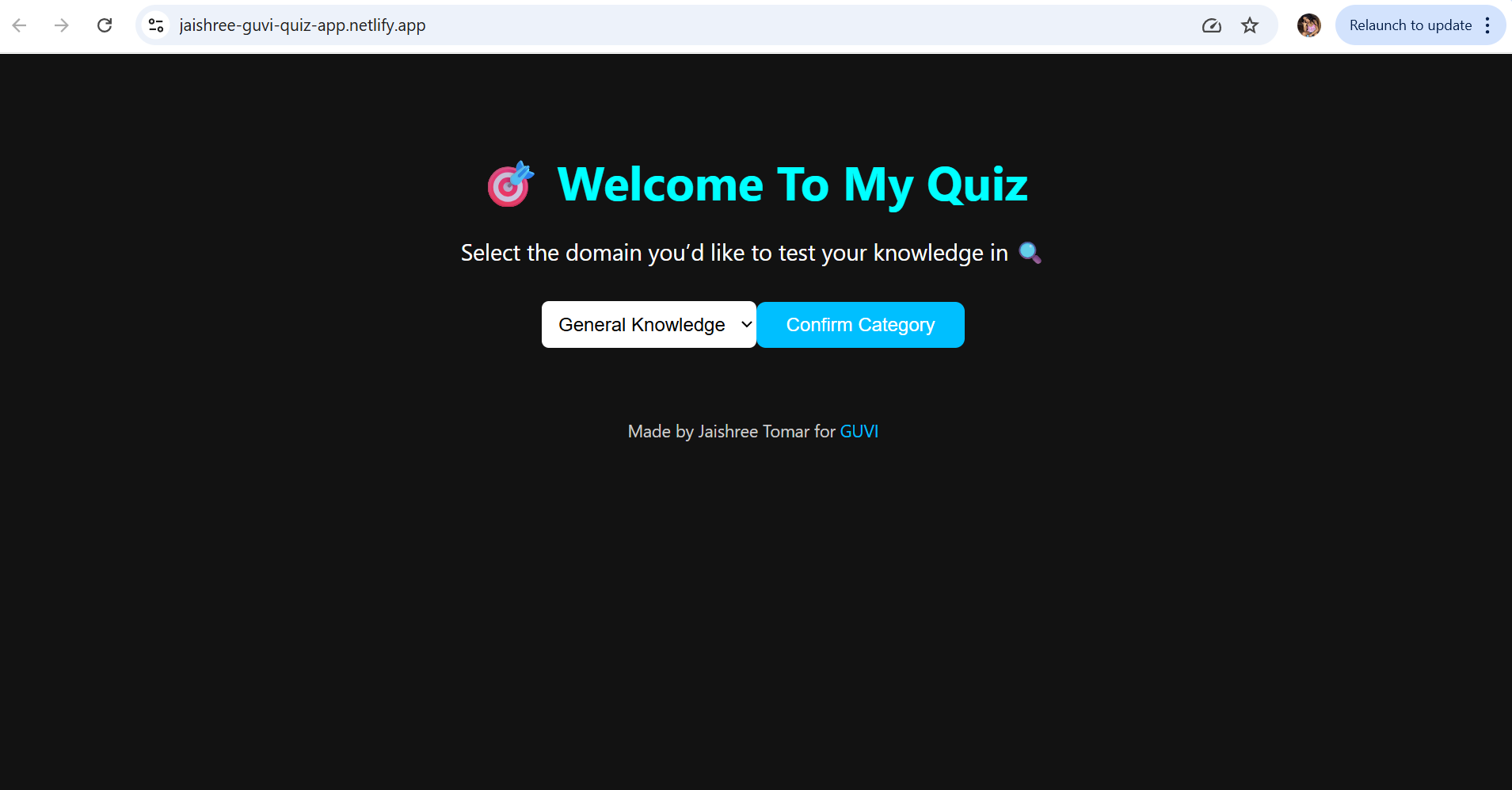
Building a Quiz App in ReactJS
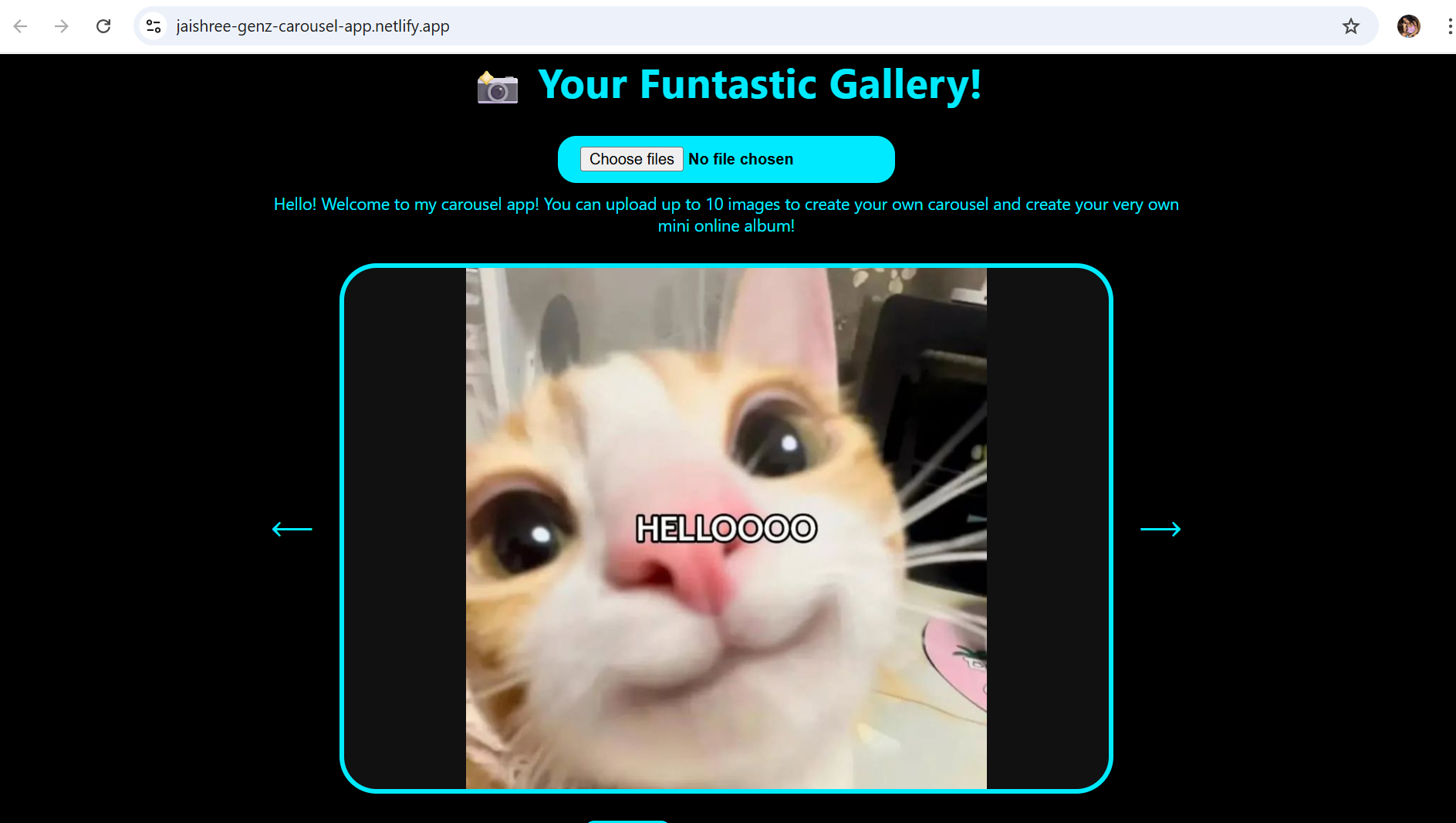
Building a GenZ Carousel App in React
ReactJS Projects Handbook
Computer Networks Tutorial
Operating System Tutorial
DBMS and SQL Tutorial
Java Tutorial

C Language Tutorial
PHP Tutorial

Android Tutorial
Linux Guide Tutorial
Data Structures and Algorithms Tutorial

Computer Architecture
HTML 5 References Tutorial
Docker Tutorial
GIT (Using Github) Tutorial

Go Language Tutorial

GIT Guide
CSS Tutorial
Advanced Data Structures

Spring Framework Tutorial

Spring Boot Tutorial
Kotlin Tutorial
Apache Cordova Tutorial
Python Tutorial
SASS-SCSS Tutorial

MongoDB Tutorial

Numpy Tutorial
PL-SQL Tutorial
Python Built-in Functions Tutorial

Pandas Tutorial

Elasticsearch Tutorial
Matplotlib Tutorial

Web Scraping Tutorial
Networking with Python

Tkinter Tutorial
Java Programs Tutorial
Java Examples Tutorial

Servlet Tutorial
JSP Tutorial
Java Type Conversion Tutorial
Java 8 Tutorial
Java 9 Tutorial
Java 10 Tutorial
Java 11 Tutorial
Java Util Library Tutorial
Building a Contact Us Form in ReactJS
Building a Age Calculator App Using ReactJS
Movie Recommendation System Project Using Content-Based Filtering
Recipe Finder App using ReactJS
Sales Data Analysis Project for Beginners Using Data Science
Student Performance Analysis Project for Beginners Using Data Science
Word Counter Tool Using ReactJS
Customer Churn Prediction Project Using Classification Techniques
Basic Expense Tracker App using ReactJS
Simple Binary to Decimal Converter in React
Real-Time Unit Converter in React
House Price Prediction Using Machine Learning (XGBoost)
Weather Data Analysis and Visualization Using Python
Expandable Accordion Component using React

OTP Verification Component using React
Cricket Data Analysis Using Python
Credit Card Fraud Detection for Beginners using Data Science
Deep learning Tutorial
Software Development Life Cycle Tutorial
Stock Price Prediction for Beginners using Data Science
Apache Kafka Tutorial
Angular Tutorial

Django Tutorial
Computer Programming Tutorial
Tensorflow Tutorial
Java OOPs Concepts Tutorial
Building an Image Classification System Using CNN
News Recommendation System Using Machine Learning
Fake Review Detection System using Machine Learning
Product Feedback App Using Full Stack Development - Customer Review and Rating System
Job Portal with Applicant Tracking System Using Full Stack Development

(FalCon Store) A Modern React-Based E-Commerce App UI with Admin Dashboard
Student Management System using Python (Beginner-Friendly Project Guide)
HTML Tutorial - From Basics to Implementation
Machine Learning Tutorial
ReactJS Tutorial

Hibernate Tutorial
Probability and Statistics for Data Science

Artificial Intelligence Tutorial
Power BI Tutorial
R for Data Science
SQL for Data Science