


Python Data Structures Explained
Python Data Structures Explained
Data structures decide how you store and organize your values. This topic covers lists, tuples, dictionaries, and sets, and helps you pick the right one for each task.
a. Lists and Tuples
A list is an ordered collection of items inside square brackets. You can change a list by adding, removing, or updating items. Lists are the most common way to hold a group of values.
prices = [100, 250, 175]
prices.append(300)
print(prices[0])
A tuple looks similar but uses round brackets, and it cannot be changed after creation. This makes tuples good for fixed data, like a pair of latitude and longitude values.
Both support indexing, which means you can pick an item by its position. Python starts counting from 0, so the first item is at index 0. You can also use slicing to pick a range of items.
b. Dictionaries
A dictionary stores data as key and value pairs. Each key is a unique label that points to a value. This makes it easy to look up information by name instead of position.
student = {"name": "Ravi", "age": 21, "course": "Python"}
print(student["name"])
Dictionaries are everywhere in data work. JSON data from websites and APIs looks just like a Python dictionary. Pandas can also build a table directly from a dictionary.
You can add new keys, update values, and loop through all the items. Use the .get() method to read a key safely without causing an error if it is missing.
c. Sets
A set is a collection of unique items. If you add the same value twice, Python keeps only one copy. Sets are written inside curly brackets.
cities = {"Chennai", "Delhi", "Chennai", "Mumbai"}
print(cities)
Sets are very handy for removing duplicates from a list. You can convert a list to a set and get only the unique values. This is a quick way to count how many different items you have.
Sets also support math-style operations like union and intersection. For example, you can find which customers appear in both of two lists. Keep in mind that sets are unordered, so you cannot use an index with them.
d. Choosing the Right Data Structure
Each data structure has a best use. Use a list when order matters and you may need to change items. Use a tuple when the values should stay fixed.
Use a dictionary when you want to find values by a label. Use a set when you only care about unique items or need fast checks for whether something exists.
A simple tip is to ask what you need to do with the data. If you need to look things up by name, choose a dictionary. If you need to remove repeats, choose a set. Making this choice early keeps your code clean and fast.
Data Analysis with Python Handbook
Wesline Rinisha

Recommended Handbooks

C++ Handbook

Python Basics Handbook

Javascript Handbook

Building a Random Joke Generator Using ReactJS
Build a Character Counter in React JS

Build Your QR Code Generator using React JS

Build a Birthday Reminder App using React JS

Building BMI Calculator Using ReactJS
Building Random Password Generator using ReactJS
Temperature Converter Project in React
Building a To-Do List App Using ReactJS
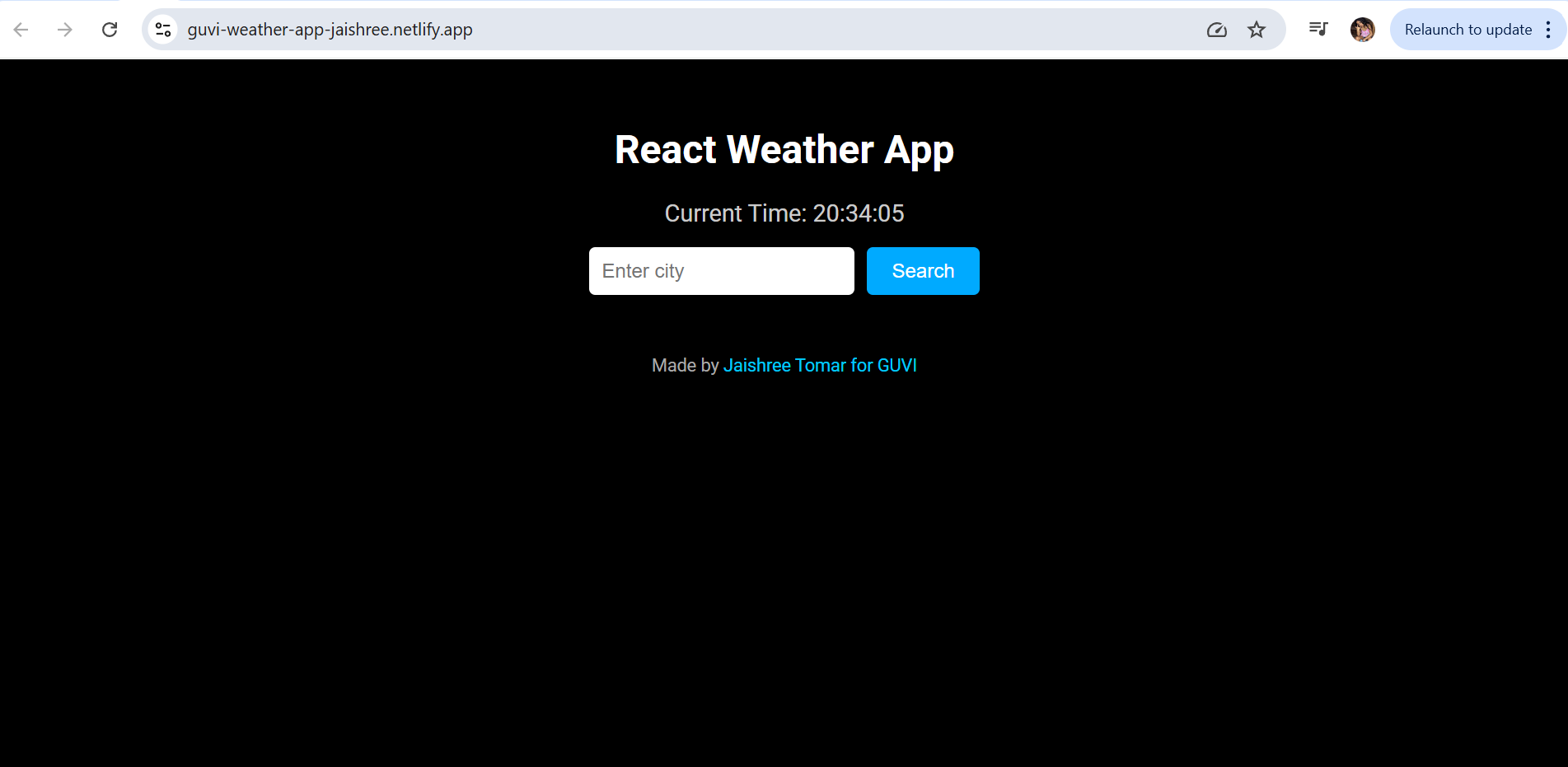
Building a Weather App Project Using ReactJS
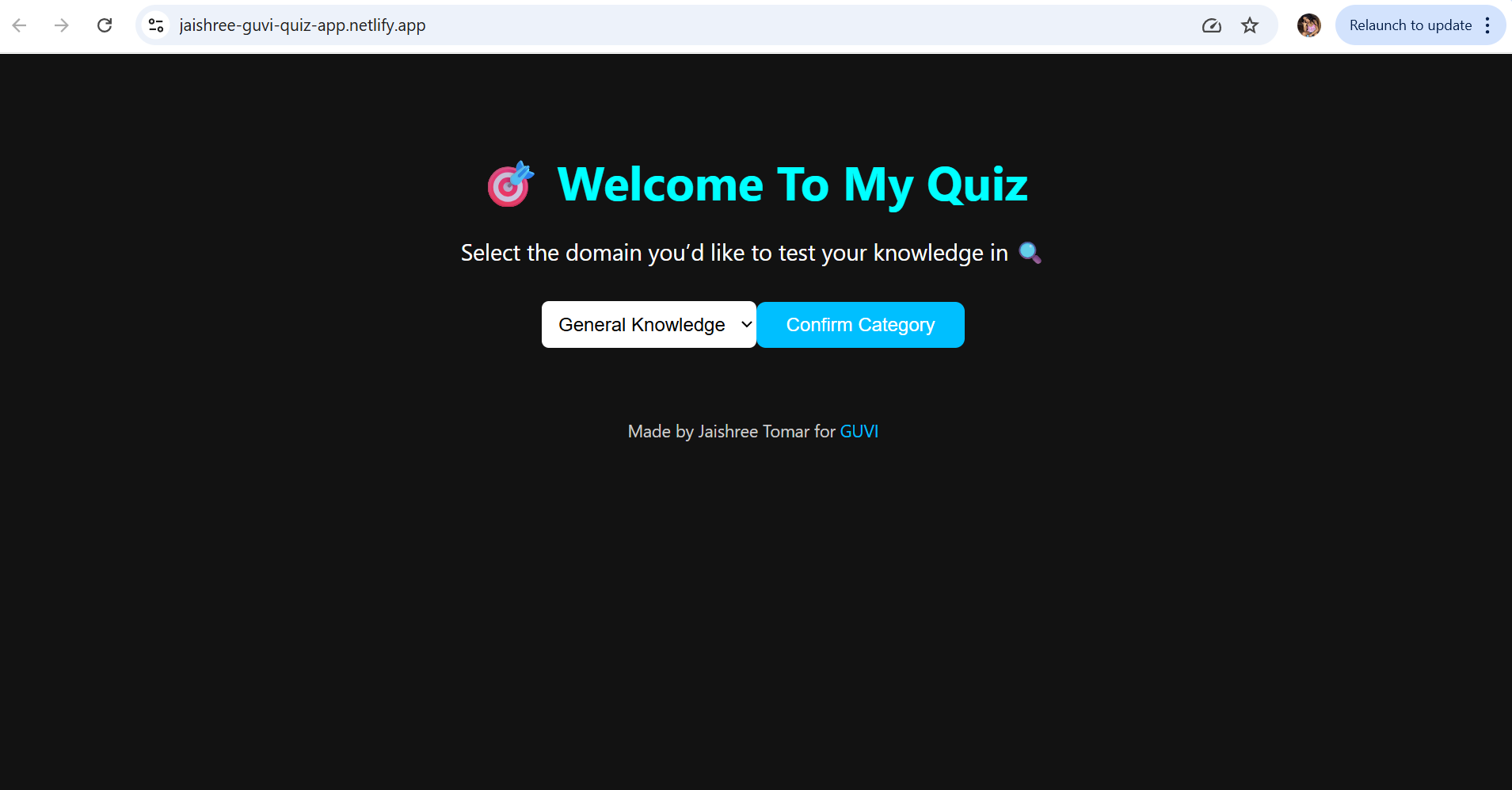
Building a Quiz App in ReactJS
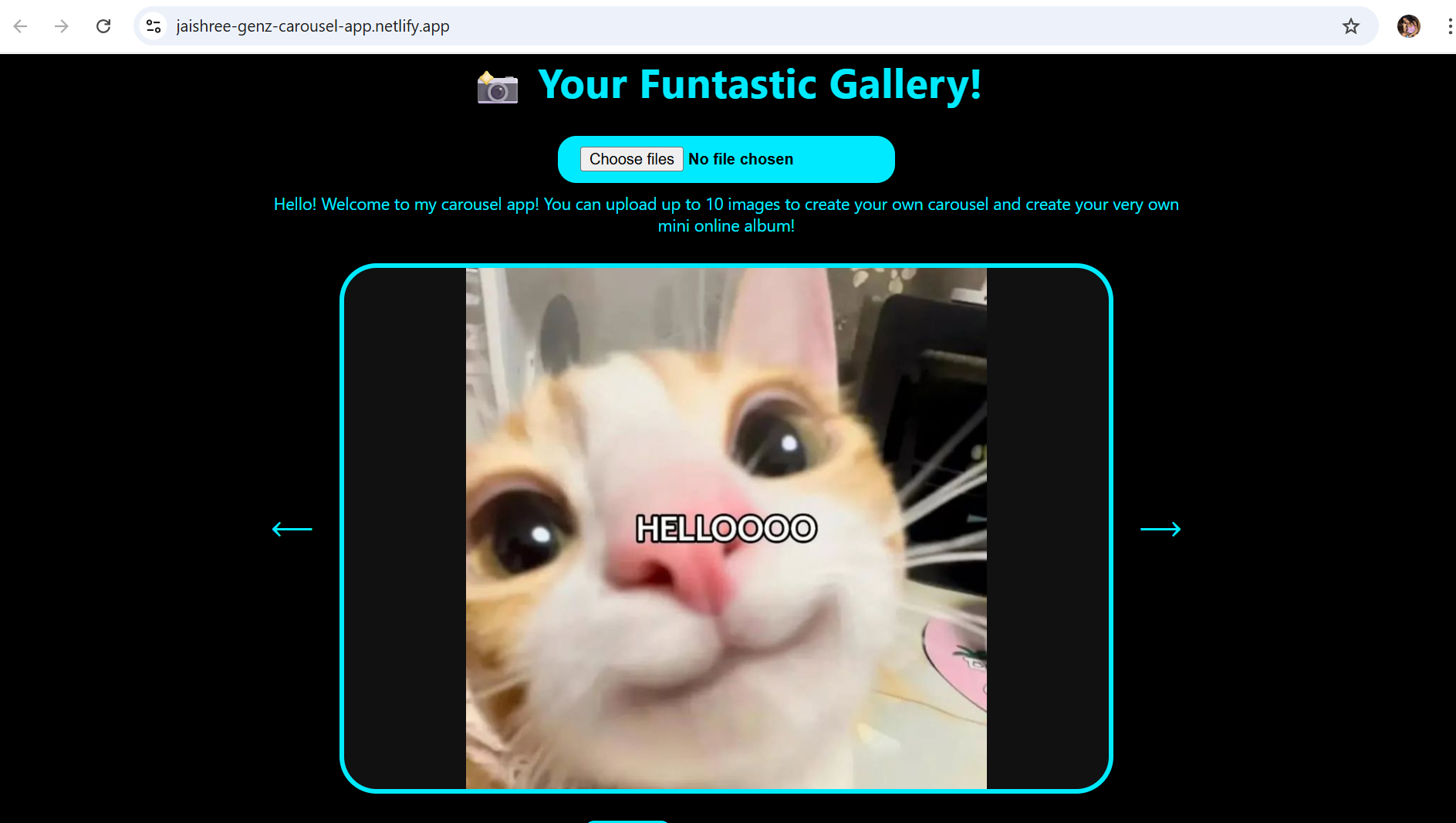
Building a GenZ Carousel App in React
ReactJS Projects Handbook

Computer Networks Tutorial

Operating System Tutorial
DBMS and SQL Tutorial
Java Tutorial

C Language Tutorial

PHP Tutorial

Android Tutorial

Linux Guide Tutorial

Data Structures and Algorithms Tutorial

Computer Architecture
HTML 5 References Tutorial

Docker Tutorial

GIT (Using Github) Tutorial

Go Language Tutorial

GIT Guide

CSS Tutorial
Advanced Data Structures

Spring Framework Tutorial

Spring Boot Tutorial

Kotlin Tutorial

Apache Cordova Tutorial

Python Tutorial
SASS-SCSS Tutorial

MongoDB Tutorial

Numpy Tutorial
PL-SQL Tutorial

Python Built-in Functions Tutorial

Pandas Tutorial

Elasticsearch Tutorial
Matplotlib Tutorial

Web Scraping Tutorial

Networking with Python

Tkinter Tutorial
Java Programs Tutorial
Java Examples Tutorial

Servlet Tutorial

JSP Tutorial
Java Type Conversion Tutorial
Java 8 Tutorial
Java 9 Tutorial
Java 10 Tutorial
Java 11 Tutorial
Java Util Library Tutorial

Building a Contact Us Form in ReactJS
Building a Age Calculator App Using ReactJS

Movie Recommendation System Project Using Content-Based Filtering

Recipe Finder App using ReactJS

Sales Data Analysis Project for Beginners Using Data Science

Student Performance Analysis Project for Beginners Using Data Science
Word Counter Tool Using ReactJS

Customer Churn Prediction Project Using Classification Techniques

Basic Expense Tracker App using ReactJS
Simple Binary to Decimal Converter in React

Real-Time Unit Converter in React

House Price Prediction Using Machine Learning (XGBoost)

Weather Data Analysis and Visualization Using Python

Expandable Accordion Component using React

OTP Verification Component using React

Cricket Data Analysis Using Python

Credit Card Fraud Detection for Beginners using Data Science

Deep learning Tutorial

Software Development Life Cycle Tutorial

Stock Price Prediction for Beginners using Data Science

Apache Kafka Tutorial
Angular Tutorial

Django Tutorial

Computer Programming Tutorial
Tensorflow Tutorial

Java OOPs Concepts Tutorial

Building an Image Classification System Using CNN

News Recommendation System Using Machine Learning

Fake Review Detection System using Machine Learning

Product Feedback App Using Full Stack Development - Customer Review and Rating System

Job Portal with Applicant Tracking System Using Full Stack Development

(FalCon Store) A Modern React-Based E-Commerce App UI with Admin Dashboard

Student Management System using Python (Beginner-Friendly Project Guide)

HTML Tutorial - From Basics to Implementation

Machine Learning Tutorial

ReactJS Tutorial

Hibernate Tutorial
Probability and Statistics for Data Science

Artificial Intelligence Tutorial

Power BI Tutorial

R for Data Science
SQL for Data Science