


Introduction to Artificial Intelligence
Introduction to Artificial Intelligence
1.1 What Is Artificial Intelligence?
Artificial Intelligence is a field of computer science focused on developing systems that can perform tasks commonly associated with human intelligence.
These tasks include learning from data, recognizing patterns, understanding language, solving problems, making predictions, and generating content.
Consider an email application that identifies spam messages. A simple filter may block emails containing specific words, while an AI-powered spam classifier can learn patterns from previously labeled emails and estimate whether a new message is spam.
Other everyday examples include:
- Navigation applications predicting traffic and suggesting routes.
- Streaming platforms recommending movies based on viewing behavior.
- Virtual assistants responding to questions.
- Image recognition systems identifying objects in photographs.
- AI coding assistants generating code suggestions.
Although these applications perform different tasks, they use computational techniques to interpret information or produce useful results.
1.2 How Does AI Work?
AI systems use different techniques, so there is no single workflow that applies to every application. A typical data-driven AI project follows these steps:
- Collect data: Gather relevant examples, images, text, or records.
- Prepare data: Clean errors and organize the information.
- Select or train a model: Choose a suitable algorithm or use an existing pretrained model.
- Generate an output: Produce a prediction, classification, recommendation, or response.
- Evaluate performance: Measure the results and improve the system when necessary.
For example, a support-ticket classifier can learn from historical tickets labeled as billing issues, technical problems, or account-access requests. When a new ticket arrives, the model predicts its category so the application can route it to the appropriate team.
Not every AI application requires training a model from scratch. Developers often integrate existing models through APIs or run pretrained models locally.
1.3 Major Capabilities of AI
Capability | Description | Example |
| Learning | Identifying patterns from data | Learning to classify spam |
| Perception | Interpreting sensory input | Recognizing objects in images |
| Language processing | Processing human language | Answering questions about documents |
| Reasoning and search | Evaluating possible solutions | Finding a route through a maze |
| Prediction | Estimating an outcome | Forecasting product demand |
| Generation | Creating new content | Drafting an email |
| Planning | Selecting actions to reach a goal | Scheduling delivery routes |
A single application can combine several capabilities. For example, a document assistant might extract information from a PDF, retrieve relevant passages, and generate an answer based on those passages.
1.4 Does AI Think Like a Human?
Not necessarily. An AI system can produce intelligent-looking results without understanding the world in the same way a human does.
A language model, for example, generates text based on patterns learned during training and the context supplied to it. It can still misunderstand a question or produce convincing but incorrect information.
Therefore, AI outputs should be evaluated based on accuracy, reliability, and suitability for the intended task rather than how intelligent they appear.
1.5 Practical Example: Rule-Based Recommendation
The following Python program recommends learning content based on a topic.
def recommend_content(topic):
topic = topic.lower()
if topic == "python":
return "Start with Python fundamentals."
elif topic == "ai":
return "Start with AI fundamentals."
else:
return "Explore the beginner learning catalog."
print(recommend_content("Python"))
print(recommend_content("AI"))
print(recommend_content("Design"))
Expected output
Start with Python fundamentals.
Start with AI fundamentals.
Explore the beginner learning catalog.
This example uses predefined rules rather than a learning model. It cannot automatically learn a user's preferences or adapt its recommendations from previous interactions.
Artificial Intelligence Tutorial
Vishalini A

Recommended Handbooks

C++ Handbook

Python Basics Handbook

Javascript Handbook

Building a Random Joke Generator Using ReactJS

Build a Character Counter in React JS

Build Your QR Code Generator using React JS

Build a Birthday Reminder App using React JS

Building BMI Calculator Using ReactJS
Building Random Password Generator using ReactJS
Temperature Converter Project in React
Building a To-Do List App Using ReactJS
Building a Weather App Project Using ReactJS
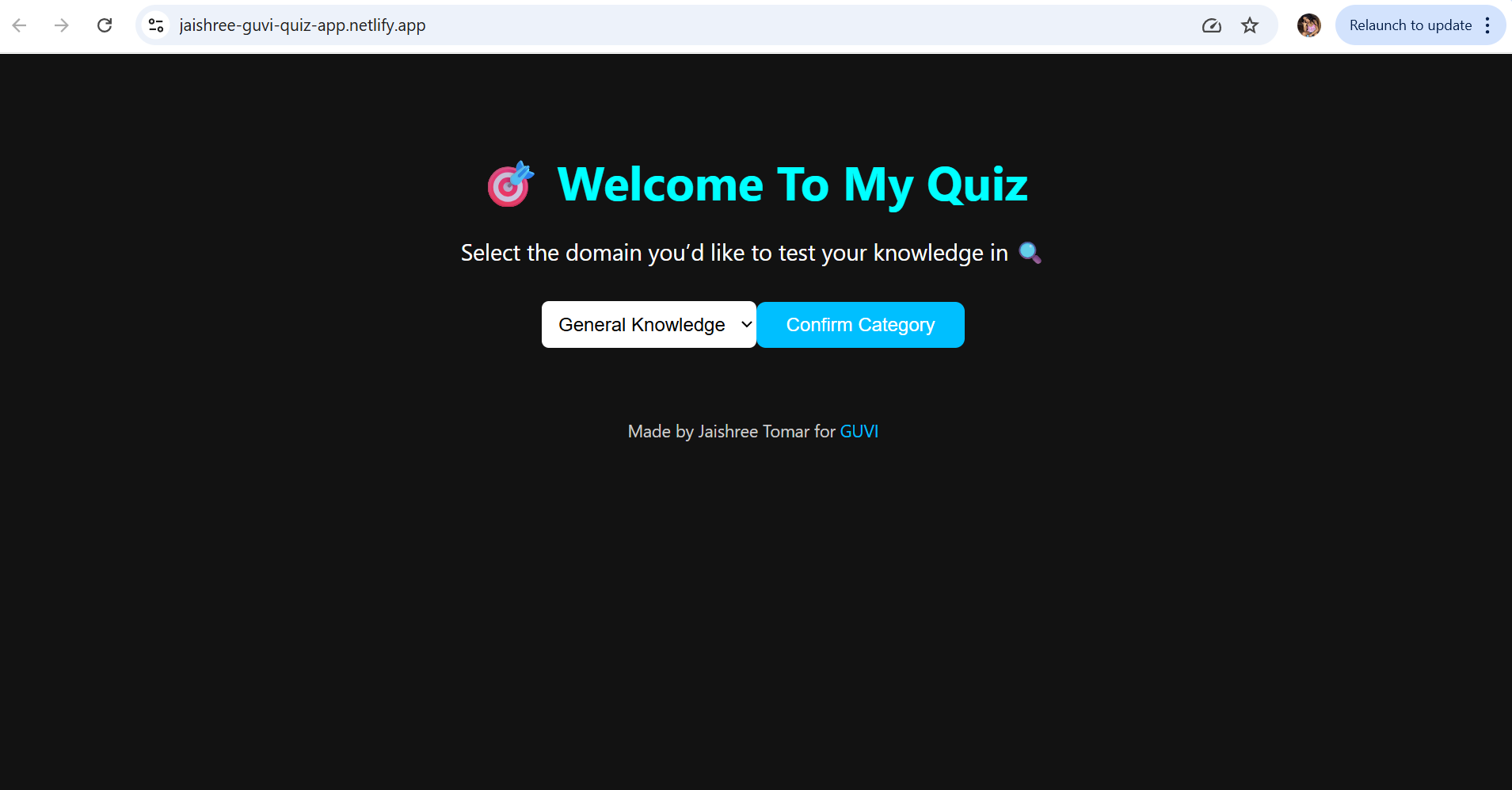
Building a Quiz App in ReactJS
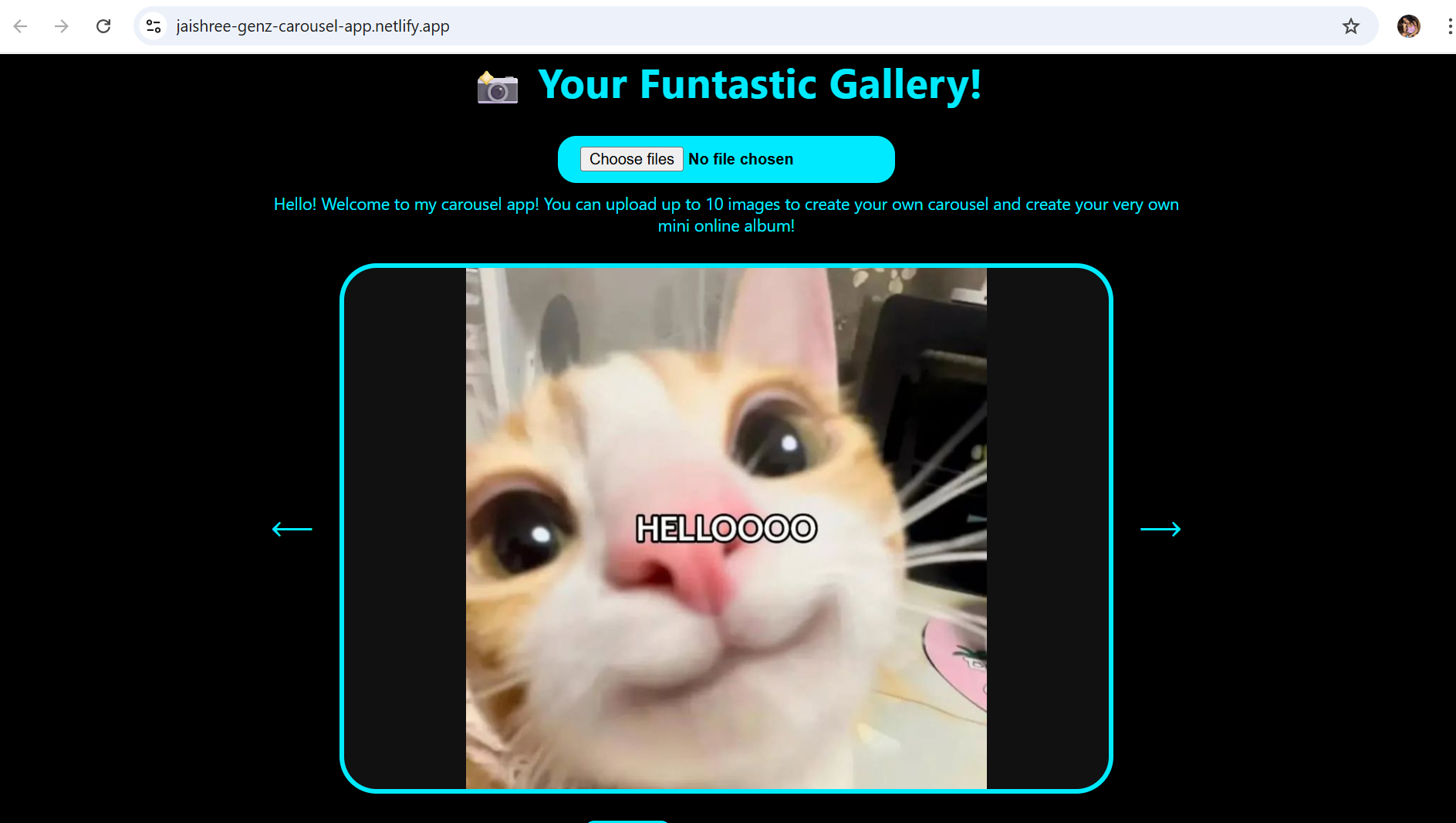
Building a GenZ Carousel App in React

ReactJS Projects Handbook

Computer Networks Tutorial

Operating System Tutorial

DBMS and SQL Tutorial

Java Tutorial

C Language Tutorial

PHP Tutorial

Android Tutorial

Linux Guide Tutorial

Data Structures and Algorithms Tutorial

Computer Architecture

HTML 5 References Tutorial

Docker Tutorial

GIT (Using Github) Tutorial

Go Language Tutorial

GIT Guide

CSS Tutorial

Advanced Data Structures

Spring Framework Tutorial

Spring Boot Tutorial

Kotlin Tutorial

Apache Cordova Tutorial

Python Tutorial

SASS-SCSS Tutorial

MongoDB Tutorial

Numpy Tutorial

PL-SQL Tutorial

Python Built-in Functions Tutorial

Pandas Tutorial

Elasticsearch Tutorial

Matplotlib Tutorial

Web Scraping Tutorial

Networking with Python

Tkinter Tutorial

Java Programs Tutorial

Java Examples Tutorial

Servlet Tutorial

JSP Tutorial

Java Type Conversion Tutorial

Java 8 Tutorial

Java 9 Tutorial

Java 10 Tutorial

Java 11 Tutorial

Java Util Library Tutorial

Building a Contact Us Form in ReactJS

Building a Age Calculator App Using ReactJS

Movie Recommendation System Project Using Content-Based Filtering
Recipe Finder App using ReactJS

Sales Data Analysis Project for Beginners Using Data Science
Student Performance Analysis Project for Beginners Using Data Science

Word Counter Tool Using ReactJS

Customer Churn Prediction Project Using Classification Techniques

Basic Expense Tracker App using ReactJS

Simple Binary to Decimal Converter in React

Real-Time Unit Converter in React

House Price Prediction Using Machine Learning (XGBoost)
Weather Data Analysis and Visualization Using Python

Expandable Accordion Component using React

OTP Verification Component using React

Cricket Data Analysis Using Python

Credit Card Fraud Detection for Beginners using Data Science

Deep learning Tutorial

Software Development Life Cycle Tutorial

Stock Price Prediction for Beginners using Data Science

Apache Kafka Tutorial

Angular Tutorial

Django Tutorial

Computer Programming Tutorial

Tensorflow Tutorial

Java OOPs Concepts Tutorial

Building an Image Classification System Using CNN

News Recommendation System Using Machine Learning

Fake Review Detection System using Machine Learning

Product Feedback App Using Full Stack Development - Customer Review and Rating System

Job Portal with Applicant Tracking System Using Full Stack Development

(FalCon Store) A Modern React-Based E-Commerce App UI with Admin Dashboard

Student Management System using Python (Beginner-Friendly Project Guide)

HTML Tutorial - From Basics to Implementation
Machine Learning Tutorial

ReactJS Tutorial

Hibernate Tutorial

Data Analysis with Python Handbook

Probability and Statistics for Data Science

Power BI Tutorial

R for Data Science
SQL for Data Science