


Web Development Articles
How to Use Firebase Firestore for Real-Time Data in Web Apps
Web Designing Roadmap 2026: Best Guide to Become a Successful Web Designer

Get In Touch For Details! Request More Information
Roles and Responsibilities of a Web Developer in 2026: Skills, Salary & Career Roadmap
Jul 08, 2026 7 Min Read 10255 Views
(Last Updated)
Table of contents
- TL;DR
- What does a Web developer Do?
- What Does a Web Developer Do?
- What Are the Different Types of Web Developers?
- Front-End Developer
- Full-Stack Developer
- Webmaster / Web Administrator
- Front-End vs Back-End vs Full-Stack Developer
- What Are the Main Responsibilities of a Web Developer?
- Writing Clean, Maintainable Code
- Translating Designs into Functional Websites
- Testing and Debugging
- Performance Optimisation
- Database and API Management
- Security and Data Protection
- Staying Current with Technology
- What Skills Do You Need to Become a Web Developer?
- Technical Skills
- Web Developer Career Path: How Do You Grow?
- How to Become a Web Developer: Step-by-Step Roadmap
- Common Mistakes Beginners Make
- Conclusion
- Conclusion
- Frequently Asked Questions
- What does a web developer do?
- What is the difference between a front-end and back-end developer?
- What skills are required to become a web developer in 2026?
- How long does it take to become a web developer?
- Can I become a web developer without a degree?
- What is the salary of a web developer in India in 2026?
- Is web development a good career in 2026?
- Which programming language should a beginner web developer learn first?
- What is the difference between a web developer and a web designer?
- What is a full-stack developer?
- What tools do web developers use?
- Is web development hard for beginners?
- What projects should a beginner web developer build?
- Will AI replace web developers?
- What is the future of web development?
TL;DR
- Web developers design, build, and maintain websites and web applications using technologies like HTML, CSS, and JavaScript.
- Their responsibilities include coding, testing, debugging, performance optimization, application security, and collaboration with design and product teams.
- Web development has three major roles:
- Front-End Developer: Builds user interfaces and ensures responsive, accessible designs.
- Back-End Developer: Handles servers, databases, APIs, and application logic.
- Full-Stack Developer: Works on both front-end and back-end development.
- Key skills required in 2026 include:
- HTML, CSS, JavaScript
- React.js, Node.js, Python, SQL
- Git, cloud basics, APIs, cybersecurity, and AI-assisted development tools
- A typical developer’s day involves coding, reviewing code, fixing bugs, testing features, and collaborating with teams.
- Web developers in India can earn around ₹3 LPA for freshers to ₹30 LPA+ for experienced professionals.
- A beginner can become job-ready in 6–12 months with consistent practice, projects, and a strong portfolio.
What does a Web developer Do?

What Does a Web Developer Do?
A web developer is a technical professional who creates and maintains websites and web applications.
According to the U.S. Bureau of Labor Statistics (2024–2034 outlook), employment of web developers is projected to grow by 8% over the next decade, faster than the average for all occupations. In India, the demand is even sharper, with over 93,000 web developer job postings listed on Naukri.com in 2025.
They take an idea, a business website, a social platform, an e-commerce store, and turn it into a fully functional digital product. To do that, they write code, work with design teams, run tests, fix bugs, and keep the product running smoothly over time.
Web development is divided into three main layers: the front end (what users see), the back end (the logic and data running behind it), and the full stack (both combined). Each layer requires a different set of skills and tools.
Now that we have understood the primary work, let’s get an overview of the various roles and responsibilities of a web developer.
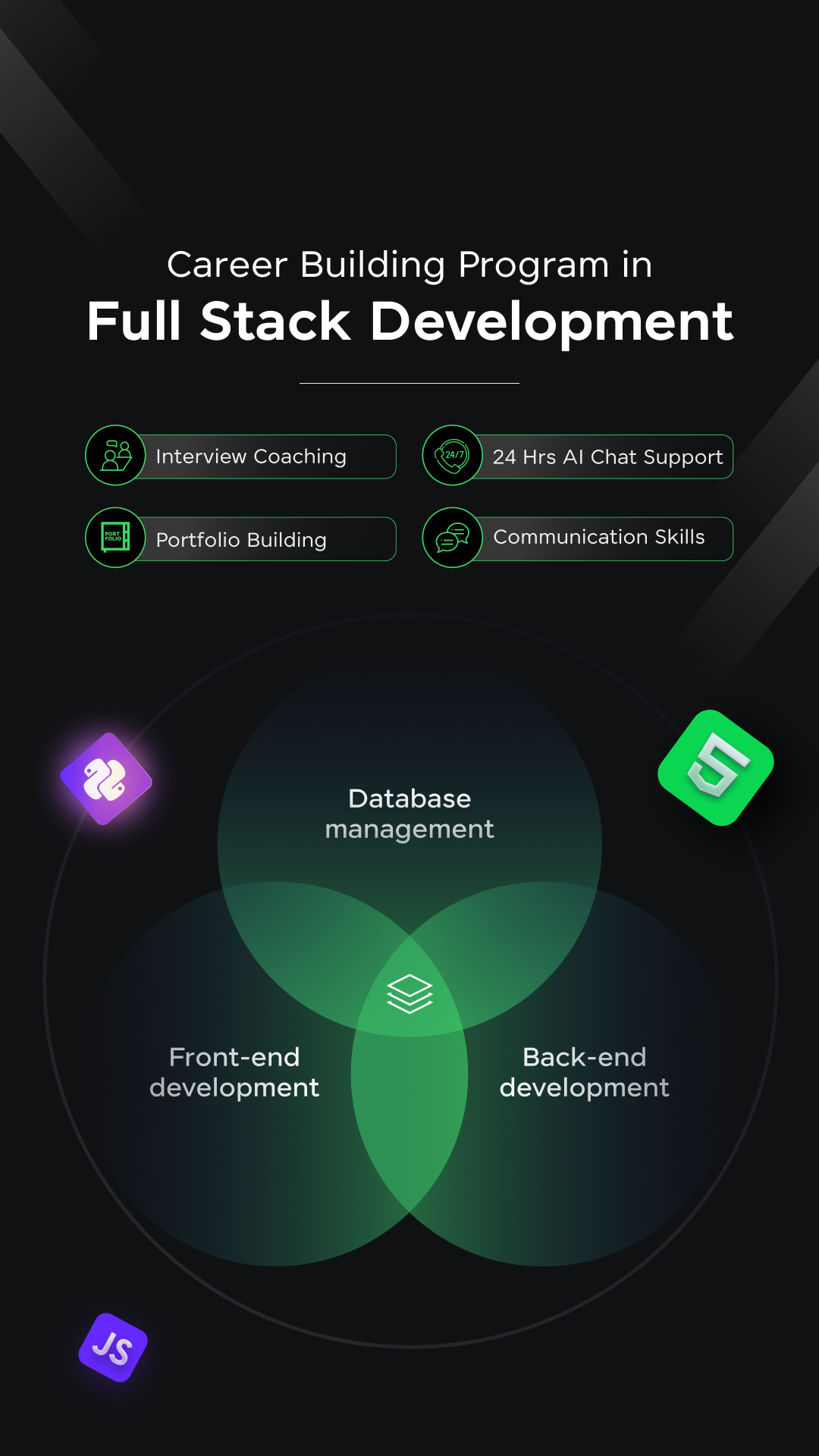
Before diving into the next section, ensure you’re solid on full-stack development essentials like front-end frameworks, back-end technologies, and database management. If you are looking for a detailed Full Stack Development career program, you can join HCL GUVI’s Full Stack Development Career Program with Placement Assistance. You will be able to master the MERN stack (MongoDB, Express.js, React, Node.js) and build real-life projects.
Additionally, if you want to explore JavaScript through a self-paced course, try HCL GUVI’s JavaScript self-paced certification course.
What Are the Different Types of Web Developers?
Web developers do not all do the same job. Their role depends on which layer of a website or application they work on.
1. Front-End Developer
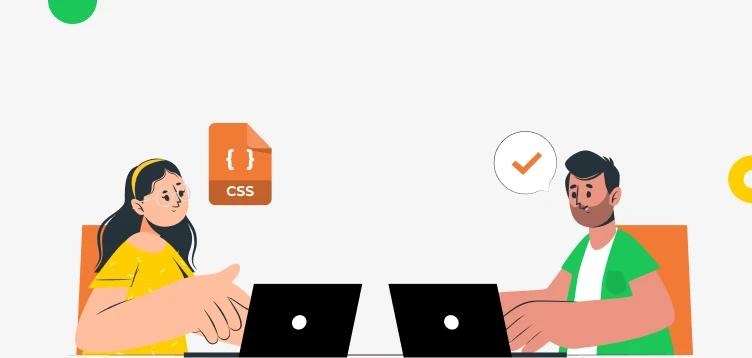
A front-end developer builds everything a user sees and interacts with in the browser.
They translate visual designs into working web pages using HTML, CSS, and JavaScript. Their job is to make websites responsive, fast, and accessible across all devices and screen sizes.
Primary tools and technologies:
- HTML5, CSS3, JavaScript (ES6+)
- React.js, Vue.js, Angular
- Tailwind CSS, Bootstrap
- Figma (for reading design files)
- Chrome DevTools
Core responsibilities:
- Building responsive user interfaces
- Implementing design mockups as live web pages
- Optimising page load speed and Core Web Vitals
- Ensuring cross-browser compatibility
- Following WCAG 2.2 accessibility standards
Also Read: Target these companies for an illustrious career as a web developer
2. Back-End Developer
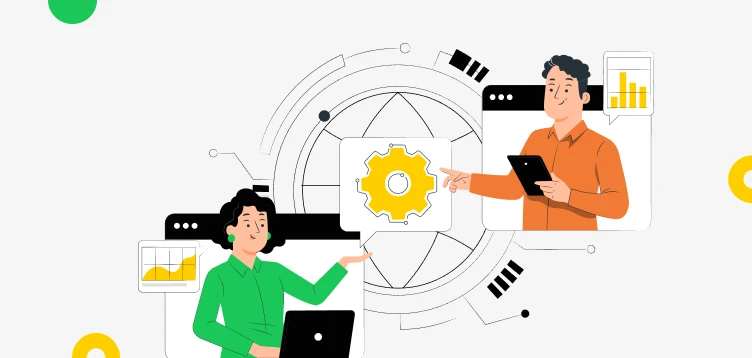
A back-end developer builds the server-side logic that powers a website behind the scenes.
Users never see this layer directly, but it handles everything from user logins to payment processing to storing and retrieving data. Back-end developers ensure that data flows securely and efficiently between the server and the front end.
Primary tools and technologies:
- Node.js, Python (Django/Flask), PHP, Java
- MySQL, PostgreSQL, MongoDB
- REST APIs, GraphQL
- AWS, Google Cloud, Azure
- Docker, Git
Core responsibilities:
- Building and managing server-side applications
- Designing and maintaining databases
- Creating and securing APIs
- Handling user authentication and data privacy
- Managing deployments and cloud infrastructure
3. Full-Stack Developer
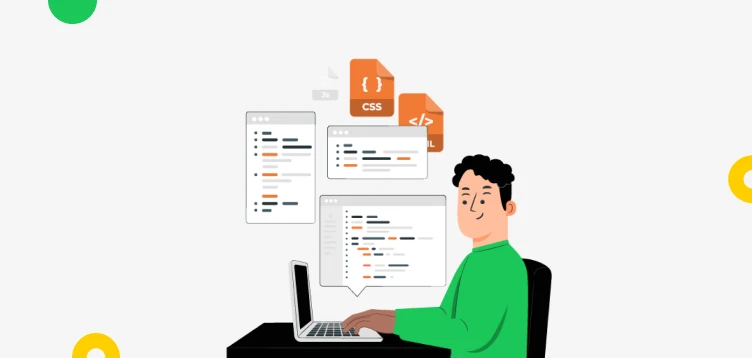
A full-stack developer works on both the front end and the back end.
They are the most versatile developers on any team and can build a complete web application independently. Full-stack developers are in high demand at startups and product companies because they reduce the need for separate specialists on smaller projects.
Primary tools and technologies:
- MERN stack (MongoDB, Express.js, React, Node.js)
- MEAN stack or Django + React
- Git, Docker, CI/CD pipelines
- TypeScript
- Cloud platforms (AWS, Vercel, Netlify)
Core responsibilities:
- Developing complete web applications end-to-end
- Making architectural decisions for web projects
- Bridging front-end and back-end teams
- Deploying and maintaining full-stack applications
- Integrating third-party services and APIs
Also Read: Key differences between a Full Stack Developer and a Software Developer
According to the 2025 Stack Overflow Developer Survey, full-stack developers represent the largest group of professional developers globally, making up over 43% of respondents. This makes full-stack development one of the most common and in-demand career paths in the tech industry.
4. Webmaster / Web Administrator
A webmaster maintains the health, performance, and uptime of live websites.
This role is most common in organisations with large, content-heavy websites where keeping the site running smoothly is a full-time job in itself.
Core responsibilities:
- Monitoring website uptime, speed, and security
- Managing user access and content permissions
- Running regular backups and security updates
- Handling domain, hosting, and server management
- Coordinating with vendors and third-party platforms
Front-End vs Back-End vs Full-Stack Developer
If you’re choosing a specialisation, this table gives you a direct comparison across the most important factors.
| Feature | Front-End | Back-End | Full-Stack |
| Primary Focus | User interface & experience | Server, databases & logic | Both front-end and back-end |
| Languages | HTML, CSS, JavaScript | Python, PHP, Node.js, SQL | All of the above |
| Frameworks | React, Vue, Angular | Django, Express, Spring | MERN, MEAN, Next.js |
| Works Closely With | Designers, UI/UX | DevOps, DBAs | Entire team |
| Learning Curve | Moderate | Moderate–High | High |
| Avg. Salary (India, Fresher) | ₹3–5 LPA | ₹4–6 LPA | ₹4–7 LPA |
| Avg. Salary (India, Senior) | ₹14–22 LPA | ₹16–25 LPA | ₹18–30 LPA+ |
| Job Market Demand (2026) | High | High | Very High |
| Best For | Visual/creative thinkers | Systems/logic thinkers | Versatile generalists |
What Are the Main Responsibilities of a Web Developer?
Regardless of specialisation, most professional web developers share these core day-to-day responsibilities.
Writing Clean, Maintainable Code
Writing code is the core of every developer’s job, but writing good code is what separates a professional from a beginner.
Good code is readable, reusable, and documented. Developers follow style guides, use version control (Git), and participate in code reviews to ensure consistent quality across the team.
This means committing to best practices like DRY (Don’t Repeat Yourself), writing comments where logic is complex, and structuring projects so other developers can pick up where you left off.
Also read: The Best Plan to Become a Web Developer in 2026
According to LinkedIn’s 2025 India Jobs on the Rise report, full-stack developer roles saw a 38% year-on-year increase in job postings, making it one of the fastest-growing tech roles in India’s startup ecosystem.
Translating Designs into Functional Websites
Web developers turn static design files into live, interactive web pages.
This involves working closely with UI/UX designers to understand visual requirements, then implementing those requirements pixel-perfectly in code. Developers must balance visual accuracy with technical performance, ensuring the final product looks great and loads fast.
Testing and Debugging
Every codebase has bugs. Professional developers build testing into their workflow from the start.
This includes writing unit tests, integration tests, and end-to-end tests using tools like Jest, Cypress, or Selenium. It also means manually testing across different browsers and devices to catch compatibility issues before they reach users.
Performance Optimisation
Page speed directly affects user experience, SEO rankings, and conversion rates.
Developers optimise websites by compressing images, implementing lazy loading, using CDNs, improving Core Web Vitals (LCP, CLS, INP), and minimising render-blocking resources. In 2026, performance optimisation also means reducing the environmental footprint of web applications.
Database and API Management
Most web applications are powered by data.
Back-end developers design and manage databases that store user data, product information, and application state. They also build and consume APIs, the communication layer that allows the front end and back end to exchange data securely and efficiently.
Security and Data Protection
Security is no longer optional; it is a core developer responsibility.
Developers must protect applications against common vulnerabilities, including SQL injection, XSS (cross-site scripting), and CSRF attacks. They implement HTTPS, manage authentication securely (JWT, OAuth 2.0), and ensure compliance with data privacy regulations like GDPR.
Staying Current with Technology
The web development landscape changes faster than almost any other field.
In 2026, developers are expected to understand AI-assisted coding tools like GitHub Copilot and Cursor, work with TypeScript in most professional environments, and increasingly understand edge computing, serverless architecture, and Web Components.
What Skills Do You Need to Become a Web Developer?
Technical Skills
Employers consistently look for the following technical skills when hiring web developers in 2026:
Foundational (required for all roles):
- HTML5 and CSS3
- JavaScript (ES6+)
- Git and GitHub
- Responsive / mobile-first design
- Basic command line/terminal
Front-End specific:
- React.js (dominant framework in 2026)
- CSS frameworks: Tailwind CSS, Bootstrap
- Web performance optimisation
- Accessibility (WCAG 2.2)
- Browser DevTools
Back-End specific:
- Node.js or Python (most in-demand in India)
- SQL databases: MySQL, PostgreSQL
- NoSQL: MongoDB
- REST API design
- Cloud basics: AWS or Google Cloud
Advanced / Full-Stack:

- TypeScript
- CI/CD pipelines (GitHub Actions)
- Docker basics
- MERN or MEAN stack
- AI tool integration (OpenAI API, LangChain)
Real-World Example: A mid-level front-end developer at a Bangalore-based fintech startup spends roughly 60% of their time writing and reviewing code, 20% in team meetings and design reviews, and 20% debugging, testing, and documenting. During sprint releases, debugging and QA time increase significantly.
Also read: The Best Plan to Become a Web Developer in 2026
Web Developer Career Path: How Do You Grow?
Web development has a clear progression ladder, but the pace at which you move depends on your skills, projects, and initiative.
| Stage | Experience | What You Do |
| Intern / Trainee | 0–6 months | Assist on tasks, learn codebase, fix minor bugs |
| Junior Developer | 0–2 years | Build features under senior guidance, write tests |
| Mid-Level Developer | 2–5 years | Own features end-to-end, mentor interns |
| Senior Developer | 5–8 years | Lead technical decisions, architect solutions |
| Lead / Principal | 8+ years | Drive team strategy, set code standards |
| Engineering Manager | 8+ years | People management + technical oversight |
| CTO / VP Engineering | 10+ years | Company-wide technical direction |
Top-paying cities for web developers in India: Bangalore → Hyderabad → Pune → Mumbai → Chennai
Company type matters too. Product-based companies (Flipkart, Razorpay, Zepto) typically pay 30–50% more than service-based companies for the same experience level
Two paths from Senior Developer:
- Technical path: Principal Engineer → Distinguished Engineer → CTO
- Management path: Tech Lead → Engineering Manager → VP Engineering
Most developers also explore freelancing or consulting at the mid-level or senior stage, with experienced full-stack freelancers in India earning ₹5,000–₹15,000 per hour for project work.
How to Become a Web Developer: Step-by-Step Roadmap
This roadmap is designed for beginners starting from zero. Follow these steps in order.
Step 1 – Learn HTML, CSS, and JavaScript (Weeks 1–8) Start with the building blocks. HTML structures content, CSS styles it, and JavaScript makes it interactive. Focus on fundamentals before moving to frameworks.
Step 2 – Choose Your Specialisation (Week 8–10). Decide early: front-end, back-end, or full-stack. Most beginners in India benefit from starting with full-stack as it gives the broadest job opportunities.
Step 3 – Learn a Core Framework (Weeks 10–20). For front-end: learn React. For back-end: learn Node.js or Python/Django. For full-stack: learn the MERN stack (MongoDB, Express, React, Node.js).
Step 4 – Master Git and GitHub (Week 12 onwards). Every professional developer uses Git daily. Learn branching, pull requests, and collaboration workflows. Employers look at your GitHub profile directly.
Step 5 – Build 3 Real Projects (Months 4–8). Projects matter more than certificates. Build a personal portfolio website, a full-stack CRUD application, and one project that solves a real problem (e.g., a task tracker, a weather app with an API).
Step 6 – Apply for Internships or Freelance Work (Month 6 onwards). Start applying early, even with limited skills. Internships and freelance projects give you real-world experience that no course can replicate.
Step 7 – Keep Upskilling (Ongoing) Add TypeScript, learn Docker basics, explore cloud deployment, and stay updated with AI development tools like GitHub Copilot.
Kickstart your Full Stack Development journey by enrolling in HCL GUVI’s certified Full Stack Development Career Program with Placement Assistance where you will master the MERN stack (MongoDB, Express.js, React, Node.js) and build interesting real-life projects. This program is crafted by our team of experts to help you upskill and assist you in placements.
Alternatively, if you want to explore JavaScript through a self-paced course, try HCL GUVI’s JavaScript self-paced course.
Common Mistakes Beginners Make
1. Learning too many languages at once. Many beginners try to learn Python, Java, JavaScript, and PHP simultaneously. This creates shallow knowledge across all of them. Pick one language and go deep. JavaScript is the best starting point for web development.
2. Skipping the fundamentals to jump into frameworks. Jumping straight into React without understanding core JavaScript is one of the most common beginner mistakes. You’ll struggle with debugging and logic. Spend 6–8 weeks on JavaScript before touching any framework.
3. Building only tutorial projects. Following tutorials gives you a false sense of progress. The real learning happens when you build something from scratch without step-by-step instructions. Finish tutorials, then immediately rebuild the project on your own.
4. Ignoring version control (Git). Many beginners delay learning Git, treating it as optional. It isn’t. Every professional development team uses Git. Start committing your code to GitHub from week one; employers check your GitHub profile directly.
5. Not testing their code. Writing code without tests leads to fragile applications. Get into the habit of writing basic unit tests early. You don’t need to become a testing expert immediately, but knowing how to test your own work is a baseline professional skill.
Conclusion
Web development in 2026 is a high-demand, high-growth career with clear entry paths and strong earning potential.
The roles and responsibilities of a web developer go well beyond writing code, they include collaboration, testing, security, and continuous learning. Whether you start with front-end, back-end, or full-stack development, the fundamentals remain the same: master HTML, CSS, and JavaScript first, build real projects, and stay consistent.
Conclusion
Now that you have a complete understanding of the roles and responsibilities of web developers, it’s time to start upskilling in both the technical and the soft skills to be eligible to crack a good job.
Try to gain job experience and various other skills by joining various web development internships, learning from online courses to gain professional certifications, or building personal projects to hone your skills.
Launch your web development career within 3 months under expert guidance and Skill India certification.
Frequently Asked Questions
-
1. What does a web developer do?
A web developer builds, tests, and maintains websites and web applications by writing code, improving performance, fixing issues, and creating user-friendly digital experiences.
-
2. What is the difference between a front-end and back-end developer?
A front-end developer builds the user interface, while a back-end developer manages servers, databases, APIs, and application logic. A full-stack developer handles both.
-
3. What skills are required to become a web developer in 2026?
Web developers need HTML, CSS, JavaScript, Git, responsive design, frameworks, databases, APIs, and knowledge of AI tools, cloud platforms, and modern development practices.
-
4. How long does it take to become a web developer?
It takes around 3–6 months to learn basics and 6–12 months to become job-ready with projects, practice, and a portfolio.
-
5. Can I become a web developer without a degree?
Yes. Many employers value coding skills, projects, and practical experience over a formal degree.
-
6. What is the salary of a web developer in India in 2026?
Web developer salaries in India range from around ₹3–7 LPA for freshers, ₹7–15 LPA for mid-level developers, and ₹18–30 LPA+ for experienced professionals.
-
7. Is web development a good career in 2026?
Yes. Demand remains strong due to the growth of websites, web apps, e-commerce, cloud platforms, and AI-powered products.
-
8. Which programming language should a beginner web developer learn first?
Beginners should start with HTML, CSS, and JavaScript, then learn frameworks like React and backend technologies like Node.js or Python.
-
9. What is the difference between a web developer and a web designer?
A web designer creates the visual layout and user experience, while a web developer turns those designs into functional websites.
-
10. What is a full-stack developer?
A full-stack developer works on both front-end and back-end development, including interfaces, servers, databases, and APIs.
-
11. What tools do web developers use?
Common tools include Visual Studio Code, Git, GitHub, React, Node.js, databases, browser developer tools, and cloud platforms.
-
12. Is web development hard for beginners?
Web development is beginner-friendly when learned step-by-step through coding practice and real-world projects.
-
13. What projects should a beginner web developer build?
Beginners can build portfolios, landing pages, blogs, e-commerce sites, weather apps, task apps, and full-stack projects.
-
14. Will AI replace web developers?
AI will assist developers with coding and automation, but human developers are still needed for creativity, problem-solving, security, and application design.
-
15. What is the future of web development?
The future of web development includes AI integration, cloud-based applications, automation, and demand for skilled full-stack developers.
Success Stories

About the Author
Salini Balasubramaniam
A curious, information-savvy writer loves to turn deep insights into authentic and engaging content that connects. With experience in writing for brands and driving audience engagement, I believe that words can make a powerful difference.
View all posts by Salini Balasubramaniam
Connect with me @

























Did you enjoy this article?