


Data Science Articles
Serializability in DBMS: A Detailed Guide
How to Rename a Column in SQL: A Beginner's Step-by-Step Guide
Best Power BI Course With Certificate: Top Options for Beginners

Get In Touch For Details! Request More Information

Role of Data Science in Modern Analytics
Nov 06, 2025 6 Min Read 721 Views
(Last Updated)
Think about it: what if a business could predict what customers want before they even ask? Or spot hidden patterns in messy data? Or improve how things run in real time? That’s exactly what data science makes possible.
In today’s fast-paced digital world, data is no longer just numbers; it’s the lifeblood of business decisions. Modern analytics powered by data science allows organizations to turn mountains of raw data into meaningful insights that drive growth, innovation, and efficiency.
From building models that forecast the future to recognizing patterns and making decisions backed by data, companies that use data science aren’t just keeping up, they’re leading the way! . In this article, we’ll explore the key roles that data science plays in modern analytics and how it’s helping organizations make smarter, quicker, and more powerful choices.
Table of contents
- Why Data Science Matters in Modern Analytics?
- Key Roles Of Data Science in Modern Analytics
- Data Integration and Management
- Pattern Discovery and Insight Generation
- Predictive Analytics and Forecasting
- Decision Support and Process Optimization
- Customer Personalization and Experience Enhancement
- Automation and Real-Time Analytics
- Tools Used in Modern Analytics
- Real World Applications of Data Science in Modern Analytics
- Challenges in Modern Analytics
- Future Of Data Science in Analytics
- Conclusion
- FAQ’S
- Q1. How does predictive modeling work in modern analytics?
- Q2. How does data science enable automation in analytics?
- Q3. Why is real-time analytics important for businesses?
- Q4. How can data science help in identifying hidden patterns?
- Q5. How does data science support smarter decision-making?
Why Data Science Matters in Modern Analytics?
Before we dive into the specific roles, let’s take a step back and understand why data science has become such a critical part of modern analytics.
Data is everywhere – every click, every purchase, and interaction generates it. But without the right tools, it’s just noise. Data Science transforms that noise into knowledge and that knowledge into meaningful insights.
Traditional analytics mostly looked at the past. It created reports and dashboards that described what already happened, but didn’t offer much help for future decisions. Data science changes that. It helps businesses move from looking back to looking ahead, making smarter, faster, and more confident choices.
Here’s how it plays out in real life:
- An e-commerce site can recommend products a customer is likely to buy, boosting sales and engagement
- A hospital can identify high-risk patients early and offer preventive care before emergencies strike.
In short, data science turns raw data into a strategic edge. It helps businesses move faster, think smarter, and make decisions that truly drive success.
Kickstart your Data Science journey! Join HCL GUVI’s free 5-day Email Course and learn how to analyze, visualize, and apply data to solve real-world problems—one day at a time.
Key Roles Of Data Science in Modern Analytics
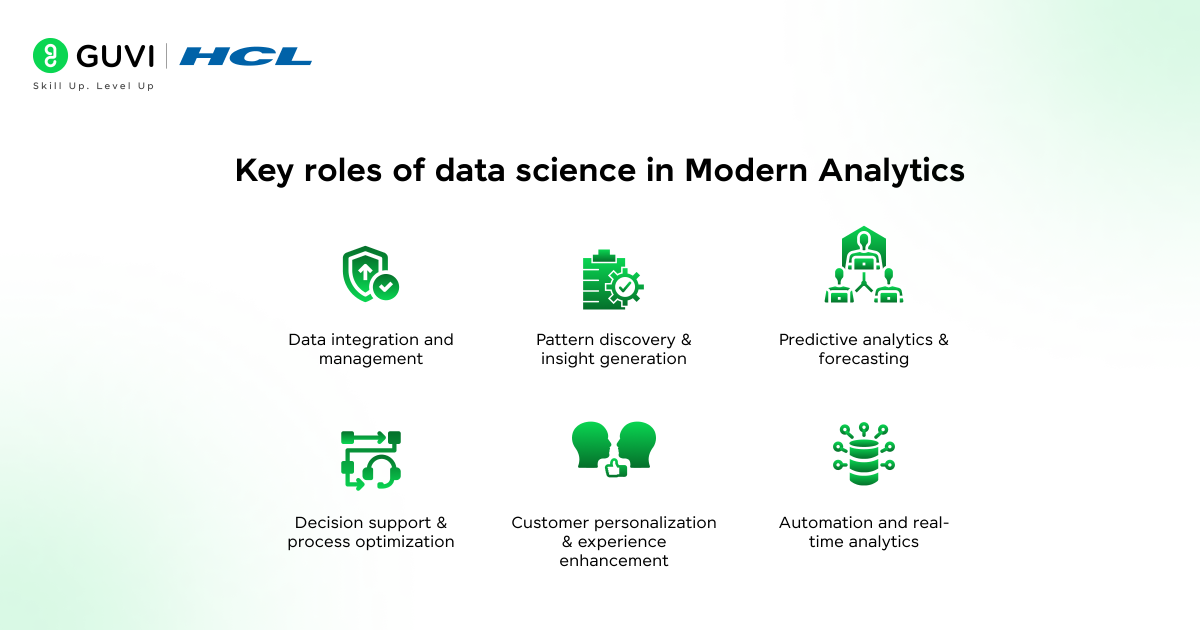
Now that we know why data science is so important for modern analytics, let’s look at the key roles it plays. From organizing large amounts of data to predicting future trends and helping businesses make smarter decisions, data science is at the heart of driving success in today’s data-driven world.
1. Data Integration and Management
Imagine trying to make sense of thousands of pieces of a puzzle scattered across different rooms – this is what data looks like without integration and management.
Every organization generates massive amounts of data, from sales records and customer interactions to social media activity and IoT devices. On their own, these data points are scattered and hard to interpret. This is where data integration and management come in. By bringing data together into a single, organized system and ensuring it is accurate, clean, and consistent. Once the data is properly organized, it becomes easier to work with.
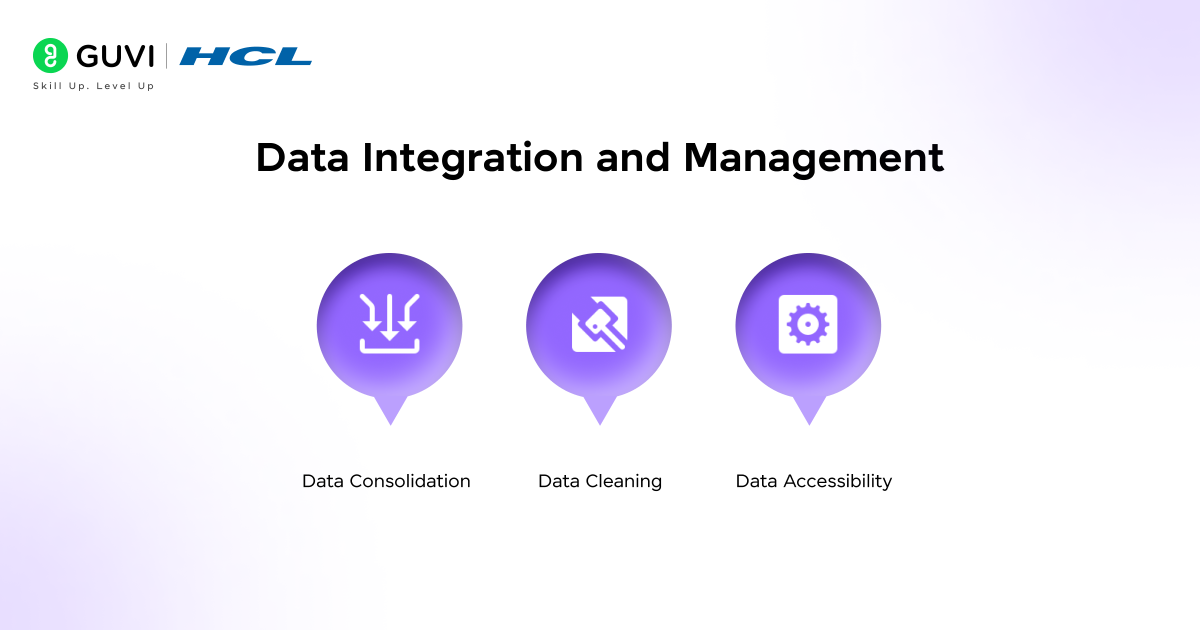
Key aspects of this process include:
- Data Consolidation: Combining information from multiple sources to provide a unified view.
- Data Cleaning: Removing errors, duplicates, and inconsistencies to ensure reliability.
- Data Accessibility: Structuring data so it can be easily accessed and analyzed by teams and analytical tools.
Example – A retail company can combine online and in-store sales data to understand overall customer behavior. Similarly, a logistics firm can integrate sensor, GPS, and inventory data to optimize delivery routes and reduce delays.
Ultimately, proper data integration and management transform messy data into actionable insights. It ensures that analytics is reliable, decisions are informed, and organizations can respond confidently to challenges and opportunities.

2. Pattern Discovery and Insight Generation
Data alone doesn’t tell the whole story; its true power comes from uncovering hidden patterns and insights. Once data is organized and managed, the next step is to explore it for meaningful trends and relationships. Pattern discovery involves analyzing datasets to identify correlations, anomalies, and recurring behaviors that may not be immediately obvious. These insights help businesses understand customer behavior, detect market shifts, and uncover performance opportunities that would otherwise go unnoticed.
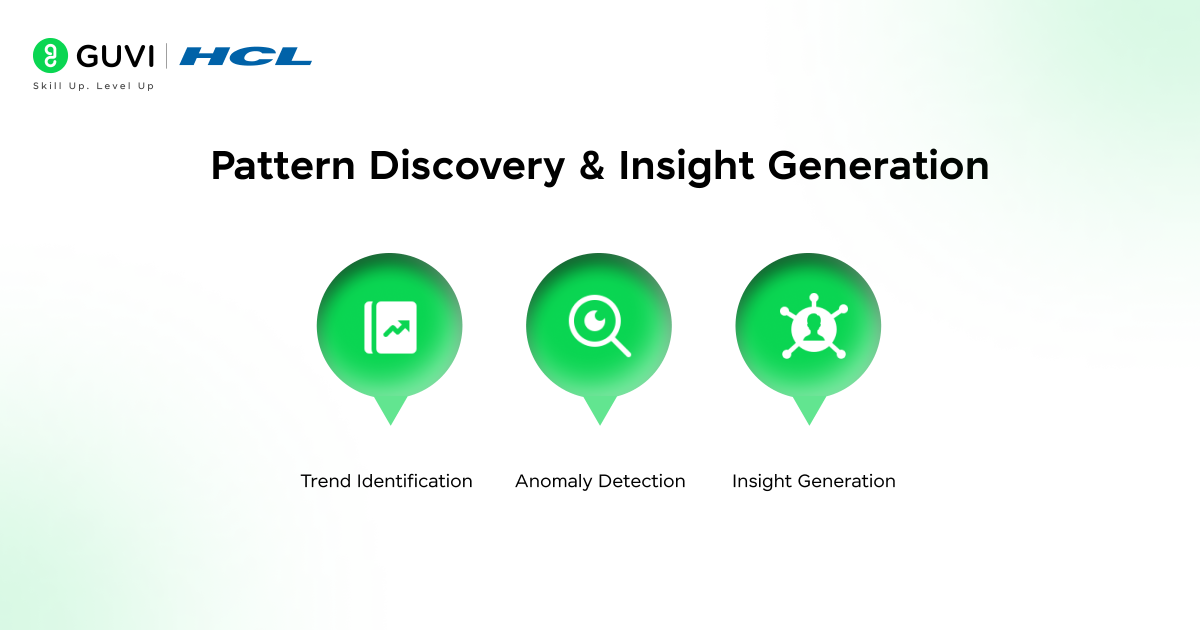
Key elements of this role include:
- Trend Identification: Spotting recurring patterns or behaviors over time.
- Anomaly Detection: Recognizing unusual data points or events that may indicate risk or opportunity.
- Insight Generation: Translating patterns into actionable recommendations for decision-makers.
Example – A streaming platform like Netflix can look at what shows or movies a user watches and identify patterns in their preferences. Based on this, it can recommend new shows the user is likely to enjoy. Similarly, banks can analyze transaction patterns to spot unusual activity that might indicate fraud.
By discovering patterns and generating insights, organizations can make informed, proactive decisions, rather than relying on assumptions or incomplete information.
3. Predictive Analytics and Forecasting
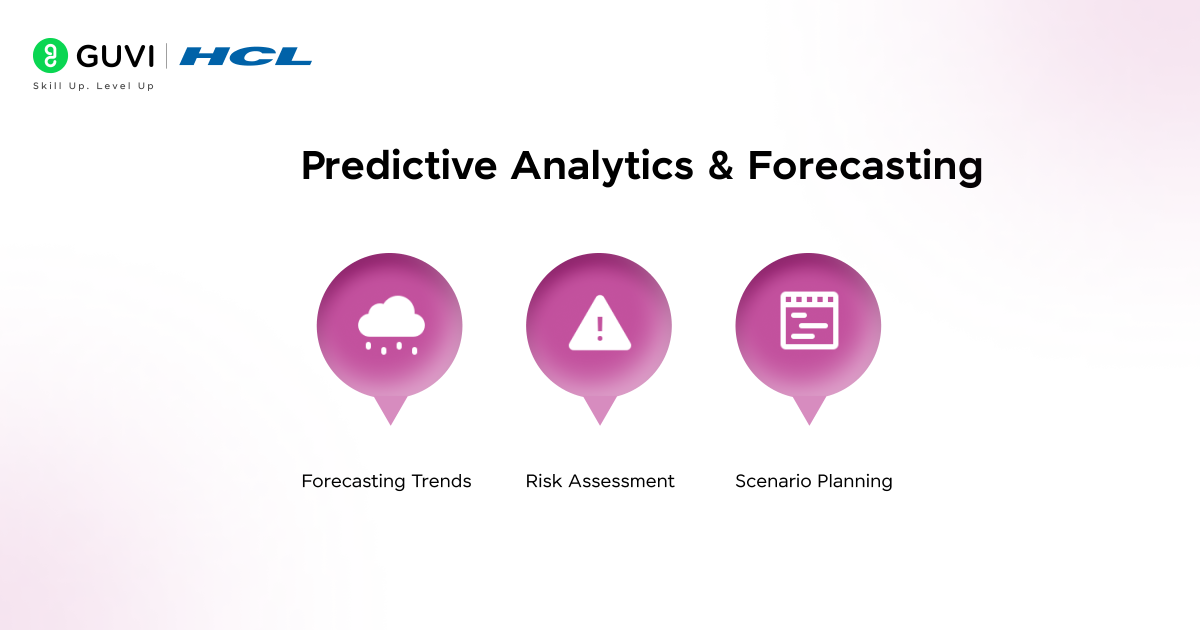
Have you ever wondered how Netflix seems to know what you want to watch next? That’s predictive analytics at work. By analyzing past behavior, organizations can anticipate what is likely to happen in the future and make smarter decisions.
Predictive analytics uses historical data to forecast trends, customer needs, or potential risks. Instead of reacting after the fact, businesses can plan and stay proactive.
Key aspects include:
- Forecasting Trends: Predicting future outcomes based on past patterns.
- Risk Assessment: Identifying potential problems before they occur.
- Scenario Planning: Preparing for multiple possible outcomes to make informed decisions.
Example – Netflix tracks your viewing history and compares it with similar users to suggest shows or movies you might enjoy next. Similarly, ride-sharing apps like Uber or Ola predict areas of high demand at certain times, helping drivers position themselves efficiently and reducing wait times for customers.
By leveraging predictive analytics, organizations can stay one step ahead, meet customer needs proactively, and optimize their operations.
4. Decision Support and Process Optimization
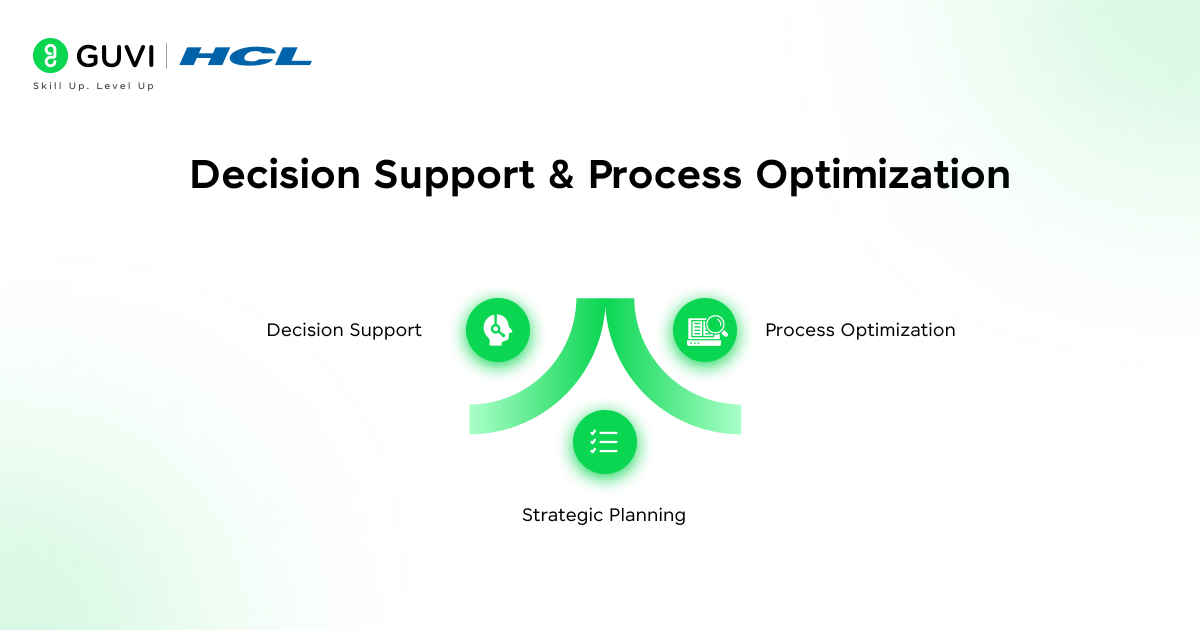
Ever wondered how Google Maps always seems to suggest the fastest route during rush hour?” That’s decision support and process optimization in action. Data science doesn’t just analyze information; it helps organizations make better decisions and improve how things run.
This role focuses on providing data-backed recommendations and optimizing processes for efficiency. By turning insights into actionable strategies, businesses can make faster, smarter choices that improve outcomes and reduce waste.
Key aspects include:
- Decision Support: Offering clear, evidence-based guidance to help leaders make informed choices.
- Process Optimization: Improving workflows, resource allocation, and operations to maximize efficiency.
- Strategic Planning: Using data insights to guide long-term business strategies.
Example – Apps like Google Maps analyze traffic patterns in real time and suggest the quickest routes, helping millions of users save time. Similarly, restaurants use data to plan staff schedules and stock the right amount of food based on how many customers are expected, making operations run more smoothly.
By applying decision support and process optimization, organizations can enhance performance, reduce costs, and make confident, timely decisions.
5. Customer Personalization and Experience Enhancement
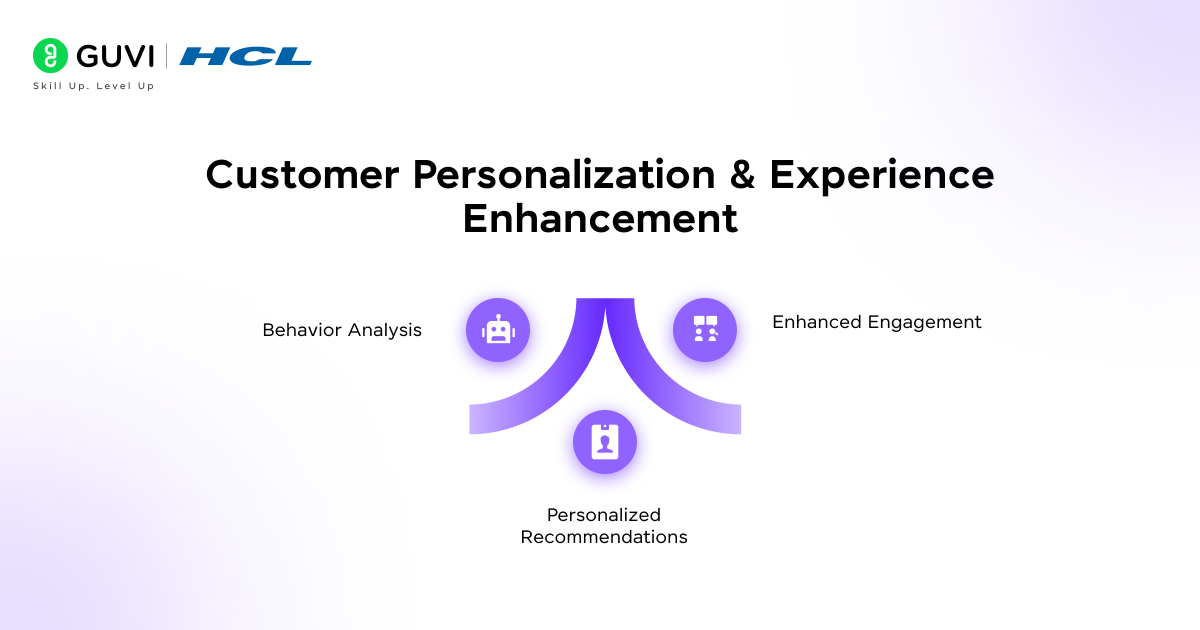
Spotify seems to know exactly what music you want to hear next, and this is data science at work, tailoring experiences based on your preferences. By analyzing what you listen to, skip, or save, platforms like Spotify can understand your likes and deliver content that feels personal.
Customer personalization uses data to understand individual behavior and provide experiences that are relevant and engaging. Businesses can apply this to product recommendations, targeted marketing, and content delivery to connect with users in meaningful ways.
Key aspects include:
- Behavior Analysis: Understanding how customers interact with products or services.
- Personalized Recommendations: Suggesting content, products, or services based on individual preferences.
- Enhanced Engagement: Creating experiences that increase customer satisfaction and loyalty.
Example – Spotify curates playlists based on your listening history, helping you discover new songs you’ll enjoy. Similarly, Amazon recommends products based on your browsing and purchase patterns, making it easier for you to find items you want.
By leveraging personalization, organizations can improve customer satisfaction, strengthen loyalty, and drive higher engagement and sales.
6. Automation and Real-Time Analytics
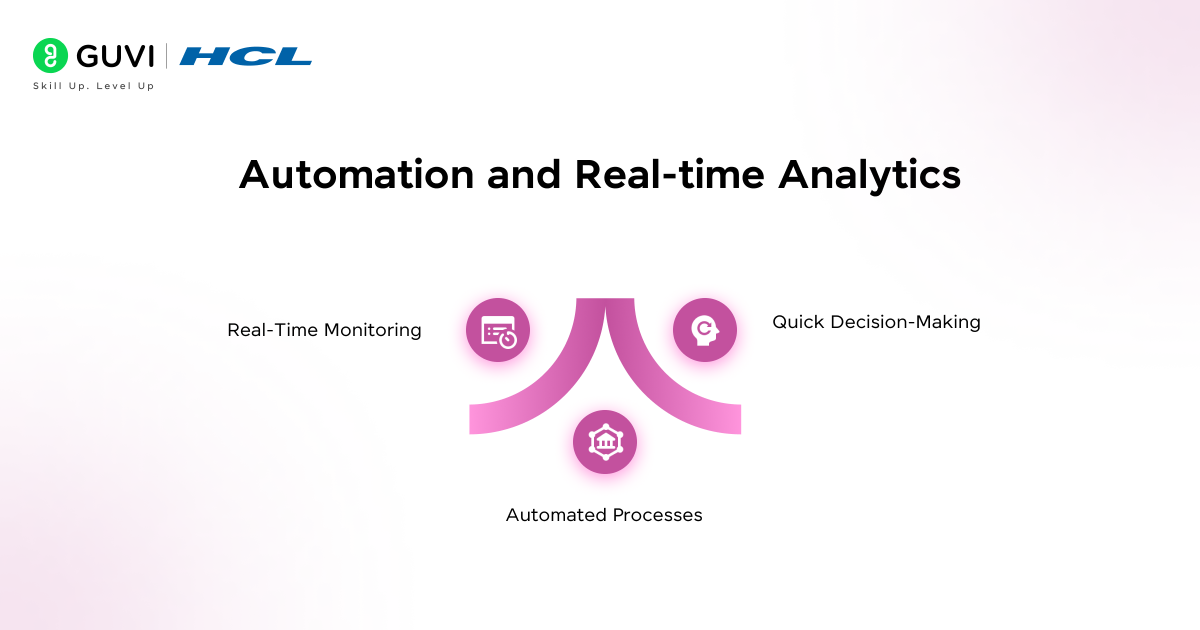
Ever notice how Google Maps updates instantly when traffic changes? That’s the power of real-time analytics combined with automation. Data science allows organizations to monitor live data and respond immediately, improving efficiency and accuracy.
Automation and real-time analytics help businesses act on data as it’s generated. This means repetitive tasks can be handled by machines, while insights from live data enable quick decisions and faster responses to changing conditions.
Key aspects include:
- Real-Time Monitoring: Observing data as it is generated to identify trends or issues immediately.
- Automated Processes: Using intelligent systems to handle repetitive or routine tasks.
- Quick Decision-Making: Enabling faster responses to events and minimizing human error.
Example – Ride-sharing apps like Uber adjust pricing and driver availability in real time based on demand patterns. Similarly, online retailers can automatically update inventory and recommend products to users as they browse, ensuring smooth operations and a better customer experience.
By leveraging automation and real-time analytics, organizations can increase efficiency, reduce errors, and stay agile in a fast-paced environment.
Tools Used in Modern Analytics
Data is only as powerful as the tools used to analyze it. Modern analytics relies on tools that help organizations process, visualize, and extract insights efficiently.
Key Tools:
- Programming: Python, R for analysis and modeling.
- Databases: SQL, NoSQL, BigQuery for managing data.
- Visualization: Tableau, Power BI for dashboards.
- Big Data Platforms: Hadoop, Spark, AWS, Azure for large-scale data.
- AI & ML: TensorFlow, PyTorch, Scikit-learn for predictions and automation.
Example – A marketing team might use Python to analyze customer behavior and Tableau to visualize trends, enabling faster and smarter decisions.
With the right tools, organizations can analyze data quickly, predict outcomes, and communicate insights effectively.
Level up your Python skills! Grab HCL GUVI’s free Python eBook – A Beginner’s Guide to Coding & Beyond and master Python with easy examples, hands-on projects, and real-world tips.
Real World Applications of Data Science in Modern Analytics
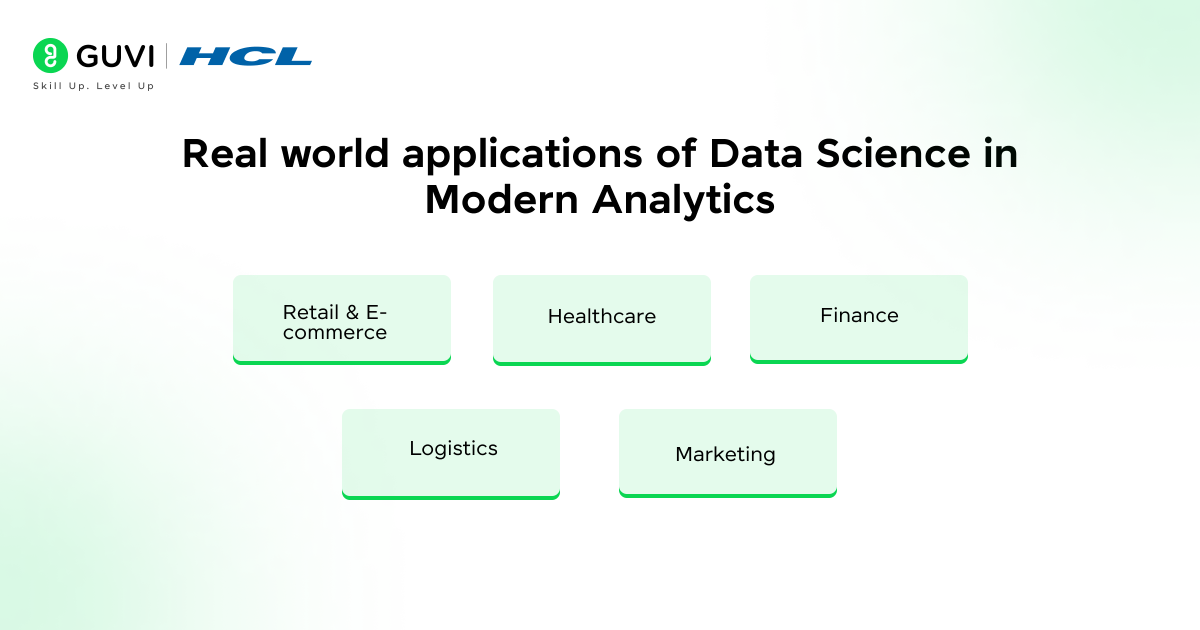
Modern analytics powered by data science is transforming industries everywhere, not just tech companies. From improving operations to enhancing customer experiences, its applications span across sectors, helping organizations make smarter decisions.
Key Applications:
- Retail & E-commerce: Personalized recommendations, inventory management, demand forecasting.
- Healthcare: Predicting patient outcomes, disease diagnosis, and resource planning.
- Finance: Fraud detection, credit scoring, and investment analysis.
- Logistics: Route optimization, supply chain monitoring, predictive maintenance.
- Marketing: Customer segmentation, campaign performance tracking, sentiment analysis.
By applying data science, organizations can improve efficiency, enhance customer satisfaction, and make informed, proactive decisions across industries.
Challenges in Modern Analytics
Working with data sounds powerful, but it comes with its own set of hurdles. While data science drives smarter decisions, organizations often face challenges in implementing modern analytics effectively.
Key Challenges:
- Data Quality: Inaccurate, incomplete, or inconsistent data can lead to flawed insights.
- Data Privacy & Security: Handling sensitive customer information safely is critical.
- Integration Complexity: Combining data from multiple sources can be difficult.
- Skills Gap: A shortage of qualified data scientists and analysts can limit analytics potential.
Overcoming these challenges is essential for organizations to fully leverage modern analytics and make data-driven decisions confidently.
Future Of Data Science in Analytics
Modern analytics is evolving rapidly, and data science is at the heart of its future.” Emerging technologies and advanced techniques are making analytics faster, smarter, and more predictive than ever.
Key Trends:
- AI & Machine Learning: Smarter predictions and automated insights.
- Self-Service Analytics: Enabling non-technical users to explore data easily.
- Predictive & Prescriptive Analytics: Suggesting the best actions, not just analyzing trends.
- Real-Time Decision-Making: Immediate insights to respond to changing conditions.
Organizations that embrace these advancements can stay competitive, make proactive decisions, and unlock new growth opportunities.
To take your understanding of data science in modern analytics to the next level, HCL GUVI’s Data Science Course is designed to build practical skills for the future. Covering Python, R, machine learning, data visualization, and tools like Tableau, Power BI, MongoDB, and TensorFlow, the course equips you with hands-on experience and an IIT-Madras certification, helping you apply data science effectively in real-world analytics.
Conclusion
Data science is no longer optional , it’s essential for modern analytics.By turning raw data into actionable insights, it enables organizations to make smarter, faster, and more confident decisions.
From improving customer experiences to optimizing operations across industries, the impact of data science is far-reaching. Organizations that effectively leverage modern analytics can reduce risks, enhance efficiency, and unlock new opportunities for growth.
FAQ’S
Q1. How does predictive modeling work in modern analytics?
Predictive modeling uses historical data and machine learning algorithms to forecast future outcomes, such as sales trends, customer churn, or equipment failures.
Q2. How does data science enable automation in analytics?
Data science powers automated systems to handle repetitive tasks, like data cleaning, anomaly detection, and report generation, saving time and reducing errors.
Q3. Why is real-time analytics important for businesses?
Real-time analytics allows organizations to monitor live data and respond immediately to events, such as adjusting inventory, detecting fraud, or optimizing website performance.
Q4. How can data science help in identifying hidden patterns?
By analyzing large datasets, data science uncovers trends, correlations, and anomalies that are not obvious, helping organizations make proactive decisions.
Q5. How does data science support smarter decision-making?
It provides decision-makers with data-backed insights, enabling faster, more confident, and optimized choices rather than relying on intuition alone.
Success Stories

About the Author
Jebasta
I translate the language of data into stories that anyone can understand. As a writer with a data science background, I simplify analytics, AI, and decision-making so beginners and enthusiasts can confidently explore the world of data.
View all posts by Jebasta
Connect with me @











Did you enjoy this article?