


Data Science Articles
Time Series Forecasting with Prophet: A Hands-On Guide
Feature Engineering Techniques That Boost Model Accuracy
Who Is a Data Scientist? Roles, Skills, and Career Path
Azure Data Engineer Roadmap: A Step-by-Step Guide to Becoming an Azure Data Engineer

Get In Touch For Details! Request More Information
How to Become a Data Strategist in 2026
Feb 13, 2026 7 Min Read 1417 Views
(Last Updated)
Imagine being the person who turns vast amounts of scattered data into a roadmap that drives business growth. While others focus on collecting numbers, a data strategist sees the bigger picture – identifying patterns, guiding decisions, and shaping strategies that define success.
In 2026, data is no longer just an operational asset; it’s the lifeline of competitive strategy. Every organization, from startups to global enterprises, depends on experts who can interpret and apply data-driven insights effectively. This blog explores who a data strategist is, the skills and tools you’ll need, how to build projects and a strong portfolio, and the certifications that can boost your credibility. You’ll also learn about the best platforms to apply for jobs, the roles and salaries you can expect, and the future trends shaping this exciting career path.
Table of contents
- Roadmap to Becoming a Data Strategist
- Who is a Data Strategist ?
- Why Becoming a Data Strategist Matters in 2026
- Skills Required to Become a Data Strategist
- 1 Fundamental Skills
- 2 Advanced Skills
- Key Roles and Responsibilities Of a Data Strategist in 2026
- 1 Data Integration and Management
- 2 Pattern Discovery and Insight Generation
- 3 Business Alignment and Strategic Planning
- 4 Data Storytelling and Communication
- 5 Ethical Analytics and Responsible Strategy
- Tools and Technologies to Master
- Build Projects that Turn Data Into Real Results
- 1 Beginner Projects
- 2 Advanced Projects
- Build a Portfolio That Gets You Hired
- Relevant Certifications To Boost Credibility
- Where To Apply For Jobs
- Roles Offered To a Data Strategist (With Salary)
- Future Trends In Data Strategy
- Conclusion
- FAQs
- Q1. Do I need coding experience to become a data strategist?
- Q2. How is a data strategist different from a data scientist?
- Q3. What industries are hiring data strategists the most?
- Q4. What’s the biggest skill gap for new data strategists?
- Q5. Can automation replace the need for data strategists?
Roadmap to Becoming a Data Strategist
Becoming a data strategist isn’t about learning everything overnight; it’s a journey that blends technical skills, business knowledge, and strategic thinking. Here’s a step-by-step roadmap that walks you through what it takes to grow in this field and what each stage of your learning path will cover.
- Understanding who is a data strategist
- Understanding why a data strategist is important
- The skills required to become a data strategist
- The key roles and responsibilities of a data strategist
- The tools and technologies to master
- Demonstrating the learnings through projects
- Building a strong portfolio
- Validating our learnings through recognized certifications
- Knowing where to apply for jobs
This blog will take you through each stage of this roadmap, from understanding the role and skills of a data strategist to exploring the essential tools, certifications, and real-world projects that shape your expertise. You’ll also discover the different career roles a data strategist can pursue, the expected salary range for both freshers and experienced professionals, and the emerging future trends that make this career one of the most promising in the data-driven world.
1. Who is a Data Strategist ?
Let’s start with understanding who a data strategist.
Every great business decision begins with a clear understanding of data — and the person leading that transformation is the data strategist. A data strategist acts as the bridge between analytics and action. They ensure that every data initiative directly supports the company’s long-term objectives. Instead of just analyzing numbers, they interpret what those numbers mean for business growth and decision-making.
Their role goes beyond just finding insights; it’s about asking the right questions, setting clear goals, and making sure data-driven plans create real business results. They work closely with data scientists, analysts, and company leaders to turn technical data into practical actions. Whether it’s spotting market trends or improving how customers interact with a brand, a data strategist helps turn information into smart strategies that drive growth.
Example: In a streaming company, a data strategist might analyze viewer preferences to recommend new content categories that boost user engagement and subscriptions.
2. Why Becoming a Data Strategist Matters in 2026
In today’s connected world, businesses generate a flood of information every second—from customer clicks and transactions to IoT sensory data. Yet without strategic direction, this data remains meaningless. That’s where a data strategist steps in.
The demand for data strategists is rising because companies now want professionals who can bridge analytics and business intelligence. They don’t just report numbers—they align them with goals, predict trends, and help organizations act on insights in real time.
Building your foundation in analytics can start small. You can begin with HCL GUVI’s Free 5-Day Data Science Email Series, a practical and interactive introduction to analytics, visualization, and storytelling designed for beginners who want to explore how data drives business decisions.
3. Skills Required to Become a Data Strategist
Every great data strategist starts with the right skill mix — a balance of technical knowledge, business insight, and strategic thinking. These skills grow from mastering the basics to developing advanced abilities that shape real business impact.
3.1 Fundamental Skills
- Data handling tools: Learn tools like Excel and SQL to collect, clean, and organize data efficiently. These are the starting points for working with datasets of any size.
- Data interpretation: Understand basic statistics and trend analysis to make sense of what the data is showing. This helps in spotting patterns and drawing meaningful conclusions.
- Business understanding: Learn how to connect data insights with business goals. It’s not just about numbers, it’s about understanding what those numbers mean.
- Communication skills: Develop the ability to present data insights in simple terms so that even a non-technical person can easily understand them.
- Analytical thinking: Learn to study raw data carefully and find clear, practical steps that can help a business grow or solve problems.

3.2 Advanced Skills
- Machine learning basics: Understand how predictive models work and how they can help forecast trends or customer behavior.
- Data visualization: Learn tools like Tableau, Power BI, or Looker to present complex data in easy-to-study visual dashboards.
- Data governance: Gain knowledge of privacy laws, compliance standards, and ethical data practices to maintain trust and integrity.
- Strategic planning: Plan and organize data projects so they match the company’s long-term goals.
- Storytelling with data: Turn data and numbers into simple, engaging stories that help people understand insights and make better decisions.
4. Key Roles and Responsibilities Of a Data Strategist in 2026
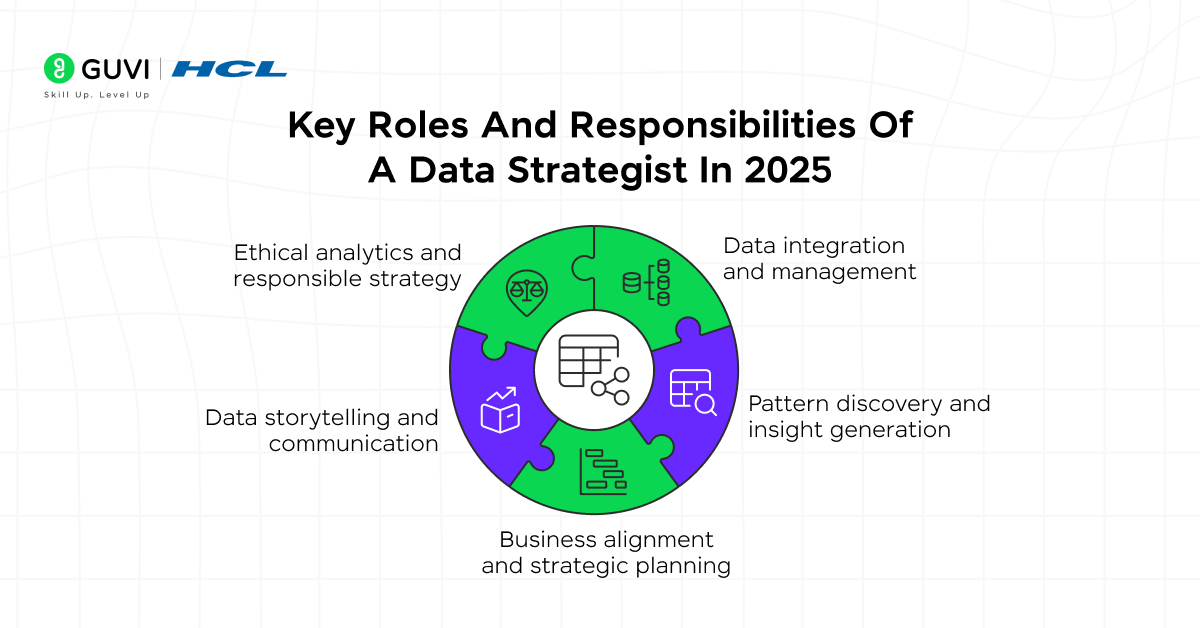
A data strategist wears many hats – data analyst, communicator, and business advisor. Each role contributes to turning information into strategy. Let’s explore the most important ones.
4.1 Data Integration and Management
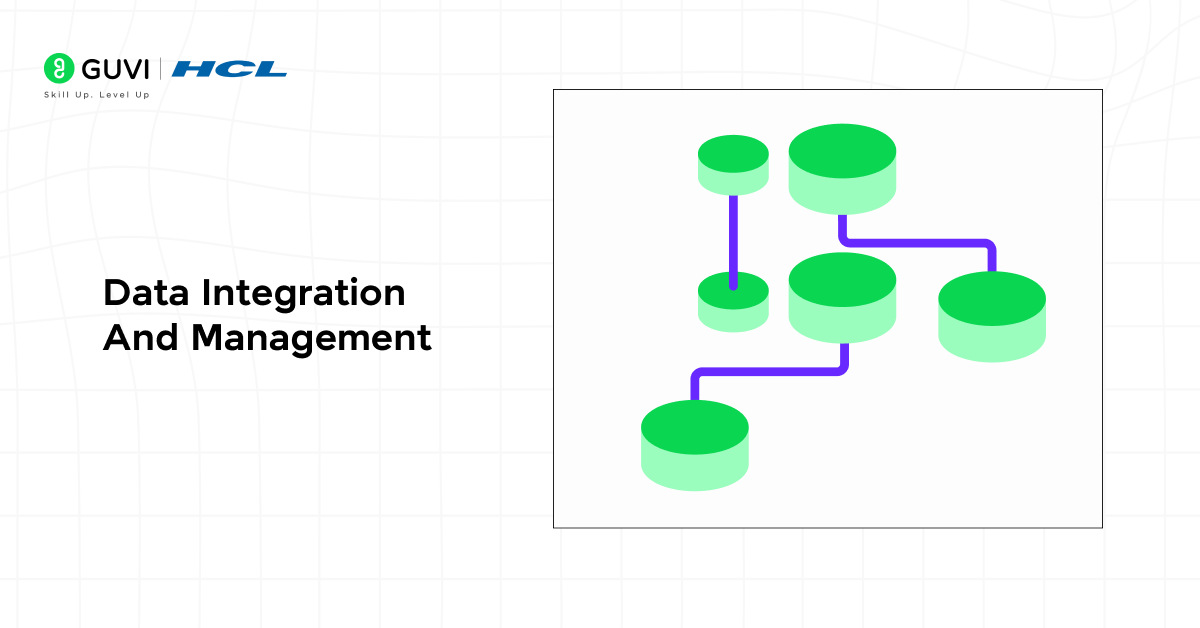
Every powerful insight starts with organized, high-quality data. Think of it like building a skyscraper—you can’t construct the upper floors without a solid foundation. Similarly, without clean, structured, and unified data, no strategy can stand strong.
A data strategist ensures that data from various systems, such as CRM platforms, sensors, and marketing tools, flows seamlessly into one accessible structure. This not only saves time but also ensures accuracy and consistency across departments. A well-integrated data ecosystem makes analytics reliable and actionable.
Key Aspects:
- Combining data from multiple sources into a unified system
- Applying proper data cleaning techniques to remove errors and inconsistencies
- Ensuring data is easily accessible to analytics and business teams
Example: A logistics company merges GPS, sales, and warehouse data to analyze route performance and optimize delivery operations—turning fragmented information into smart decisions.
4.2 Pattern Discovery and Insight Generation
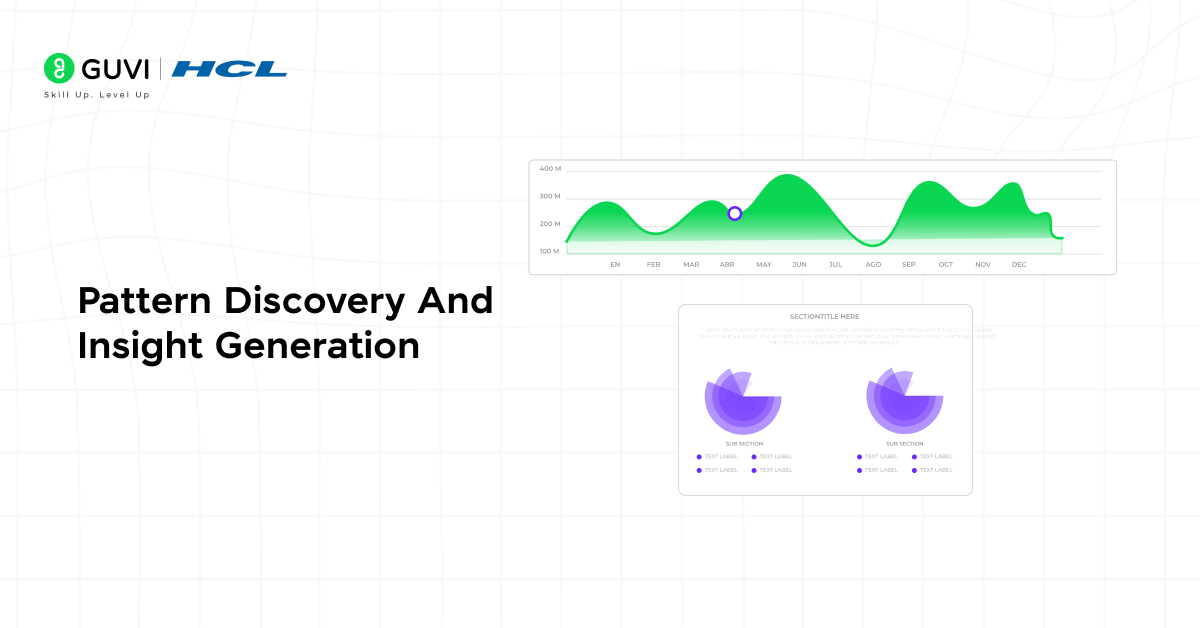
Finding meaning in numbers requires curiosity and analysis. A skilled data strategist doesn’t just read reports; they uncover stories hidden in data. By identifying trends and outliers, strategists help organizations predict customer behavior, detect inefficiencies, and adapt faster than competitors.
This process involves exploring relationships and patterns through statistical methods and correlation analysis. It’s about transforming raw numbers into understanding that drives business outcomes.
Key Aspects:
- Recognizing recurring trends and unusual patterns
- Performing cluster analysis and identifying anomalies
- Translating analytical findings into actionable insights
Example: A streaming platform studies viewing history and identifies peak activity times, helping marketing teams plan content releases for maximum engagement.
4.3 Business Alignment and Strategic Planning
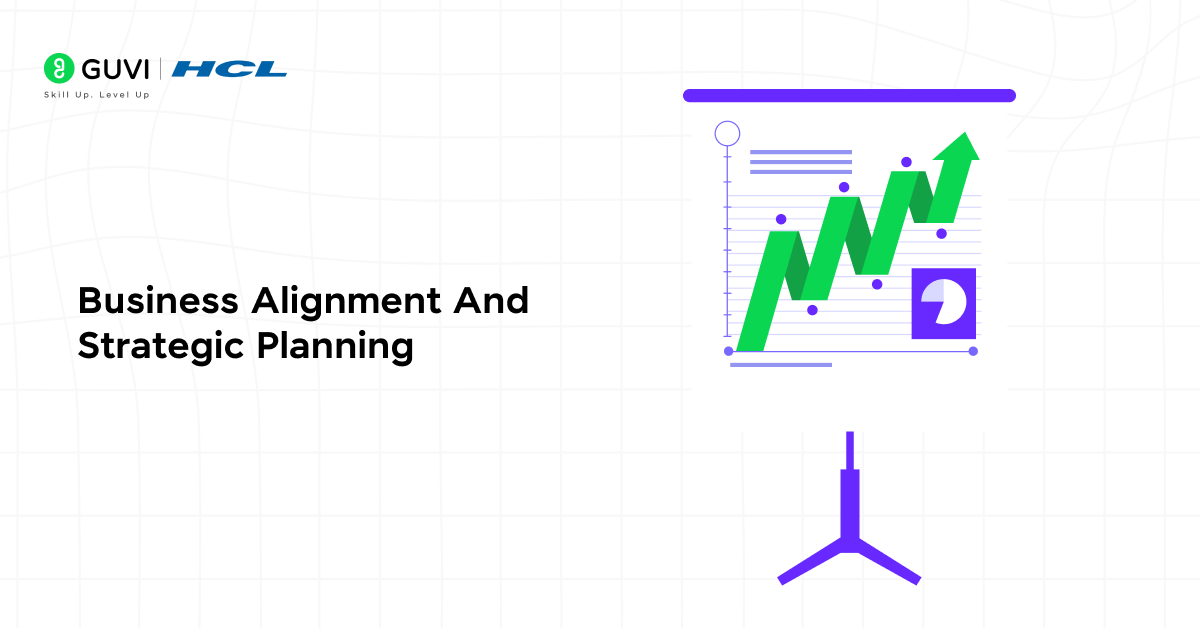
Data becomes valuable only when it supports business goals. A strategist connects analytics with organizational priorities, ensuring insights lead to measurable outcomes. They work closely with decision-makers to translate technical analysis into actionable strategies that drive growth, reduce costs, or improve customer satisfaction. Understanding the relationship between business intelligence and analytics is key to developing strategic alignment.
Key Aspects:
- Aligning analytics outputs with business KPIs
- Translating complex data into executive-level recommendations
- Supporting long-term strategic planning using evidence-based insights
Example: A healthcare strategist uses predictive analytics to improve hospital capacity planning and ensure resources are used effectively.
4.4 Data Storytelling and Communication
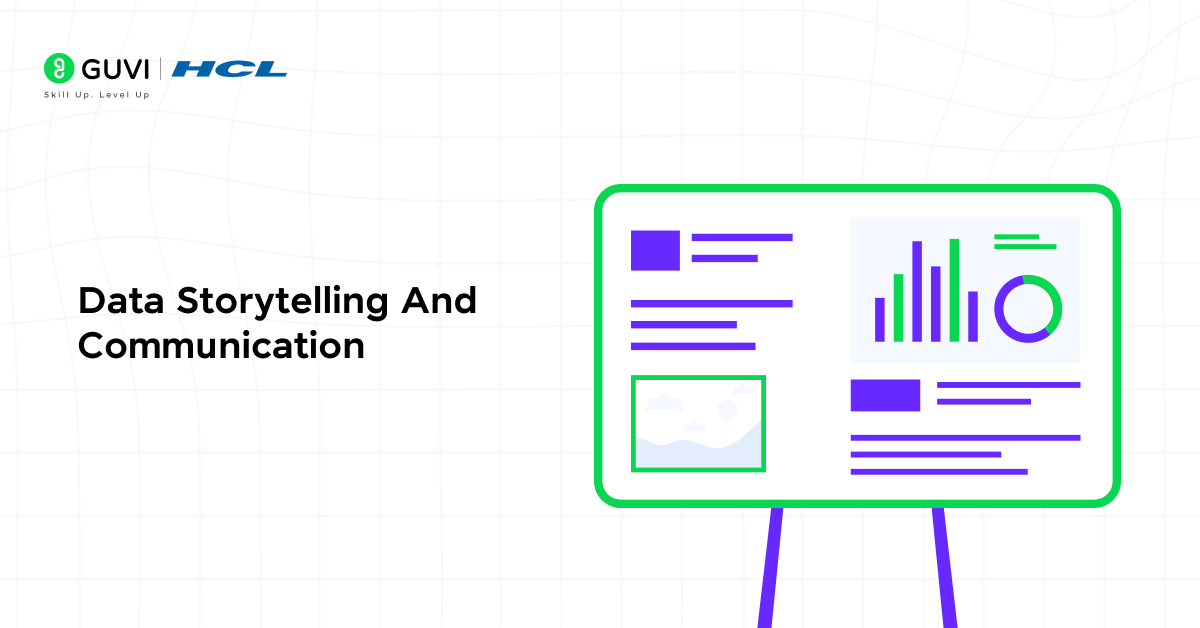
Great insights fail when they aren’t communicated effectively. A data strategist must turn analytics into narratives that inspire confident decisions. Instead of overwhelming executives with complex charts, they simplify findings through visuals and compelling stories.
Data storytelling is about connecting insight with impact, helping stakeholders see how numbers relate to real outcomes. With tools like Power BI and Tableau, strategists create dashboards that reveal performance trends and highlight what matters most.
Key Aspects:
- Creating interactive dashboards using visualization tools
- Simplifying reports for non-technical audiences
- Presenting insights in ways that inspire action
Example: A marketing strategist presents customer journey data in an interactive dashboard, clearly linking engagement metrics to sales outcomes using effective data visualization techniques.
4.5 Ethical Analytics and Responsible Strategy
Data-driven decisions must be fair, transparent, and ethical. A strategist ensures that insights respect privacy laws and align with organizational values. With growing data regulations, this role is essential for maintaining trust and compliance.
Key Aspects:
- Ensuring data privacy and adherence to regulatory standards
- Detecting and preventing algorithmic biased patterns in analytics models
- Promoting transparency in how data is collected and used
Example: A fintech strategist builds fraud detection systems while ensuring the ethical use of sensitive financial data through strong data quality assurance practices.
5. Tools and Technologies to Master
A data strategist’s success in 2026 depends on mastering the right data strategy tools that turn raw data into business insights. Proficiency in these tools helps bridge analytics, visualization, and strategy seamlessly.
Key Tools for Data Strategists:
- Python: The most versatile language for data analysis, automation, and building predictive models.
- SQL: Essential for querying, managing, and organizing structured data efficiently.
- Tableau & Power BI: Visualization tools that convert complex datasets into clear, interactive dashboards.
- Hadoop & Apache Spark: Big data frameworks for processing and analyzing large, unstructured datasets.
- Cloud Platforms (AWS, Google Cloud, Azure): Enable scalable storage, real-time analytics, and collaboration.
- Excel: A timeless tool for quick analysis, reporting, and financial modeling.
- Collaboration Tools (Trello, Slack, JIRA): Help teams align analytics with business goals and improve workflow efficiency.
You can also strengthen your analytics skills with HCL GUVI’s Free Python eBook – A Beginner’s Guide to Coding & Beyond, which helps you master programming fundamentals and apply them to real-world business problems.
6. Build Projects that Turn Data Into Real Results
Projects are the strongest way to prove your capability as a data strategist. They help you apply what you’ve learned, test your analytical thinking, and demonstrate how effectively you can convert insights into business impact.
6.1 Beginner Projects
- Customer segmentation: Group customers based on purchase behavior or interests.
- Sales trend analysis: Study historical data to identify seasonal patterns and forecast performance.
- Interactive dashboards: Create visuals that make complex data easy to understand using Tableau or Power BI.
6.2 Advanced Projects
- Churn prediction: Use machine learning to identify customers who are likely to leave.
- Marketing optimization: Analyze campaign performance data to improve ROI.
- Revenue forecasting: Build predictive models that estimate future sales or growth trends.
7. Build a Portfolio That Gets You Hired
A strong portfolio is your ticket to standing out in the data industry. It shows not just what you know, but how you apply it to real-world problems — something every recruiter values.
What to include-
- Diverse projects: Add a mix of beginner and advanced work to showcase versatility.
- Clear structure: Describe the problem, data used, tools applied, and final results.
- Visual elements: Include dashboards, graphs, and visuals for clarity.
- Business context: Explain how your project impacts real business decisions.
- Hosted access: Share GitHub links or personal sites where recruiters can view your work.
8. Relevant Certifications To Boost Credibility
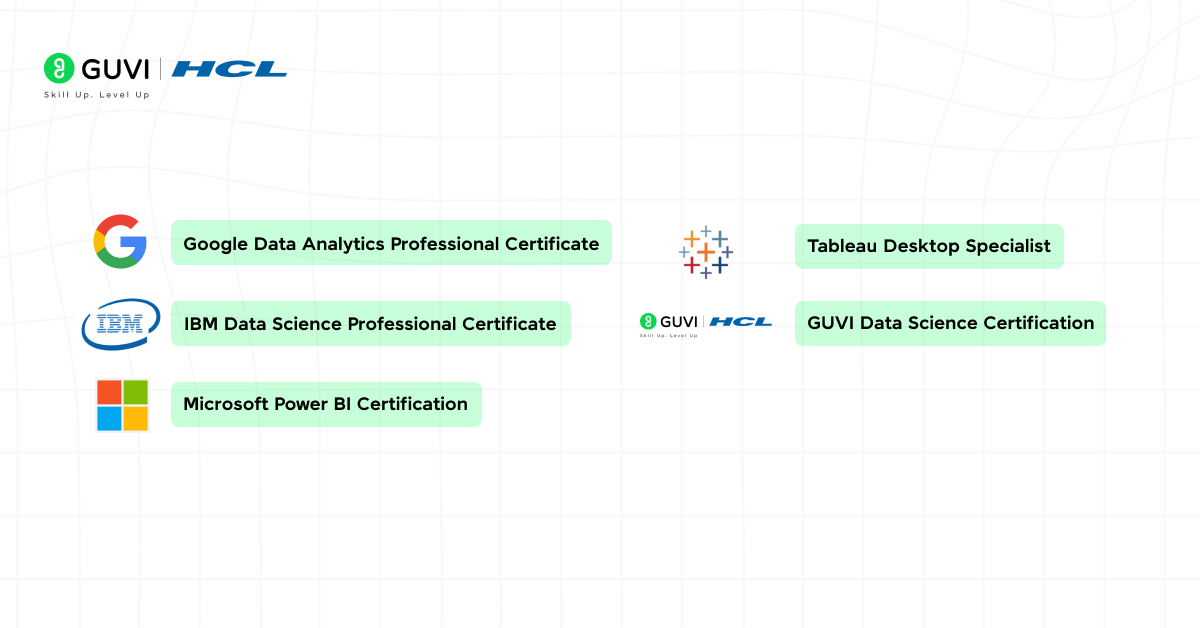
Certifications help you stand out in a crowded data-driven world. They validate your expertise, showcase commitment to learning, and build trust with employers looking for proven skill sets.
Popular certifications –
- Google Data Analytics Professional Certificate: A beginner-friendly online program on Coursera designed to help you start a career in data analytics. It teaches essential skills like data cleaning, analysis, and visualization. It also includes hands-on projects and real-world case studies, helping you build a strong foundation.
- IBM Data Science Professional Certificate: Focuses on core data science skills using Python, SQL, and data visualization tools. It covers data analysis, machine learning basics, and real-world projects.
- Microsoft Power BI Certification: Helps you learn how to use Power BI to create clear, interactive dashboards and reports.It covers skills like data modeling, visualization, filtering, and sharing insights.
- Tableau Desktop Specialist: shows you know how to use Tableau’s tools to turn data into visual stories. You’ll learn how to connect to data, build dashboards, and share findings in graphs and charts.
- HCL GUVI Data Science Certification: A placement-oriented program that helps you learn data science from scratch through hands-on projects and mentor led training. You’ll master Python, SQL, statistics, and machine learning while building a strong portfolio to take on real world roles.
9. Where To Apply For Jobs
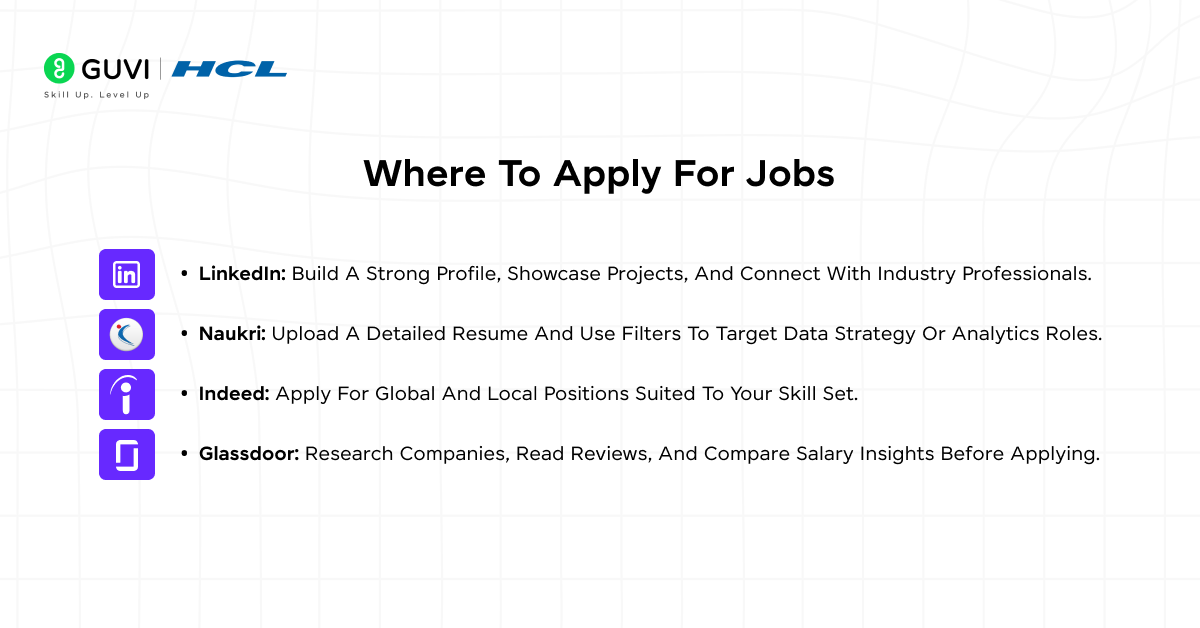
Landing your first role as a data strategist requires more than skills — it’s about visibility and positioning yourself where opportunities exist. Knowing where to apply helps you reach the right recruiters faster.
Popular platforms –
- LinkedIn: Build a strong profile, showcase projects, and connect with industry professionals.
- Naukri: Upload a detailed resume and use filters to target data strategy or analytics roles.
- Indeed: Apply for global and local positions suited to your skill set.
- Glassdoor: Research companies, read reviews, and compare salary insights before applying.
Roles Offered To a Data Strategist (With Salary)
The data strategy field offers diverse roles across industries, each with different focuses and growth potential. Salaries vary based on expertise, domain, and experience level — but the career path remains highly rewarding. Here are some roles offered along with the salary.
- Data Strategist: ₹6–9 LPA (freshers) | ₹15–25 LPA (experienced) — Designs and implements data strategies aligned with business objectives. Reference – Glassdoor
- Business Intelligence Analyst: ₹5–8 LPA (freshers) | ₹12–18 LPA (experienced) — Builds dashboards and reports to drive business decisions.Reference – Glassdoor , Indeed
- Data Consultant: ₹6–10 LPA (freshers) | ₹14–22 LPA (experienced) — Guides organizations in leveraging data for improved performance. Reference – Glassdoor , Indeed
- Analytics Manager: ₹10–15 LPA (freshers) | ₹20–30 LPA (experienced) — Leads analytics teams and ensures data-driven project success. Reference – Glassdoor
- Data Science Lead: ₹12–18 LPA (freshers) | ₹25–35 LPA (experienced) — Oversees machine learning and predictive analytics initiatives. Reference – Ambitionbox , Glassdoor
- Data Governance Specialist: ₹7–10 LPA (freshers) | ₹15–22 LPA (experienced) — Ensures data accuracy, compliance, and security across systems. Reference – Glassdoor
Future Trends In Data Strategy
The future of data strategy is all about smarter, faster, and more ethical decision-making. As technology evolves, data strategists will help businesses predict outcomes and act with precision.
Key trends –
- AI-driven insights will automate complex decision-making.
- Data democratization will let all teams access and use data easily.
- Ethical AI will ensure fairness and transparency in analytics.
- Cloud integration will enable real-time data access from anywhere.
- Automation will simplify data collection and cleaning tasks.
To prepare for these trends and gain hands-on experience, enroll in HCL GUVI’s Data Science Course, an IIT-Madras-certified program offering project-based learning, personalized mentorship, and placement support to help you become a job-ready data strategist.
Conclusion
Becoming a data strategist in 2026 means turning information into innovation. This career combines analytical skill, business understanding, and strategic vision to shape how organizations make decisions. With the right knowledge and practical training, you can bridge the gap between data and direction—helping businesses transform insights into meaningful growth. The demand is high, the field is expanding, and the opportunities are endless
As data continues to redefine industries, the role of a strategist will only become more vital—driving smarter decisions, sustainable progress, and the future of data-driven innovation..
FAQs
Q1. Do I need coding experience to become a data strategist?
Basic programming knowledge is useful, but what matters most is understanding how to use analytics tools and interpret insights effectively.
Q2. How is a data strategist different from a data scientist?
A data scientist builds models, while a strategist applies those insights to create business value and strategic direction.
Q3. What industries are hiring data strategists the most?
Finance, healthcare, e-commerce, and marketing are leading industries hiring data strategy professionals.
Q4. What’s the biggest skill gap for new data strategists?
Bridging technical knowledge with business storytelling and communication is the most common gap among beginners
Q5. Can automation replace the need for data strategists?
No. Automation can assist in analysis but cannot replace the human ability to understand context, ethics, and strategic goals.
Success Stories

About the Author
Jebasta
I translate the language of data into stories that anyone can understand. As a writer with a data science background, I simplify analytics, AI, and decision-making so beginners and enthusiasts can confidently explore the world of data.
View all posts by Jebasta
Connect with me @







Did you enjoy this article?