


Artificial Intelligence and Machine Learning Articles
Finance Manager to Data Analytics: Career Growth, Salary and Seniority
How to Evaluate LLM Outputs in Production Deployments
AI/ML Skills Gap 2026: Why Companies Can't Find Job-Ready Talent
20 AI/ML Interview Questions Recruiters Can Use Without a Tech Background - Best Guide

Get In Touch For Details! Request More Information
10 Important Key Applications of AI in Business
Oct 14, 2025 5 Min Read 1986 Views
(Last Updated)
What if your business could predict customer needs before they even ask, stop fraud in its tracks, and automate repetitive tasks without lifting a finger? That’s the promise of Artificial Intelligence (AI) in business.
No longer just a futuristic concept, AI is now a practical tool reshaping industries by driving efficiency, cutting costs, and unlocking new growth opportunities.
From customer service chatbots to advanced cybersecurity, AI applications are transforming how businesses operate every single day. That is what we are going to see in detail in this article: 10 key applications of AI in Business and how it helps in its growth. So, without further ado, let us get started!
Table of contents
- How AI Influences Business?
- 10 Key Applications of Artificial Intelligence in Business
- Customer Support and Chatbots
- Predictive Analytics for Decision Making
- Personalized Marketing and Recommendations
- Fraud Detection and Risk Management
- Supply Chain and Inventory Management
- Human Resources and Talent Management
- Process Automation (RPA + AI)
- Sales Forecasting and Lead Scoring
- AI in Product Development
- Cybersecurity
- Conclusion
- FAQs
- What are the best applications of AI in business?
- How much does it cost for a business to implement AI?
- Will AI replace human jobs in business?
- What are the challenges of adopting AI in business?
- How do small and medium businesses use AI effectively?
How AI Influences Business?
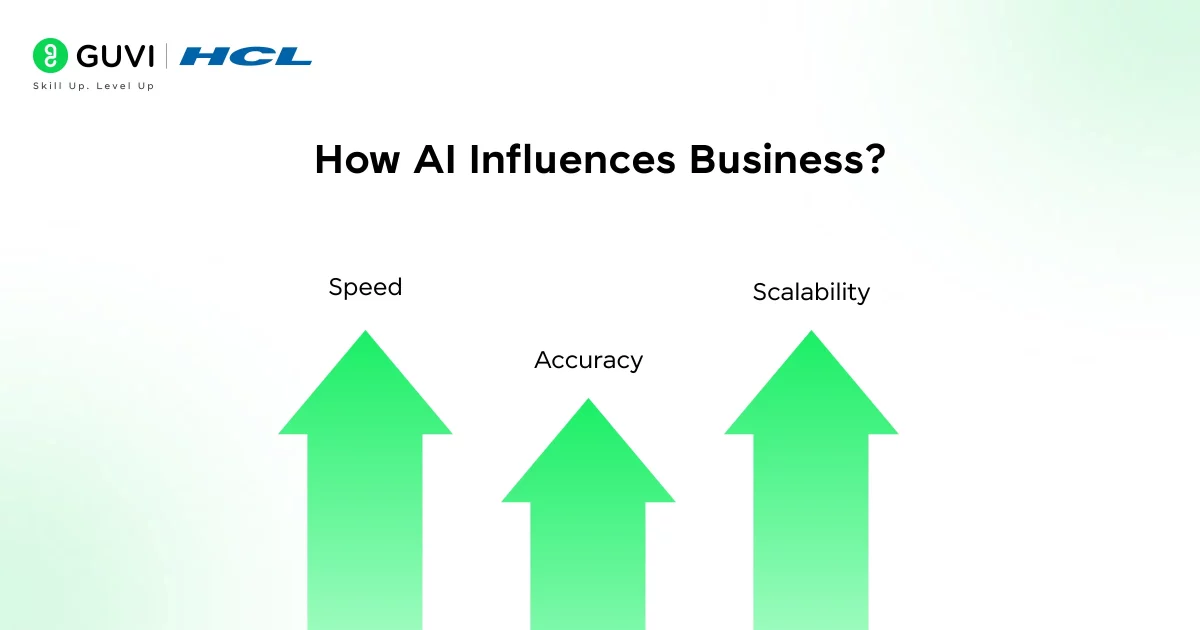
Artificial Intelligence brings intelligence into systems that traditionally relied on human judgment. Think of it as adding a decision-making layer powered by data and algorithms. This doesn’t just increase efficiency, it changes the game in three ways:
- Speed: Tasks that used to take hours or days can be done in seconds.
- Accuracy: AI minimizes human error by using data patterns and predictive models.
- Scalability: Businesses can serve millions of customers without proportional increases in staff or resources.
It is important to remember that AI is not and never will be a replacement for people; it’s a tool that helps them perform better. When routine, repetitive work is handled by AI, human teams get the space to focus on creativity, critical thinking, and innovation.
AI-driven chatbots handle more than 80% of routine customer queries for some businesses, cutting response times drastically and boosting customer satisfaction.
10 Key Applications of Artificial Intelligence in Business
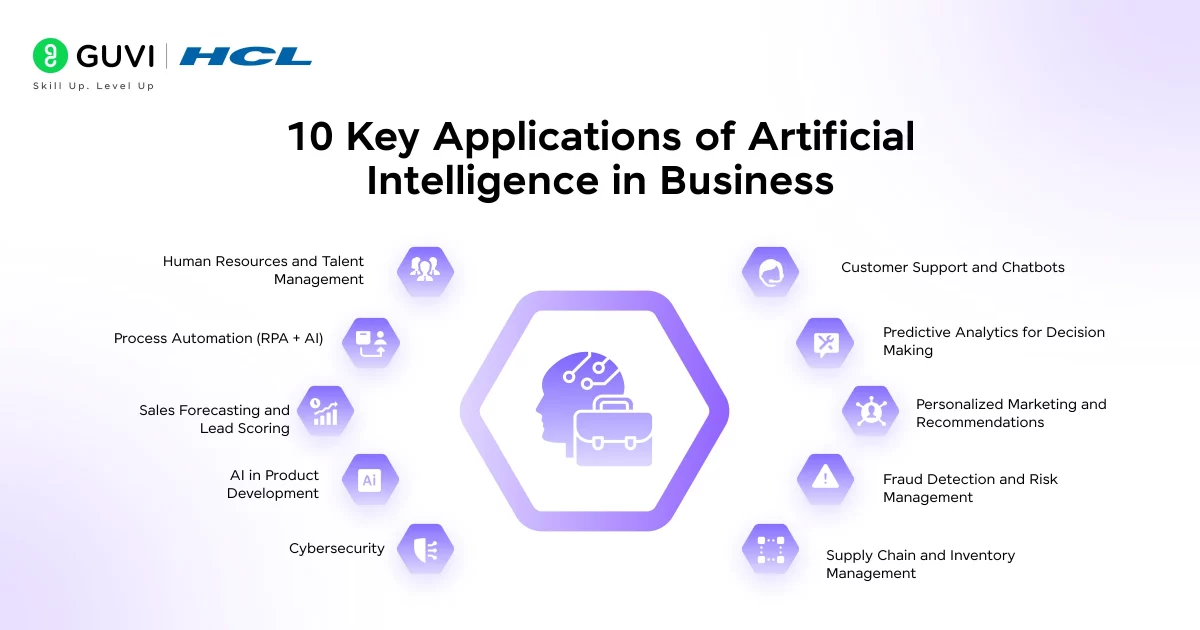
Artificial Intelligence is no longer limited to labs or tech giants; it’s actively reshaping how businesses work across industries. From streamlining customer service to safeguarding data, here are ten powerful applications of AI that are making a real difference in today’s business world.
1. Customer Support and Chatbots

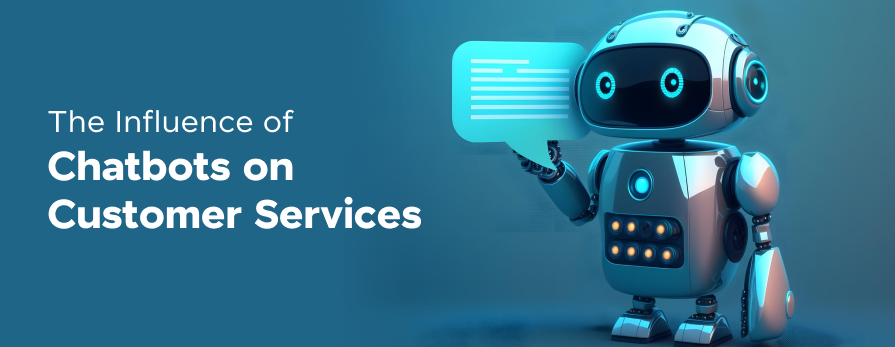
Every customer has questions, and they want answers fast. AI-driven chatbots make that possible by providing real-time responses, day or night. They’ve become the first point of contact for many businesses, keeping customers engaged and satisfied.
- How it works: Chatbots use Natural Language Processing (NLP) to understand customer questions and provide relevant answers. Some advanced systems even learn from previous interactions to improve over time.
- Benefits:
- Handles routine inquiries like order tracking or account details.
- Reduces call center costs.
- Improves customer satisfaction with faster response times.
- Handles routine inquiries like order tracking or account details.
- Challenges: They can struggle with complex or emotional queries, which still need human support.
Example: Bank of America’s chatbot “Erica” helps customers transfer funds, check balances, and manage transactions directly through the app.
2. Predictive Analytics for Decision Making
Data alone doesn’t drive growth; it’s how you use it. AI-powered predictive analytics turns raw numbers into foresight, helping companies see what’s coming and plan with confidence.
- How it works: AI models learn from historical data to predict future behavior. For example, a retailer can forecast next season’s best-selling products by analyzing past sales trends, economic factors, and even social media buzz.
- Benefits:
- Reduces guesswork in decision-making.
- Minimizes risks by identifying potential problems early.
- Supports proactive strategies rather than reactive ones.
- Reduces guesswork in decision-making.
- Challenges: Accuracy depends heavily on the quality of data used. Poor or biased data can lead to wrong predictions.
Example: Airlines use AI to set ticket prices dynamically, predicting demand at different times of the year.
3. Personalized Marketing and Recommendations
Generic ads don’t cut it anymore. Customers expect brands to know their preferences and suggest exactly what they want. AI makes personalization scalable, creating unique experiences for millions of users at once.
- How it works: Algorithms analyze customer browsing history, purchase behavior, and demographics to suggest products or services they’re most likely to buy.
- Benefits:
- Higher conversion rates.
- Greater customer loyalty.
- Improved ROI on marketing spend.
- Higher conversion rates.
- Challenges: Overpersonalization can sometimes feel invasive, raising privacy concerns.
Example: Netflix’s recommendation engine keeps users engaged by suggesting content they’re most likely to watch, saving the company billions in reduced churn.
4. Fraud Detection and Risk Management
Fraud has always been a challenge for businesses, but traditional systems often react too late. With AI, companies can detect unusual activity the moment it happens, stopping fraud before it causes damage.
- How it works: Machine learning models scan transactions for unusual patterns, such as an out-of-country purchase or multiple transactions in a short time.
- Benefits:
- Identifies fraud within seconds.
- Reduces false positives compared to traditional rule-based systems.
- Enhances security without slowing down transactions.
- Identifies fraud within seconds.
- Challenges: Fraudsters also use AI, so detection systems must constantly evolve.
Example: PayPal’s fraud detection system evaluates each transaction instantly, reducing losses while keeping legitimate transactions smooth.
5. Supply Chain and Inventory Management
A smooth supply chain can make or break a business. AI ensures products move where they’re needed most by predicting demand, managing stock, and keeping disruptions under control.
- How it works: AI systems analyze supplier data, shipment tracking, and market demand to predict shortages or delays. They also optimize warehouse management.
- Benefits:
- Prevents overstocking and understocking.
- Cuts operational costs by aligning production with demand.
- Reduces delivery delays through smarter logistics planning.
- Prevents overstocking and understocking.
- Challenges: Supply chain AI depends on data from multiple partners; incomplete data can disrupt accuracy.
Example: Amazon uses AI to predict what products will be ordered in different regions and positions inventory closer to customers before the order even happens.
6. Human Resources and Talent Management
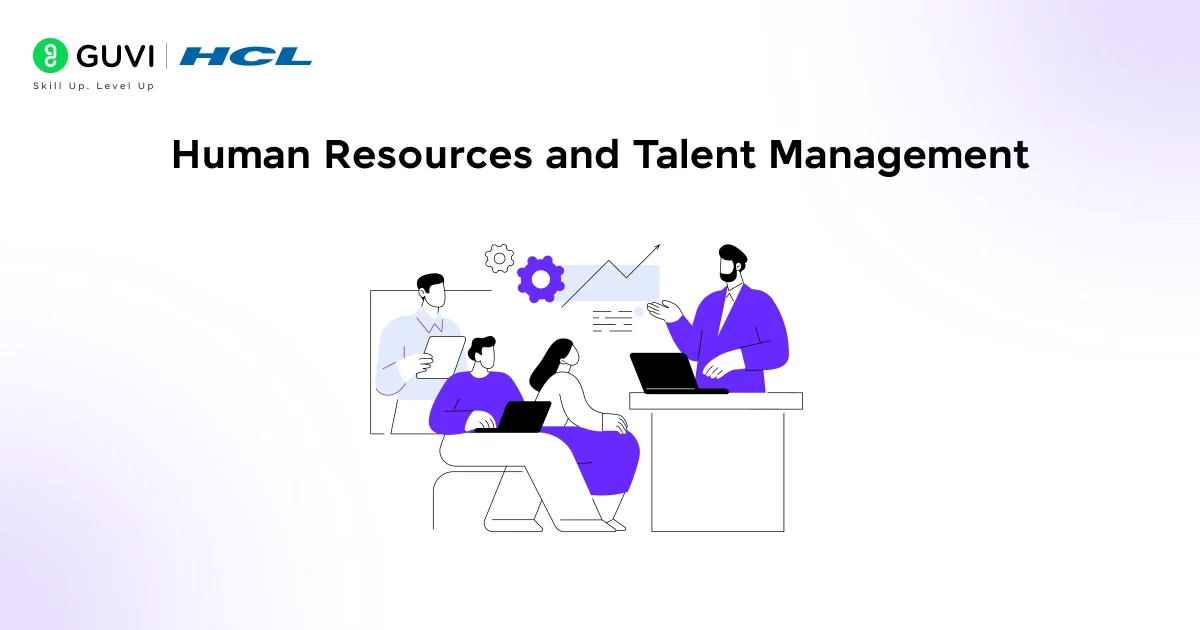
People are a company’s biggest asset, but finding and keeping the right talent isn’t easy. AI is helping HR teams recruit smarter, reduce bias, and improve employee retention.
- How it works: Applicant tracking systems (ATS) filter resumes based on keywords and qualifications. AI tools can even analyze video interviews to assess candidates’ tone and body language.
- Benefits:
- Saves HR teams hours of manual screening.
- Reduces bias by focusing on skills and data instead of subjective judgment.
- Predicts employee turnover to plan retention strategies.
- Saves HR teams hours of manual screening.
- Challenges: Over-reliance may unintentionally reinforce bias if the data fed into systems is biased.
Example: Unilever uses AI-powered video interviews to screen thousands of candidates, cutting hiring times dramatically.

7. Process Automation (RPA + AI)
Repetitive tasks eat up valuable time that could be spent on strategy and growth. AI-powered robotic process automation handles the mundane work behind the scenes, so employees can focus on bigger priorities.
- How it works: AI bots are programmed to perform tasks like payroll, invoice processing, or compliance checks. When combined with AI, they can also handle semi-structured data like emails and scanned documents.
- Benefits:
- Saves time and money.
- Minimizes errors.
- Improves compliance by following rules consistently.
- Saves time and money.
- Challenges: Initial setup costs can be high, and poor process mapping can reduce efficiency.
Example: Banks use AI bots to process loan applications faster, while insurance companies automate claim processing to improve customer satisfaction.
8. Sales Forecasting and Lead Scoring
Not every lead is worth pursuing. AI helps sales teams zero in on the prospects most likely to buy while also predicting future revenue streams with remarkable accuracy.
- How it works: Algorithms analyze customer interactions, demographics, and engagement to score leads. Forecasting models predict revenue streams based on current pipelines.
- Benefits:
- Higher conversion rates by prioritizing promising leads.
- More accurate sales planning.
- Better alignment between marketing and sales teams.
- Higher conversion rates by prioritizing promising leads.
- Challenges: Sales cycles vary across industries, and AI models must be trained with industry-specific data for accuracy.
Example: Salesforce Einstein provides AI-powered lead scoring that allows sales reps to focus on prospects most likely to convert.
9. AI in Product Development
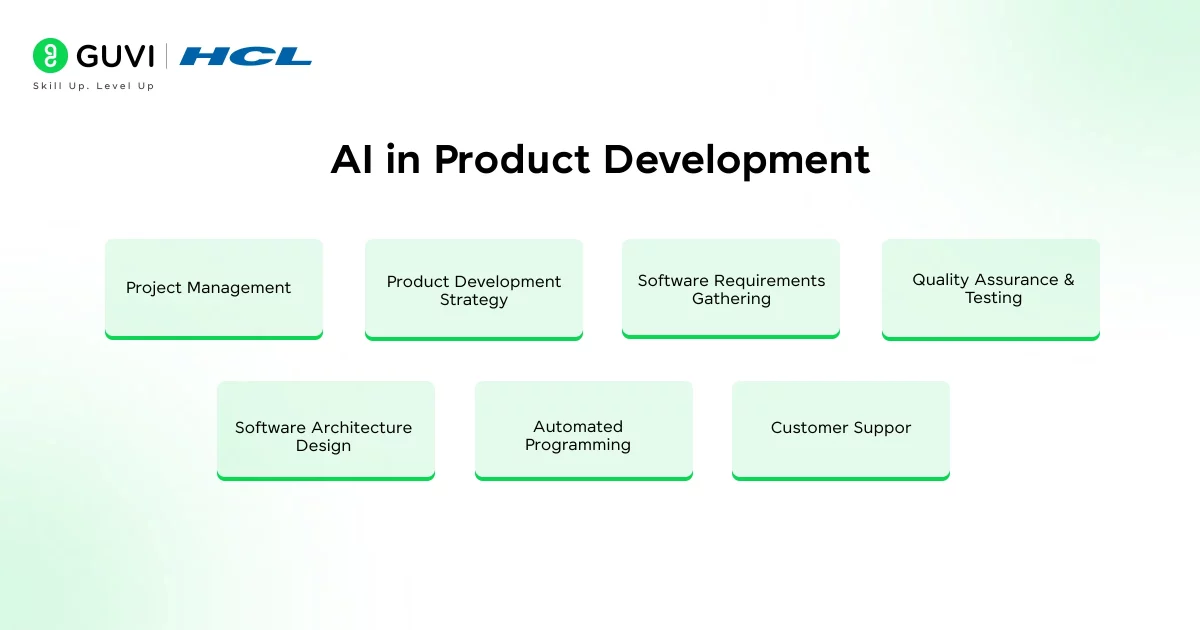
Great products don’t happen by accident. AI helps companies design smarter by analyzing market data, customer feedback, and performance trends to build products people actually want.
- How it works: AI tools analyze customer feedback, competitor products, and market trends to guide product design. Virtual simulations test prototypes before production.
- Benefits:
- Speeds up innovation cycles.
- Reduces the costs of failed launches.
- Creates products more aligned with customer needs.
- Speeds up innovation cycles.
- Challenges: Data overload can lead to misinterpretations if not carefully managed.
Example: Procter & Gamble runs AI-driven simulations to predict consumer response to new products before launch, reducing risks and costs.
10. Cybersecurity
Cyber threats evolve every day, and manual defenses can’t keep up. AI adds a powerful layer of protection by detecting threats in real time and defending businesses against digital attacks.
- How it works: AI scans networks in real-time, detecting unusual activities like unauthorized access attempts or data leaks. It can also suggest countermeasures instantly.
- Benefits:
- Responds faster than human teams.
- Identifies both known and unknown threats.
- Enhances compliance with data protection regulations.
- Responds faster than human teams.
- Challenges: Hackers are also using AI, which means cybersecurity AI systems must continuously evolve.
Example: Darktrace uses AI to detect anomalies and respond automatically to potential threats, minimizing breaches before they escalate.
The applications of AI in business go far beyond automation. They’re transforming how companies innovate, serve customers, and compete in the global marketplace. From smarter supply chains to hyper-personalized marketing, AI is becoming a strategic partner rather than just a tool.
If you’re serious about mastering artificial intelligence and want to apply it in real-world scenarios, don’t miss the chance to enroll in HCL GUVI’s Intel & IITM Pravartak Certified Artificial Intelligence & Machine Learning course. Endorsed with Intel certification, this course adds a globally recognized credential to your resume, a powerful edge that sets you apart in the competitive AI job market.
Conclusion
In conclusion, AI is no longer optional for businesses that want to stay competitive; it’s essential. These ten applications show how AI is already changing the way companies market, sell, innovate, and protect their operations.
While challenges like data privacy and ethical use remain, the opportunities are far greater. Companies that start integrating AI today will not only improve efficiency but also build smarter strategies for long-term growth. The question now isn’t whether you’ll use AI in your business, but how quickly you can put it to work.
FAQs
1. What are the best applications of AI in business?
AI can transform many parts of a business. Some of the top uses include customer support (chatbots), predictive analytics, personalized marketing, fraud detection, supply chain optimization, HR processes, automated workflows, sales lead scoring, product innovation, and cybersecurity.
2. How much does it cost for a business to implement AI?
Costs vary depending on scale, complexity, infrastructure, and talent. You’ll need investment in hardware, software, data engineering, model training, and ongoing maintenance. It’s often a long-term investment rather than a one-time cost.
3. Will AI replace human jobs in business?
Not entirely. AI tends to automate repetitive or data-intensive tasks, freeing humans to focus on creative, strategic, or emotionally intelligent roles. The shift is toward human-machine collaboration rather than full replacement.
4. What are the challenges of adopting AI in business?
Key challenges include data quality and availability, integration with legacy systems, ethical/ privacy issues, upskilling the workforce, and the need for governance and monitoring of AI systems.
5. How do small and medium businesses use AI effectively?
They can start small: deploy chatbots for customer support, use AI tools for marketing personalization, adopt analytics platforms, or automate routine internal tasks. Over time, they can scale to more advanced use cases.
Success Stories

About the Author
Lukesh S
A professional content writer who has experience in freelancing and now working as a Technical Content Writer at HCL GUVI having sound knowledge in Blog Writing and Creative Writing!
View all posts by Lukesh S
Connect with me @







Did you enjoy this article?