


Data Science Articles
How Long Does It Take to Move From BPO to Data Analytics?
How Can a BPO Professional With 5–10 Years of Experience Get a Data Analyst Job?
BPO to Data Analyst : Is It Time to Switch? | Skills, Roadmap & Career Path
Excel to Data Analytics: Is Excel Enough for Finance Professionals?

Get In Touch For Details! Request More Information
Can an Operations Assistant Manager Switch to Data Analytics or Data Science?
Oct 12, 2026 3 Min Read 31 Views
(Last Updated)
An Operations Assistant Manager can transition into Data Analytics or Data Science by combining operational knowledge with technical skills. Experience in monitoring performance, improving workflows, managing resources, and making business decisions can provide a useful foundation. However, the transition requires practical data skills, and the right career path depends on your interests and technical preparation.
Table of contents
- TL;DR
- Quick Answer
- How Does Operations Experience Help in a Data Career?
- Can an Operations Assistant Manager Become a Data Analyst?
- Which Data Roles Can an Operations Assistant Manager Explore?
- Operations Analyst
- Business Intelligence Analyst
- Business Analyst
- Data Analyst
- Data Scientist
- What Skills Should You Learn for the Transition?
- How Can You Turn Operations Experience into a Data Portfolio?
- Is Data Analytics or Data Science Better for You?
- How Should You Present Your Operations Experience on Your Resume?
- Conclusion
- FAQs
- Can an Operations Assistant Manager become a Data Analyst?
- Is Data Analytics a good career transition for operations professionals?
- Can an Operations Assistant Manager become a Data Scientist?
- Do I need an IT degree to move from operations to data?
- Should I learn SQL or Python first?
- What projects can an Operations Assistant Manager create?
- Can operations experience help with a Data Science career?
TL;DR
- Operations professionals can transition into Data Analytics or Data Science.
- Operations Analyst, Business Intelligence Analyst, and Data Analyst are relevant career options.
- Experience with KPIs, resource planning, and process improvement provides useful business context.
- Excel, SQL, Power BI, statistics, and Python are important skills to develop.
- Data Analytics can be a practical starting point before progressing towards Data Science.
Quick Answer
| Yes, an Operations Assistant Manager can switch to either field. Data Analyst is generally a more direct starting point because it focuses on business performance, reporting, and decision-making. Data Science requires additional knowledge of programming, statistics, and machine learning. |
How Does Operations Experience Help in a Data Career?
Operations Managers often monitor productivity, service levels, costs, staffing requirements, and workflow efficiency. These responsibilities provide exposure to business problems that data professionals investigate.
Consider a team experiencing longer processing times. An operations manager might review procedures and coordinate with employees to resolve the issue. A data analyst would examine historical records, workloads, and processing times to identify patterns behind the delays.
Both approaches aim to improve performance, but data analysis adds measurable evidence to decision-making.
Can an Operations Assistant Manager Become a Data Analyst?
Yes. Data Analyst is a relevant career option for operations professionals willing to develop their analytical abilities.
The transition involves moving beyond monitoring performance to investigating why it changes. Instead of simply reporting declining productivity, you would examine workload, staffing, processing time, and other relevant factors.
You would also learn to clean datasets, retrieve information using SQL, create dashboards, and communicate findings.
Your previous experience provides business context, but employers will still expect technical competence. Practical projects can demonstrate your abilities, especially if your current position does not involve formal data analysis.
Which Data Roles Can an Operations Assistant Manager Explore?
1. Operations Analyst
An Operations Analyst investigates workflow efficiency, operating costs, productivity, and resource utilisation. This role may suit professionals who want to use data to identify inefficiencies and recommend practical improvements.
2. Business Intelligence Analyst
A Business Intelligence Analyst develops dashboards and reports to help organisations monitor performance. Skills in SQL, data modelling, and Power BI can help prepare you for this role.
3. Business Analyst
A Business Analyst identifies business needs, documents requirements, evaluates processes, and recommends solutions. This position may suit professionals who prefer stakeholder communication and process improvement alongside analytical work.
4. Data Analyst
A Data Analyst examines datasets to answer business questions, identify trends, and support decisions. The work requires data cleaning, querying, statistical reasoning, and visualisation.
5. Data Scientist
A Data Scientist uses programming, statistics, and machine learning to investigate complex problems and develop predictive models. This is a possible career direction, but it generally requires more extensive technical preparation.
What Skills Should You Learn for the Transition?
Build your skills in stages instead of trying to master every tool simultaneously.
1. Excel: Learn pivot tables, lookup functions, formulas, and data cleaning to organise information and investigate trends.
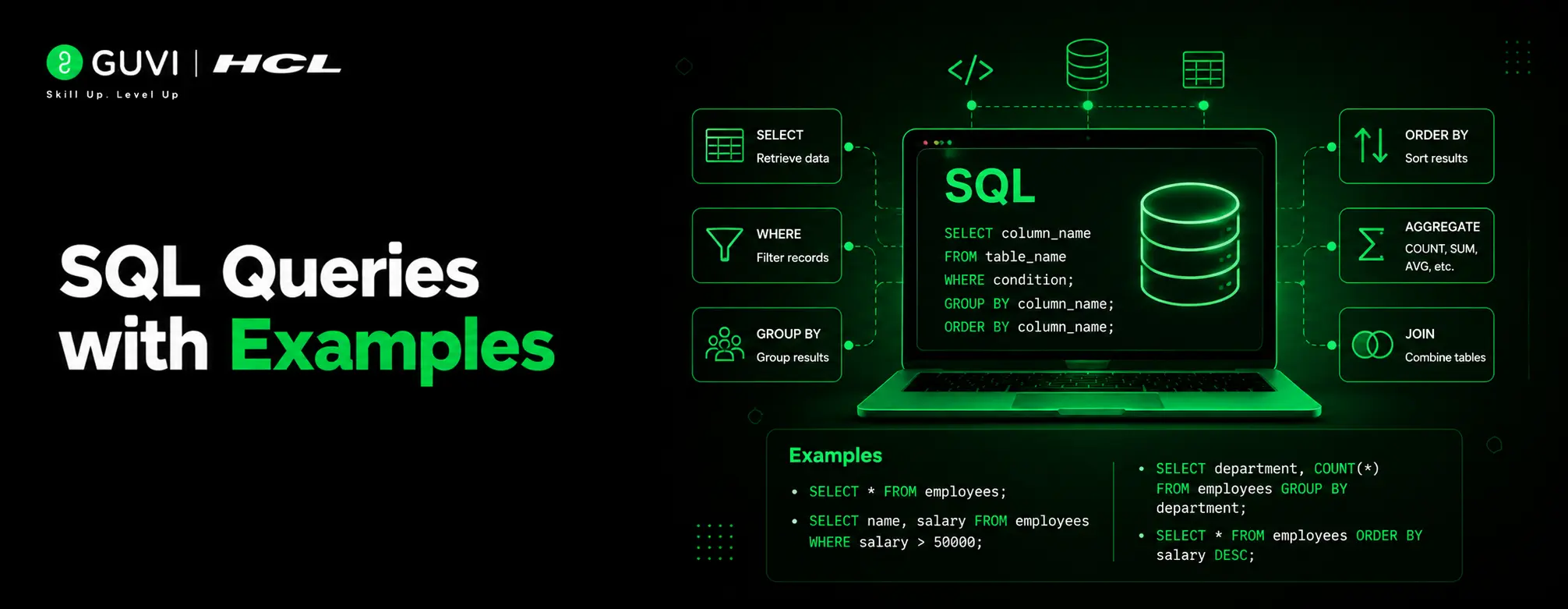
2. SQL: Practise filtering records, joining tables, grouping results, and calculating metrics from databases.
3. Power BI: Learn to create dashboards, model data, and present findings that answer specific business questions.
4. Statistics: Understand averages, percentages, distributions, correlation, and variability to interpret results accurately.
5. Python: Learn programming fundamentals and data manipulation using libraries such as Pandas. Python is particularly useful for automation and advanced analysis.
Apply these skills through projects as you learn. Employers need evidence that you can use analytical tools to solve problems, not simply list them on your resume.
How Can You Turn Operations Experience into a Data Portfolio?
A portfolio demonstrates your ability to apply technical knowledge to practical problems. Choose projects related to operational decisions you understand, using public or synthetic datasets.

1. Workforce Planning Dashboard: Analyse sample staffing, workload, and productivity data to identify periods when capacity may be insufficient.
2. Operational Cost Analysis: Compare costs across processes or time periods and identify significant variations.
3. Service-Level Analysis: Examine whether targets are being achieved and investigate patterns associated with missed targets.
4. Process Bottleneck Analysis: Compare completion times across workflow stages and identify areas requiring improvement.
For each project, explain the business question, dataset, methods, findings, and recommendations. Avoid using confidential company information in a public portfolio.
Is Data Analytics or Data Science Better for You?
- Data Analytics: Analyses existing data, trends, and business performance using SQL, Excel, and visualisation.
- Data Science: Focuses on prediction and machine learning using Python, statistics, and mathematics.
- Choose Data Analytics if you prefer business problems, reports, and dashboards.
- Choose Data Science if you enjoy programming, modelling, and prediction.
- For an Operations Assistant Manager, Data Analytics is the more practical starting point.
How Should You Present Your Operations Experience on Your Resume?
- Connect your existing responsibilities with the requirements of your target role without exaggerating your experience.
- Instead of writing only that you managed operations, explain which performance indicators you monitored and how you used them to support decisions.
- List technical skills you have genuinely learned, and include independent analytics projects separately from professional responsibilities. Quantify achievements only when reliable figures support them.
- Your management background provides business context, while your projects demonstrate your analytical abilities.
A single performance indicator can hide important problems. For example, rising productivity may appear positive until you compare it with error rates or customer complaints. Analysing related metrics provides a more complete picture of operational performance.
Conclusion
An Operations Assistant Manager can transition into Data Analytics or Data Science by developing technical skills and demonstrating practical analytical ability. Operations Analyst, Business Intelligence Analyst, and Data Analyst positions are relevant options to explore.
Start with Excel, SQL, and Power BI, then strengthen your statistical knowledge and learn Python. Build projects around operational problems you understand. If Data Science remains your goal, progress towards programming, mathematics, and machine learning.
FAQs
1. Can an Operations Assistant Manager become a Data Analyst?
Yes. Learning SQL, Excel, visualisation, and statistics can help prepare operations professionals for Data Analyst positions.
2. Is Data Analytics a good career transition for operations professionals?
It can suit professionals who enjoy investigating performance, identifying inefficiencies, and supporting decisions with evidence.
3. Can an Operations Assistant Manager become a Data Scientist?
Yes, but the transition generally requires additional knowledge of Python, mathematics, statistics, and machine learning.
4. Do I need an IT degree to move from operations to data?
Not necessarily. Requirements vary by employer, but relevant skills and practical projects can strengthen applications from non-IT backgrounds.
5. Should I learn SQL or Python first?
SQL is a practical starting point for many Data Analyst roles. Python can follow as you progress towards advanced analysis or Data Science.
6. What projects can an Operations Assistant Manager create?
Useful projects include workforce planning dashboards, service-level analysis, cost comparisons, and process bottleneck investigations.
7. Can operations experience help with a Data Science career?
Yes. Operational knowledge helps identify relevant business problems, but Data Science also requires programming, statistics, and machine learning skills.
Success Stories

About the Author
HCL GUVI
This article was selected and published as part of the HCL GUVI AI Blogathon 2026, an initiative designed to encourage students, AI enthusiasts, and aspiring tech writers to simplify complex AI concepts through impactful technical content. The contest recognized high-quality, original, and insightful AI-focused blogs, with selected authors receiving publication opportunities on the HCL GUVI blog platform along with official author credits and recognition.
View all posts by HCL GUVI
Connect with me @








Did you enjoy this article?