


Project Articles
Automated Resume Screener: NLP-Based Python Project with Source Code
Business Analysis in Digital Transformation Projects - Best Guide
Build No-Code AI Agents with Flowise AI: Step-by-Step Beginner Guide

Get In Touch For Details! Request More Information
Top 15 Golang Project Ideas With Source Code In 2026
Sep 08, 2026 10 Min Read 25143 Views
(Last Updated)
Table of contents
- TL;DR
- What are Golang Project Ideas?
- Why Should You Build Golang Project Ideas?
- Top Golang Project Ideas: Quick Comparison
- Top 15 Golang Project Ideas
- URL Shortener
- CLI Task Manager
- RESTful API for a Blog
- Chat Application
- Image Processing Tool
- Golang E-commerce Website
- Weather Forecast Application
- Golang Microservices Example
- Golang File Sharing System
- Golang Task Automation Tool
- Web Scraper for News Sites
- Real-Time Stock Price Tracker
- Golang Blockchain Implementation
- Network Packet Analyzer
- Golang Chatbot
- How to Choose the Right Golang Project Ideas?
- If you are a complete beginner
- If you know the basics of Go
- If you want a backend developer portfolio
- If you want to explore advanced Go
- Common Mistakes to Avoid When Building Golang Project Ideas
- Choosing complexity over completion
- Copying source code without understanding it
- Ignoring error handling
- Hardcoding secrets
- Building without tests
- Ignoring documentation
- Building a project with no user problem
- How Many Golang Project Ideas Should You Put on Your Resume?
- Project 1: Beginner-to-intermediate
- Project 2: Backend
- Project 3: Advanced
- Golang Project Roadmap for Beginners
- FAQs
- What are the easy Golang project ideas for beginners?
- Why are Golang project ideas important for beginners?
- What skills can beginners learn from Golang project ideas?
- Which Golang project is recommended for someone with no prior programming experience?
- How long does it typically take to complete a beginner-level Golang project?
- How can I practice Golang through projects?
- Which Golang project is best for a resume?
- What are some advanced Golang project ideas?
TL;DR
- Beginners: Start with a CLI Task Manager, URL Shortener, or Weather Application.
- Intermediate developers: Try a REST API, image-processing tool, file-sharing system, scraper, or task automation tool.
- Advanced developers: Build microservices, real-time applications, blockchain systems, network analyzers, or distributed applications.
- For portfolios: Choose projects that demonstrate APIs, authentication, databases, concurrency, cloud deployment, or scalable architecture.
- For backend careers: Prioritize REST APIs, microservices, real-time systems, databases, Docker, and cloud deployment.
- For learning Go: Focus on projects that make you use goroutines, channels, HTTP handling, error handling, packages, interfaces, and Go’s standard library.
- Go is particularly useful for scalable backend systems, cloud-native applications, distributed systems, and services that require efficient concurrent processing.
Golang looks simple on the surface, but it can power everything from tiny command-line tools to large-scale cloud systems. That’s why learning Go through projects can be more exciting than simply following tutorials: you get to see what the language can actually build.
GitHub’s 2025 Octoverse report recorded more than 180 million developers on GitHub, with developers creating 230+ new repositories every minute.
Go is also among the major programming languages tracked in GitHub’s developer ecosystem, making it a language worth exploring if you’re interested in backend, cloud, or systems development.
In this guide, you’ll discover 15 Golang project ideas with source code, ranging from beginner-friendly CLI applications and URL shorteners to advanced microservices, blockchain, and networking projects.
What are Golang Project Ideas?
Golang project ideas are practical applications built using Go to strengthen programming, backend development, concurrency, API integration, networking, automation, and system-design skills.
The best projects should match your current skill level while introducing one or two new concepts at a time.
Why Should You Build Golang Project Ideas?
Reading tutorials can teach you what a goroutine or HTTP handler is. Building a project forces you to figure out when and why to use one.
Project-based learning helps you practice:
- Go syntax and program structure
- Packages and modules
- Functions and interfaces
- Error handling
- Goroutines and channels
- HTTP servers and APIs
- Database integration
- Authentication and authorization
- File handling
- WebSockets
- Third-party API integration
- Testing and debugging
- Docker and deployment
- Basic system-design concepts
Go is designed around simplicity, performance, and concurrent processing, which makes it particularly relevant for backend, cloud, networking, and distributed-system projects.
Go’s concurrency model is one of the reasons it is frequently considered for backend services and distributed systems.
Top Golang Project Ideas: Quick Comparison
Before jumping into the individual projects, use this table to find an idea that matches your experience level and career goal.
| # | Golang Project | Difficulty | Estimated Time | Key Skills | Best For |
| 1 | URL Shortener | Beginner | 2-4 days | HTTP, routing, databases, Redis | Go beginners |
| 2 | CLI Task Manager | Beginner | 1-2 days | CLI, files, commands | First Go project |
| 3 | RESTful Blog API | Intermediate | 4-6 days | REST, CRUD, JWT, databases | Backend beginners |
| 4 | Chat Application | Advanced | 6-10 days | WebSockets, concurrency, Redis | Real-time systems |
| 5 | Image Processing Tool | Intermediate | 3-5 days | File handling, image processing | Go application development |
| 6 | E-commerce Website | Advanced | 10-15 days | Full stack, APIs, payments | Portfolio projects |
| 7 | Weather Forecast App | Intermediate | 2-4 days | APIs, JSON, HTTP | API beginners |
| 8 | Microservices System | Advanced | 10-15 days | gRPC, Kafka, Docker, Kubernetes | Cloud/backend careers |
| 9 | File Sharing System | Intermediate | 5-8 days | File uploads, S3, databases | Cloud projects |
| 10 | Task Automation Tool | Intermediate | 3-5 days | Cron, APIs, automation | DevOps/automation |
| 11 | News Web Scraper | Intermediate | 3-5 days | Scraping, parsing, databases | Automation |
| 12 | Stock Price Tracker | Intermediate | 3-5 days | WebSockets, APIs, real-time data | Data-driven apps |
| 13 | Blockchain Implementation | Advanced | 10-15 days | Hashing, blocks, consensus | Advanced learners |
| 14 | Network Packet Analyzer | Advanced | 5-8 days | Networking, packet capture | Network programming |
| 15 | Golang Chatbot | Intermediate | 5-8 days | NLP, APIs, WebSockets | AI/conversational apps |
Top 15 Golang Project Ideas
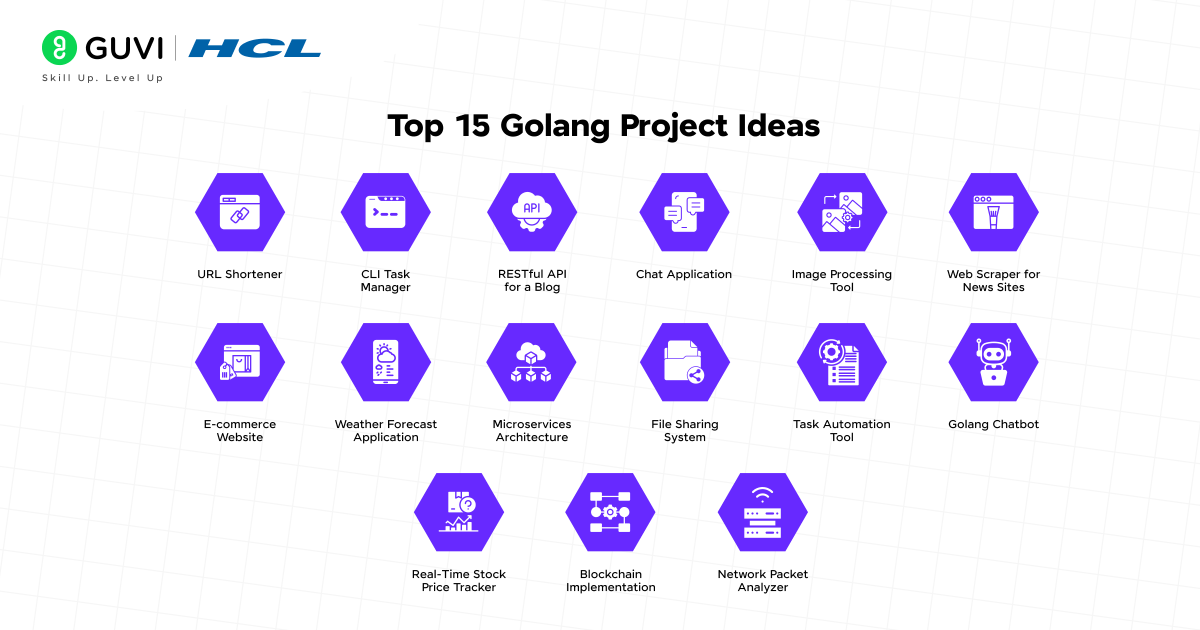
These Golang project ideas move from simple applications to advanced systems. You don’t need to build all 15.
Choose one project that is slightly above your current skill level, finish it, test it, document it, and then move to the next one.
1. URL Shortener
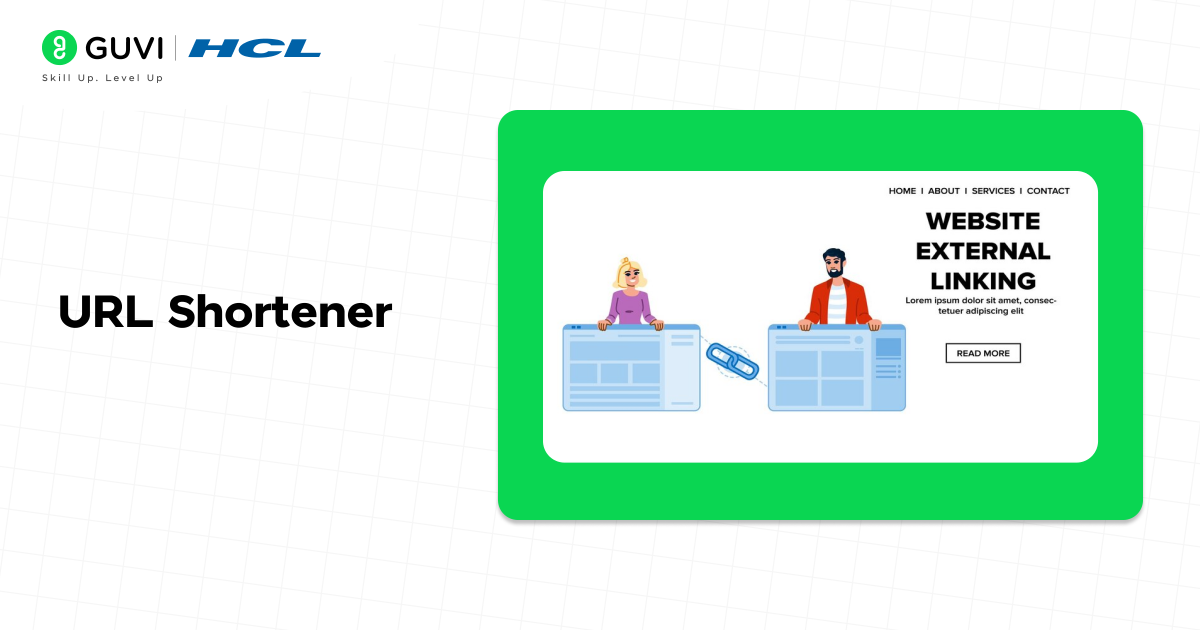
A URL shortener is a popular tool that converts long URLs into shorter, more manageable links. This is a great project to learn how to handle HTTP requests and work with databases.
You’ll also gain experience in building a user-friendly interface while ensuring the security of the data.
Time Taken: 2-4 days
Project Complexity: Beginner
Technology Stack: Learn Golang, PostgreSQL, Redis, Gorilla Mux
Learning Outcome: You’ll learn how to handle HTTP requests, perform URL routing, and work with databases like PostgreSQL. This project will also help you understand concurrency and manage large volumes of requests effectively in Go.
Features of the project:
- Convert long URLs into short URLs
- Redirect users to the original URL
- Store URLs in a database
- Track basic click information
- Add expiration dates
- Prevent duplicate entries
- Add rate limiting
Input/Output Requirements:
- Input: A long URL provided by the user
- Output: A shortened version of the URL, and its redirection when visited
Security Requirements: Ensure basic input validation, prevent duplicate URL storage, and apply rate-limiting to avoid abuse.
Deployment Options: Docker container, AWS, or DigitalOcean for cloud deployment.
Source Code: Link
Learn more about whether Golang is easy to learn.
2. CLI Task Manager
A CLI Task Manager is a command-line interface application where users can add, delete, or update tasks from their terminal.
It is particularly useful as a first Go project because you can focus on programming fundamentals before introducing databases or complex frameworks.
This project helps you practice console output, basic file handling, and working with command-line arguments.
Time Taken: 1-2 days
Project Complexity: Beginner
Technology Stack: Golang, Cobra for CLI, file system
Learning Outcome: You’ll understand how to build a CLI application in Go, manage files for persistent data storage, and use libraries like Cobra to handle CLI arguments.
Features of the project:
- Add, delete, and mark tasks as completed
- View the current task list
- Save task data to a file for future reference
Input/Output Requirements:
- Input: User command-line input for managing tasks (e.g., “add task”, “delete task”)
- Output: Console output displaying the current list of tasks or task completion
Security Requirements: Optional file encryption for secure task storage.
Deployment Options: Run locally as a standalone executable, or deploy on various operating systems.
Source Code: Link
3. RESTful API for a Blog
If your goal is backend development, this is one of the most useful Golang project ideas to add to your portfolio.
You will build a RESTful API that allows users to create, update, retrieve, and delete blog posts while managing authentication and database operations.
Time Taken: 4-6 days
Project Complexity: Intermediate
Technology Stack: Golang, Gin framework, MongoDB, JWT for authentication
Learning Outcome: This project will teach you how to create RESTful APIs, manage HTTP methods, and handle CRUD operations in Go. You’ll also gain experience with database management and user authentication.
Features of the project:
- Create, edit, and delete blog posts
- Fetch all or individual blog posts
- Add user authentication
- Allow users to post comments on blogs
Input/Output Requirements:
- Input: Blog data (title, content, author)
- Output: Blog posts in JSON format
Security Requirements: Implement JWT-based authentication, validate user inputs, and ensure secure communication over HTTPS.
Deployment Options: Deploy on cloud services like AWS Lambda or Google Cloud, and containerize using Docker.
Source Code: Link
If you’re working toward backend development, explore REST API concepts.
4. Chat Application
A Chat Application allows users to communicate with each other in real-time.
This project introduces WebSockets, concurrent connections, message broadcasting, and real-time communication.
Time Taken: 6-10 days
Project Complexity: Advanced
Technology Stack: Golang, WebSocket, Redis for message caching, HTML/CSS for the front end
Learning Outcome: Learn about concurrency in Go, managing WebSocket connections, and building real-time applications.
Features of the project:
- One-to-one messaging
- Multiple chat rooms
- Online/offline indicators
- Message history
- User authentication
- Message timestamps
Input/Output Requirements:
- Input: User messages
- Output: Real-time broadcast to other users in the chat room
Security Requirements: Implement secure WebSocket connections, encrypt messages, and manage user sessions securely.
Deployment Options: Deploy using Docker or host it on platforms like Heroku or AWS.
Source Code: Link
Explore: Golang and Python: A Detailed Comparison
5. Image Processing Tool
An image-processing application lets users upload images and apply operations such as resizing, blurring, or grayscale conversion.
This project is useful for understanding file handling and computationally intensive operations in Go.
Time Taken: 3-5 days
Project Complexity: Intermediate
Technology Stack: Golang, GoCV (OpenCV for Go), ImageMagick
Learning Outcome: Understand how to handle image files in Go, apply filters, and work with GoCV to manipulate images efficiently.
Features of the project:
- Upload images and apply filters (e.g., grayscale, blur, resize)
- Display filtered images
- Download processed images
Input/Output Requirements:
- Input: Image file
- Output: Processed image (filtered or resized)
Security Requirements: Validate file types to prevent malicious uploads, limit the size of uploaded images, and sanitize user input.
Deployment Options: Deploy as a standalone executable or host on a cloud platform with a web interface.
Source Code: Link
6. Golang E-commerce Website

An E-commerce Website is a full-stack project where you build an online platform for users to browse products, add them to their cart, and complete transactions.
This project is ideal for learning how to integrate various technologies and build a scalable web application.
Time Taken: 10-15 days
Project Complexity: Advanced
Technology Stack: Golang, Gin framework, PostgreSQL, Stripe API for payments, React for front-end
Learning Outcome: You’ll gain experience in full-stack development, database management, and API integration (such as payment gateways). You’ll also learn how to handle complex transactions and build scalable systems.
Features of the project:
- Product catalog
- Search and filtering
- User registration
- Shopping cart
- Checkout
- Payment integration
- Order history
Input/Output Requirements:
- Input: User data (account details, product selections, payment info)
- Output: Order confirmation, product listings, cart summary
Security Requirements: Ensure secure user authentication, protect sensitive payment information, and validate all user inputs.
Deployment Options: Docker for containerization, cloud services like AWS, or Google Cloud for deployment.
Source Code: Link
7. Weather Forecast Application
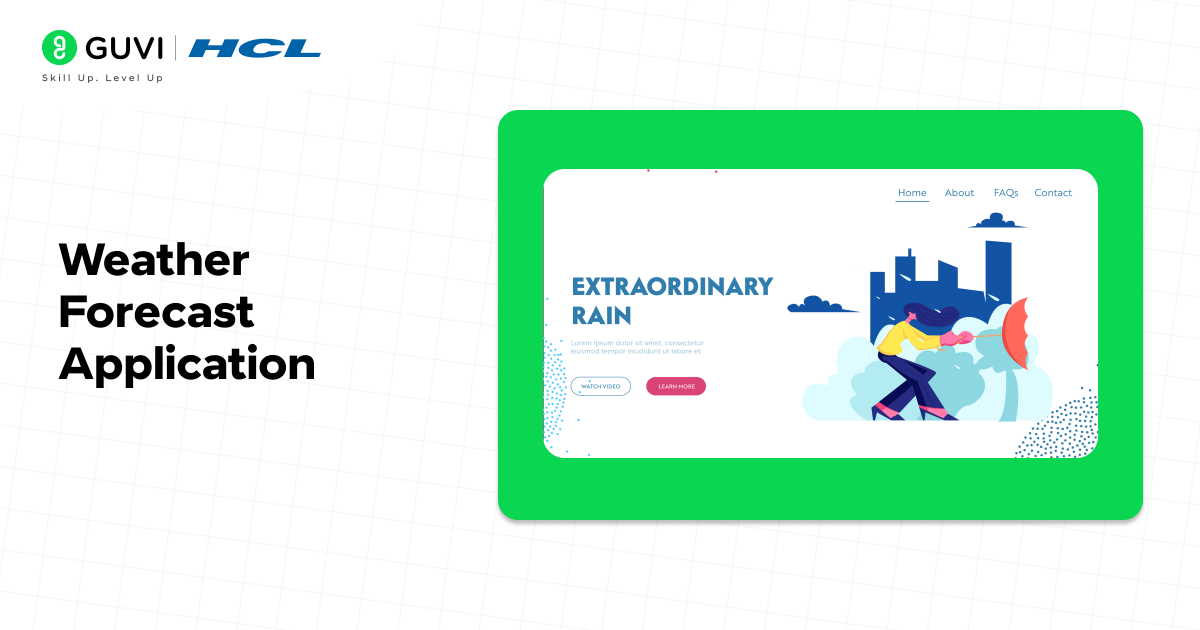
A Weather Forecast Application allows users to check the current weather and future forecasts based on their location.
This project is great for working with third-party APIs and building a simple web interface.
Time Taken: 2-4 days
Project Complexity: Intermediate
Technology Stack: Golang, Gin framework, OpenWeather API, HTML/CSS for the front-end
Learning Outcome: You’ll learn how to consume external APIs, handle JSON data, and display real-time information in a user-friendly format.
Features of the project:
- Current weather information
- Five-day forecast
- Location search
- Responsive interface
- Temperature and humidity display
Input/Output Requirements:
- Input: User location (via search or GPS)
- Output: Weather data (temperature, humidity, forecast)
Security Requirements: Ensure secure API calls, validate user inputs, and handle error responses from the weather API.
Deployment Options: Deploy on Heroku, AWS, or using Docker for containerization.
Source Code: Link
8. Golang Microservices Example
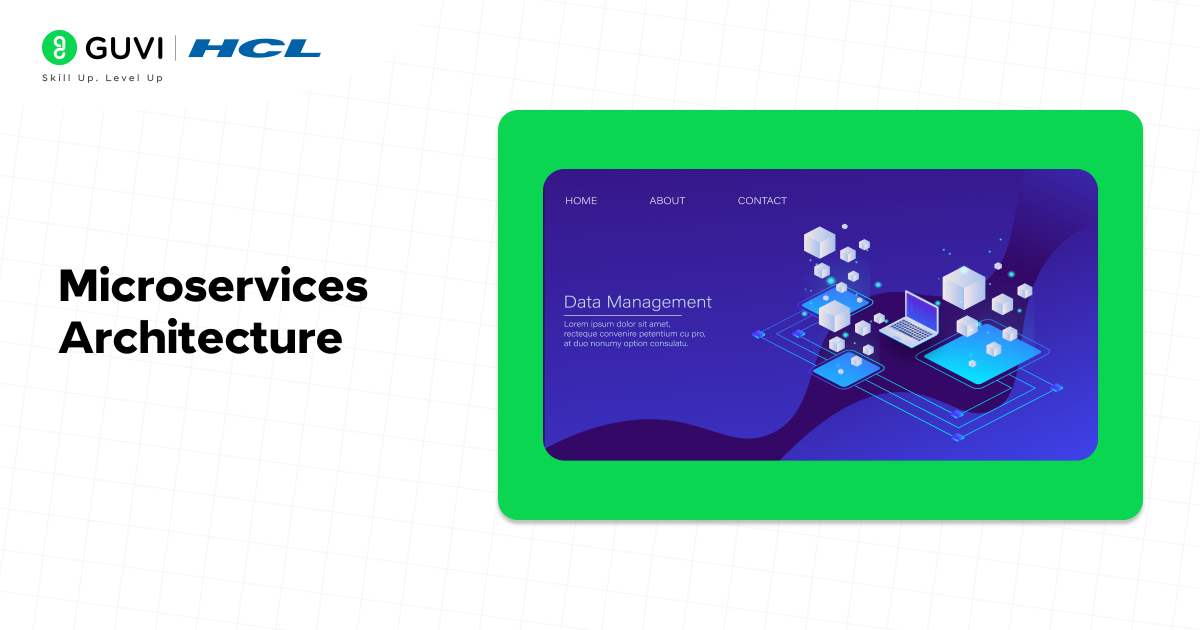
A Microservices Architecture is where different services are designed to function independently while still communicating with each other.
This project is perfect for intermediate to advanced developers who want to explore distributed systems.
Time Taken: 10-15 days
Project Complexity: Advanced
Technology Stack: Golang, gRPC, Kafka (for messaging), Docker, Kubernetes for container orchestration
Learning Outcome: Understand the microservices architecture, implement service-to-service communication, and manage distributed systems.
Features of the project:
- Independent services for user management, products, and orders
- Inter-service communication through gRPC or REST APIs
- Use Kafka for message queuing
- Containerization using Docker
Input/Output Requirements:
- Input: API calls for various services (e.g., user registration, order creation)
- Output: Responses from individual services (e.g., user data, order confirmation)
Security Requirements: Secure API communications, implement token-based authentication between services, and protect against common vulnerabilities like API abuse.
Deployment Options: Docker for containerization, deploy on Kubernetes for orchestration.
Source Code: Link
Read this complete guide to microservices architecture before starting.
9. Golang File Sharing System
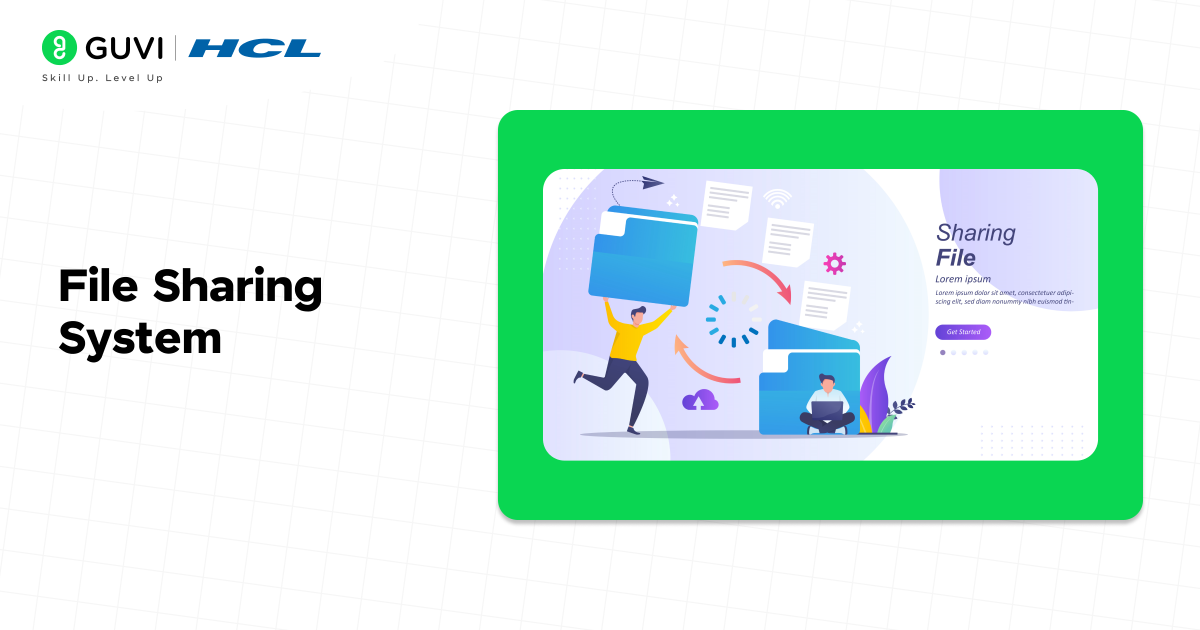
A file-sharing system allows users to upload and download files through a web interface.
This project focuses on working with large files, handling HTTP requests, and ensuring secure file transfers.
Time Taken: 4-6 days
Project Complexity: Intermediate
Technology Stack: Golang, PostgreSQL for file metadata, AWS S3 for file storage
Learning Outcome: You’ll learn how to handle file uploads in Go, manage storage on cloud platforms, and ensure secure file sharing.
Features of the project:
- Upload files and generate download links
- Set file expiry dates for shared links
- List and manage uploaded files
Input/Output Requirements:
- Input: Files uploaded by the user
- Output: Shareable links to download files
Security Requirements: Implement file size restrictions, validate file types, and ensure secure access control for shared files.
Deployment Options: Deploy on AWS with S3 for storage and Lambda functions for serverless operations.
Source Code: Link
10. Golang Task Automation Tool
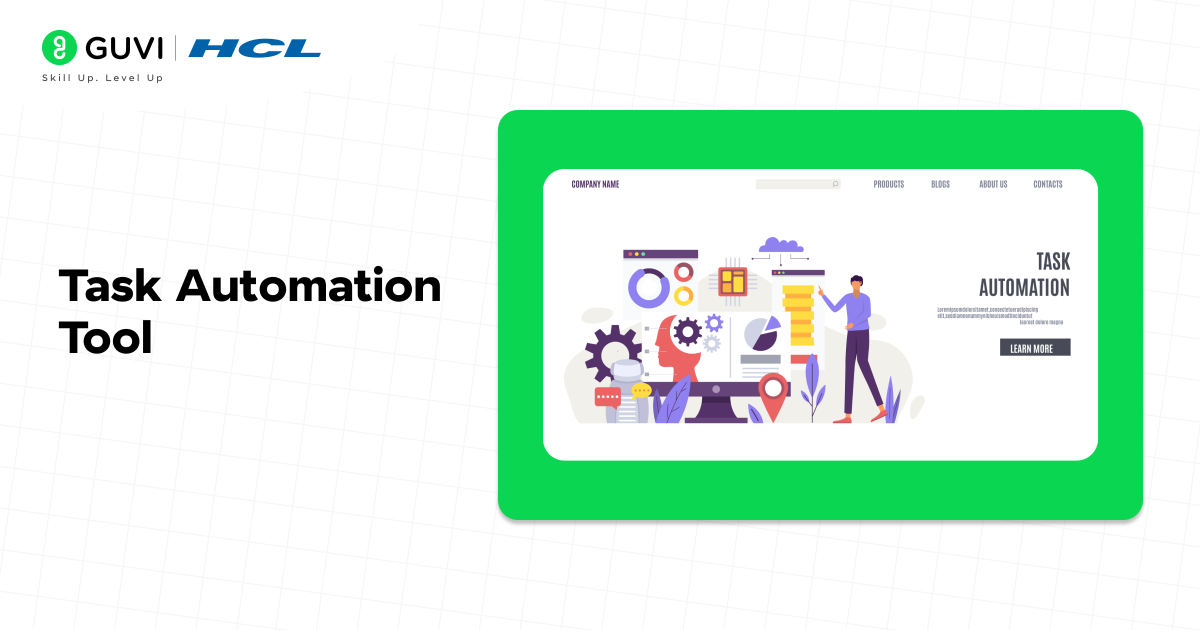
A Task Automation Tool allows users to automate repetitive tasks like sending emails, scheduling scripts, or data backups.
This project helps you understand how to automate workflows using Go.
Time Taken: 3-5 days
Project Complexity: Intermediate
Technology Stack: Golang, Cron jobs, SMTP for emails, APIs for third-party integrations
Learning Outcome: Learn how to schedule tasks, integrate third-party APIs, and automate workflows using Go’s built-in features.
Features of the project:
- Schedule and automate tasks (e.g., sending daily emails)
- Manage task logs
- Integrate APIs for notifications and reports
Input/Output Requirements:

- Input: User-defined task schedules and configurations
- Output: Automated task execution (e.g., email sent, backup completed)
Security Requirements: Ensure secure access to APIs, manage sensitive data like API keys, and implement error handling for failed tasks.
Deployment Options: Run as a standalone service or use Docker for containerization. Deploy on cloud platforms for automation at scale.
Source Code: Link
11. Web Scraper for News Sites
A Web Scraper for News Sites is a project where you create a tool that automatically extracts news articles from multiple websites and compiles the information in one place.
This project is perfect for learning about data extraction and automation.
Time Taken: 3-5 days
Project Complexity: Intermediate
Technology Stack: Golang, Colly (web scraping framework), PostgreSQL, HTML/CSS for front-end
Learning Outcome: You’ll learn how to interact with web pages programmatically, extract useful information, and manage large datasets. This project will also teach you about handling HTML structures and avoiding anti-scraping techniques.
Features of the project:
- Scrape news articles, headlines, and summaries
- Automate the scraper to run periodically
- Store and display the data on a simple web interface
Input/Output Requirements:
- Input: User input to select news websites or specific topics
- Output: List of scraped articles with headlines and summaries
Security Requirements: Implement rate limiting and ensure compliance with website’s terms of service to avoid blocking or banning.
Deployment Options: Dockerized service that runs on a scheduled basis, deployed on a cloud platform like AWS Lambda for serverless scraping.
Source Code: Link
12. Real-Time Stock Price Tracker
A Real-Time Stock Price Tracker is a project where you build an application that displays live stock prices and allows users to monitor price movements.
This project helps you work with real-time APIs and understand how to display dynamic data efficiently.
Time Taken: 3-5 days
Project Complexity: Intermediate
Technology Stack: Golang, WebSocket for real-time updates, Alpha Vantage API for stock prices, HTML/CSS for front-end
Learning Outcome: You’ll learn how to work with WebSockets for real-time data transfer, integrate third-party APIs, and build responsive web applications that update dynamically.
Features of the project:
- Real-time stock price updates
- Track specific stocks and set alerts for price changes
- Display stock price trends in a graphical format
Input/Output Requirements:
- Input: User input to select stocks to track
- Output: Real-time stock price updates and trends
Security Requirements: Ensure secure API communication, validate user input for stock selection, and handle errors in API responses.
Deployment Options: Deploy using Docker, or host it on cloud platforms like Heroku or AWS for continuous uptime.
Source Code: Link
13. Golang Blockchain Implementation
A Blockchain Implementation project involves building a simple blockchain system from scratch.
This is an advanced project that helps you understand the fundamental concepts behind blockchain technology, such as distributed ledgers and cryptographic hashing.
Time Taken: 10-15 days
Project Complexity: Advanced
Technology Stack: Golang, PostgreSQL for transaction storage, SHA-256 for cryptographic hashing
Learning Outcome: You’ll learn how to implement a blockchain, create and validate new blocks, and understand consensus mechanisms. This project will also teach you about data integrity and cryptographic hashing.
Features of the project:
- Create and validate blocks in a blockchain
- Implement proof of work for block generation
- Store transaction data and allow querying of the blockchain
Input/Output Requirements:
- Input: New transactions to be added to the blockchain
- Output: Updated blockchain with validated blocks
Security Requirements: Implement cryptographic hashing (SHA-256) to ensure data integrity, secure block validation processes, and prevent tampering.
Deployment Options: Deploy on cloud platforms or use Docker for containerization to simulate multiple blockchain nodes.
Source Code: Link
For background, read A Guide to Learning Blockchain Technology From Scratch.
14. Network Packet Analyzer
A Network Packet Analyzer allows you to capture and analyze data packets transmitted over a network.
This project is useful for understanding network protocols and can help you debug or monitor network activity.
Time Taken: 5-8 days
Project Complexity: Advanced
Technology Stack: Golang, GoPacket (packet capture library), Wireshark for data visualization (optional)
Learning Outcome: You’ll learn about networking fundamentals, how to capture and inspect network packets, and how to analyze network traffic in real time. This project will also help you understand network protocols like TCP, UDP, and IP.
Features of the project:
- Capture live network packets
- Analyze packet details like source/destination IP, protocols, and data payload
- Display captured packet data in real-time
Input/Output Requirements:
- Input: Live network traffic
- Output: Packet details (IP addresses, protocols, data size)
Security Requirements: Ensure packet capture does not violate privacy or security regulations, and protect against malicious network traffic interception.
Deployment Options: Run locally on a server or deploy in a virtualized environment for continuous monitoring.
Source Code: Link
15. Golang Chatbot
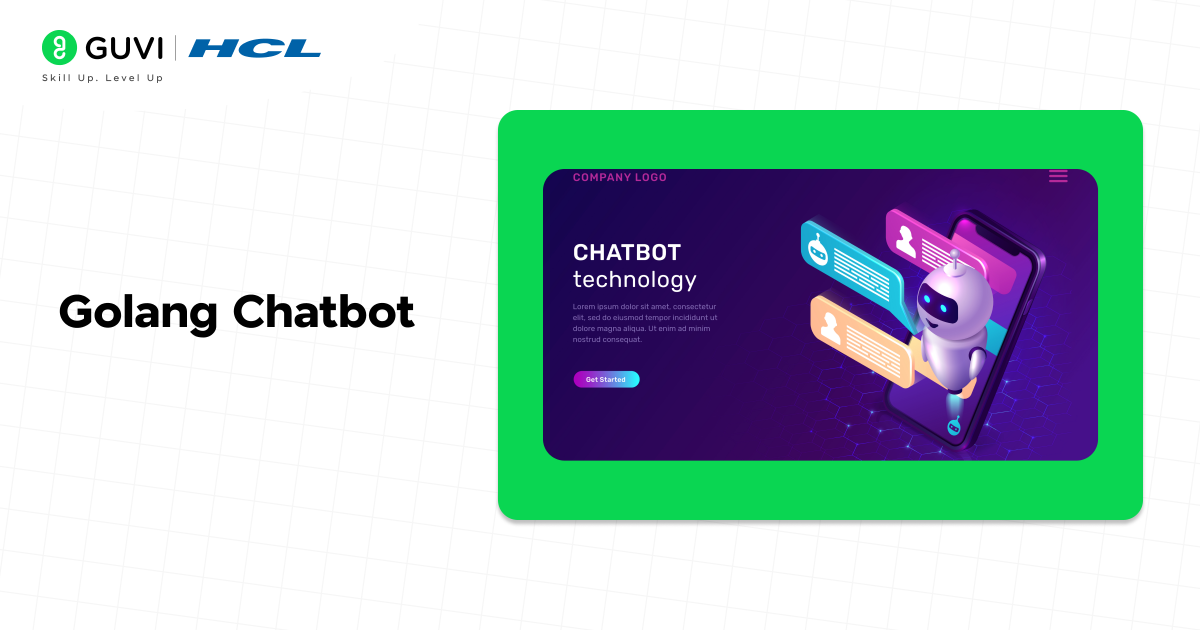
A Golang Chatbot is a conversational tool that interacts with users, answers questions, and performs simple tasks based on natural language input.
This project helps you work with natural language processing (NLP) and chatbot frameworks.
Time Taken: 5-8 days
Project Complexity: Intermediate
Technology Stack: Golang, NLP libraries (like gopherbot), third-party APIs, WebSocket for real-time interaction
Learning Outcome: You’ll learn about natural language processing, how to create conversational flows, and integrate various APIs to make the chatbot more dynamic.
Features of the project:
- Interact with users via text input
- Answer frequently asked questions and perform basic tasks
- Integrate with external APIs for additional functionality (e.g., weather updates)
Input/Output Requirements:
- Input: User queries via chat interface
- Output: Automated chatbot responses
Security Requirements: Ensure secure communication between the chatbot and external APIs, and validate user inputs to prevent chatbot misuse.
Deployment Options: Deploy on a cloud server (e.g., AWS) or use Docker for containerization and easy scaling.
Source Code: Link
These 15 Golang project ideas will deepen your expertise in building advanced and real-world applications using Golang, covering areas such as networking, blockchain, real-time communication, and automation.
How to Choose the Right Golang Project Ideas?
You don’t need the most complicated project to impress a recruiter.
The right project is the one that demonstrates skills relevant to the role you want.
Use this approach:
If you are a complete beginner
Start with:
- CLI Task Manager
- URL Shortener
- Weather Forecast Application
These projects introduce programming logic, files, HTTP requests, APIs, and basic Go application structure.
If you know the basics of Go
Try:
- RESTful Blog API
- Image Processing Tool
- File Sharing System
- Task Automation Tool
- News Web Scraper
These introduce databases, authentication, external APIs, file processing, and automation.
If you want a backend developer portfolio
Prioritize:
- RESTful API
- E-commerce Website
- Microservices System
- Chat Application
- File Sharing System
These projects demonstrate backend architecture, APIs, databases, authentication, real-time communication, and scalability.
If you want to explore advanced Go
Try:
- Microservices
- Network Packet Analyzer
- Blockchain
- Real-time Chat
- Advanced automation systems
Common Mistakes to Avoid When Building Golang Project Ideas
Even a technically impressive idea can become a weak portfolio project if the implementation is careless.
Avoid these common mistakes:
1. Choosing complexity over completion
A finished simple project is more valuable than an unfinished microservices architecture.
2. Copying source code without understanding it
Source code should accelerate learning, not replace it.
3. Ignoring error handling
Go makes explicit error handling part of everyday development. Don’t hide or ignore errors simply to make the application work.
4. Hardcoding secrets
Never commit API keys, database passwords, or private credentials to GitHub.
5. Building without tests
Write tests for important functions and API behavior.
6. Ignoring documentation
A recruiter should be able to understand your project quickly from the README.
7. Building a project with no user problem
Whenever possible, explain why the application exists, not just how you coded it.
How Many Golang Project Ideas Should You Put on Your Resume?
You don’t need 15 Golang project ideas on your resume.
For most beginners, two to three well-developed projects are a stronger portfolio than a long list of unfinished applications.
A good combination could be:
Project 1: Beginner-to-intermediate
URL Shortener
Demonstrates:
- HTTP
- routing
- database
- caching
Project 2: Backend
RESTful Blog API
Demonstrates:
- APIs
- CRUD
- authentication
- databases
Project 3: Advanced
Microservices System
Demonstrates:
- distributed systems
- gRPC
- messaging
- Docker
- Kubernetes
Together, these projects show progression rather than repetition.
Golang Project Roadmap for Beginners
If you’re unsure where to start, follow this progression:
Step 1: Learn Go fundamentals
↓
Step 2: Build a CLI Task Manager
↓
Step 3: Build a URL Shortener
↓
Step 4: Learn HTTP and REST APIs
↓
Step 5: Build a Blog API
↓
Step 6: Add databases and authentication
↓
Step 7: Learn goroutines and channels
↓
Step 8: Build a real-time Chat Application
↓
Step 9: Learn Docker and cloud deployment
↓
Step 10: Build a Microservices System
This gives you a progression from basic programming to backend and distributed-system concepts.
In case you want to learn more about Golang and its functionalities, consider enrolling in HCL GUVI’s Golang Programming Online Course, which teaches you everything from scratch and provides you with an industry-grade certificate!
Wrapping Up
The Golang project ideas presented here offer a wide range of opportunities to enhance your programming skills and build real-world applications.
From simple CLI tools and web scrapers to more complex microservices and blockchain implementations, these projects are designed to help you master key concepts like concurrency, API integration, and real-time communication in Go.
By working on these projects, you’ll not only deepen your understanding of Golang’s project structure but also gain hands-on experience with various technology stacks.
FAQs
1. What are the easy Golang project ideas for beginners?
The best beginner Golang project ideas include a CLI Task Manager, URL Shortener, and Weather Forecast Application. These projects introduce core concepts such as functions, file handling, HTTP requests, routing, JSON, and external APIs without requiring a complex architecture.
2. Why are Golang project ideas important for beginners?
Golang projects are essential for beginners because they provide hands-on experience with real-world applications, helping you apply theoretical knowledge in practical scenarios.
3. What skills can beginners learn from Golang project ideas?
Beginners can learn several key skills from Golang projects, such as:
-Understanding Go’s syntax and structure
-Handling HTTP requests and routing
-Managing file operations and databases
-Implementing concurrency to handle multiple tasks efficiently
-Developing web applications and APIs
4. Which Golang project is recommended for someone with no prior programming experience?
For someone with no prior programming experience, a CLI Task Manager is a great starting point. This project is simple, focusing on basic command-line inputs and file operations.
5. How long does it typically take to complete a beginner-level Golang project?
A beginner-level Golang project usually takes around 1-3 days to complete, depending on the complexity of the project and the amount of time you dedicate daily.
6. How can I practice Golang through projects?
Start with a small application and gradually add features.
For example, begin with a basic URL shortener. Once it works, add database persistence, authentication, Redis caching, rate limiting, tests, Docker, monitoring, and cloud deployment.
This approach allows you to learn Go concepts incrementally while continuously improving the same project.
7. Which Golang project is best for a resume?
A project is resume-worthy when it demonstrates skills relevant to the job rather than simply being complicated.
For backend roles, a RESTful API, e-commerce platform, file-sharing system, or microservices application can be strong choices because they demonstrate practical skills such as API development, databases, authentication, cloud integration, and scalable architecture.
8. What are some advanced Golang project ideas?
Advanced Golang project ideas include microservices systems, real-time chat applications, blockchain implementations, and network packet analyzers.
Success Stories

About the Author
Hashmithaa
Hi, I’m Hashmithaa — a content writer with a love for words. Writing isn’t just what I do; it’s how I connect, communicate, and create meaning in a noisy digital world. And if my words help someone make a better decision, learn something new, or feel more confident, then I’ve done my job well.
View all posts by Hashmithaa
Connect with me @










Did you enjoy this article?