


Interview Articles
Top 30 Microsoft Excel Interview Questions and Answers
My Full Stack Developer Interview Experience: What Nobody Tells You
My Digital Marketing Interview Experience: What They Don't Tell You [2026]
How Long Does Technical Interview Preparation Take? An Expert's Reality Check


Get In Touch For Details! Request More Information
First Interview Guide for Beginners: How to Prepare
Feb 04, 2026 7 Min Read 1512 Views
(Last Updated)
How do you stay calm, confident, and prepared when you are walking into your very first job interview? The experience can feel exciting and intimidating at the same time because you want to make a strong impression, yet have no idea what to expect. The pressure grows when you compare yourself to experienced candidates or worry about saying the wrong thing. A clear preparation plan helps you replace that nervous energy with confidence and gives you the structure you need to perform well.
Keep reading to explore the complete beginner-friendly first interview guide that shows you how to prepare, what to practice, and how to stand out in your first interview.
Quick Answer: Your first interview is less about perfection and more about presence. When you prepare with curiosity, understand what the company values, and express your strengths with calm clarity, you turn nervousness into confidence and create a lasting, professional impression.
Table of contents
- Understanding the Interview Landscape
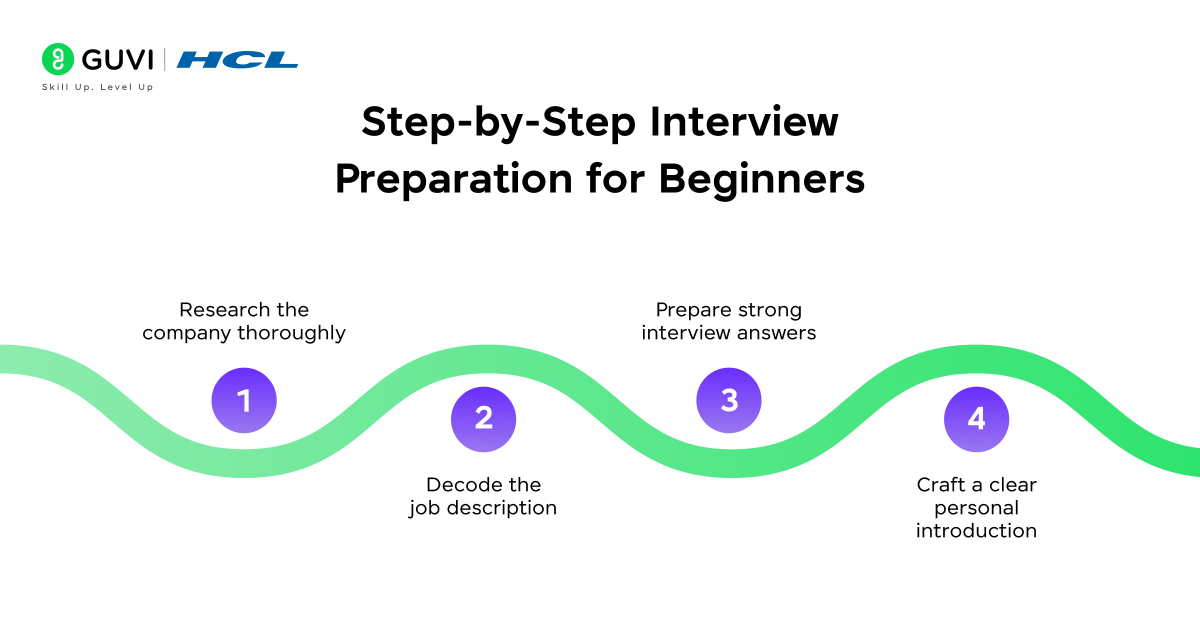
- Step-by-Step Interview Preparation for Beginners
- Research the Company Thoroughly
- Decode the Job Description
- Prepare Strong Interview Answers
- Craft a Clear Personal Introduction
- Tips to Build Genuine Confidence
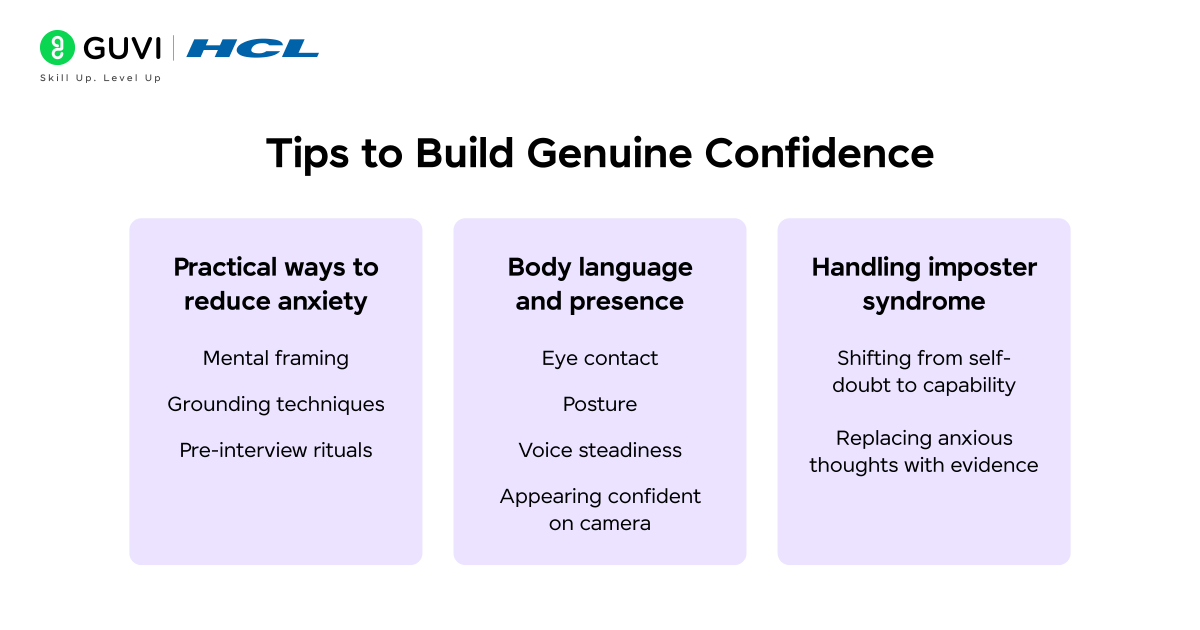
- Practical Ways to Reduce Anxiety
- Body Language and Presence
- Handling Imposter Syndrome
- What to Prepare Before the Interview?
- Interview Etiquette for Beginners
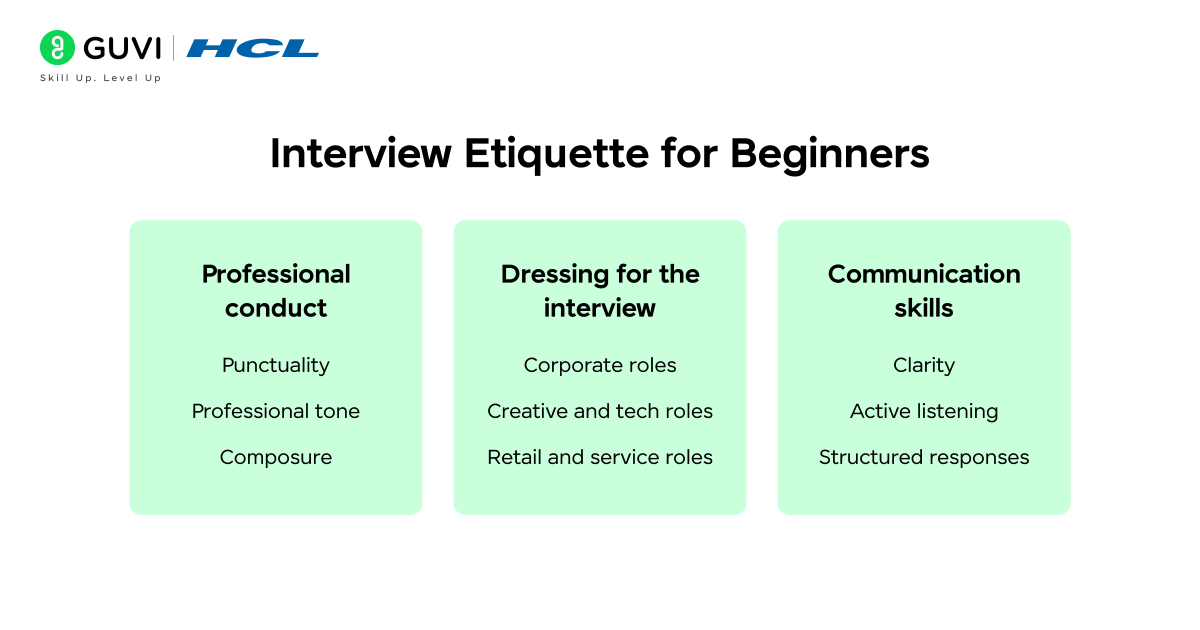
- Professional Conduct
- Dressing for the Interview
- Communication Skills
- Tips to Prepare for Your First Non-Technical Job Interview
- Tips to Prepare for Your First Technical Job Interview
- Smart Questions to Ask the Interviewer
- Questions About the Role
- Questions About the Team and Culture
- Questions About Growth and Development
- Ending the Interview With Confidence
- Post-Interview Strategy for Beginners
- Conclusion
- FAQs
- What should you say if you don’t know the answer during an interview?
- How can beginners make a strong impression without experience?
- How early should you start preparing for your first job interview?
Understanding the Interview Landscape
Interviews form the bridge between your preparation and your opportunity to prove potential. Understanding how they work helps you approach each stage with a calm and informed mindset. The process often begins with a phone screening where recruiters focus on how clearly you communicate and how well your background matches the role. A virtual or video job interview usually follows, assessing your focus, professionalism, and comfort with technology. In-person meetings then provide a closer look at your presence, confidence, and ability to engage in real time.
Employers recognize that beginners may not have years of experience, so they concentrate on qualities that reflect growth potential. They notice how you listen, how you organize your thoughts, and how you respond to new information. Communication, attitude, and clarity of thought carry significant weight because they show readiness to learn and adapt. When you see interviews as two-way conversations, the pressure starts to ease. You begin to express your curiosity and motivation more naturally. That mindset helps you explain how the role fits your goals and ace your first job interview with confidence.
Step-by-Step Interview Preparation for Beginners
1. Research the Company Thoroughly
Good preparation begins with understanding the company you are interviewing with. When you know what the organization stands for, your answers sound more confident and relevant. You can start by exploring the company’s website to learn about its mission, services, and team.
Platforms such as Glassdoor offer insight into employee experiences, while LinkedIn highlights updates about projects and leadership. Reviewing these sources helps you sense the company’s culture and priorities. When you understand what drives the organization, you can tailor your responses to show that your values align with theirs.
2. Decode the Job Description
Every job description tells a story about what the employer values most. Reading it carefully reveals which skills and traits they consider essential. You can highlight repeated keywords or phrases to identify the main priorities. These details guide you in matching your strengths to what the company needs. When you understand the expectations clearly, your responses sound more focused and relevant. You also demonstrate that you took the time to prepare with purpose.
3. Prepare Strong Interview Answers
Confidence grows when you practice how to respond to the common job interview questions most beginners face. Interviewers often ask about your strengths, challenges, or how you handle teamwork and problem-solving. You can prepare short stories that show how you approach situations thoughtfully.
A simple method called STAR can help you structure your answers. You describe the situation, explain the task, outline your action, and finish with the result. This format keeps your thoughts organized and helps the interviewer follow your reasoning easily.

4. Craft a Clear Personal Introduction
Your introduction sets the tone for the rest of the conversation. A well-prepared opening helps you make a strong first impression, even if you have limited experience. You can begin with your background, mention a few strengths, and explain why you are interested in the position. This approach shows confidence, awareness, and genuine motivation.
A clear and calm introduction signals that you have prepared thoughtfully. It also shows that you are ready to engage in a meaningful conversation about your potential.
Tips to Build Genuine Confidence
1. Practical Ways to Reduce Anxiety
Nervousness before an interview is common, yet you can manage it through small but effective actions that calm your thoughts. A few practical methods can help you enter the room feeling composed:
- Mental Framing: You can remind yourself that an interview is a conversation rather than an exam. Focusing on what you can control, such as preparation and attitude, creates steadiness.
- Grounding Techniques: Taking slow, deep breaths and moving your shoulders gently releases tension and clears your focus. Pausing for a few seconds before you speak helps your mind settle.
- Pre-Interview Rituals: Reviewing short notes or recalling a recent achievement builds confidence. Simple habits like these make you feel prepared and present in the moment.
2. Body Language and Presence
Your body language communicates confidence before you even begin to speak. Paying attention to small physical cues helps you appear relaxed and professional.
- Eye Contact: Maintaining natural eye contact shows attentiveness and interest without creating pressure.
- Posture: Sitting upright with your shoulders relaxed sends a message of confidence and respect.
- Voice Steadiness: Speaking at a measured pace and with a calm tone shows that you are composed and engaged.
- Appearing Confident on Camera: For online interviews, you can position your camera at eye level, check your lighting, and speak clearly. These steps help you look focused and prepared.
3. Handling Imposter Syndrome
Feeling uncertain about your worth is normal when you start something new. You can rebuild confidence through small shifts in how you think and what you notice as you prepare for an interview.
- Shifting from Self-Doubt to Capability: Reflecting on what you have already learned or achieved shows that you are capable of growth. Even small successes prove your potential.
- Replacing Anxious Thoughts with Evidence: Listing real examples of your effort or feedback you have received replaces doubt with proof. These reminders help you walk into the interview with quiet assurance.
What to Prepare Before the Interview?
Here are the essentials to have ready before your interview:
- Resume Copies: Bring printed copies of your updated resume, even if you already sent it online. Having them ready shows responsibility and makes it easier to discuss your achievements when asked.
- Reference List and Portfolio Samples: Keep a short list of references along with a small portfolio or work samples that highlight your abilities. These materials help the interviewer understand your practical skills and potential contributions.
- Virtual Setup: For online interviews, prepare your space with good lighting, clear sound, and a distraction-free background. Testing your camera and internet connection before the call gives you one less thing to worry about. It also helps you appear organized and composed.
Interview Etiquette for Beginners
Professional Conduct
The way you carry yourself sets the tone for the conversation. Good manners and punctuality reflect maturity and reliability. Keep the following in mind during your interaction:
- Punctuality: Arrive about ten minutes early for an in-person interview or join an online call a few minutes before the scheduled time. This small step shows respect for the interviewer’s schedule.
- Professional Tone: Greet the interviewer warmly, maintain steady eye contact, and use a calm, clear voice. Listening fully before responding shows that you value the exchange.
- Composure: Staying calm even when faced with difficult questions demonstrates confidence and emotional control, two traits employers often notice.
Dressing for the Interview
Your appearance speaks before you do, and appropriate clothing helps you convey professionalism. The right outfit also builds your confidence. Consider the setting and prepare accordingly:
- Corporate Roles: Choose formal wear such as a neatly pressed shirt, trousers, or a business suit. Simple colors and clean shoes create a professional look.
- Creative and Tech Roles: Opt for smart-casual clothing such as a collared shirt or blouse with tailored pants. The goal is to appear polished yet comfortable.
- Retail and Service Roles: Clean, well-fitted attire with minimal accessories works best. The focus should remain on neatness and approachability.
Communication Skills
Your communication style influences how well you connect with the interviewer. Clear, active communication helps you express ideas confidently. Keep these points in mind as you speak:
- Clarity: Speak at a steady pace and use short, direct sentences that convey your point clearly.
- Active Listening: Pay full attention to the interviewer’s words before replying. Nodding slightly or summarizing a question shows engagement and respect.
- Structured Responses: Organize your answers in a logical sequence so your thoughts are easy to follow. Taking a brief pause before answering helps you respond with intention rather than rushing.
Tips to Prepare for Your First Non-Technical Job Interview
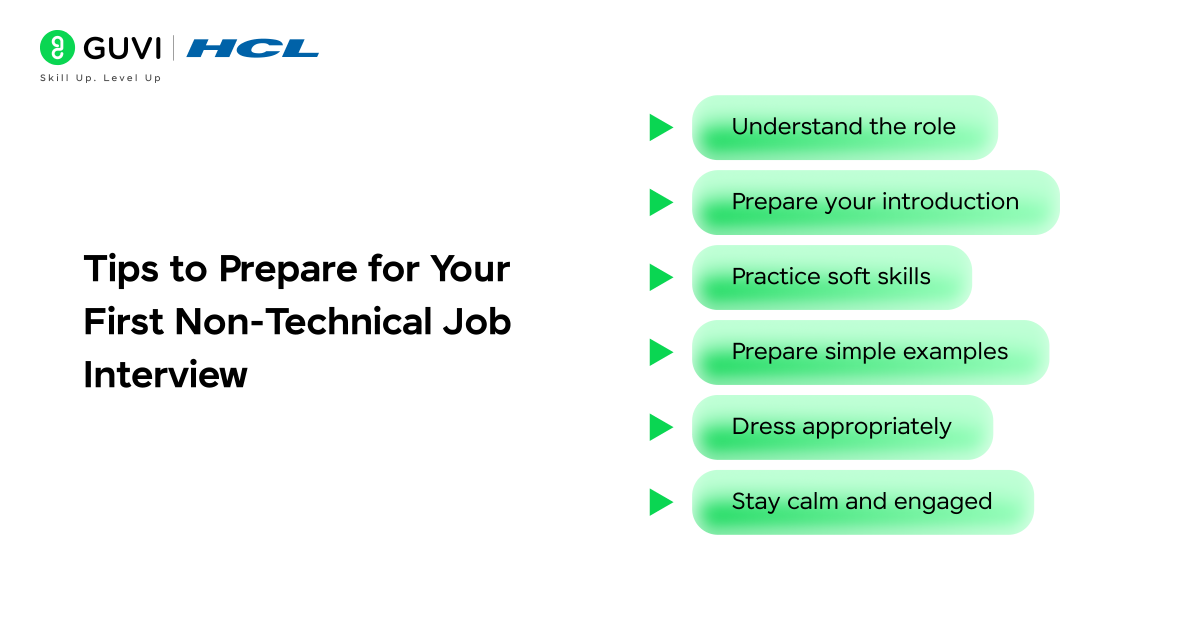
- Understand the Role: Review the job description carefully. Identify the main responsibilities and note how your existing strengths align with them.
- Prepare Your Introduction: Create a short and clear personal summary. Mention your background, interests, and what motivated you to apply for the role.
- Practice Soft Skills: Focus on communication, teamwork, and adaptability. Employers value candidates who can collaborate effectively and respond calmly under pressure.
- Prepare Simple Examples: Think of short stories that show responsibility, problem-solving, or customer interaction. Real examples help you sound genuine and prepared.
- Dress Appropriately: Choose neat and professional clothing suited to the company culture. A clean and confident appearance sets a positive tone.
- Stay Calm and Engaged: Listen carefully to each question. Take a brief pause to organize your thoughts before answering. This shows composure and confidence.
Tips to Prepare for Your First Technical Job Interview
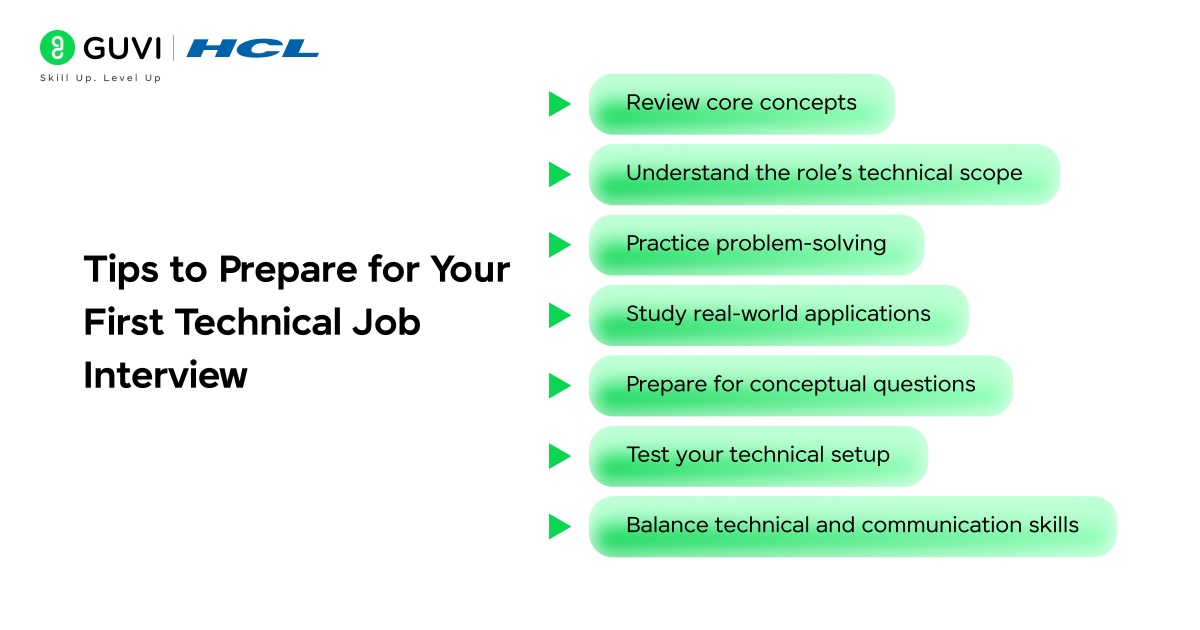
- Review Core Concepts: Revisit programming basics, data structures, or relevant tools in your field. For example, study common Java interview questions and answers to strengthen your foundation.
- Understand the Role’s Technical Scope: Learn which technologies the company uses and what kind of challenges the role involves. Tailoring your preparation helps you stay focused.
- Practice Problem-Solving: Use coding platforms such as Codekata, LeetCode or HackerRank to improve your logical thinking. Work through problems slowly and explain your approach clearly.
- Study Real-World Applications: Review past projects, assignments, or case studies. Be ready to describe what you built, how you approached challenges, and what results you achieved.
- Prepare for Conceptual Questions: If you are entering a data or AI role, review deep learning interview questions and answers to understand topics like model training and optimization.
- Test Your Technical Setup: For online interviews, check your tools, IDE, and internet connection beforehand. Having a smooth setup shows professionalism and attention to detail.
- Balance Technical and Communication Skills: Explain your logic step by step. Interviewers value how you think as much as what you know. Clarity and calmness leave a lasting impression.
Smart Questions to Ask the Interviewer
Asking thoughtful questions shows that you are engaged, prepared, and genuinely interested in the position. A well-placed question can also help you understand whether the role and company align with your goals. Before your interview ends, you can ask questions that create meaningful dialogue and leave a strong final impression.
Here are examples of what you can ask:
1. Questions About the Role
These questions help you understand daily expectations and key responsibilities.
- What are the main goals for this position in the first few months?
- How do you measure success for someone in this role?
- What does a typical workday look like for the person who fills this position?
2. Questions About the Team and Culture
Asking about the work environment shows that you care about collaboration and long-term fit.
- Can you tell me more about the team I would be working with?
- How would you describe the company culture?
- What qualities do you value most in your team members?
3. Questions About Growth and Development
These questions reflect curiosity and a willingness to learn and improve.
- Are there opportunities for professional training or mentorship?
- How does the company support career growth for beginners?
- What skills tend to help employees advance in this organization?
Also, Read: Top AI Interview Preparation Tips to Land Your Dream Job (2026 Guide)
Ending the Interview With Confidence
- Express Appreciation: Thank the interviewer for their time and for sharing insights about the company. Simple appreciation conveys respect and professionalism.
- Reinforce Your Interest: Briefly restate why the position feels like a strong fit for your goals and abilities. This reminder helps the interviewer remember your enthusiasm and alignment with the role.
- Ask About Next Steps: Politely inquire about the hiring timeline or the next stage of the process. A clear understanding prevents uncertainty and shows that you are genuinely engaged.
- End on a Positive Note: Maintain a calm and friendly tone as you say goodbye. A warm smile, steady eye contact, or a polite thank-you message creates a positive memory of your interaction.
Getting ready for your first job interview? Build the skills and confidence you need with HCL GUVI’s Interview Preparation Course. Designed by industry experts, this course helps beginners master body language, communication, and interview strategy through mock sessions, personalized feedback, and real-world HR and technical question practice. Learn how to express your strengths with clarity, stay calm under pressure, and make a lasting first impression that opens career opportunities.
Post-Interview Strategy for Beginners
Following focused actions helps you stay organized and motivated after the interview:
- Send a Thank-You Message: Express gratitude within a day of your interview. A short, polite note that mentions something specific from the conversation helps you stand out. It also reminds the interviewer of your interest and professionalism.
- Reflect on Your Performance: Take a few minutes to think about what went well and what could improve. Writing a summary of your answers helps you recognize patterns and prepare more effectively for future interviews.
- Track Your Applications: Keep a simple record of where you applied, who you met, and what stage you are in. This habit prevents confusion and helps you follow up at the right time.
- Stay Patient and Positive: The hiring process can take time. Use this waiting period to strengthen your skills, review common questions, or learn something new related to your field. Each small effort keeps your momentum steady.
Conclusion
Your first interview may feel uncertain, but preparation turns nervous energy into calm confidence. When you research thoroughly, practice thoughtfully, and approach each step with intention, you show professionalism that interviewers respect. Every question you answer and every detail you prepare brings you closer to clarity and opportunity. Progress builds with practice, and each interview becomes a chance to grow stronger. With steady preparation and the right mindset, your first interview can mark the beginning of a confident and successful career journey.
FAQs
1. What should you say if you don’t know the answer during an interview?
If you face a question you cannot answer, stay calm and honest. You can acknowledge that you do not have that specific experience yet, but explain how you would approach learning it. This shows humility, problem-solving ability, and a willingness to grow, qualities that matter more than having every answer ready.
2. How can beginners make a strong impression without experience?
Beginners can stand out by showing preparation, curiosity, and genuine enthusiasm. Clear communication, good manners, and thoughtful questions demonstrate professionalism. Employers value candidates who show potential, confidence, and the ability to learn quickly, even more than long experience.
3. How early should you start preparing for your first job interview?
You can begin preparing a few days in advance by researching the company, reviewing common questions, and practicing short, clear answers. Setting aside time to plan your outfit, organize materials, and test your technology helps you feel calm and confident on interview day.
Success Stories

About the Author
Vaishali
I'm a seasoned writer with four years of experience across technical, non-technical, and just about every genre or niche you can imagine. Adaptable and curious, I enjoy exploring new topics and making information engaging and easy to understand. Fueled by a steady stream of tea, I approach each project with creativity, reliability, and genuine enthusiasm for storytelling.
View all posts by Vaishali
Connect with me @









Did you enjoy this article?