


Data Science Articles
Hypothesis Testing: A Beginner's Guide for Data Scientists
Pandas Advanced Techniques for Data Scientists
Data Warehouse vs. Data Lake vs. Lakehouse: What's the Difference?
SQL Window Functions: Practical Examples Every Analyst Needs


Get In Touch For Details! Request More Information

In the digital age, data collection plays a key role in helping organizations make better decisions. It allows businesses to use information to plan strategies, improve services, and create more personalized experiences.
However, data collection is not just about gathering information. It is about collecting the right data in an effective, ethical, and well-structured way so that it remains accurate, relevant, and up to date.
This blog will take you through the basics of data collection, along with the different methods and types used across various industries.
Table of contents
- TL;DR Summary
- What is Data Collection?
- The Importance of Data Collection
- 1) Improves Decision Making
- 2) Enhances Customer Understanding
- 3) Aids in Operational Efficiency
- Types of Data Collection Methods
- 1) Quantitative Methods
- 2) Qualitative Methods
- 3) Mixed Methods
- Key Steps in the Data Collection Process
- Step 1: Defining the Goal
- Step 2: Choosing Methods
- Step 3: Planning Procedures
- Step 4: Collecting Data
- Step 5: Cleaning and Organizing
- Common Challenges in Data Collection
- 1) Data Quality Issues
- 2) Incomplete Data
- 3) Choosing the Right Data
- 4) Low Response Rates
- Conclusion
- FAQs
- How do organizations decide which data collection method is best for a project?
- Why does collected data sometimes give incorrect insights?
- Can data collection be fully automated in real-world systems?
- What happens if data is collected without a clear goal?
- How do companies handle large amounts of raw data after collection?
- Why is collecting responses from people often difficult in surveys?
TL;DR Summary
- This blog helps you understand data collection in a simple, clear way.
- It explains the importance of data collection and why it is used.
- It gives an overview of types of data collection methods used in different situations.
- It covers the key steps in the process and the common challenges faced in data collection.
Did you know? Clive Humby, a British mathematician, famously said in 2006, “Data is the new oil,” highlighting how important data collection has become in the modern digital world.
What is Data Collection?
Data collection is the systematic process of gathering information from various sources to gain insights and make informed decisions. It involves various methodologies, such as surveys, interviews, observations, and automated data logging, depending on the nature of the data and the desired outcome.
For instance, in healthcare, sensors and wearable devices collect real-time patient data to monitor vital signs, enabling timely interventions.
In the business sector, web analytics tools track user behavior on websites, providing valuable insights into consumer preferences and market trends. Effective data collection is crucial for accurate analysis, driving strategic decisions, and fostering innovation across various fields.
The Importance of Data Collection
Data collection is a pivotal function in today’s data-driven landscape, where making informed decisions is crucial for business success.
By gathering and analyzing relevant data, organizations can significantly enhance their decision-making processes, understand customer behaviors and preferences, and improve operational efficiency.
1) Improves Decision Making
Data collection empowers businesses to make decisions not just on intuition but on solid, data-driven insights.
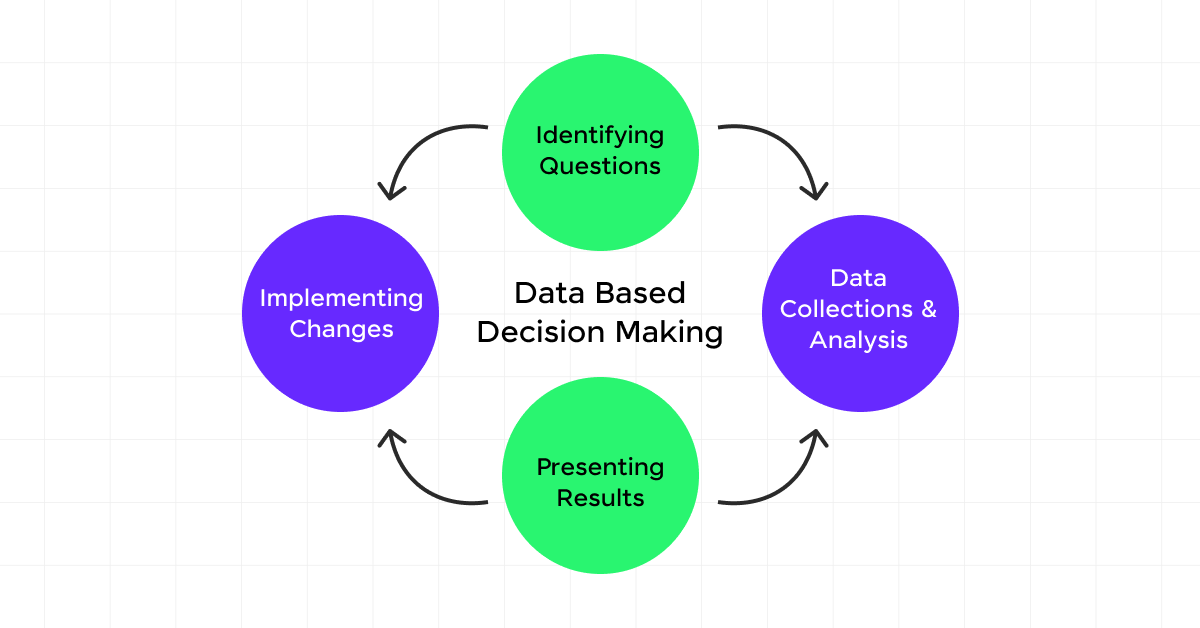
For instance, business analytics and big data can forecast customer behavior trends, market changes, and price fluctuations, aiding organizations in adapting to competitive environments effectively.
This predictive analysis is crucial for achieving a perfect product-market fit, thereby improving decision-making at every organizational level.
2) Enhances Customer Understanding
Understanding your customers’ needs and behaviors is essential for tailoring products and services that meet their expectations.
Data collection methods, such as analyzing purchase histories and customer feedback, provide actionable insights into consumer behavior, preferences, and trends.
This data-driven approach not only boosts customer engagement but also enhances retention, giving businesses a competitive edge in the market.
3) Aids in Operational Efficiency
Operational efficiency is about maximizing productivity and reducing waste, and data collection plays a critical role in achieving these objectives.
By analyzing data from various sources, such as customer feedback and sales reports, companies can identify inefficiencies and optimize processes.
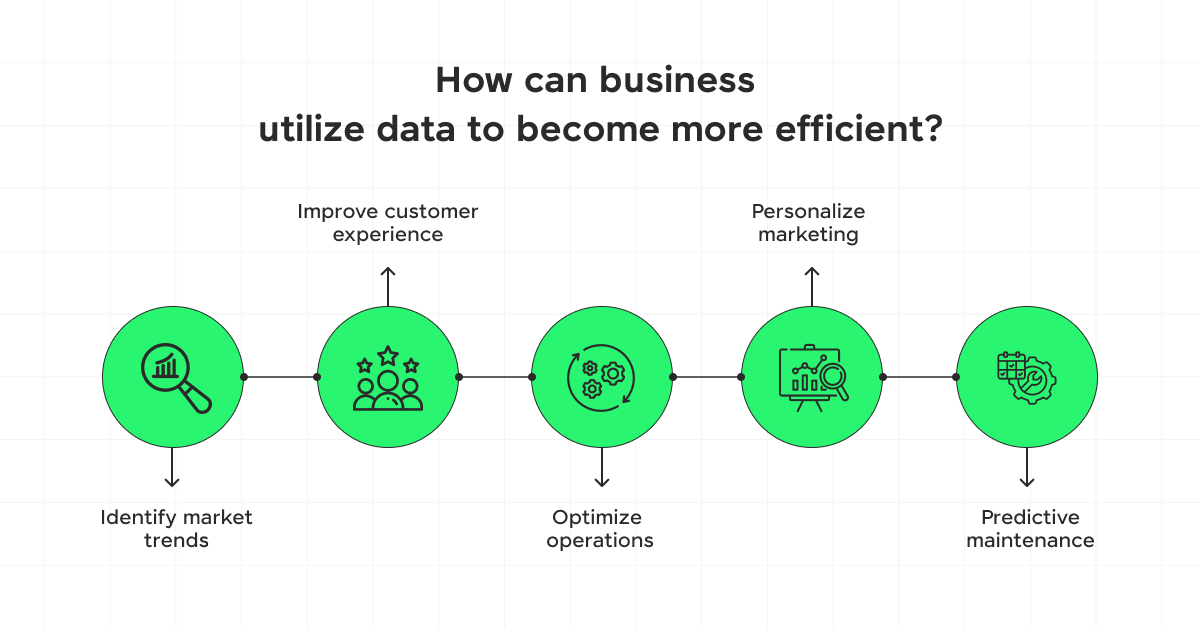
This not only helps in aligning every aspect of operations to enhance performance but also reduces operational costs and improves customer satisfaction.
In simple terms, data collection is indispensable for businesses aiming to thrive in a dynamic market. It supports informed decision-making, enhances customer understanding, and aids in operational efficiency, making it a cornerstone of modern business strategy.
Types of Data Collection Methods
Exploring the different types of data collection methods is essential for harnessing the full potential of your analytical endeavors.
These methods fall into three primary categories: Quantitative Methods, Qualitative Methods, and Mixed Methods. Each type has its unique applications and is chosen based on the specific needs of the research or data collection initiative.
1) Quantitative Methods
Quantitative data collection involves structured techniques such as surveys, questionnaires, and experiments that yield numerical data. This data can be easily quantified and subjected to statistical analysis, making it invaluable for testing hypotheses and making predictions.
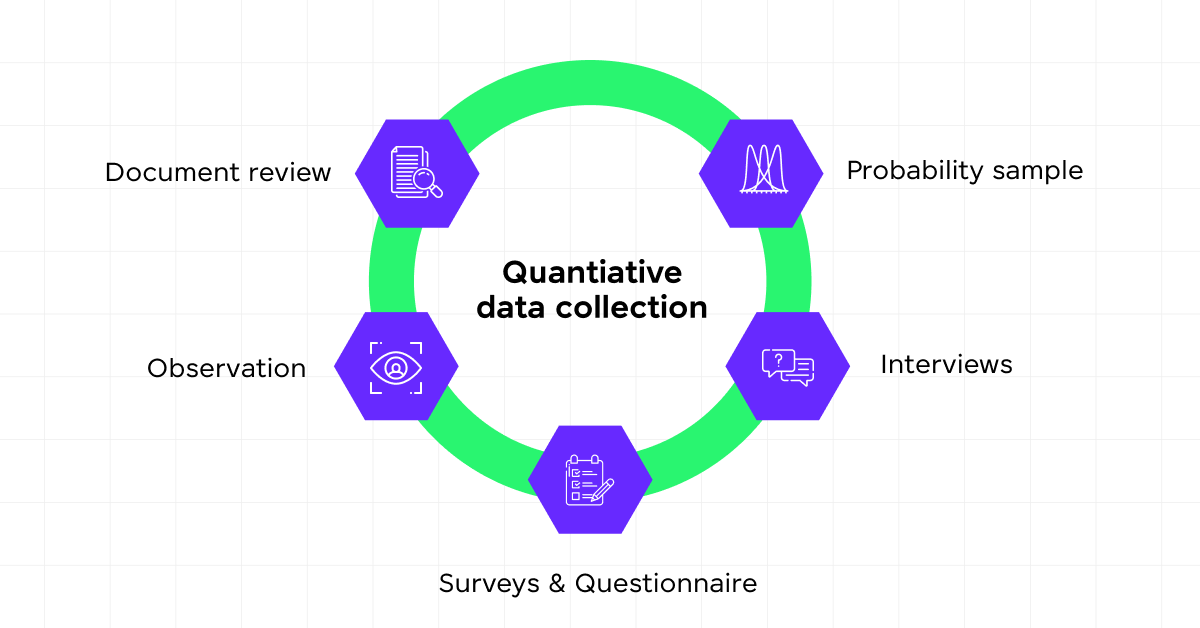
You’ll find these methods particularly useful when you need to measure variables numerically and assess relationships between them. For instance, using online surveys to gather customer feedback on product satisfaction enables quick aggregation and analysis of large datasets to identify trends and patterns.
Master Your Basics: Understanding the Data Science Process: A Useful Guide!
2) Qualitative Methods
In contrast, qualitative data collection methods focus on descriptive data that can be observed but not measured. Techniques like interviews, focus groups, and observations are typical methods that provide depth and detail through direct quotes and comprehensive narratives.
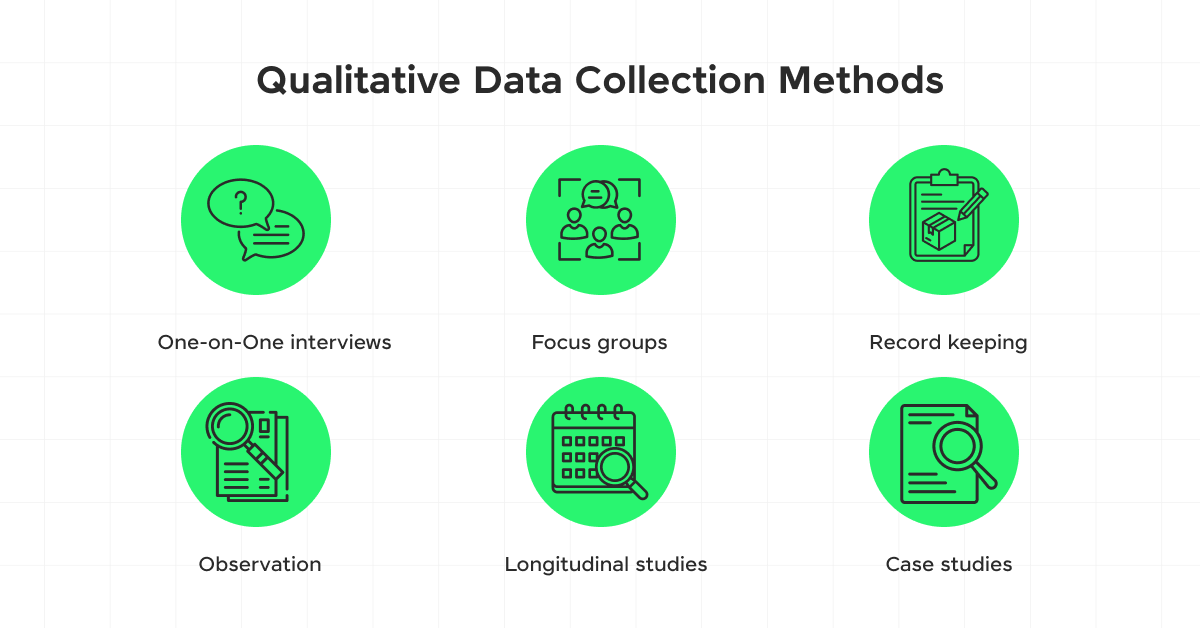
These methods are pivotal when you aim to understand concepts, thoughts, or experiences from a personal perspective. For example, conducting in-depth interviews can uncover why customers prefer one product over another, providing insights unattainable through numerical data alone.
3) Mixed Methods
Mixed methods combine elements of both quantitative and qualitative data collection. This approach enables a comprehensive analysis that leverages the strengths of both data types.
By integrating quantitative surveys with qualitative interviews, you can enrich your understanding of a research topic, providing a more complete picture of the phenomena under study.
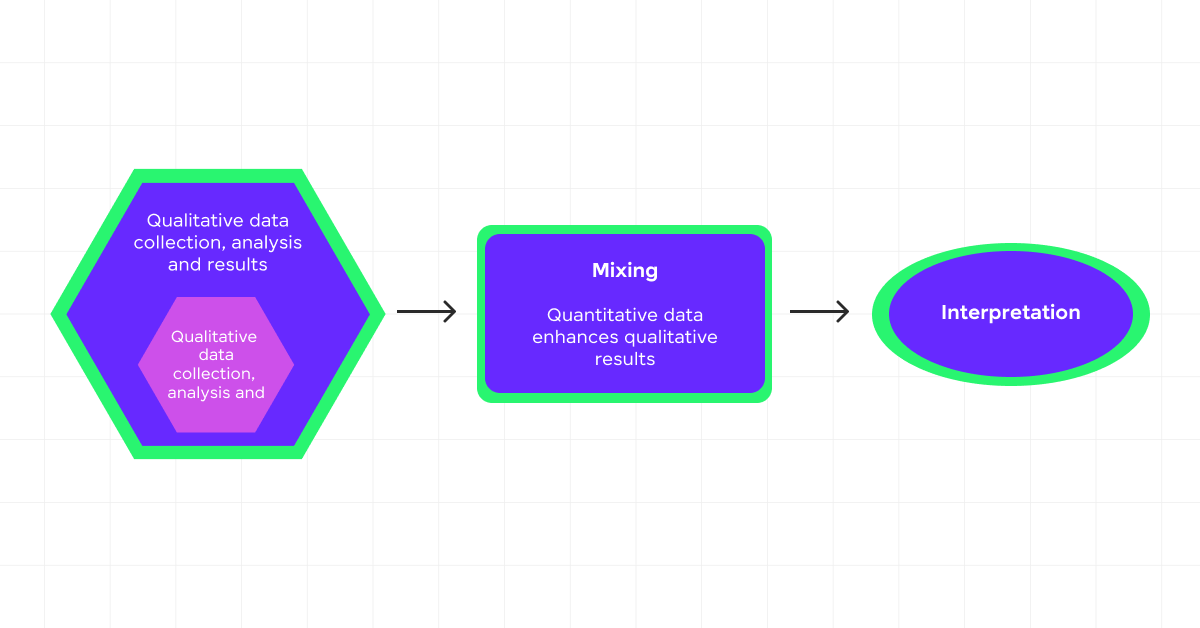
This method is particularly beneficial when addressing complex research questions that require multiple perspectives to uncover the nuances of the subject matter.
Each of these methods plays a crucial role in data collection, and selecting the appropriate type depends on your specific research goals and the nature of the information you seek. By understanding these differences and applying the right techniques, you can ensure high-quality data collection that supports informed decision-making.
Key Steps in the Data Collection Process
Step 1: Defining the Goal
- Before you begin collecting data, it’s essential to clearly define what you aim to achieve.
- This involves engaging stakeholders to establish clear objectives and key questions.
- Understanding the purpose of your project—whether solving a problem or making informed decisions—guides the entire data collection process.
- Consider the long-term impact and how you will measure success, using historical data if available to refine your approach.

Step 2: Choosing Methods
- Selecting the right data collection methods is crucial and should align with your goals.
- Data collection isn’t limited to surveys and interviews; it extends to automated methods like sensor data or web scraping.
- Evaluate each method’s strengths and limitations, ensuring they match the nature of the data you need.
- This step ensures the data collected is relevant and sufficient for your analysis needs.
Step 3: Planning Procedures
- Develop a detailed plan that outlines how data will be collected.
- This includes deciding on the tools and technologies to be used, the timeline for the collection process, and the personnel involved.
- Establish protocols for each method, whether it involves direct observations, digital tools, or personal interviews.
- Planning also involves setting up quality control measures to ensure data accuracy and reliability from the start.
Step 4: Collecting Data
- With your plan in place, begin the actual data collection.
- Ensure that every member of your team is clear on their roles and the methods to be used.
- Data should be collected systematically to maintain consistency and prevent errors.
- It’s also vital to closely monitor the collection process to make adjustments as needed and ensure compliance with ethical standards, particularly when human subjects are involved.
Step 5: Cleaning and Organizing
- After data collection, the next crucial step is data cleaning and organizing.
- This involves removing any inaccurate or irrelevant data, correcting errors, and ensuring all data is in a consistent format.
- Organizing your data effectively allows for easier analysis and helps maintain the integrity of your data set.
- Use appropriate software tools to assist in this process, ensuring that your data is ready for analysis.
By following these steps, you ensure that your data collection process is robust, efficient, and tailored to meet your specific research goals, ultimately leading to more accurate and reliable outcomes.
Common Challenges in Data Collection
1) Data Quality Issues
Ensuring data quality is a significant challenge during data collection. The initial data gathered often requires extensive pre-processing and annotation, which are labour-intensive and prone to errors.
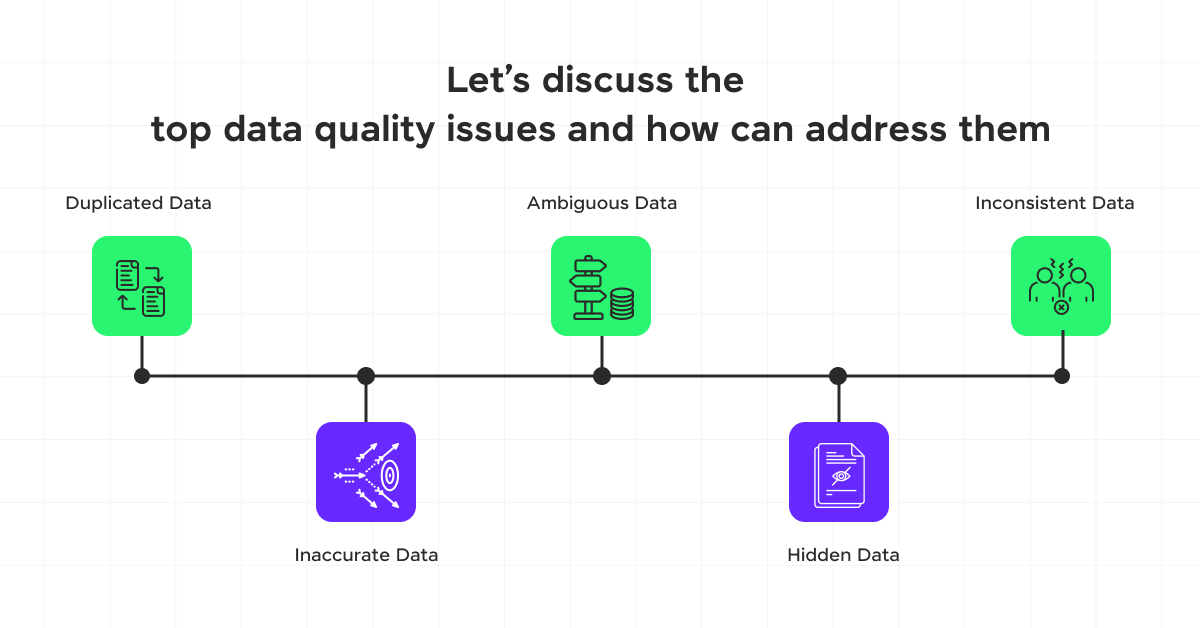
To address these issues, leveraging data preprocessing tools and implementing rigorous quality assurance practices are essential. These measures help verify data integrity and reduce data redundancy, ensuring the reliability of the data used for analysis.
2) Incomplete Data
Missing data is a pervasive issue that can undermine the statistical power of research and lead to biased results. Techniques such as imputation, in which missing values are replaced with estimates, and data removal, in which incomplete data points are excluded, are commonly used.
However, these methods need careful application to avoid introducing further bias into the analysis.
3) Choosing the Right Data
Selecting appropriate datasets is crucial to the success of data projects. Often, data sets do not fully represent the scope of the project or align with real-world conditions, leading to inaccurate results.
It’s vital to ensure the data covers the full project scope and to consider all available data collection methods to gather the most relevant data.
4) Low Response Rates
Low response rates in surveys and studies can significantly affect data quality, introducing bias and reducing the representativeness of the sample.
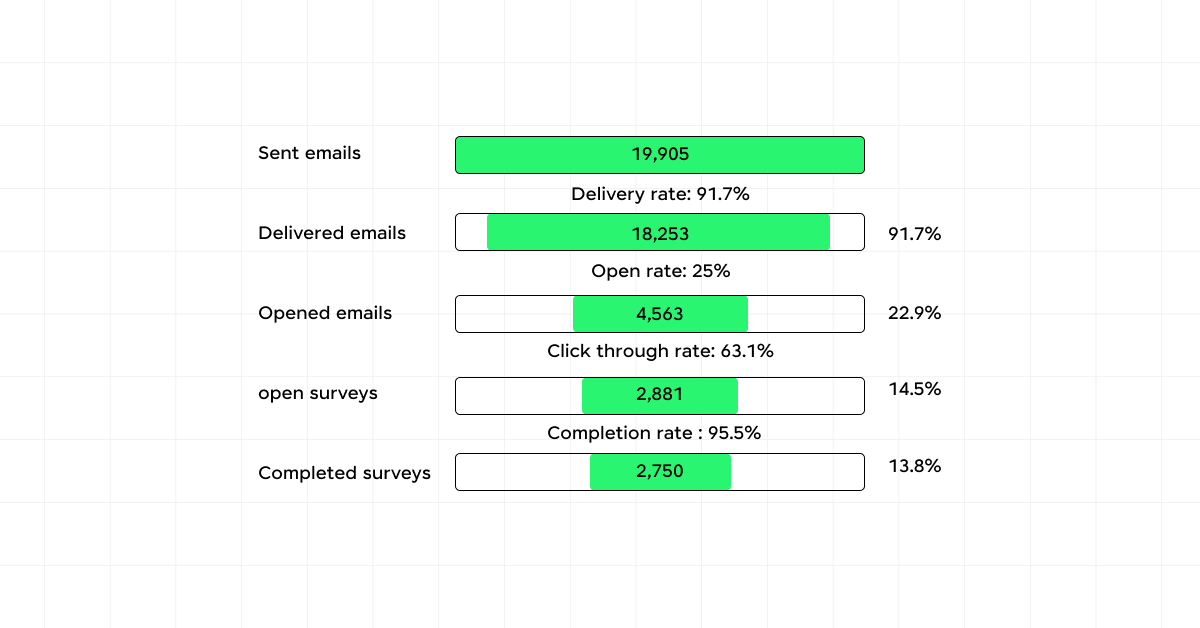
Strategies to improve response rates include designing engaging and concise surveys, offering incentives, and employing multiple recruitment methods to ensure a diverse and representative sample.
Kickstart your Data Science journey by enrolling in HCL GUVI’s Data Science Course, where you will master technologies like MongoDB, Tableau, Power BI, Pandas, etc., and build interesting real-life projects.
Alternatively, if you want to explore Python through a self-paced course, try HCL GUVI’s Python course.
Conclusion
In conclusion, the importance of data collection in the digital age is clearly evident, as it enables organizations to make informed decisions, understand customer behavior, and improve operational efficiency.
From setting clear goals to selecting the right methods, planning, collecting, organizing data, and overcoming challenges, every step plays a crucial role in the overall process. Effective data collection not only strengthens business decision-making but also helps organizations grow with greater accuracy and confidence in a data-driven world.
FAQs
How do organizations decide which data collection method is best for a project?
Organizations choose methods based on their goal, type of data needed, available tools, and the level of detail required for analysis.
Why does collected data sometimes give incorrect insights?
Incorrect insights often come from poor data quality, missing values, or selecting data that does not fully represent the situation.
Can data collection be fully automated in real-world systems?
Many parts can be automated using tools and sensors, but human involvement is still needed for planning, monitoring, and validation.
What happens if data is collected without a clear goal?
Without a clear goal, data becomes scattered and difficult to use, making analysis less useful for decision-making.
How do companies handle large amounts of raw data after collection?
They clean, filter, and organize it using software tools so it becomes usable for analysis and reporting.
Why is collecting responses from people often difficult in surveys?
People may ignore surveys, give incomplete answers, or lose interest, which reduces the quality of collected data.
Success Stories













Did you enjoy this article?