


Working with Lists
Working with Lists
Lists are ordered collections that can store multiple values in a single variable. In data science, lists are useful for storing measurements, product prices, customer ratings, and other collections of values.
Creating and Accessing Lists
product_prices = [1200, 850, 1500, 2200, 950]
print(product_prices)
print(product_prices[0])   # First price
print(product_prices[-1])  # Last price
Python uses zero-based indexing, meaning the first element is at index 0. Negative indexing allows you to access elements from the end of a list.
Modifying Lists
Lists are mutable, so you can change their contents after creation.
product_prices = [1200, 850, 1500]
product_prices.append(1800)
product_prices[1] = 900
print(product_prices)
You can also remove elements and sort values.
product_prices.remove(1200)
product_prices.sort()
print(product_prices)
Extracting a Subset of Values
List slicing extracts a portion of a list using the syntax list[start:stop]. The stop index is excluded.
monthly_sales = [12000, 15000, 18000, 14000, 21000, 25000]
first_quarter = monthly_sales[:3]
print(first_quarter)
Lists are useful for small collections and general-purpose programming. For large numerical datasets, NumPy arrays usually provide more efficient mathematical operations.
Python for Data Science
Vishalini A

Recommended Handbooks

C++ Handbook

Python Basics Handbook

Javascript Handbook

Building a Random Joke Generator Using ReactJS

Build a Character Counter in React JS

Build Your QR Code Generator using React JS

Build a Birthday Reminder App using React JS

Building BMI Calculator Using ReactJS
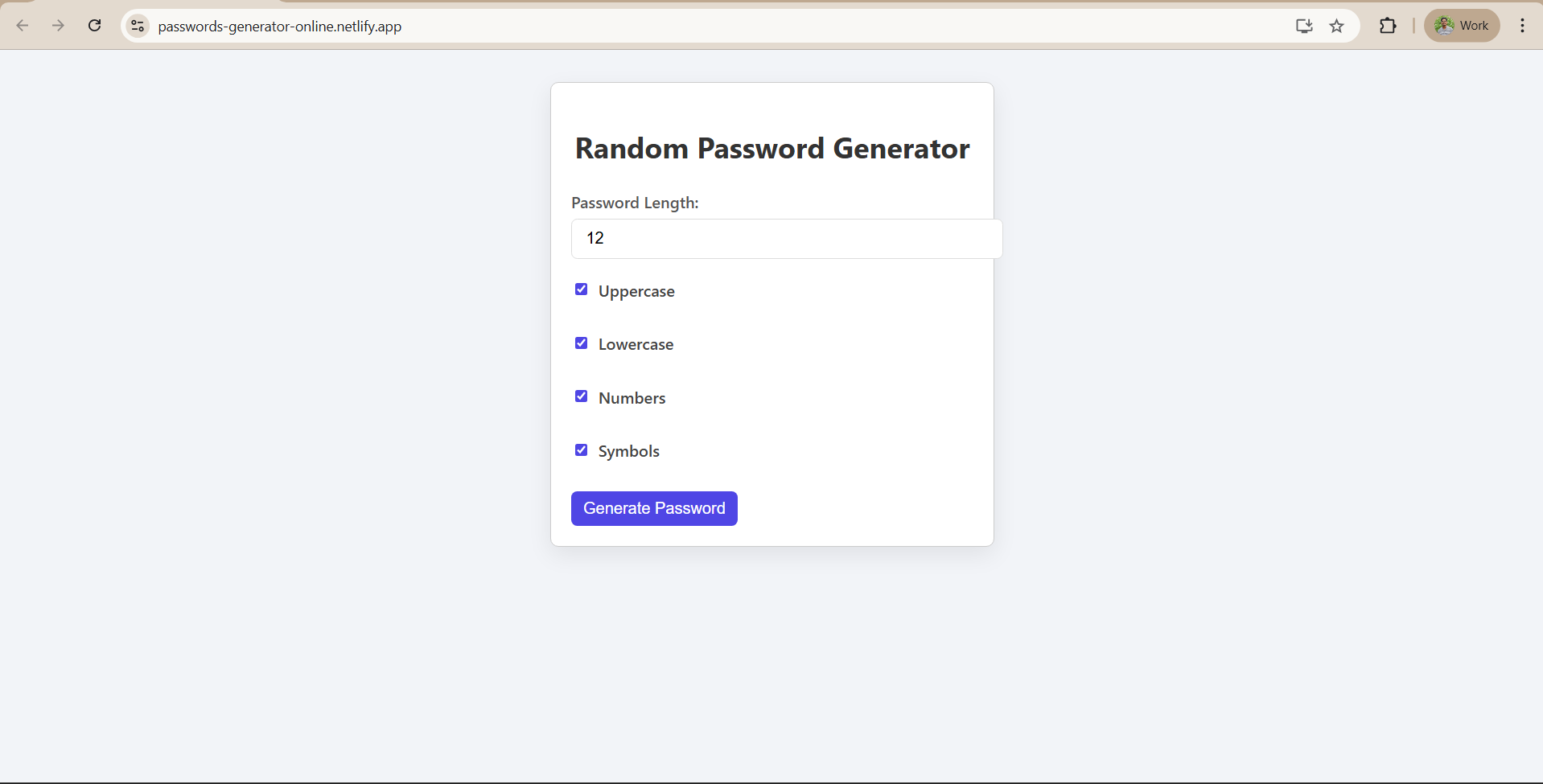
Building Random Password Generator using ReactJS
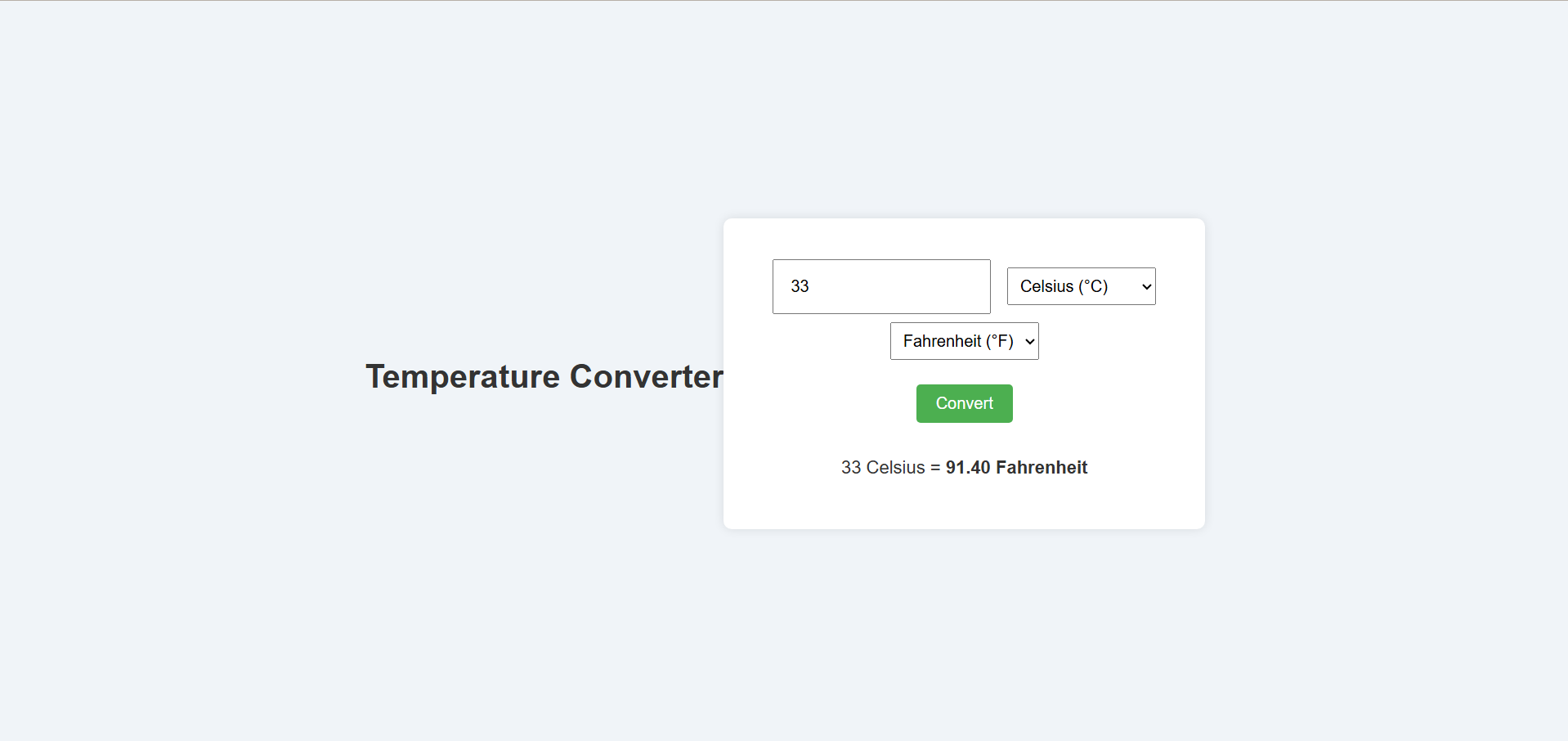
Temperature Converter Project in React
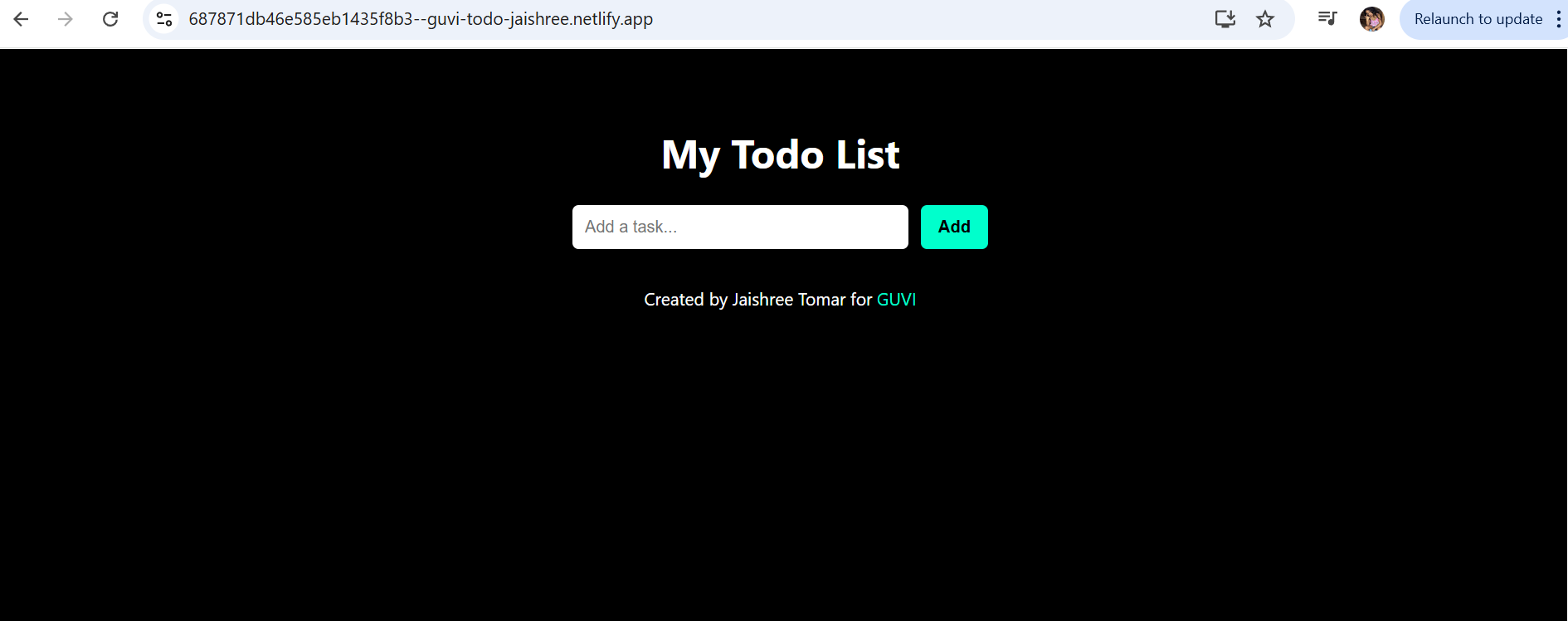
Building a To-Do List App Using ReactJS
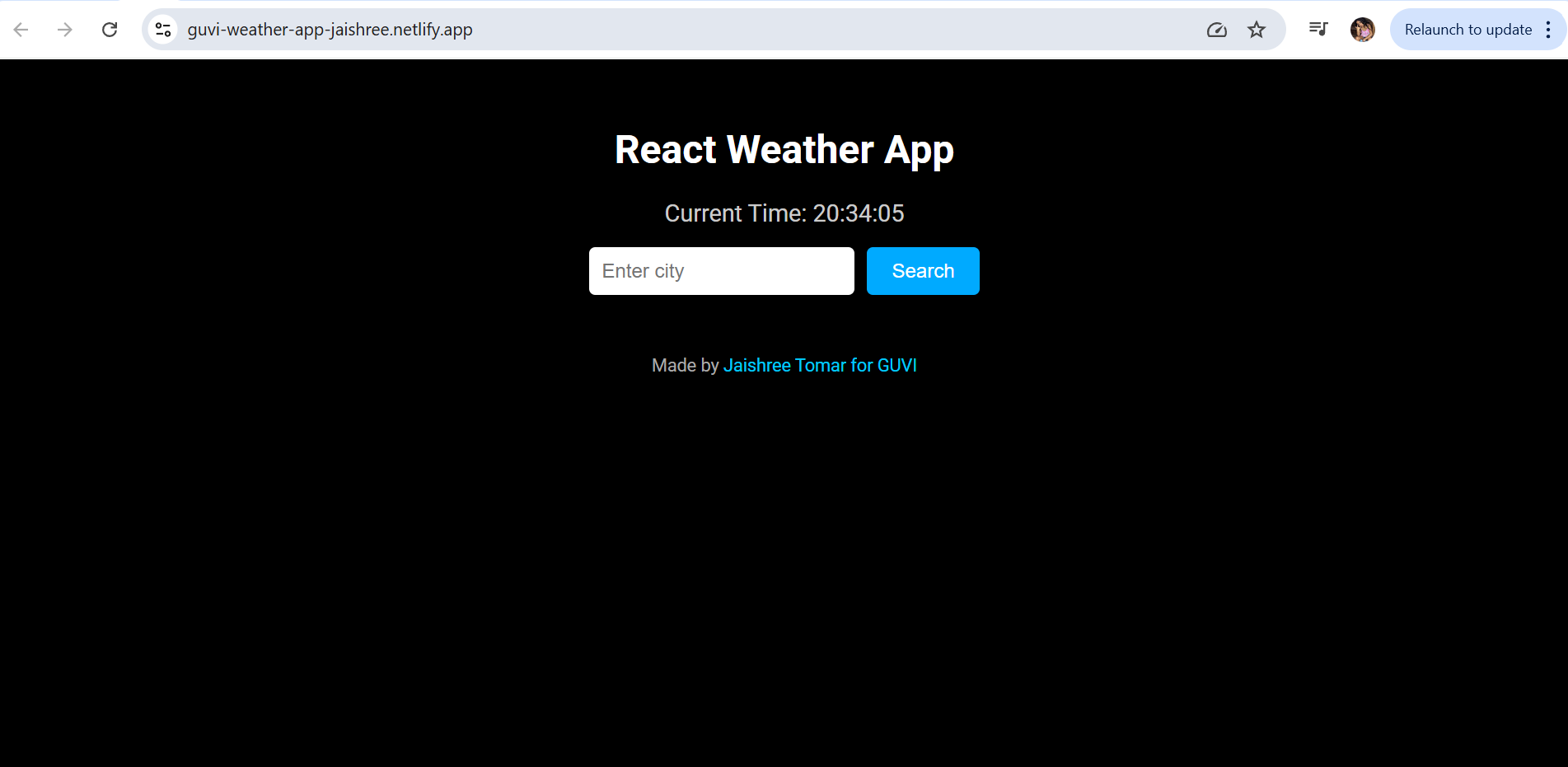
Building a Weather App Project Using ReactJS
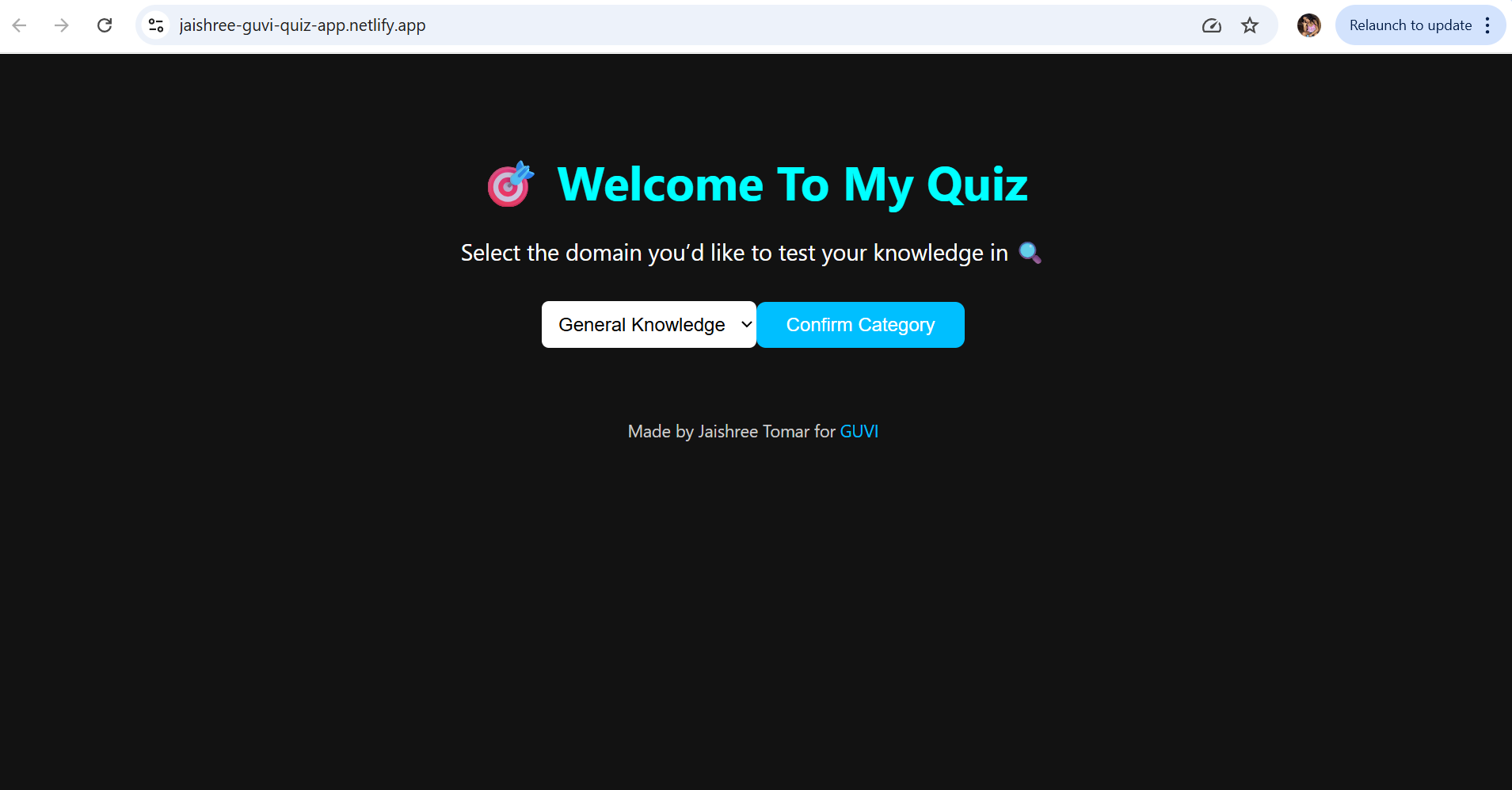
Building a Quiz App in ReactJS
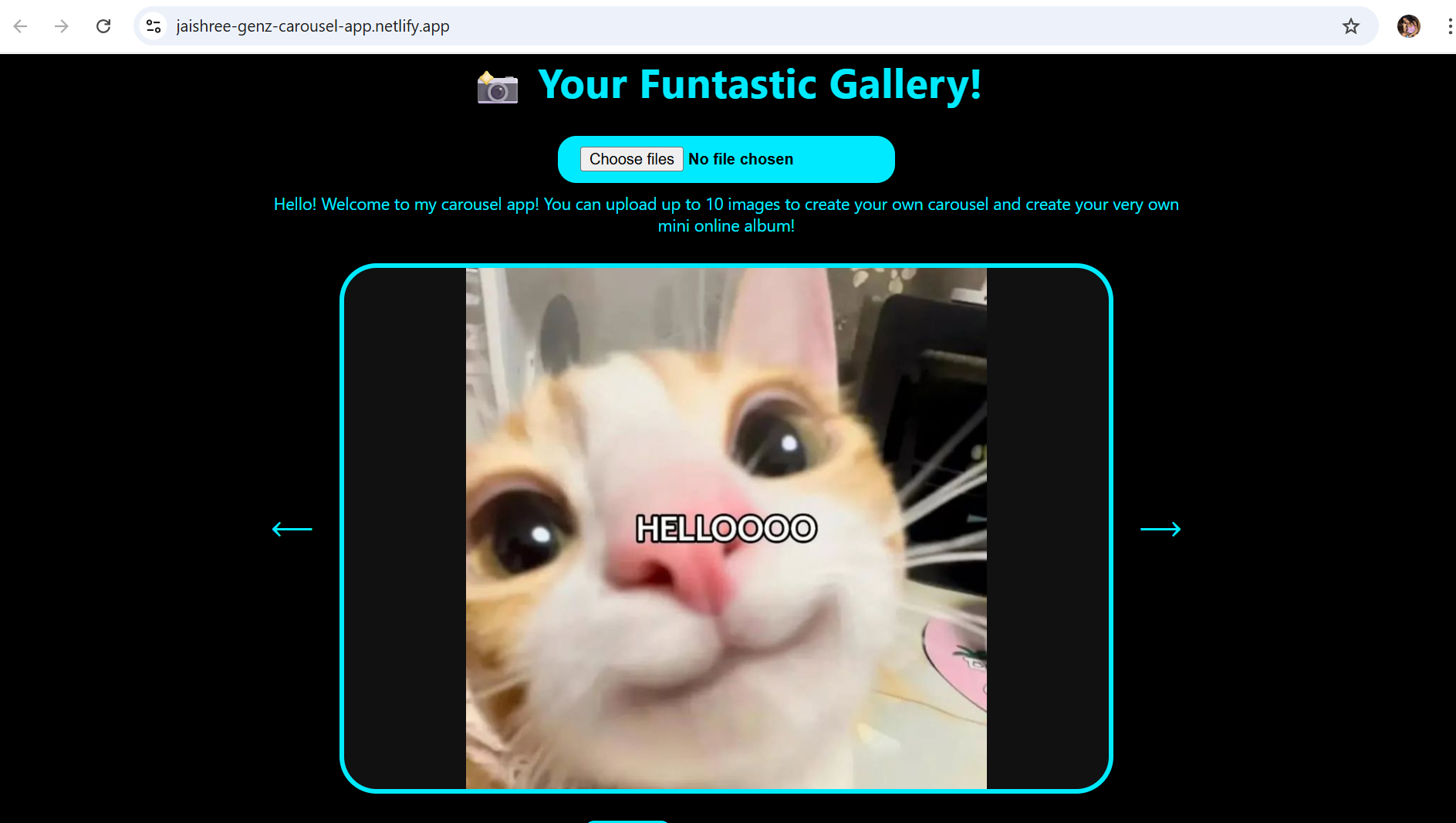
Building a GenZ Carousel App in React
ReactJS Projects Handbook

Computer Networks Tutorial
Operating System Tutorial
DBMS and SQL Tutorial
Java Tutorial

C Language Tutorial

PHP Tutorial

Android Tutorial

Linux Guide Tutorial

Data Structures and Algorithms Tutorial

Computer Architecture

HTML 5 References Tutorial

Docker Tutorial
GIT (Using Github) Tutorial

Go Language Tutorial

GIT Guide

CSS Tutorial
Advanced Data Structures

Spring Framework Tutorial

Spring Boot Tutorial

Kotlin Tutorial

Apache Cordova Tutorial

Python Tutorial
SASS-SCSS Tutorial

MongoDB Tutorial

Numpy Tutorial
PL-SQL Tutorial

Python Built-in Functions Tutorial

Pandas Tutorial

Elasticsearch Tutorial

Matplotlib Tutorial

Web Scraping Tutorial

Networking with Python

Tkinter Tutorial
Java Programs Tutorial
Java Examples Tutorial

Servlet Tutorial

JSP Tutorial
Java Type Conversion Tutorial
Java 8 Tutorial
Java 9 Tutorial
Java 10 Tutorial
Java 11 Tutorial
Java Util Library Tutorial

Building a Contact Us Form in ReactJS

Building a Age Calculator App Using ReactJS

Movie Recommendation System Project Using Content-Based Filtering
Recipe Finder App using ReactJS

Sales Data Analysis Project for Beginners Using Data Science
Student Performance Analysis Project for Beginners Using Data Science

Word Counter Tool Using ReactJS

Customer Churn Prediction Project Using Classification Techniques

Basic Expense Tracker App using ReactJS

Simple Binary to Decimal Converter in React

Real-Time Unit Converter in React

House Price Prediction Using Machine Learning (XGBoost)
Weather Data Analysis and Visualization Using Python

Expandable Accordion Component using React

OTP Verification Component using React

Cricket Data Analysis Using Python

Credit Card Fraud Detection for Beginners using Data Science

Deep learning Tutorial

Software Development Life Cycle Tutorial
Stock Price Prediction for Beginners using Data Science

Apache Kafka Tutorial
Angular Tutorial

Django Tutorial

Computer Programming Tutorial

Tensorflow Tutorial
Java OOPs Concepts Tutorial

Building an Image Classification System Using CNN

News Recommendation System Using Machine Learning

Fake Review Detection System using Machine Learning

Product Feedback App Using Full Stack Development - Customer Review and Rating System

Job Portal with Applicant Tracking System Using Full Stack Development

(FalCon Store) A Modern React-Based E-Commerce App UI with Admin Dashboard

Student Management System using Python (Beginner-Friendly Project Guide)

HTML Tutorial - From Basics to Implementation

Machine Learning Tutorial

ReactJS Tutorial

Hibernate Tutorial

Data Analysis with Python Handbook

Probability and Statistics for Data Science

Artificial Intelligence Tutorial

Power BI Tutorial

R for Data Science
SQL for Data Science