


Understanding Data Science and the Role of Python
Understanding Data Science and the Role of Python
What Is Data Science?
Data science is the process of using data, programming, statistical methods, and domain knowledge to discover patterns, answer questions, and support decisions.
For example, an online retailer might want to understand why sales decreased during a particular month. A data scientist could examine historical transactions, compare product categories, study customer behavior, and identify possible reasons for the decline.
Data science can involve several activities:
- Collecting data from files, databases, APIs, and other sources.
- Cleaning inaccurate, incomplete, or inconsistent records.
- Exploring data to identify trends and relationships.
- Applying statistical techniques to investigate patterns.
- Creating visualizations to communicate findings.
- Building machine learning models to make predictions when appropriate.
The goal is not simply to process large amounts of information. It is to extract useful insights that help solve a real problem.
What Is Python for Data Science?
Python for data science means using the Python programming language and its associated libraries to perform data-related tasks.
Consider a business that stores thousands of sales transactions. Manually calculating total revenue, identifying the best-selling products, and comparing monthly performance would be time-consuming.
Python can automate these operations and make them repeatable.
For example, Python can calculate the average of a collection of sales values:
sales = [1200, 1800, 1500, 2200, 1300]
average_sales = sum(sales) / len(sales)
print("Average sales:", average_sales)
Output:
Average sales: 1600.0
This simple example uses Python's built-in functions to calculate an average. Later, libraries such as Pandas and NumPy will help perform similar operations on much larger datasets.
Where Is Python Used in Data Science?
Python supports many types of data-related work.
Business analytics: Analyze revenue, expenses, customer activity, and operational performance.
Healthcare analytics: Explore medical datasets to identify patterns, subject to appropriate privacy and data-handling requirements.
Financial analysis: Study historical prices, transactions, and financial indicators.
Recommendation systems: Help identify products, movies, or services that may interest users.
Machine learning: Train models that classify information, estimate values, or identify groups within data.
Python is useful across these areas because the same language can support data preparation, analysis, visualization, and model development.
Python for Data Science
Vishalini A

Recommended Handbooks

C++ Handbook

Python Basics Handbook

Javascript Handbook

Building a Random Joke Generator Using ReactJS

Build a Character Counter in React JS

Build Your QR Code Generator using React JS

Build a Birthday Reminder App using React JS

Building BMI Calculator Using ReactJS
Building Random Password Generator using ReactJS
Temperature Converter Project in React
Building a To-Do List App Using ReactJS
Building a Weather App Project Using ReactJS
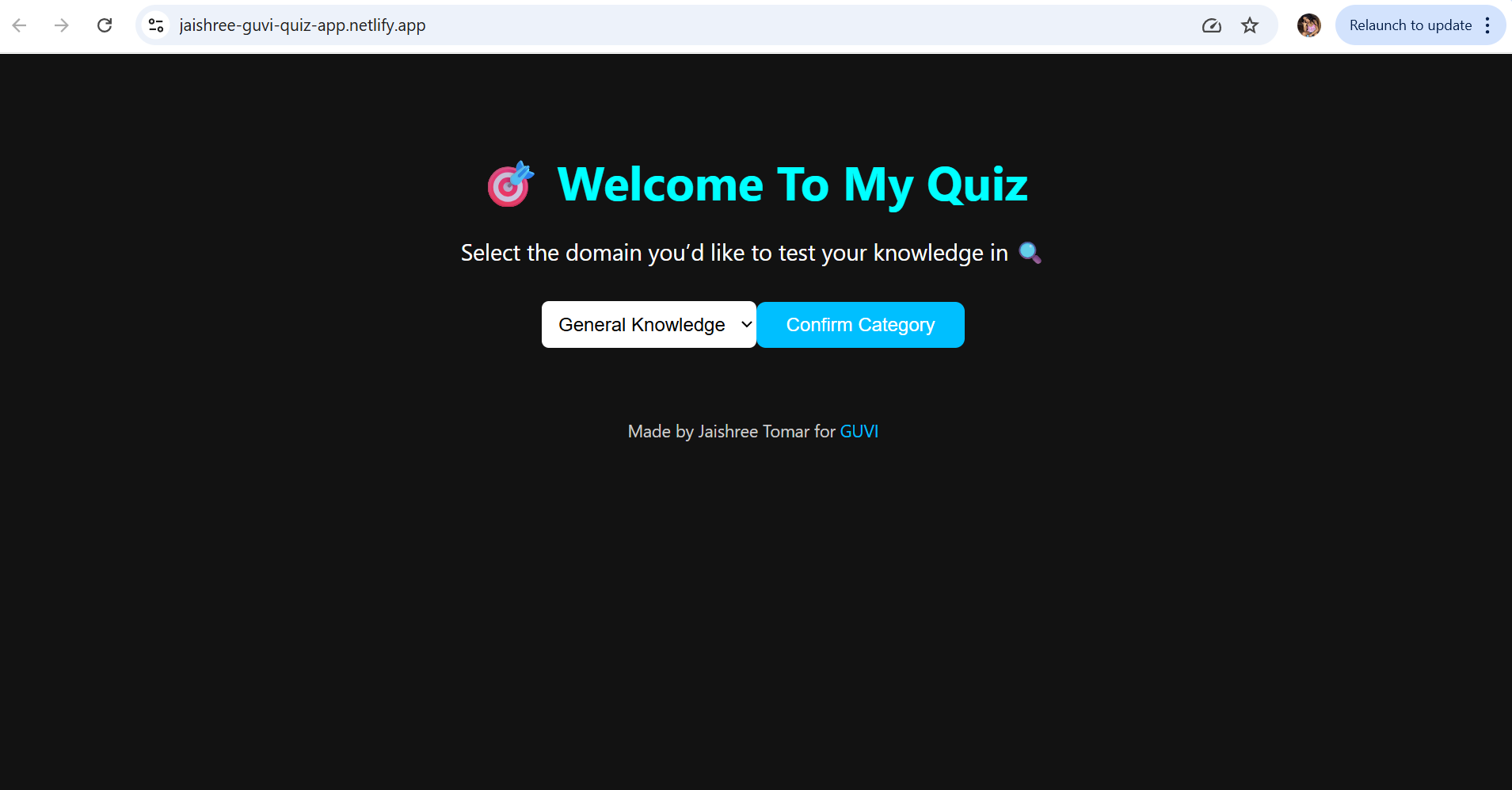
Building a Quiz App in ReactJS

Building a GenZ Carousel App in React
ReactJS Projects Handbook

Computer Networks Tutorial

Operating System Tutorial
DBMS and SQL Tutorial

Java Tutorial

C Language Tutorial

PHP Tutorial

Android Tutorial

Linux Guide Tutorial
Data Structures and Algorithms Tutorial

Computer Architecture

HTML 5 References Tutorial

Docker Tutorial

GIT (Using Github) Tutorial

Go Language Tutorial

GIT Guide

CSS Tutorial
Advanced Data Structures

Spring Framework Tutorial

Spring Boot Tutorial

Kotlin Tutorial

Apache Cordova Tutorial

Python Tutorial

SASS-SCSS Tutorial

MongoDB Tutorial

Numpy Tutorial

PL-SQL Tutorial

Python Built-in Functions Tutorial

Pandas Tutorial

Elasticsearch Tutorial

Matplotlib Tutorial

Web Scraping Tutorial

Networking with Python

Tkinter Tutorial

Java Programs Tutorial
Java Examples Tutorial

Servlet Tutorial

JSP Tutorial

Java Type Conversion Tutorial

Java 8 Tutorial

Java 9 Tutorial

Java 10 Tutorial

Java 11 Tutorial
Java Util Library Tutorial

Building a Contact Us Form in ReactJS

Building a Age Calculator App Using ReactJS

Movie Recommendation System Project Using Content-Based Filtering

Recipe Finder App using ReactJS
Sales Data Analysis Project for Beginners Using Data Science
Student Performance Analysis Project for Beginners Using Data Science

Word Counter Tool Using ReactJS
Customer Churn Prediction Project Using Classification Techniques

Basic Expense Tracker App using ReactJS

Simple Binary to Decimal Converter in React

Real-Time Unit Converter in React
House Price Prediction Using Machine Learning (XGBoost)
Weather Data Analysis and Visualization Using Python

Expandable Accordion Component using React

OTP Verification Component using React
Cricket Data Analysis Using Python
Credit Card Fraud Detection for Beginners using Data Science

Deep learning Tutorial

Software Development Life Cycle Tutorial
Stock Price Prediction for Beginners using Data Science

Apache Kafka Tutorial

Angular Tutorial

Django Tutorial

Computer Programming Tutorial

Tensorflow Tutorial

Java OOPs Concepts Tutorial

Building an Image Classification System Using CNN

News Recommendation System Using Machine Learning

Fake Review Detection System using Machine Learning

Product Feedback App Using Full Stack Development - Customer Review and Rating System

Job Portal with Applicant Tracking System Using Full Stack Development

(FalCon Store) A Modern React-Based E-Commerce App UI with Admin Dashboard

Student Management System using Python (Beginner-Friendly Project Guide)

HTML Tutorial - From Basics to Implementation
Machine Learning Tutorial

ReactJS Tutorial

Hibernate Tutorial

Data Analysis with Python Handbook
Probability and Statistics for Data Science

Artificial Intelligence Tutorial

Power BI Tutorial
R for Data Science
SQL for Data Science