


Software Development Articles
Decoding Differences between Network OS and Distributed OS
Operating System Examples: Top OS Types, Features, and Uses Explained
11 Highest Paying Engineering Jobs in India
How to Transition From IT Consultant to Software Engineer: A Complete Career-Change Guide


Get In Touch For Details! Request More Information
From Hobbyist Programmer To Software Engineer
Jan 06, 2026 5 Min Read 580 Views
(Last Updated)
For many people, coding begins as a curiosity. It starts with a little spark, it can be by watching a video, writing your first “Hello World”, or simply wondering how apps work behind the scenes. Eventually, the curiosity turns into late-night experimenting, infinite debugging, and the thrill of the unknown. What starts out as an innocent hobby grows into something deeper.
This is the story of people who have grown from Hobbyist Programmer To Software Engineer, a journey filled with learning, chaos, breakthroughs, and continuous growth. If you’re walking this path today, you’ll find parts of this story familiar, inspiring, and useful.
Quick answer:
A beginner starts with simple coding experiments, builds strong fundamentals, learns DSA, and creates real projects. Over time, they understand full-stack systems, use Git, write clean code, deploy apps, handle bugs and self-doubt, prepare for interviews, and ultimately grow into a confident software engineer.
Table of contents
- Where It All Begins: The First Lines of Code
- The Moment When Passion Turns Into Purpose
- Step 1: Building Strong Foundations
- Step 2: Facing DSA for the First Time
- Step 3: Moving From Tutorials to Real Projects
- Step 4: Understanding How Real Software Works
- Step 5: Using Version Control Like a Professional
- Step 6: Writing Clean and Understandable Code
- Step 7: Deploying the First Real Project
- Step 8: The Reality of Errors and Imposter Syndrome
- Step 9: Preparing for Interviews
- Step 10: Landing the First Software Engineering Role
- Lessons They Learn Along the Way
- How Their Mindset Changes Over Time
- Your Journey Starts Today
- Wrapping it up:
- FAQs
- Can anyone become a software engineer?
- Are projects more important than certificates?
- Do I need to master DSA completely?
- What do companies care about most?
Where It All Begins: The First Lines of Code
The majority of the hobbyists do not begin with large ambitions of becoming software engineers. It normally starts out in small steps and with interest.
- They play with HTML or CSS just because they want to watch colours, fonts and layouts change on a screen.
- They write small Python or JavaScript programs as they are thrilled about the ability to automate small things with only a couple of lines of code.
- They attempt basic logic puzzle-like assignments, such as writing a calculator or a guessing game program, simply because they like to solve something novel.
- They browse random tutorials on the internet, without ambitions or intentions, but simply because it is thrilling to learn something new.
The early days feel magical. Any program that works out well is a win.
Check out: Free HTML Course with Certificate
The Moment When Passion Turns Into Purpose
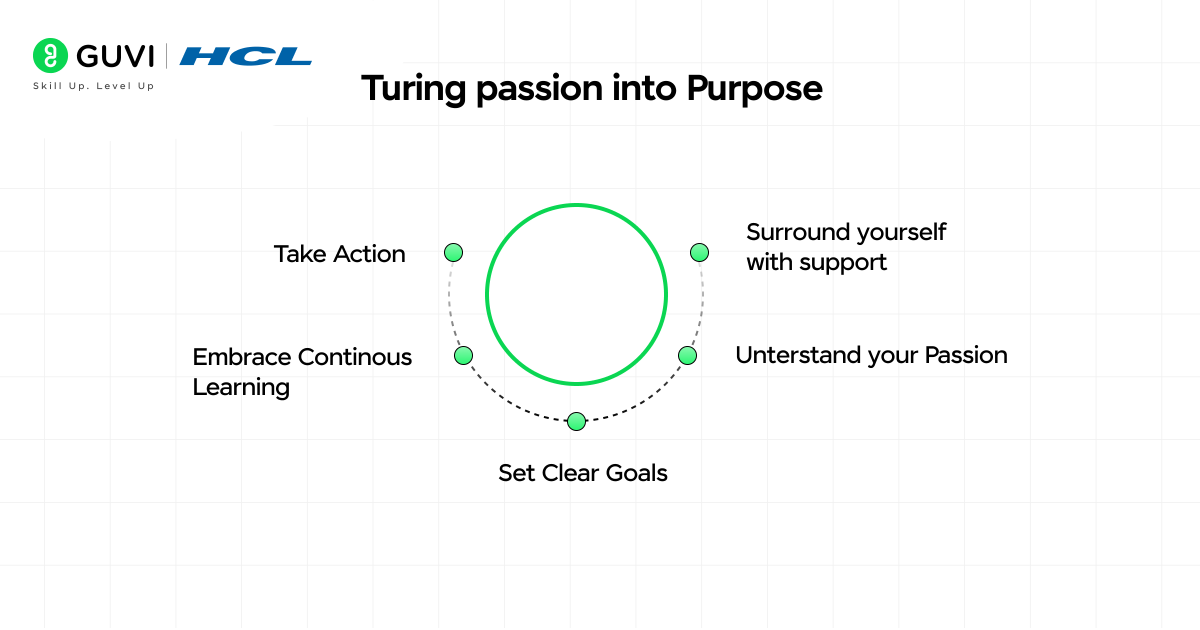
One day, a thought appears:
And, is it possible to make a job out of this, because I like coding so much?
This is where the journey of The Hobbyist Programmer to Software Engineer starts.
Step 1: Building Strong Foundations
The transition process starts when the programmer begins learning the fundamentals properly.
- To learn information types and variables, they learn how information is stored and used in programs.
- They use loops and conditions to bring in decision-making and repetition in their logic.
- They use functions to structure the code in order to reuse and comprehend it more easily.
- They acquire Object-Oriented Programming that enables them to think objectively and in a structured manner.
- They know how to handle errors, hence they can prevent crashes and correct problems with a lot of confidence.
All further learning is based on these basics.
Also read: Best JavaScript Roadmap Beginners Should Follow
Step 2: Facing DSA for the First Time
Data Structures and Algorithms are not taken seriously by most hobbyists until it dawns on them that it is mandatory for career advancement.
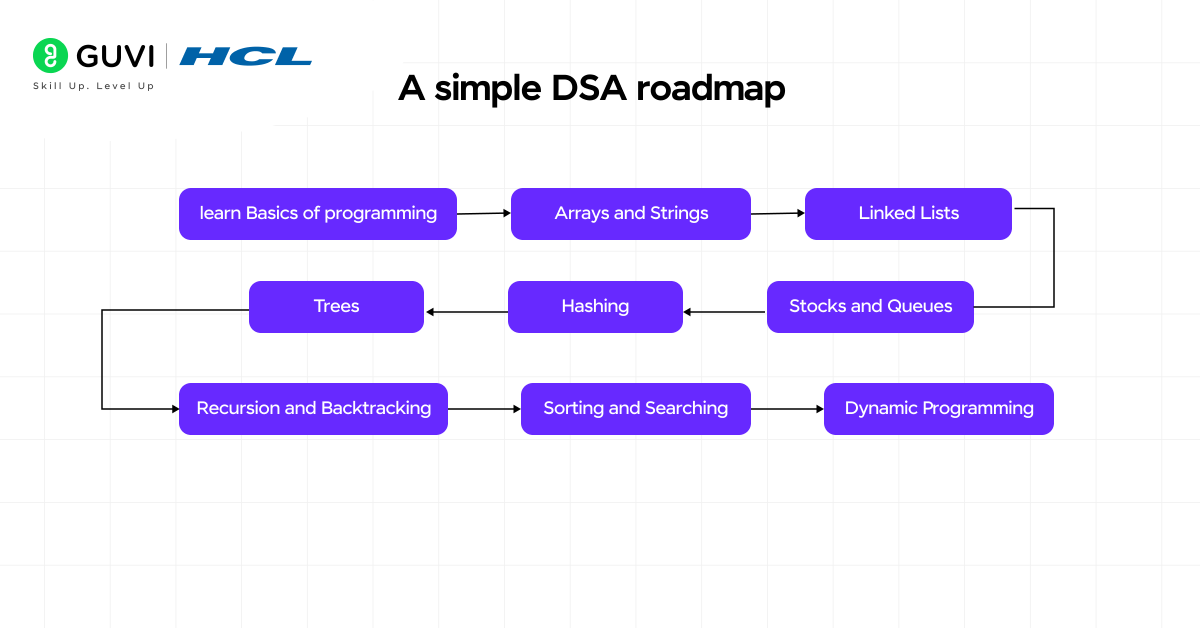
- They start with arrays and strings, understanding the operations of data storage, retrieval and manipulation.
- They explore linked lists, stacks and queues, which teach about the memory and data behind the scenes.
- They also learn searching and sorting algorithms, learning how to make programs faster and more efficient.
- They attempt recursion, which at first is challenging, but will become a significant problem-solving instrument.
- They take simpler questions to be solved, and they advance slowly to problems of intermediate level that enhance logical thinking.
DSA gradually becomes less frightening and empowering.

Step 3: Moving From Tutorials to Real Projects
This is one of the biggest turning points in the journey.
- They create their projects with their own logic rather than copying tutorial code.
- They use working apps (such as a task manager or a to-do list) and this teaches them to apply the concepts practically.
- They create their own personal website or portfolio, they know about layouts and styles and web structure.
- They develop small APIs or backend services and understand the flow of data between the frontend and backend.
- They also launch projects online and enjoy the pleasure of seeing something they have created, being opened to the world to be used.
Every project contributes to their expertise in terms of maturity and confidence.
Step 4: Understanding How Real Software Works
A hobbyist sees only code. A software engineer is a person who understands systems.
- They get to know how the front-end code interacts with the back-end systems and get to know the communication pattern between the two ends.
- This is because they know how databases put and get information and this indicates the significance of structured data.
- They dive into authentication and sessions and understand how websites provide user security and maintain users logged in.
- They learn APIs, which are the linking element of various sections of an application.
- They learn about deployment and how servers, hosting platforms, and environments can make apps available to the whole world.
- The average developer writes their first line of code at age 15 — usually out of curiosity, creativity, or experimentation rather than career planning.
- Over 70% of self-taught programmers say projects taught them more than formal courses, proving that hands-on building accelerates real learning.
- More than 90% of software engineers experience imposter syndrome at some point, even years into their tech career — it’s far more common than you think.
- Git was created in just 10 days by Linus Torvalds to efficiently manage Linux development — and it went on to revolutionize version control worldwide.
Step 5: Using Version Control Like a Professional
One significant step to job-readiness is version control.
- They are taught to make repositories by using Git and store their projects in a clean and trackable manner.
- They operate with branches, trying out new features without breaking existing features.
- They make pull requests and merge code knowing how to work together and how to work.
- They get to know how to solve merge conflicts and this is better patience and solving problems.
- They make meaningful commit messages, which are recorded as done by real developers.
Also read: How to Become a Software Engineer in 6 Steps
Step 6: Writing Clean and Understandable Code
Professional engineering does not simply mean the work of code – it means clean code.
- They do not give variables and functions meaningless names, thus making the code readable by others.
- They arrange files and folders in the right way, and hence the projects appear ordered and clean.
- They minimise repetition using reusable components and thus, the code is efficient and easier to maintain.
- They make remarks where necessary, and make people (and themselves) learn logic fast.
- They deal with edge cases and unexpected inputs and this makes the application reliable.
Step 7: Deploying the First Real Project
This is a huge emotional moment in the journey.
- They get to know how to host projects on such platforms as Vercel, Netlify, or Render and transform local projects into live apps.
- They resolve deployment failures, having knowledge of differences in environments compared to their local machine.
- They put apps to the test, both on mobile and on the desktop, so that the product functions everywhere.
- They boast the live connection to their friends and family members and it gives them confidence through responses.
- They introduce deployments to their profile, which enhances their employment opportunities.
Also read: Software Developer vs Software Engineer: Who is More Important in 2026?
Step 8: The Reality of Errors and Imposter Syndrome
Every programmer goes through this emotional phase.
- They are bombarded with bugs and errors, and at times take hours to resolve a single problem.
- They put themselves against other people on the internet, where they compare themselves even when they’re improving.
- They are being drowned in new technologies, asking themselves whether they would ever really catch up.
- They doubt their competencies, particularly when a thing is not functioning in days.
- They continue doing so, and later, they realise that a routine can and will always triumph.
This is the stage that develops resilience.
Step 9: Preparing for Interviews
They eventually start making preparations for their first job with a lot of confidence.
- They update DSA topics, focusing on the type of questions asked during interviews.
- They train in explaining their projects and learning to elaborate on problem-solving.
- They learn the basics of concepts such as OS, DBMS and networking that assist in technical rounds.
- They plan HR questions, training, communication and narratives.
- They practice fake interviews, where they are trained to remain calm.
- This action turns them into career-ready employees.
Also read: How to Become a Software Engineer Without a Degree? [2026 Guide]
Step 10: Landing the First Software Engineering Role
The milestone has finally been reached in a job position.
They become an intern, trainee or junior engineer eager to work on real systems for the first time.
- They work with colleagues, knowing how real development cycles can be performed.
- They cause work on real-life features, version control, reviews, tickets, and workflows.
- They fix bugs in production, which will provide them with practical experience working with real-world problems.
- They develop rapidly, becoming more confident in every job they perform.
This is the time when they begin to be a Software Engineer and not just a Hobbyist Programmer.
Lessons They Learn Along the Way
There are a few things that every person who undergoes this journey realises:
- Consistency is more important than hard study periods, since daily little improvement will develop into success in the long run.
- Projects are better than certificates, because actual work demonstrates actual ability.
- Errors are good educators, since troubleshooting develops profound knowledge.
- Documentation assists them to learn quickly, particularly with new tools or libraries.
- There is the constant evolution of technology, and therefore learning does not have an end.
- Community support also boosts growth, since they will be stronger due to feedback, guidance and collaboration.
How Their Mindset Changes Over Time
When one becomes a software engineer, their way of thinking changes.
- They also tackle problems in smaller sections and divide large problems into manageable ones.
- They are concerned with creating well-written and organised code, rather than merely getting it to work.
- They are responsible for being reliable to make sure that their solutions apply to everyone.
- They begin to think about performance and make their applications unproblematic and quick.
- They develop such habits as documentation, the use of Git, and testing, which make them professionals.
This change of attitude turns their journey into a complete one.
Your Journey Starts Today
It does not matter whether you are writing your first lines of code today or you are just doing some hobby projects; you already have everything you need to grow.
Keep experimenting.
Keep learning.
Keep improving.
If you want structured guidance, expert mentorship, and hands-on learning to accelerate your growth from a hobbyist to a professional engineer, you can explore HCL GUVI’s AI Software Development co-designed by IITM Pravartak & MongoDB. This program gives you real-world projects, placement support, and a clear roadmap to become job-ready.
Wrapping it up:
So, we have come to the end of this blog, and I hope that walking through this journey has given you a clear understanding of how a passionate hobbyist can transform into a self-confident software engineer. It is not always about perfection, but of curiosity, patience and being consistence. Each bug that you fix, each feature that you create, and each thing that you learn brings you a step closer to what you want.
FAQs
1. Can anyone become a software engineer?
Yes, if you know the basics of coding and start working on it and build projects. With consistency pratice and learning anyone become a software engineer.
2. Are projects more important than certificates?
Yes, projects showcase you skills and help you stand out from the crowd.
3. Do I need to master DSA completely?
Not at the begging of your journey, you need to know the basics of DSA to clear the interview and the you can graducaddly advance your skills
4. What do companies care about most?
Companies today care about the skills, problem-solving abilities, code clarity, and real projets.
Success Stories

About the Author
Vishalini Devarajan
An Aerospace Engineer turned content writer, I focus on making complex concepts easy to understand through well-structured, reader-friendly blogs. Whether it’s a technical topic or a non-technical one, I love creating content that is clear, engaging, and impactful.
View all posts by Vishalini Devarajan
Connect with me @














Did you enjoy this article?