


Career Articles
Diploma vs Degree vs Certification: What Actually Matters to Employers in 2026? - Best Guide
How to Explain Job Hopping Without Sounding Unstable - Best Guide
Why Full Stack Developers Are in High Demand in 2026?
How to Choose a Skill to Learn Next Based on Your Career Goals - Best Guide 2026


Get In Touch For Details! Request More Information

10 Best Micro-Certifications To Get Your Tech Resume Noticed In 2026
Jun 15, 2026 5 Min Read 2930 Views
(Last Updated)
In 2026’s competitive tech job market, recruiters will have hundreds of applications daily and the difference between being shortlisted or ignored is often decided with in-demand skills. What’s new today might be outdated tomorrow, and if you’re not learning and getting credentials, you’re falling behind. While full degrees and long programs still hold weight, micro-certifications are powerful tech resume boosters. These short, skill-focused programs showcase online tech credentials that prove your expertise in weeks rather than years. They are “career power-ups” that show hiring managers you’ve got the latest skills.
If you’re looking for short tech courses or free tech certifications to strengthen your profile, as career switchers, fresh graduates, and professionals upskilling for 2026 Here are 10 of the most impactful in-demand tech certificates you can add in your resume today.
Table of contents
- What Are Micro-Certifications?
- Why Micro-Certifications Matter? Are They Tech Boosters?
- How Micro-Certifications Boost Your Resume?
- 10 Micro-Certifications Or Short Tech Courses To Put On Your Tech Resume In 2026
- Python Programming Certification
- Full Stack Development Certification
- Data Science Certification
- Generative Artificial Intelligence (AI) Certification
- Machine Learning Certification
- Cybersecurity Certification
- Cloud Computing Certification
- DevOps Certification
- UX Design Certification
- Java Programming Certification
- How to Choose the Right Certification?
- How to Showcase Micro-Certifications on Your Resume?
- Conclusion
- FAQs
- Can micro-certifications replace a degree?
- Do micro-certifications expire?
- Are free certifications worth adding to a resume?
- How many micro-certifications should I aim for?
- How long do micro-certifications usually take?
- Can micro-certifications help me get promoted?
What Are Micro-Certifications?
Micro-certifications are compact, bite-sized learning programs & skill-based credentials that validate your knowledge in a specific domain. Unlike traditional degrees, they are quick, shorter, affordable, and laser-focused on industry-relevant topics, yet carry significant weight because they prove job-ready knowledge. Employers view them as continuous learning and adaptability, two traits every modern tech role demands nowadays.
Want to see the top tech careers that will boom in 2026? Check out HCL GUVI’s “Top 5 Tech Careers of the Future.”
Why Micro-Certifications Matter? Are They Tech Boosters?
Tech employers value and hire candidates who can demonstrate real-world, applied skills. Micro-certifications do exactly that. They prove theoretical knowledge and also practical proficiency with tools, platforms, and technologies.
- Differentiate From Others: Most applicants list degrees, but few highlight targeted online tech credentials. That shows the credibility of having you.
- Hands-on expertise: Certifications and hands-on projects prove you can do the work, not just talk about it.
- Keeping Up Trends: Continuous learning shows how you’re staying updated with the latest tech trends.
- Career Switch: If you are changing your job from non-tech into tech, such as AI, cybersecurity, or data analytics, micro-certifications bridge the skill gap quickly.
- Portfolio Worthy: You can combine multiple short tech courses to have a well-rounded portfolio.
- Speedy learning: Instead of spending months (or years), you can have a certification in weeks.
- Cost-Effective: Many micro-certifications are free or low-cost compared to traditional certifications.
- Employer trust: Big names like Google, AWS, HCL GUVI, and Microsoft back these certs, so recruiters know they’re legit.
How Micro-Certifications Boost Your Resume?
When recruiters scan a resume, they look for keywords and proof of technical ability. Adding in-demand tech certificates to your resume can:
- Make your profile ATS-friendly with role-specific keywords
- Prove your commitment to lifelong learning
- Highlight niche specializations that differentiate you from other candidates
- Serve as instant conversation starters in interviews
- Highlight your adaptability and learning mindset
Check out HCL GUVI’s “Top 5 Free Courses by HCL GUVI: Best Upskilling Courses in Tech [2026].
10 Micro-Certifications Or Short Tech Courses To Put On Your Tech Resume In 2026
Here are the most impactful certifications you can pursue on HCL GUVI to upgrade your career.
| Certification | What You’ll Learn | Course Type |
| Python Programming Course | Basics, OOP, NumPy, Pandas, Projects | Self-Paced |
| Full Stack Development Course | HTML, CSS, JS, React, Node, MongoDB, Git | Self-Paced |
| Data Science Pack | Python, SQL, ML basics, Visualization | Self-Paced |
| Generative AI Course | Transformers, Prompt Engg., APIs, Chatbot Project | Self-Paced |
| Machine Learning Course | Regression, Classification, Scikit-learn Projects | Self-Paced |
| Cybersecurity Course | Ethical Hacking, Network Security, Cryptography | Self-Paced |
| Cloud Computing Course | EC2, S3, Lambda, Cloud Deployment | Self-Paced |
| DevOps Course | Git, SDLC, Containers, Real Projects | Self-Paced |
| UX Fundamental Course | Wireframes, Prototypes, Figma, Usability Testing | Self-Paced |
| Java Programming Course | OOP, Collections, Spring Basics, Projects | Self-Paced |

Python Programming Certification
Python is one of the most in-demand programming languages used in AI, web development, and automation.
What you’ll learn:
- Python basics: loops, functions, data types
- Advanced concepts: OOP, file handling, error handling
- Popular libraries: NumPy, Pandas, Matplotlib
- Hands-on projects: build small automation scripts or data visualizations
Prerequisite: Interest to learn. Must have a pc/phone with internet connection.
Link To Join: Best Python Course Online with IIT Certification
Why it matters: Python is often listed in job descriptions across IT roles. Having this certification signals adaptability and strong coding fundamentals.
Full Stack Development Certification
Full developers are prized for their ability to build entire applications.
What you’ll learn:
- Front-end: HTML, CSS, JavaScript, React
- Back-end: Node.js, Express.js, MongoDB
- Version control: Git/GitHub
- Deployment: hosting apps on cloud servers
Prerequisite: Understanding of programming concepts, HTML, CSS, and JavaScript fundamentals.
Link To Join: Learn Full-Stack Development Online with Certification
Why it matters: You’ll graduate with portfolio projects (like e-commerce sites, blogs, dashboards) that recruiters love to see.
Data Science Certification
Data is everywhere, and companies need professionals to make sense of it. The course is designed to propel your career in data by equipping you with hands-on tools and techniques.
What you’ll learn:
- Python for data science
- Data visualization with Seaborn, Matplotlib
- SQL basics for database queries
- Intro to machine learning models
Prerequisite: Programming basics, mathematical fundamentals, and logical thinking
Link To Join: Data Science Pack Course
Why it matters: The Data Analytics certificate and the Data Scientist certificate are certificates for the role with some of the fastest-growing fields, with salaries well above average.
If you want to build your resume in minutes and also check the ATS score for it, then use HCL GUVI’s Free Resume Builder Tool – Create and Check ATS Score For Free
Generative Artificial Intelligence (AI) Certification
AI is reshaping industries from healthcare to finance. Get AI micro-credentials with the knowledge of Generative AI by delving deeply into its concepts and applications throughout this course.
What you’ll learn:
- Transformer Architecture
- Generative AI model training
- OpenAI Models & APIs
- Prompt Engineering
- OSS model applications
- Fine-tuning
- RAG pipelines
Final project: Build an end-to-end medical chatbot using embeddings and vector stores
Prerequisite: Understanding of machine learning concepts
Link To Join: Generative AI Course with Certification
Why it matters: With Generative AI skills, you can future-proof your career and enter cutting-edge domains.
Machine Learning Certification
Machine learning is the backbone of predictive analytics.
What you’ll learn:
- Supervised vs. Unsupervised Learning
- Regression & Classification using models like SVM, decision trees, and random forests
- Hands-on model building and tuning with Scikit-learn
- Applying ML to real-world datasets through practical project exercises
Prerequisite: Python programming language
Link To Join: Machine Learning Beginners Course with Certification
Why it matters: Many companies hire ML-certified candidates even for analyst roles because it shows data-driven problem-solving ability.
Cybersecurity Certification
In a world of constant cyber threats, cybersecurity professionals are in demand. This self-paced course has lifetime access with forum support and gamified practice platforms
What you’ll learn:
- Ethical hacking basics
- Cryptography principles
- Network security fundamentals
- Preventing phishing and malware attacks
Prerequisite: Computer skills
Link To Join: Cyber Security for Beginners Course
Why it matters: Cybersecurity is a high-demand, high-paying field where candidates with cybersecurity certification stand out.
Cloud Computing Certification
Cloud is no longer optional; it’s the backbone of digital business. This program covers:
- AWS services like EC2, S3, RDS, and Lambda
- Infrastructure as a Service (IaaS) and Platform as a Service (PaaS) concepts
- Cloud deployment and scalability techniques
- Hands-on labs with the AWS console
Prerequisite: Understanding of computer operations
Link To Join: Basics of AWS Cloud Computing Course
Why it’s powerful: Cloud engineers and AWS-certified professionals are among the most in-demand roles globally.
DevOps Certification
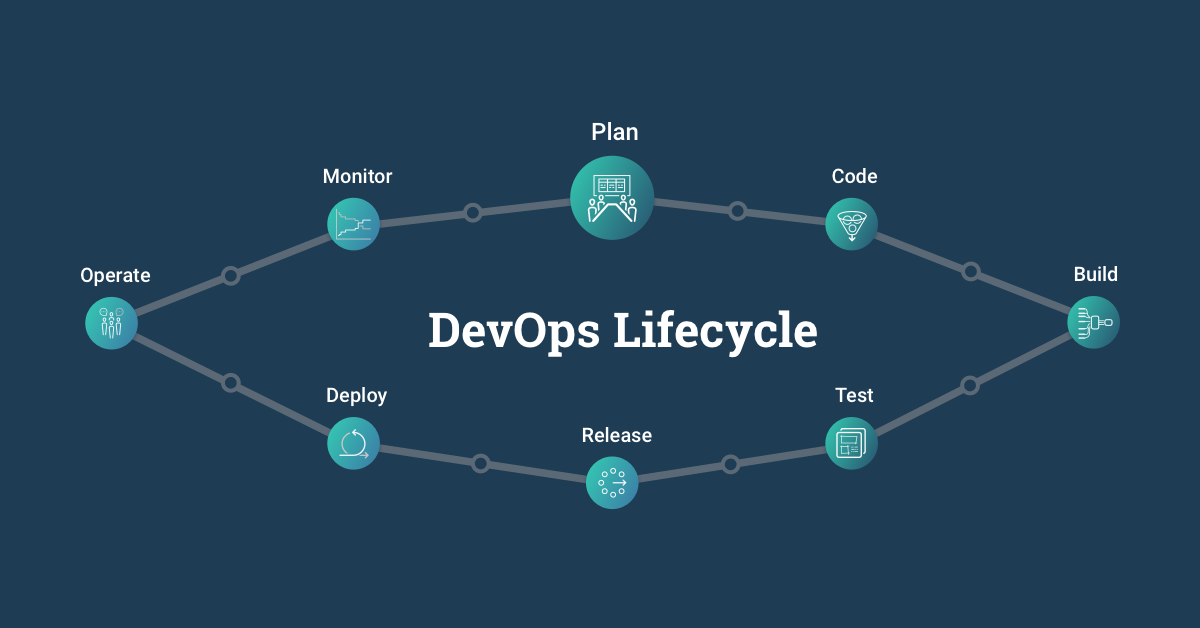
DevOps speeds up development and improves efficiency in tech teams. An excellent starting point for beginners, this self-paced course for free, and fee for a certificate.
What you’ll learn:
- DevOps principles and SDLC overview
- Key tools like Git, Dash scripting, and container basics
- Real-world project examples
Prerequisite: software development basics
Link To Join: Fundamentals of DevOps Course
Why it matters: DevOps-certified professionals are key players in software companies, often earning top-tier salaries.
UX Design Certification
Great design makes great products. This self-paced course is globally certified and beginner-friendly.
What you’ll learn:
- Fundamental principles of UX design
- Wireframing, prototyping
- Tools: Figma, Adobe XD
- Conducting usability testing
Prerequisite: Computer literacy
Link To Join: UX Fundamentals Course
Why it matters: A strong UX portfolio shows that you care about how users interact with technology, opening creative and technical career options.
If you want to build your resume in minutes and also check the ATS score for it, then use HCL GUVI’s Free Resume Builder Tool – Create and Check ATS Score For Free
Java Programming Certification
Java remains crucial for enterprise apps, backend systems, and Android. With real-world projects to build a portfolio and interview readiness, this self-paced course gives expert support.
What you’ll learn:
- Java fundamentals and OOP
- Collections, multithreading, and exception handling
- Frameworks like Spring basics
- Building Java-based projects
- Conducting usability testing
Prerequisite: coding basics
Link To Join: Java Programming Course
Why it matters: Employers across banking, telecom, and enterprise IT still rely heavily on Java.
How to Choose the Right Certification?
Not every micro-certification will fit your career path. To choose the right ones as tech resume boosters, keep these points in mind. Here’s a framework to decide:
Career Path
- Developer: Python → Full Stack → Java → DevOps
- Data Scientist/AI: Python → Data Science → Machine Learning → AI
- Cybersecurity: Python basics → Cybersecurity → AWS Cloud → DevOps (for security automation)
- Cloud Engineer: AWS Cloud → DevOps → Cybersecurity → Full Stack (for versatility)
- UI/UX Designer: UI/UX → Full Stack (for design + implementation synergy)
Industry demand: Look into skills that align with in-demand tech certificates and current job postings.
Time Commitment: Micro-certifications range from 4 weeks to 12 weeks, depending on intensity.
Personal Interest: If you’re excited about AI, you’ll naturally invest more time and effort.
How to Showcase Micro-Certifications on Your Resume?
Once you’ve earned these certifications, make sure they stand out in your resume:
- Create a “Certifications” section on your resume.
- Add digital badges to your LinkedIn profile.
- Mention them in your cover letter: “During my HCL GUVI Full Stack course, I built a responsive e-commerce site…”
- Share completed projects on GitHub or a personal website portfolio.
New to tech? HCL GUVI’s “Top Entry-Level Tech Jobs with No Experience” is a great start.
If you want to build your resume in minutes and also check the ATS score for it, then use HCL GUVI’s Free Resume Builder Tool – Create and Check ATS Score For Free
Conclusion
Micro certifications are career accelerators that make all the difference between blending in and standing out. In just weeks, you can earn short tech courses or online tech credentials that recruiters notice instantly.
From cloud computing, AI micro-credential, data analytics certificate, or cybersecurity certification to cybersecurity, from project management to analytics, these bite-sized learning paths are your shortcut to proving your worth.
So don’t just sit back and hope opportunities come knocking. Pick one micro-certification today from HCL GUVI, add it to your resume tomorrow, and watch how quickly recruiters start taking notice. Because in the race to stay relevant in tech, those who keep learning always finish first.
FAQs
Can micro-certifications replace a degree?
Not exactly, but they complement degrees and provide practical proof of skills.
Do micro-certifications expire?
Some do (like AWS or Security+), typically after 2–3 years, while others are valid indefinitely.
Are free certifications worth adding to a resume?
Absolutely! As long as they’re from reputable organizations, they demonstrate initiative and self-learning.
How many micro-certifications should I aim for?
Quality over quantity. One to three highly relevant ones can be more impactful than a laundry list.
How long do micro-certifications usually take?
Most can be completed in 4–12 weeks, depending on your pace.
Can micro-certifications help me get promoted?
Yes, they signal to your employer that you’re actively investing in your skills and ready for bigger responsibilities.
Success Stories

About the Author
Hashmithaa
Hi, I’m Hashmithaa — a content writer with a love for words. Writing isn’t just what I do; it’s how I connect, communicate, and create meaning in a noisy digital world. And if my words help someone make a better decision, learn something new, or feel more confident, then I’ve done my job well.
View all posts by Hashmithaa
Connect with me @







Did you enjoy this article?