


Career Articles
Capgemini Exceller Syllabus 2026: Complete Topics and Exam Pattern - Best Guide
Capgemini Exceller Interview Questions 2026: Coding, Technical, HR, and AI Prep - Best Guide
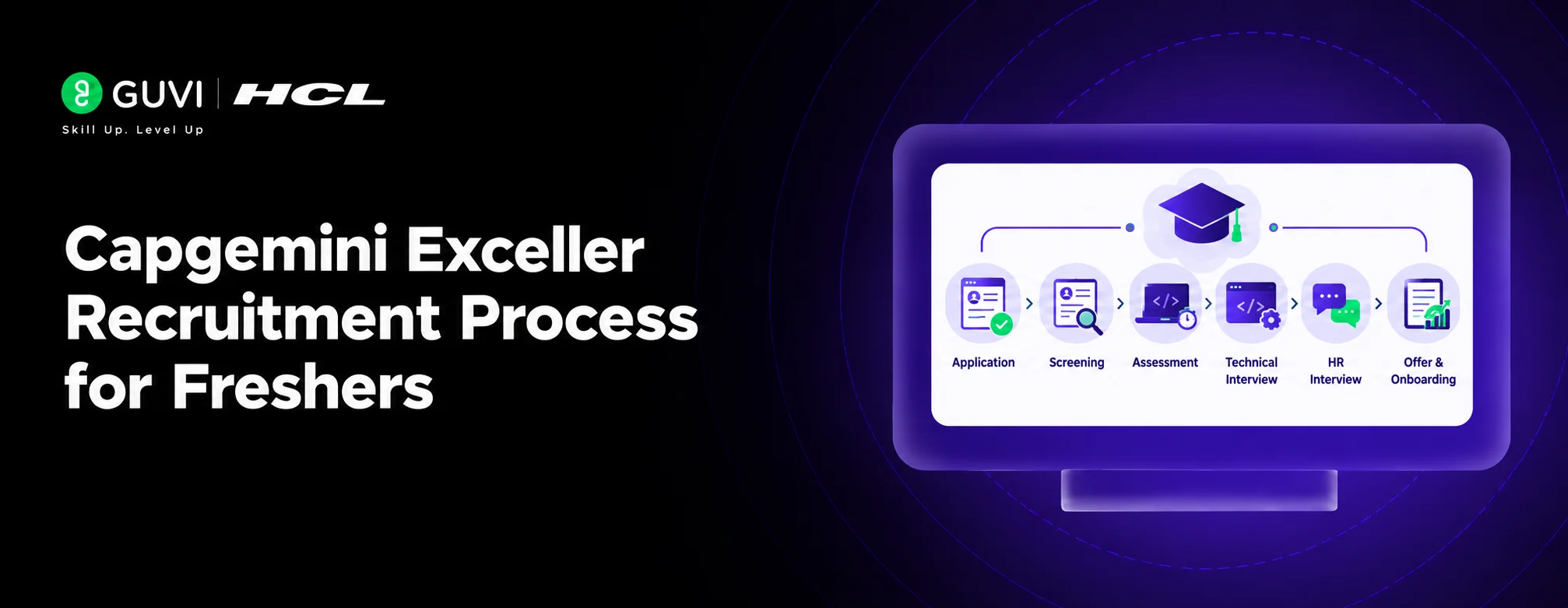
Capgemini Exceller Recruitment Process for Freshers 2026 - Best Guide
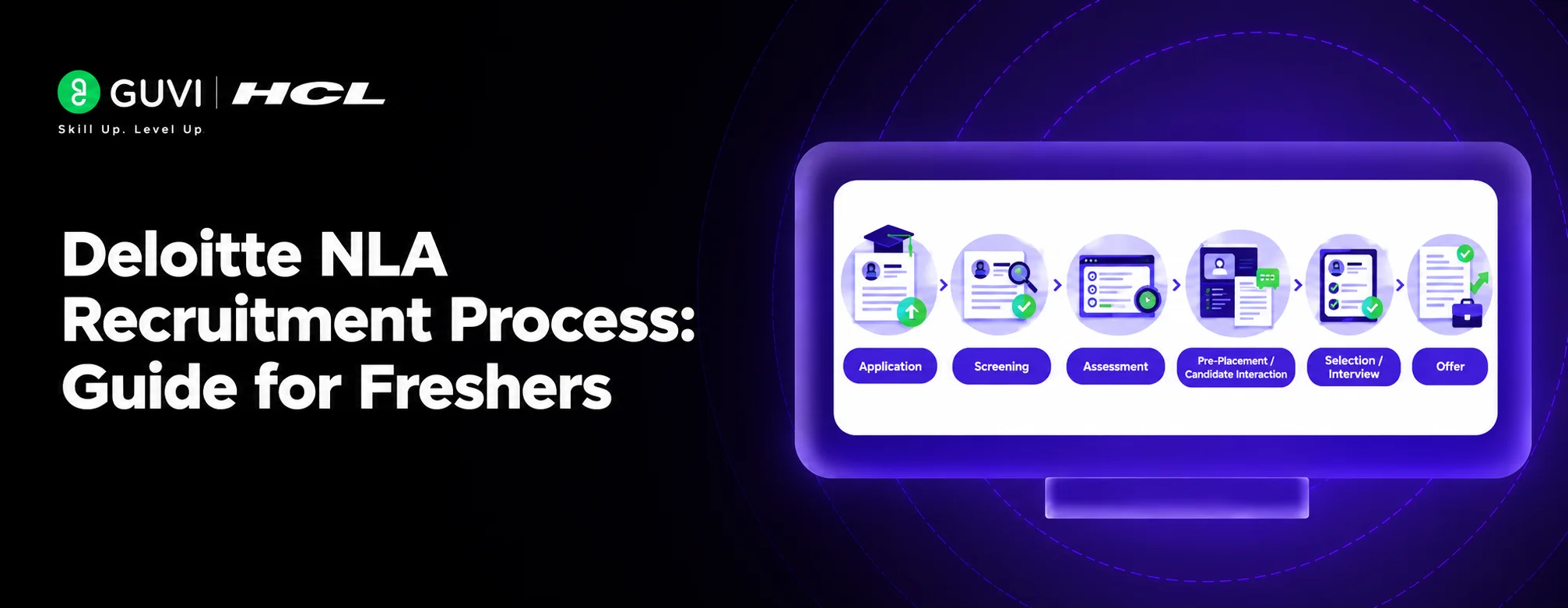
Deloitte NLA Recruitment Process: The Best Guide for Freshers 2026


Get In Touch For Details! Request More Information
Common Office Mistakes New Employees Make: Avoid These Workplace Errors
Aug 05, 2026 4 Min Read 365 Views
(Last Updated)
Table of contents
- TL;DR
- Introduction
- Understanding Office Culture and Expectations
- Reading the Unwritten Rules
- Observing Before Participating
- Workplace Communication Blunders to Avoid
- Email Overload and Poor Timing
- Meeting Etiquette Missteps
- Instant Messaging Boundaries
- Professional Behavior Missteps
- Personal Space and Boundaries
- Dress Code Interpretation
- Lunch and Break Room Conduct
- Technology and Security Oversights
- Password and Security Practices
- Equipment Handling and Care
- Time Management and Productivity Errors
- Punctuality Issues
- Task Prioritization Problems
- Common Office Mistakes
- How HCL GUVI Can Help?
- Conclusion
- FAQS
- What are the most common office mistakes new employees make?
- How long does it take to adjust to a new office culture?
- Is it okay to ask questions frequently as a new employee?
- How can I improve my workplace communication skills?
- What should I do if I make a significant mistake at work?
- How important is office politics in avoiding common mistakes?
TL;DR
- New employees commonly make common office mistakes, including poor communication, cultural missteps, and time management issues.
- Key errors involve email overload, ignoring office norms, over-familiarity with colleagues, security oversights, and chronic lateness.
- Success requires observing workplace culture, asking clarifying questions, and practicing respectful communication.
- Building relationships, maintaining punctuality, and respecting boundaries establishes strong professional foundations.
Introduction
70% of new employees decide whether a job is the right fit within their first month, and nearly half (44%) have regrets about accepting their offer within the first week.
Shockingly, 23% of new hires admit they’ve cried within their first week due to workplace overwhelm or mistakes.
Understanding what these pitfalls are and how to avoid them is crucial for establishing a positive reputation early in your career.
This comprehensive guide identifies the most common first job mistakes new employees make and provides actionable strategies to navigate your new environment successfully.
Throughout this guide, we’ll explore specific examples of common office mistakes that cost companies millions annually in lost productivity and employee turnover.
Understanding Office Culture and Expectations
Reading the Unwritten Rules
Every workplace has its own unique culture, often communicated through unwritten rules and implicit expectations. New employees frequently stumble by failing to observe and adapt to these first job mistakes and nuances quickly enough.
Office culture encompasses everything from dress codes and meeting etiquette to communication styles and collaboration approaches. Some organizations value direct, quick communication, while others prefer more formal, detailed exchanges. Recognizing these patterns early helps you align with your team’s working style.
Observing Before Participating
Instead of immediately implementing your previous workplace habits, take time to observe how things operate in your new environment. Pay attention to:
- How meetings are conducted and scheduled
- Preferred communication channels (email vs. instant messaging vs. in-person)
- Team dynamics and hierarchy
- Lunch and break routines
- Dress code interpretations
This observation period doesn’t mean staying passive but rather becoming an informed participant who understands the established norms.
Workplace Communication Blunders to Avoid
Email Overload and Poor Timing
One of the most common office mistakes involves email communication. New employees often either bombard colleagues with too many messages or fail to communicate important updates.
Email Mistake #1: Over-communication. Sending multiple follow-up emails within hours shows impatience rather than urgency. Instead, allow reasonable response time based on the message priority.
Email Mistake #2: Under-communication Failing to update stakeholders on project progress or delays can create bigger problems than sending too many emails.
Meeting Etiquette Missteps
Meetings represent a significant portion of office time, making proper etiquette essential. New employees often make several common errors:
- Arriving late or unprepared
- Dominating discussions without considering others
- Failing to follow up on action items
- Using phones or laptops inappropriately during meetings
Effective meeting participation involves active listening, contributing meaningfully, and respecting everyone’s time.
Instant Messaging Boundaries
While instant messaging platforms have streamlined communication, they’ve also introduced new potential mistakes at work:
- Sending messages outside business hours without emergency designation
- Using informal language with senior colleagues
- Creating information overload with unnecessary messages
- Sharing sensitive information through insecure channels
Understanding when and how to use these tools appropriately prevents unnecessary friction with colleagues.
Professional Behavior Missteps
Personal Space and Boundaries
Navigating professional relationships requires sensitivity to personal boundaries. New employees sometimes struggle with:
- Inappropriate sharing of personal information
- Misreading social cues during casual conversations
- Over-familiarity with supervisors or clients
- Discussing controversial topics in common areas
Building professional relationships takes time and careful attention to others’ comfort levels.
Dress Code Interpretation
While many companies have relaxed dress codes, understanding the appropriate level of formality remains important. New employees often make mistakes by either overdressing dramatically or misunderstanding “business casual” guidelines.
Research the company culture thoroughly and, when in doubt, slightly overdress for the first few weeks until you understand expectations fully.
Lunch and Break Room Conduct
Break rooms and lunch areas present opportunities for relaxation but also potential missteps:
- Leaving dirty dishes or messes
- Playing loud music or videos
- Having extended personal calls
- Taking others’ food from shared refrigerators
These spaces require consideration for all users, maintaining them as comfortable areas for everyone.
Technology and Security Oversights
Password and Security Practices
Workplace technology security is paramount, yet new employees frequently make basic mistakes:
- Sharing passwords with colleagues
- Using weak or easily guessable passwords
- Leaving computers unlocked when away from desks
- Clicking suspicious links or downloading unknown attachments
These oversights can compromise entire company networks and databases.
Equipment Handling and Care
Company equipment represents significant investment and responsibility:
- Mishandling laptops, phones, or other devices
- Failing to report malfunctions promptly
- Using equipment for non-work purposes without permission
- Not following proper shutdown procedures
Proper care of company property demonstrates professionalism and respect for organizational resources.

Time Management and Productivity Errors
Punctuality Issues
Being consistently late, even by a few minutes, creates a poor impression and disrupts team workflows. This includes:
- Arriving late to meetings
- Missing deadlines due to poor time estimation
- Taking longer breaks than allowed
- Starting work late in the morning
Reliability begins with punctuality in all aspects of work life.
Task Prioritization Problems
New employees often struggle with determining which tasks deserve immediate attention:
- Spending too much time on low-priority activities
- Missing critical deadlines for important projects
- Failing to ask for clarification on task importance
- Working inefficiently without seeking productivity guidance
Learning to prioritize effectively requires communication with supervisors and experience.
Common Office Mistakes
Here are five critical common office mistakes that new employees should actively avoid:
- Overpromising and Underdelivering: Committing to unrealistic deadlines or taking on too many responsibilities without proper assessment leads to stress and disappointment.
- Not Asking Questions: Assuming you should know everything immediately prevents learning and can result in costly errors that could have been avoided with clarification.
- Isolating Yourself: Failing to build relationships with colleagues limits networking opportunities and makes integration into the team more difficult.
- Ignoring Feedback: Dismissing constructive criticism or failing to implement suggested improvements hampers professional development.
- Bypassing Established Processes: Trying to shortcut procedures or going around designated channels often creates complications and undermines team structures.
According to workplace behavior studies, employees who successfully adapt to office culture within their first three months are 75% more likely to receive positive performance reviews in their annual evaluation.
How HCL GUVI Can Help?
Navigating workplace challenges extends beyond avoiding common office etiquette.
HCL GUVI’s Career Programs offer specialized courses designed to develop essential soft skills, including professional communication, workplace etiquette, and leadership development.
Our expert-led modules provide practical frameworks for understanding office dynamics and building the confidence needed to excel in any corporate environment.
Conclusion
Entering a new workplace environment inevitably involves a learning curve, but awareness of common office mistakes can significantly smooth your transition.
By focusing on observation, communication, and professional behavior, you can avoid pitfalls that many new employees encounter.
Remember that making some common office mistakes are natural and expected. What matters most is your willingness to learn from feedback, adapt your approach, and continuously improve your professional conduct.
FAQS
1. What are the most common office mistakes new employees make?
The most common mistakes typically involve breaches of trust, such as sharing confidential information, missing critical deadlines, or demonstrating disrespectful behavior toward colleagues. While minor etiquette slips are forgivable, actions that compromise security or team dynamics require immediate correction.
2. How long does it take to adjust to a new office culture?
Most experts suggest that initial adjustment occurs within 3-6 months, though full integration can take up to a year. During this period, active observation and willingness to adapt are crucial for successful assimilation.
3. Is it okay to ask questions frequently as a new employee?
Yes, asking thoughtful questions demonstrates engagement and desire to learn. However, balance inquiries with independent research and avoid repetitive questions about information that should have been retained from previous discussions.
4. How can I improve my workplace communication skills?
Practice active listening, clarify expectations before starting projects, and seek feedback on your communication style. Pay attention to how successful colleagues interact and gradually adapt effective techniques to your authentic communication style.
5. What should I do if I make a significant mistake at work?
Address errors promptly by acknowledging them honestly, explaining what happened, and presenting a clear plan for resolution. Taking responsibility demonstrates maturity and reliability, which can actually strengthen trust relationships when handled appropriately.
6. How important is office politics in avoiding common mistakes?
Understanding organizational dynamics without getting entangled in negative politics is important. Focus on building genuine professional relationships, delivering consistent quality work, and maintaining neutrality in conflicts between others.
Success Stories

About the Author
Hashmithaa
Hi, I’m Hashmithaa — a content writer with a love for words. Writing isn’t just what I do; it’s how I connect, communicate, and create meaning in a noisy digital world. And if my words help someone make a better decision, learn something new, or feel more confident, then I’ve done my job well.
View all posts by Hashmithaa
Connect with me @














Did you enjoy this article?