


Career Articles
How I Switched from Web Developer to ML Engineer (A Web Developer's Real Story)
PHP Developer Resume: Writing Guide & Key to Landing Your Dream Job
My Frontend Developer Interview at Google: What Really Happens Behind Closed Doors
Future of Electric Vehicle Course: Fast-Track Your EV Career


Get In Touch For Details! Request More Information

10 Best Software Engineering Careers in 2026
Feb 20, 2026 8 Min Read 37555 Views
(Last Updated)
While some graduates are accepting ₹4 LPA roles and others are preparing for careers that pay ₹40 LPA and more, you may be asking yourself, “Which software path will actually last?” Because the career you choose today will not just decide your first job, it will define your long-term growth, stability, and earning potential.
That is why this guide breaks down the 12 best software engineering careers in India for 2026, based on real market trends, salary ranges, AI impact, and required skills. If you are a fresh B.Tech graduate, planning a career switch, or upgrading your current role, this guide helps you choose a software career that grows with AI, not one that gets left behind.
Quick Answer:
The best software engineering careers in 2026 include AI/ML Engineer, Cloud Solutions Architect, DevOps Engineer, Cybersecurity Engineer, Full Stack Developer, and Engineering Manager, with salaries ranging from ₹5 LPA to ₹40+ LPA, depending on your role, skills, and experience.
Table of contents
- Why Software Engineering is More Future-Proof Than Ever in 2026
- Market Growth That Will Continue
- What Is Driving the Growth of Software Engineering Jobs in 2026?
- AI Paradox: Creating More Software Engineering Jobs in 2026
- Skills-Based Hiring in Software Engineering Jobs in 2026
- Compensation Continues Rising
- Which Software Engineering Career Fits You? (Quick Decision Guide)
- Top 12 Software Engineering Career Opportunities in 2026
- Software Engineering Career Comparison
- AI/Machine Learning Engineer
- Full Stack Developer
- Cloud Solutions Architect
- Cybersecurity Engineer
- Mobile App Developer
- Game Developer
- Chief Technology Officer (CTO)
- 7 Common Career Mistakes Holding Software Engineers Back
- Mistake #1: Tutorial
- Mistake #2: Perfectionism Paralysis
- Mistake #3: Ignoring Fundamentals
- Mistake #4: No Portfolio/GitHub Presence
- Mistake #5: Over-Specialization Too Early
- Mistake #6: Neglecting Soft Skills
- Mistake #7: Not Networking
- Wrapping Up
- Frequently Asked Questions
- Which software engineering career pays the most in India in 2026?
- Can I become a software engineer without a CS degree?
- Is software engineering still a good career in 2026 with AI?
- How long does it take to become job-ready?
- What careers can I pursue with a software engineering degree?
- Can I switch to software engineering at 30 or 40?
- Which programming language should I learn first in 2026?
- Do I need data structures and algorithms?
- Can software engineers work remotely in India?
- What is the difference between a software engineer and a software developer?
Why Software Engineering is More Future-Proof Than Ever in 2026
Despite concerns about AI automation, software engineering remains one of the most secure career choices. Here is why.
Market Growth That Will Continue
The software engineering job market is growing very fast. According to the U.S. Bureau of Labor Statistics, software development roles are expected to grow by 25 percent through 2031, which is much faster than most other careers.
India shows a similar trend. About 371,000 new tech jobs are expected in 2026 alone, based on a forecast by CompTIA.
What Is Driving the Growth of Software Engineering Jobs in 2026?
- Digital transformation acceleration: Every company is becoming a software company
- AI/ML expansion: New technologies create more engineering roles, not fewer
- Cloud migration: Organizations moving to the cloud need architects and engineers
- Cybersecurity urgency: Threats growing 38% YoY, creating insatiable demand
- India’s tech advantage: Global companies sourcing engineering talent from India
AI Paradox: Creating More Software Engineering Jobs in 2026
Contrary to fears, AI is creating engineering opportunities:
- AI augments, doesn’t replace: Tools like GitHub Copilot make engineers more productive, not obsolete
- New specializations emerging: LLM Engineers, AI Integration Specialists, Prompt Engineers
- System complexity increasing: AI-powered systems need human architects, security experts, and ethicists
- Quality assurance critical: AI-generated code requires expert review and testing
Skills-Based Hiring in Software Engineering Jobs in 2026
2026 marks a watershed moment: 81% of tech companies now use skills-based hiring over degree requirements. This opens software engineering to more people:
- Bootcamp graduates: 45% of tech hiring managers actively hire bootcamp grads
- Self-taught developers: Strong portfolio + GitHub = credibility
- Career switchers: Domain expertise (finance, healthcare) + coding skills = highly valuable
- Non-traditional backgrounds: Diverse perspectives increasingly valued
Compensation Continues Rising
Software engineering salaries in India have grown 12-15% annually over the past 3 years:
- Entry-level : ₹5-9 LPA
- Mid-level : ₹12-19LPA
- Senior ₹28-60 LPA
Top performers at FAANG/unicorn startups earn 2-3x market rates, with total compensation reaching ₹50-80 LPA.
Which Software Engineering Career Fits You? (Quick Decision Guide)
Before diving into detailed career options, use this quick assessment to identify your best-fit paths:
Choose based on your strengths:
- Enjoy math, logic, and working with data?
→ AI/ML Engineer or Data Engineer - Like design, user experience, and building apps or websites?
→ Full Stack Developer or Mobile App Developer - Interested in designing large systems and infrastructure?
→ Cloud Solutions Architect or DevOps Engineer - Focused on security, privacy, and preventing cyber attacks?
→ Cybersecurity Engineer - Good at leading people and guiding technical teams?
→ Engineering Manager or Tech Lead - Want a faster entry into tech with less competition?
→ Start as a QA Engineer, then move to a Developer role in 12 to 18 months
Salary expectations guide:
- ₹4-8 LPA (Entry-level): Full Stack, Mobile, QA
- ₹8-15 LPA (Mid-level): AI/ML, DevOps, Backend Specialist
- ₹15-30 LPA (Senior): Cloud Architect, Senior ML Engineer
- ₹30+ LPA (Expert): Engineering Manager, CTO, Principal Engineer
Get expert career guidance, resume help, interview preparation, and placement assistance to land roles in the Best Software Engineering Careers of 2026. Start your placement-focused upskilling journey with HCL GUVI Zen Class.
Yes, absolutely you can. Here is a success story from one of our alumni.
Meet Bharat Kumar Gurappa, an Electrical Engineer who dreamed of working in AI and building real-world AI solutions. Although switching from electronics to machine learning felt like a big challenge, he didn’t give up on his goal.
He joined the ML program at HCL GUVI, learned consistently with the support of expert mentors, and successfully transitioned into tech.
Today, Bharat works as a Junior ML Engineer, received a 50% salary hike, and actively builds real AI projects.

Top 12 Software Engineering Career Opportunities in 2026
The world of software engineering has changed a lot. Getting a B.Tech degree or a software engineering certificate does not lock you into one career. Instead, it opens doors to many well-paying jobs.
Below are the most in-demand software engineering careers, along with realistic salary ranges and how much each field is expected to grow.
Software Engineering Career Comparison
| Career Path | Avg. Range (LPA) | Entry Difficulty | AI Resilience | Remote-Fiendly |
| AI/ML Engineer | ₹21.2 LPA | High | Very hard to replace by AI | Remote-Friendly |
| Full Stack Developer | ₹ 9.9 LPA | Medium | Mostly safe, | Remote-Friendly |
| Cloud Solutions Architect | ₹31.2 LPA | High | Very hard to replace by AI | Remote-Friendly |
| DevOps Engineer | ₹9 LPA | Medium | Very hard to replace by AI | Remote-Friendly |
| Cybersecurity Engineer | ₹9.7 LPA | Medium-High | Very hard to replace by AI | Remote-Friendly |
| Mobile App Developer | ₹4.8 LPA | High | Medium risk | Remote-Friendly |
| Game Developer | ₹13.2 LPA | Low | Higher risk | Hybrid (Partially Remote) |
| QA Engineer | ₹7.7 LPA | Low | Higher risk | Remote-Friendly |
| Engineering Manager | ₹34.8 LPA | Very High | Very hard to replace by AI | Hybrid (Partially Remote) |
| Chief Technology Officer (CTO) | ₹64.3 LPA | Very High | Very hard to replace by AI | Hybrid |
1. AI/Machine Learning Engineer
Role Snapshot: AI/ML engineers design intelligent systems that learn from data, from recommendation algorithms to autonomous systems.
With AI reshaping every industry in 2026, this is the #1 highest-growth software engineering career.
What You’ll Actually Do:
- Design and train machine learning models for prediction and automation
- Build AI-powered features like chatbots, recommendation systems, and computer vision apps
- Optimize algorithms for performance, accuracy, and scalability
- Collaborate with data scientists, engineers, and product teams to deploy AI solutions
- Work with large datasets, feature engineering, and model evaluation
Essential Skills: Python (TensorFlow, PyTorch, Scikit-learn) • Machine learning algorithms • Deep learning & neural networks • Statistics & linear algebra • Cloud platforms (AWS SageMaker, Azure ML) • Data preprocessing • Model deployment (MLOps)
Best For: Math enthusiasts, problem solvers, data-driven thinkers who love experimenting with algorithms
Entry Path:
- Education: B.Tech CS/IT + Machine Learning specialization, bootcamp, or self-learning
- Timeline: 6-12 months to job-ready (with consistent learning)
- First Job: Junior ML Engineer, AI Developer 3-Year Track: ML Engineer (₹15-25 LPA)
- 5+ Year Track: Senior ML Engineer, AI Architect (₹25-40 LPA)
Average Salary: ₹21.2 LPA
Source: Ambitious Box
Also Read: Machine Learning Demand in 2026
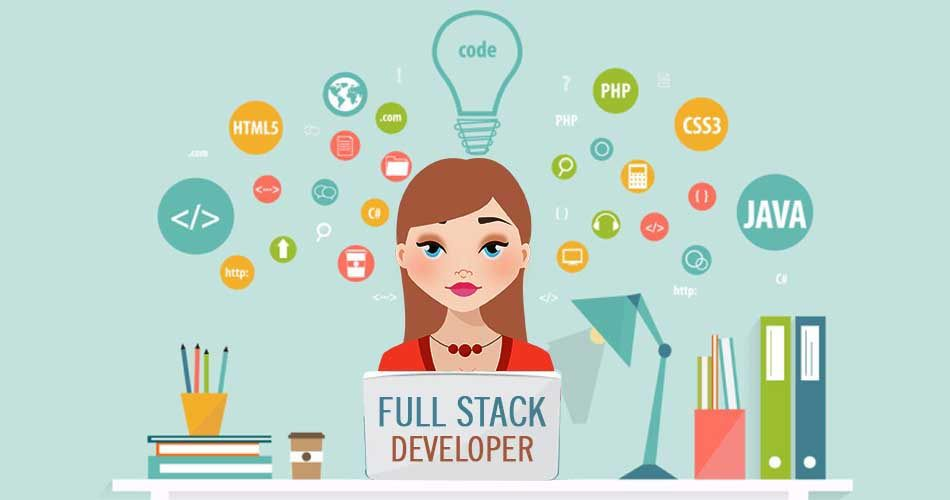
2. Full Stack Developer
Role Snapshot: Full stack developers are the Swiss Army knives of software engineering, building complete web applications from user interface to server logic. Your software engineering background makes this a natural transition career.
What You’ll Actually Do:
- Develop both front-end (what users see) and back-end (server-side logic) of web applications
- Build databases, APIs, and server architecture
- Create responsive user interfaces with modern frameworks (React, Vue, Angular)
- Optimize code for performance across devices (mobile, tablet, desktop)
- Collaborate with designers, product managers, and other developers
Essential Skills: HTML/CSS/JavaScript • React or Vue.js • Node.js or Python/Django • MongoDB or PostgreSQL • REST APIs • Git version control • Responsive design • AWS or cloud basics
Best For: Generalists who enjoy building visible products, problem solvers who like variety in their work
Entry Path:
- Education: B.Tech + full stack bootcamp (GUVI, Scaler) or self-learning + portfolio
- Timeline: 4-6 months intensive learning
- First Job: Junior Full Stack Developer (₹4-8 LPA)
- 3-Year Track: Full Stack Developer (₹10-16 LPA)
- 5+ Year Track: Senior Developer, Tech Lead (₹16-25 LPA)
Source: Ambitious Box
3. Cloud Solutions Architect
Role Snapshot: Cloud architects design and build the infrastructure that powers modern applications. With 95% of organizations using cloud services, this is one of the highest-paying software engineering careers in 2026.
What You’ll Actually Do:
- Design scalable, secure cloud architecture for applications and data
- Migrate legacy systems to cloud platforms (AWS, Azure, Google Cloud)
- Optimize cloud costs and performance (FinOps practices)
- Implement security, disaster recovery, and compliance measures
- Work with containers (Docker, Kubernetes) and serverless architectures
Essential Skills: AWS/Azure/GCP certification • Kubernetes & Docker • Infrastructure as Code (Terraform, CloudFormation) • Networking & security • Cost optimization • System design • Linux/Unix • CI/CD pipelines
Best For: System thinkers who enjoy scalability challenges, detail-oriented problem solvers
Entry Path:
- Education: B.Tech + 2-3 years experience as developer/engineer + cloud certifications
- Timeline: 3-5 years total experience needed for architect roles
- First Job: Cloud Engineer (₹6-12 LPA)
- 3-Year Track: Cloud Solutions Architect (₹15-28 LPA)
- 5+ Year Track: Senior Architect, Principal Engineer (₹30-50 LPA)
Average Salary: ₹31.2 LPA
Source: Ambitious Box
4. DevOps Engineer
Role Snapshot: DevOps engineers bridge the gap between development and operations, automating deployment pipelines and ensuring systems run smoothly. Critical for modern software delivery.
What You’ll Actually Do:
- Build and maintain CI/CD pipelines for automated deployment
- Monitor system performance and resolve infrastructure issues
- Automate repetitive tasks (deployment, testing, monitoring)
- Manage containerized applications with Kubernetes
- Ensure high availability, scalability, and security of production systems
Essential Skills: Linux administration • Docker & Kubernetes • CI/CD tools (Jenkins, GitLab CI) • Scripting (Python, Bash) • Cloud platforms • Infrastructure as Code • Monitoring tools (Prometheus, Grafana) • Git
Best For: Automation enthusiasts, troubleshooters who enjoy keeping systems running
Entry Path:
- Education: B.Tech + 1-2 years as developer + DevOps self-learning/certification
- Timeline: 6-9 months to transition from development
- First Job: Junior DevOps Engineer (₹5-10 LPA)
- 3-Year Track: DevOps Engineer (₹12-18 LPA)
- 5+ Year Track: Senior DevOps, SRE, Platform Engineer (₹18-30 LPA)
Average Salary: ₹9 LPA
Source: Ambitious Box
5. Cybersecurity Engineer
Role Snapshot: With cyber threats growing 38% in 2025, cybersecurity engineers are digital defenders protecting organizations from hackers, data breaches, and malware. One of the most recession-proof software careers.
What You’ll Actually Do:
- Protect systems, networks, and data from cyber attacks
- Conduct security audits and penetration testing
- Implement security measures (firewalls, encryption, access controls)
- Monitor for security breaches and respond to incidents
- Ensure compliance with regulations (GDPR, ISO 27001)
Essential Skills: Network security • Penetration testing • SIEM tools • Cryptography • Ethical hacking • Security frameworks (OWASP, NIST) • Python/Bash scripting • Cloud security • Threat intelligence
Best For: Security-minded individuals, ethical hackers, detail-oriented problem solvers
Entry Path:
- Education: B.Tech CS/IT + security certifications (CEH, CompTIA Security+)
- Timeline: 6-12 months learning + certification
- First Job: Junior Security Analyst, SOC Analyst (₹4-8 LPA)
- 3-Year Track: Cybersecurity Engineer (₹12-20 LPA)
- 5+ Year Track: Security Architect, CISO (₹25-50 LPA)
Average Salary: ₹9.7 LPA
Source: Ambitious Box
6. Mobile App Developer
Role Snapshot: With 6.8 billion smartphone users worldwide, mobile app developers build the applications we use every day, including apps for banking, entertainment, and health tracking.
What You’ll Actually Do:
- Develop native apps for iOS (Swift) or Android (Kotlin/Java)
- Build cross-platform apps with React Native or Flutter
- Design mobile-first user interfaces and experiences
- Integrate APIs, databases, and third-party services
- Optimize apps for performance, battery life, and different screen sizes
Essential Skills: Swift (iOS) or Kotlin/Java (Android) • React Native or Flutter (cross-platform) • Mobile UI/UX principles • REST APIs • Git • App Store/Play Store publishing • Mobile security
Best For: Visual thinkers who love mobile-first experiences, UI/UX enthusiasts
Entry Path:
- Education: B.Tech + mobile development bootcamp or self-learning
- Timeline: 4-6 months to build portfolio apps
- First Job: Junior Mobile Developer (₹3-7 LPA)
- 3-Year Track: Mobile App Developer (₹8-14 LPA)
- 5+ Year Track: Senior Developer, Mobile Architect (₹15-22 LPA)
Average Salary: ₹4.8 LPA
Source: Ambitious Box
Also Read: App development Roadmap
7. Game Developer
Role Snapshot: Game developers create interactive entertainment experiences, from mobile games to AAA titles. India’s gaming industry is growing at about 27 percent every year.
What You’ll Actually Do:
- Develop game engines, mechanics, and physics systems
- Code character behaviors, AI opponents, and game logic
- Optimize games for performance across platforms
- Collaborate with designers, artists, and sound engineers
- Debug and test gameplay experiences
Essential Skills: C++ or C# • Unity or Unreal Engine • Game physics & mathematics • 3D graphics programming • Version control • Multiplayer networking • Mobile optimization
Best For: Creative problem solvers, gaming enthusiasts, math/physics lovers
Entry Path:
- Education: B.Tech + game dev portfolio (2-3 published games)
- Timeline: 6-12 months building game portfolio
- First Job: Junior Game Programmer (₹3-6 LPA)
- 3-Year Track: Game Developer (₹7-12 LPA)
- 5+ Year Track: Lead Game Developer, Technical Director (₹15-25 LPA)
Average Salary: 13.2 LPA
Source: Ambitious Box
8. Quality Assurance Engineer
Role Snapshot: Role Snapshot: QA engineers make sure software works correctly before it reaches users. It is a great entry point into software engineering with lower competition, and many QA engineers move into developer roles within 12 to 18 months.
What You’ll Actually Do:
- Test software for bugs, errors, and usability issues
- Write automated test scripts (Selenium, Cypress, Playwright)
- Create test cases and testing strategies
- Collaborate with developers to fix identified issues
- Ensure software meets quality standards before release
Essential Skills: Manual testing fundamentals • Automation tools (Selenium, Cypress) • Programming basics (Python, JavaScript) • SQL for database testing • API testing (Postman) • Bug tracking (Jira) • CI/CD basics
Best For: Detail-oriented individuals, those seeking fastest entry into tech, career switchers
Entry Path:
- Education: Any B.Tech + QA certification (3-4 months)
- Timeline: 3-4 months training + job placement
- First Job: QA Tester, Test Engineer (₹3-6 LPA)
- 3-Year Track: Senior QA, Automation Engineer (₹7-12 LPA)
- Transition Path: Many QAs move to development roles after 1-2 years
Average Salary: ₹7.7 LPA
Source: Ambitious Box
9. Engineering Manager
Role Snapshot: Engineering managers lead technical teams, balancing people management with technical decisions. One of the highest-paying software engineering career paths requiring 5-8+ years experience.
What You’ll Actually Do:
- Manage and mentor teams of 5-15 software engineers
- Oversee project timelines, resource allocation, and budgets
- Make technical architecture decisions
- Conduct performance reviews and career development
- Interface between engineering teams and business stakeholders
Essential Skills: 5-8 years technical experience • Team leadership • Project management • Technical architecture • Communication & conflict resolution • Hiring & mentoring • Agile/Scrum • Business acumen
Best For: Experienced engineers who enjoy mentoring, strategic thinkers, strong communicators
Entry Path:
- Prerequisites: 5+ years as software engineer + team lead experience
- Progression: Senior Engineer → Tech Lead → Engineering Manager
- First Manager Role: Engineering Manager (₹15-25 LPA)
- 5-Year Track: Senior EM, Director of Engineering (₹30-50 LPA)
- 10+ Years: VP Engineering, CTO (₹50-₹1Cr+)
Average Salary: ₹34.8 LPA
Source: Ambitious Box
10. Chief Technology Officer (CTO)
Role Snapshot: CTOs are the highest-ranking technology executives, responsible for a company’s entire technology strategy and innovation direction. Requires 10-15+ years of progressive leadership experience.
What You’ll Actually Do:
- Define company-wide technology vision and strategy
- Oversee all engineering teams and technology operations
- Make high-stakes technology investment decisions
- Drive innovation and competitive advantage through technology
- Collaborate with C-suite on business strategy
- Manage technology budgets (often ₹10Cr-100Cr+ in large companies)
Essential Skills: 10-15+ years leadership experience • Deep technical expertise • Strategic business thinking • Board-level communication • Technology trends & innovation • M&A and vendor management • P&L ownership
Best For: Visionary leaders with extensive technical and business experience
Entry Path:
- Progression: Engineer → Senior → Lead → Manager → Director → VP → CTO (10-15 years)
- Startup Path: Technical Co-founder → CTO (faster but risky)
- Typical CTO Salary: ₹64.3 LPA
Source: Ambitious Box
7 Common Career Mistakes Holding Software Engineers Back
Mistake #1: Tutorial
The trap: Endlessly watching courses without building anything
The fix: Build 1 project after every 10 hours of learning. Learn by doing, not just watching.
Mistake #2: Perfectionism Paralysis
The trap: I’ll apply when I’m 100% ready
The fix: Apply at 70% readiness. Learn remaining 30% on the job. Rejection is part of the process, 10 rejections before 1 offer is normal.
Mistake #3: Ignoring Fundamentals
The trap: Jumping straight to advanced frameworks (React, Django)
The fix: Master basics first like data structures, algorithms, design patterns. Frameworks change; fundamentals don’t.
Mistake #4: No Portfolio/GitHub Presence
The trap: I have a degree, that’s enough
The fix: Build and deploy 5-10 projects. Contribute to open source. GitHub commits speak louder than degrees.
Mistake #5: Over-Specialization Too Early
The trap: I only want to do React development.
The fix: Develop T-shaped skills (broad knowledge + deep expertise in 1-2 areas). Flexibility = more opportunities.
Mistake #6: Neglecting Soft Skills
The trap: Code is all that matter
The fix: Communication, teamwork, and problem-solving matter equally. 50% of senior engineer work is non-coding (meetings, code reviews, mentoring).
Mistake #7: Not Networking
The trap: Just applying through job portals
The fix: 70% of jobs are filled through referrals. Network on LinkedIn, attend meetups, participate in hackathons, message alumni.
Wrapping Up
In 2026, software engineering careers are no longer just about writing code, they are about building intelligent systems, scalable platforms, and secure digital products that power every industry. From AI/ML and cloud architecture to DevOps and cybersecurity, today’s software engineering career options offer stronger job stability, faster growth, and higher long-term salaries than most other fields in India.
If you focus on the right software engineering career path for 2026, build real projects, strengthen your fundamentals, and stay comfortable working with AI tools, you can move confidently from entry-level software engineer jobs to high-impact and high-paying roles.
Frequently Asked Questions
1. Which software engineering career pays the most in India in 2026?
Cloud Architects, Engineering Managers and AI/ML Engineers are the highest paid. Salaries can range from ₹10 LPA to ₹1 Cr+ depending on role, company and performance.
2. Can I become a software engineer without a CS degree?
Yes. Strong projects, certifications and real coding skills matter more than your degree.
3. Is software engineering still a good career in 2026 with AI?
Yes. Demand is growing. Engineers who build systems and use AI tools are more valuable than ever.
4. How long does it take to become job-ready?
Most learners become job-ready in 6–12 months with consistent study and projects.
5. What careers can I pursue with a software engineering degree?
AI/ML Engineer, Full-Stack Developer, Cloud Engineer, DevOps Engineer, Data Engineer, Cybersecurity Engineer, Product Manager and Tech Lead.
6. Can I switch to software engineering at 30 or 40?
Yes. Age is not a barrier. A strong portfolio and relevant skills matter most.
7. Which programming language should I learn first in 2026?
Start with Python, then learn JavaScript and TypeScript for better job flexibility.
8. Do I need data structures and algorithms?
Yes, mainly for interviews. Strong DSA skills help you access better roles and salaries.
9. Can software engineers work remotely in India?
Yes. Many roles are remote or hybrid, especially in backend, cloud, DevOps and AI.
10. What is the difference between a software engineer and a software developer?
Engineers focus on system design and architecture; developers mainly focus on building features. In practice, the terms are often used interchangeably.
Success Stories

Did you enjoy this article?
Comments












would like to read more about this article