


Civil Engineering Articles
CAD Designer Resume Examples & Tips to Land Your Dream Job
CAD Designer Career in India: Salary, Job Roles & Growth Path
CAD vs CAM: Key Differences & Why It Matters in Design and Manufacturing

Get In Touch For Details! Request More Information
Top Civil Engineering Tools in 2026
Jan 16, 2026 7 Min Read 17302 Views
(Last Updated)
Tools are an essential asset of any engineer and especially when it comes to civil engineering where it involves a lot of field work, civil engineering tools play a major role.
Understanding these civil engineering tools can keep you at the edge over others and can boost your confidence, as most of the learning is done when you start understanding the various civil engineering tools.
In order for you to gain that confidence, we came up with this article where a varied range of civil engineering tools is explained in detail. So, without wasting any time, let’s get started.
Table of contents
- Benefits of Using Civil Engineering Tools
- Best Civil Engineering Tools
- Surveying Equipment:
- Drafting and Design Tools:
- Soil Testing Equipment:
- Concrete Testing Equipment:
- Construction and Inspection Tools:
- Geotechnical and Environmental Monitoring Equipment:
- Materials Testing Equipment:
- Traffic Engineering Tools:
- Safety Equipment:
- Conclusion
- FAQ
- What are the essential tools used in civil engineering?
- What are the roles of a civil engineer?
- What software tools are commonly used in civil engineering?
- What are the career prospects for civil engineers?
Benefits of Using Civil Engineering Tools

Using civil engineering tools offers numerous benefits that enhance the effectiveness, safety, and efficiency of construction and infrastructure projects. Here are some of the key advantages of using these tools:
- Improved Accuracy: Civil engineering tools, such as surveying equipment and computer-aided design (CAD) software, enable engineers to achieve high levels of precision in their work. This accuracy ensures that structures are built according to specifications and minimizes errors that can lead to costly rework.
- Enhanced Productivity: Heavy machinery and construction equipment increase the speed and efficiency of construction processes. This reduces project timelines and labor costs while improving overall project productivity.
- Cost Control: Tools for cost estimation, project management, and resource allocation help project managers and engineers monitor and control project expenses. This prevents cost overruns and helps projects stay within budget.
- Safety: Safety equipment and monitoring instruments protect workers and the public from potential hazards on construction sites. This includes personal protective gear, safety barriers, and environmental monitoring tools.
- Optimized Design: CAD and simulation software enable engineers to test and refine designs before construction begins. This reduces design flaws and ensures that structures are both safe and functional.
- Efficient Resource Management: Tools for scheduling and resource allocation help project managers optimize the use of materials, equipment, and labor. This minimizes waste and maximizes resource efficiency.
- Environmental Considerations: Monitoring equipment allows engineers to track and mitigate the environmental impact of construction projects. This is essential for complying with environmental regulations and minimizing harm to ecosystems.
- Data-Driven Decision-Making: Instruments like data loggers and sensors provide valuable data on the performance of structures and materials. This data helps engineers make informed decisions about maintenance and repairs, extending the lifespan of infrastructure.
- Quality Assurance: Material testing machines and inspection tools ensure that construction materials meet the required quality standards. This leads to durable and safe structures that require fewer repairs and maintenance.
- Risk Mitigation: Tools for analyzing geotechnical and structural data help engineers identify and mitigate potential risks early in the project. This reduces the likelihood of accidents and unexpected setbacks.
In summary, civil engineering tools play a vital role in modern construction and infrastructure development. They contribute to the successful completion of projects by ensuring accuracy, safety, efficiency, and cost-effectiveness.
These tools not only benefit engineers but also society as a whole by delivering well-designed, sustainable, and resilient infrastructure that improves our quality of life.
Best Civil Engineering Tools
The engineers of this domain use a variety of civil engineering tools and equipment to design, plan, analyze, and construct infrastructure projects. These tools help them perform tasks ranging from surveying and drafting to soil testing and construction management. Here is a list of some common civil engineering tools that are being used widely:
1. Surveying Equipment:

Surveying equipment in civil engineering tools is like the “eyes” and “ears” of a construction project. It helps engineers gather important information about the land and its surroundings before, during, and after construction.
Imagine you’re building a house, and you want to make sure it’s in the right spot, level, and safe. Surveying equipment helps you do just that. Here are some key pieces of surveying equipment:
- Total Station: Think of it as a high-tech measuring tool that combines a telescope with a computer. It helps measure distances and angles very precisely. This is crucial for making sure everything is in the right place.
- Theodolite: Picture a fancy, accurate tool that looks a bit like a telescope on a tripod. It helps engineers measure angles, both horizontally and vertically. This is important for creating straight lines and making sure things are level.
- GPS (Global Positioning System): You know how you use GPS in your car to find your way around? Civil engineers use a more advanced version of this to pinpoint locations and create accurate maps
. - Leveling Instruments: These tools are like the “spirit levels” you might use at home, but much more precise. They help make sure surfaces are flat and at the right height.
Think of surveying equipment as the engineer’s way of making sure everything is in the right place and the right shape. It’s like their compass and ruler, helping them create accurate maps, plans, and measurements for construction projects. Without these tools, buildings and roads might end up crooked or in the wrong spot!

2. Drafting and Design Tools:
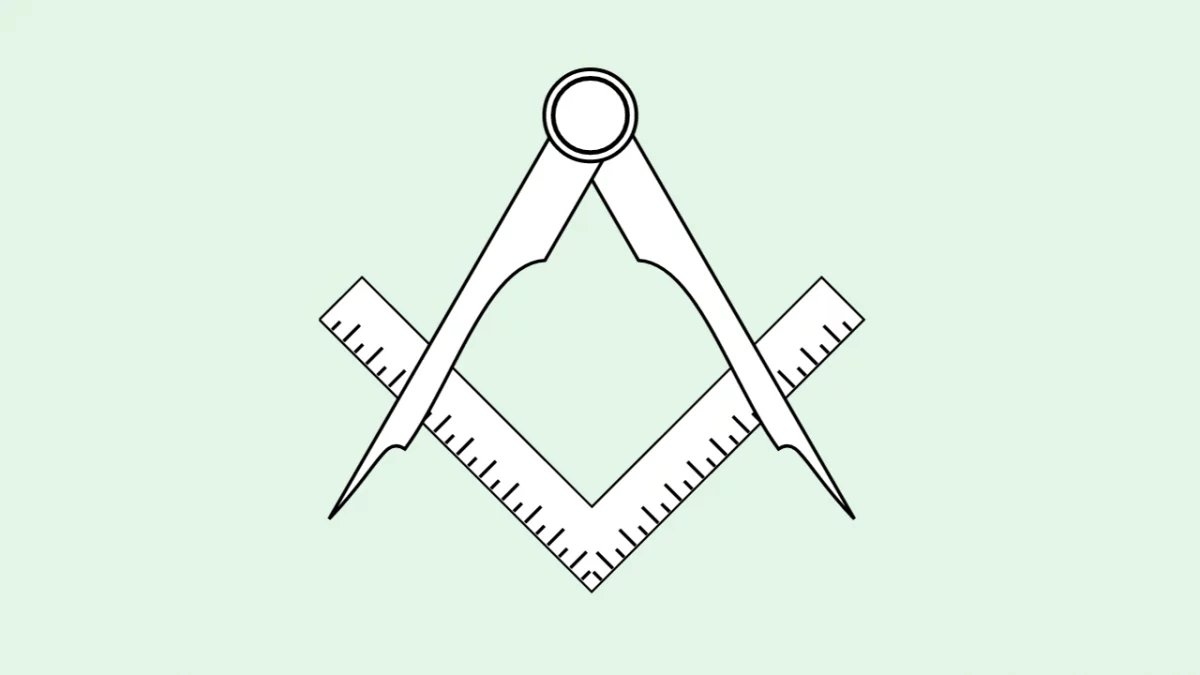
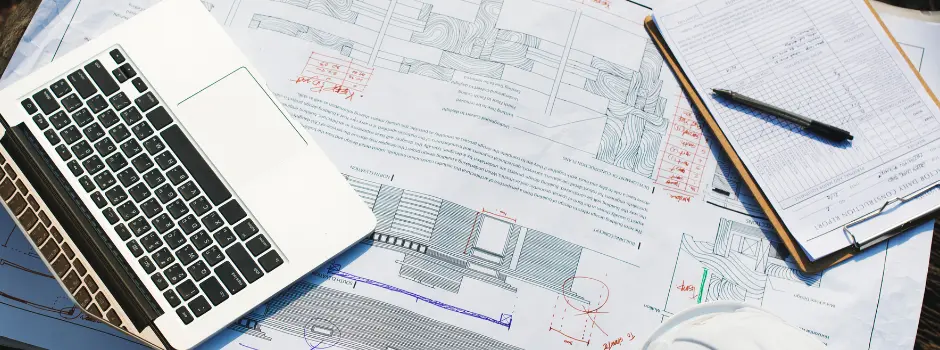
Drafting and design tools in civil engineering are like an artist’s toolkit, but instead of creating beautiful paintings, civil engineers use them to create detailed blueprints and plans for buildings, roads, bridges, and other infrastructure projects.
- CAD (Computer-Aided Design) Software: This is like a high-tech drawing board on a computer. Engineers use it to create precise and detailed digital drawings of structures and layouts. It’s like having a digital canvas where they can design and tweak every aspect of a project.
- Drafting Boards and T-squares: Imagine a big, flat desk with a special ruler (T-square) that helps engineers draw straight lines. It’s like having a super-precise sketching surface for their plans.
- Drafting Compass: Just like the compass you might have used in school to draw circles, this tool helps engineers draw arcs and circles with precision.
- Scale Rulers: Think of these as magic rulers that can shrink or enlarge drawings to a specific scale. They make sure that the tiny drawing on paper represents the real-life size of a building or structure.
These drafting and design tools are the engineer’s artistic instruments. They allow them to transform their ideas into detailed plans that construction teams can follow. Just as an artist needs the right brushes and paints, civil engineers need these tools to turn their vision into a practical and buildable reality.
3. Soil Testing Equipment:

Soil testing equipment in civil engineering tools is like a detective’s toolkit for the Earth. It helps engineers investigate and understand the properties of the soil beneath the ground before they start building something. Think of it as uncovering the secrets of the earth to ensure a solid and safe foundation for structures like buildings, roads, and bridges.
- Cone Penetrometer: Imagine it as a probe that gently pokes into the ground like a finger. It tells engineers how soft or firm the soil is, which is crucial for knowing if the ground can support heavy structures.
- Soil Sampler: Think of this as a scoop that collects soil samples from different depths underground. It’s like taking soil samples from different layers of a cake to understand its ingredients and quality.
- Sieves: These are like special sifters for soil. Engineers pour soil through them to separate it into different-sized particles. It’s a bit like sorting marbles by size.
- Proctor Compaction Test Apparatus: This device helps engineers figure out how densely they can pack the soil. It’s similar to squishing sand to see how tightly it can be packed in a bucket.
To put it simply, soil testing equipment helps civil engineers get to know the soil in the same way a doctor examines a patient before treatment. It ensures that construction happens on a solid and stable foundation, preventing problems like sinking buildings or unstable roads.
4. Concrete Testing Equipment:
Concrete testing equipment in civil engineering tools is like quality control tools for the concrete that goes into buildings, roads, and bridges. It’s all about making sure the concrete is strong, reliable, and safe for use in construction. Think of it as checking the ingredients and quality of a recipe to ensure the final dish turns out just right.
- Compression Testing Machine: This is like a giant strength tester for concrete. Engineers take a small piece of concrete and squeeze it to see how much force it can handle. It’s similar to testing how strong a material like a rubber band is by stretching it until it breaks.
- Concrete Mixers: Imagine a big kitchen mixer, but instead of baking, engineers use it to mix the ingredients for concrete, like cement, sand, and water, to create a consistent and strong mixture.
- Rebar Locators: These are like metal detectors for concrete. They help engineers find the hidden steel bars (rebar) inside concrete structures to ensure they’re placed correctly and won’t cause problems later.
Concrete testing equipment ensures that the concrete used in construction projects is just the right mix and strength. It’s like having a master chef taste-test every ingredient before cooking a meal to guarantee it turns out delicious and safe to eat. In civil engineering, these tools are the quality testers to ensure the concrete’s quality and strength, preventing potential issues in buildings and infrastructure.
5. Construction and Inspection Tools:

Construction and inspection tools in civil engineering are like the building project’s “checklist” and “finishing touches.” They help ensure that construction work is done properly and safely, and they’re like the tools a supervisor or inspector would use to make sure everything is in order.
- Tape Measure: Think of it as a handy measuring tool, like the one you might use when hanging a picture at home. Engineers use it to make sure things are the right size and in the correct position.
- Levels: These tools are like the bubble levels you might use for hanging shelves or pictures. They help make sure surfaces are flat and things are straight. Imagine making sure a bookshelf is perfectly horizontal – that’s what levels do, but on a larger scale.
- Laser Distance Measurers: These are like magic wands that quickly measure distances accurately with a laser beam. It’s as if you could point your finger and instantly know how far away something is.
- Surveyor’s Markers and Flags: Picture engineers using colored flags like they’re marking points on a treasure map. These markers help identify key spots for construction teams to follow and ensure everything is built in the right places.
- Safety Gear: Just like workers in a factory wear helmets and safety vests to stay safe, construction workers wear safety gear like helmets, vests, gloves, and steel-toed boots to protect themselves on the job.
Construction and inspection tools are like the overseer’s tools, making sure that the construction site is organized, and safe, and that the work meets the plans and standards. In civil engineering, these tools are the quality assurance team, making sure everything is just right in the construction process.
6. Geotechnical and Environmental Monitoring Equipment:

Geotechnical and environmental monitoring equipment in civil engineering tools is like the “sensors” and “observers” of the construction site. They keep a watchful eye on the ground and the surrounding environment to ensure that construction is safe and doesn’t harm the natural world. Imagine them as guardians of the Earth and surroundings during construction.
- Piezometers: Think of these as little underground detectives. They measure the pressure of groundwater deep beneath the surface. It’s like checking the water level in a well to make sure it doesn’t rise too high and affect the construction.
- Inclinometers: Imagine these as sensors placed in the ground to sense any movement or tilting of the soil or slopes. They work like spirit levels that tell engineers if the ground is shifting, just like a carpenter checks if a shelf is perfectly horizontal.
- Environmental Sensors: These are like the guardians of the air and surroundings. They keep an eye on things like temperature, humidity, pollution levels, and other environmental factors. It’s like having weather stations to understand how construction might affect the local environment.
Geotechnical and environmental monitoring equipment ensures that construction doesn’t disturb the natural balance of the land and keeps everything safe. Just like lifeguards watch over swimmers to ensure their safety, these tools watch over the construction process to protect the environment and the project itself.
Explore: New Features of AutoCAD: 10 New Things To Keep Note Of
7. Materials Testing Equipment:
Materials testing equipment in civil engineering tools is like the “quality control” department for the materials used in construction. Imagine it as a group of inspectors who check the strength and reliability of various building materials to ensure that they meet the necessary standards.
- Universal Testing Machine: Think of it as a powerful machine that’s like a weightlifting bench for materials. It helps engineers test how much force different materials, like concrete or steel, can handle. It’s like finding out how strong a rope is by pulling it until it breaks.
- Non-destructive Testing (NDT) Equipment: These tools are like medical scanners for materials. They allow engineers to examine the inside of materials, like concrete or metal, without damaging them. It’s like getting an X-ray to check your bones without breaking them.
- Hardness Testers: Imagine these as the “toughness testers” for materials. They measure how hard or resistant a material is to wear and pressure. It’s like checking if a baseball is hard enough to withstand being hit by a bat.
Materials testing equipment makes sure that the materials used in construction are strong and dependable. In civil engineering, these are the quality testers for materials, ensuring that buildings and structures are sturdy and secure.
Also Read: 5 Reasons to Learn AutoCAD for Civil Engineers
8. Traffic Engineering Tools:
Traffic engineering tools in civil engineering tools are like the traffic “choreographers” and “planners” of our roads and transportation systems. They help ensure that traffic flows smoothly, safely, and efficiently. Think of them as the tools that make sure everyone gets to their destinations without too much hassle.
- Traffic Counters: Imagine these as digital counters that count how many vehicles pass by a particular spot on the road. It’s like having a clicker to count how many people enter a store. This data helps traffic engineers understand how busy a road is and plan accordingly.
- Traffic Signal Timing Software: Think of this as the conductor’s baton for traffic lights. It helps engineers adjust the timing of traffic signals to reduce congestion and make sure traffic flows smoothly. It’s like making sure the orchestra plays in harmony.
- Roadway Design Software: These are digital drawing tools for road designers. They help create road layouts and intersections that are safe and efficient for drivers and pedestrians. It’s like designing a puzzle where all the pieces fit together perfectly.
Discover: Top Roles and Responsibilities of a Civil Engineer [2026]
9. Safety Equipment:
Safety equipment in civil engineering tools is like the protective gear and precautions people take in everyday life to keep themselves safe from harm. It’s all about ensuring that those working on construction sites are shielded from potential dangers, just like wearing helmets while riding a bike or seatbelts while driving in a car.
- Helmets: These are like the hard hats that construction workers wear to protect their heads from falling objects. It’s similar to how we wear bike helmets to safeguard our heads during a ride.
- Vests: Think of safety vests as the bright, reflective clothing that construction workers wear to make themselves visible to others. It’s like wearing reflective clothing when you go for a nighttime walk to stay safe.
- Gloves: These are like the gloves we put on to protect our hands when doing tasks that could cause injury, like gardening or cooking. Construction workers wear gloves to shield their hands from cuts, chemicals, and other hazards.
- Safety Glasses: These are similar to the protective eyewear we wear when playing sports or doing activities that might involve flying debris or particles. Construction workers wear safety glasses to safeguard their eyes from dust, splinters, and other potential eye hazards.
- Steel-Toed Boots: Think of these boots as the equivalent of sturdy hiking boots or footwear designed to protect your feet while working or walking on uneven terrain. They help prevent foot injuries from heavy objects or sharp materials.
Safety equipment in civil engineering is like a personal shield for construction workers, ensuring that they can do their jobs safely and return home unharmed, just as we take precautions in our daily lives to avoid accidents and stay protected.
Conclusion
In conclusion, civil engineering tools are indispensable instruments to learn civil engineering better, and they help transform complex ideas into real-life infrastructure. These tools empower civil engineers to survey, design, and construct our world with precision and safety.
They ensure that structures are sound, roads are safe, and the environment is preserved. The diverse range of tools showcased in the civil engineering toolkit not only streamlines the construction process but also contributes to the creation of resilient, efficient, and sustainable infrastructure that enhances our lives and communities.
Civil engineering tools are the catalysts that bridge the gap between visionary concepts and the solid foundations upon which they stand.
FAQ
What are the essential tools used in civil engineering?
Essential tools in civil engineering include surveying equipment, drafting and design tools, soil testing equipment, concrete testing equipment, construction and inspection tools, and more.
What are the roles of a civil engineer?
Civil engineers design infrastructure, manage construction projects, ensure safety and compliance with regulations, and oversee the maintenance and repair of structures.
What software tools are commonly used in civil engineering?
Civil engineers use software like AutoCAD for design, project management tools for planning, and structural analysis software for analyzing building integrity.
What are the career prospects for civil engineers?
Civil engineers have a wide range of career opportunities in construction, transportation, environmental engineering, structural design, and project management, making it a versatile and in-demand profession.
Success Stories

About the Author
Lukesh S
A professional content writer who has experience in freelancing and now working as a Technical Content Writer at HCL GUVI having sound knowledge in Blog Writing and Creative Writing!
View all posts by Lukesh S
Connect with me @











Did you enjoy this article?