


Full Stack Development Articles
My Full Stack Developer Interview Experience: What Nobody Tells You
What Is CRUD? A Complete Guide to Create, Read, Update, Delete in Modern Applications
How to Build Your First ML Powered Web App (Even If You're Not a Data Scientist)
How to Stay Valuable as a Web Developer in The Era of AI [2026]

Get In Touch For Details! Request More Information
Top Features of PHP Every Beginner Should Know
Dec 08, 2025 6 Min Read 1376 Views
(Last Updated)
The world of web development moves fast, and every year there are new programming languages and frameworks. However, PHP has stuck around all this time. PHP is the tool in your toolkit that never disappears; it just keeps getting better with time.
PHP has existed for nearly 30 years and is still a critical backend language for the internet. It can be used to power every website from multinational organizations and platforms to small business websites. What makes PHP a versatile language? Simple! It does what it does quickly and efficiently and is stable, flexible, secure, and beginner-friendly.
In this blog, we’ll take a detailed look at the key features of PHP, explore why developers still rely on it, and understand how it continues to stay relevant in today’s tech world. Whether you’re a coding newbie or someone curious about how websites work behind the scenes, this guide will help you understand why PHP remains a top choice for developers
Table of contents
- What is PHP?
- Features of PHP
- Open Source and Free to Use
- Platform Independent
- Simple and Easy to Learn
- Quick and Effective Performance
- Easy Database Support
- Flexibility and Scalability
- Large Community and Support
- Integration with Other Technologies
- 💡 Did You Know?
- Great Frameworks for Accelerated Development
- Built-in Error Handling
- Security and Reliability
- Support for Object-Oriented Programming (OOP)
- Easy Maintenance and Upgradation
- Powerful CMS and E-Commerce Integration
- Ongoing Updates and Development
- Wide Hosting Availability
- Testing and Automation Features
- Community Packages and Composer
- Wrapping it up
- FAQs
- What are the key characteristics of PHP?
- Is PHP easy to learn for beginners?
- Why is PHP still popular?
- Does PHP support databases?
What is PHP?
Before discussing the features of PHP, we should start with the basics.
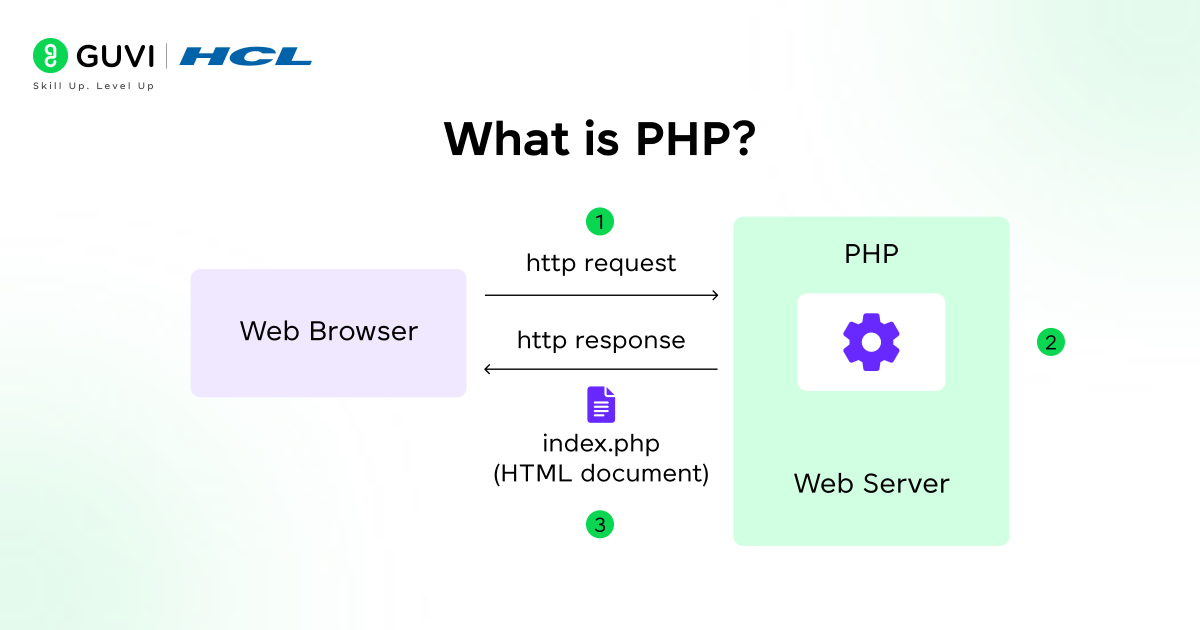
PHP stands for Hypertext Preprocessor (as a recursive acronym!). It’s a server-side scripting language created for the purposes of web development, but it can be a general-purpose programming language as well.
Originally created in 1994 by Rasmus Lerdorf, PHP has gone through countless iterations of code, and the latest versions (PHP 8.x and later) have had major improvements in performance, security, and usability.
In short, PHP facilitates the creation of websites that interact with users, processes data, and serve up dynamic web pages, things that plain HTML will not do.
Features of PHP
1. Open Source and Free to Use
One of the best features of PHP is that it is completely open source, and you do not have to pay licensing fees to use it. You can simply download PHP from the official website and start developing immediately.
This open-source nature helps to foster collaboration on a global scale. There are dedicated developers all over the world who work together, contributing towards PHP for various purposes: improving performance, fixing bugs, or adding new features. As a result, PHP has matured into a powerful, stable language over the years.
In short, PHP gives you everything needed to begin coding for free.
2. Platform Independent
Another key feature for PHP is that it is platform-independent. It can run on almost every operating system, whether it be Windows, macOS, Linux, or Unix.
With its platform independence, you can develop your code on one system and deploy it on another system without worrying about having compatibility issues. In terms of web servers, it can run with just about any server-side Apache, Nginx, IIS, etc. PHP provides an unrivaled convenience for developers.
In short: Write your PHP code once, and it should run almost anywhere.
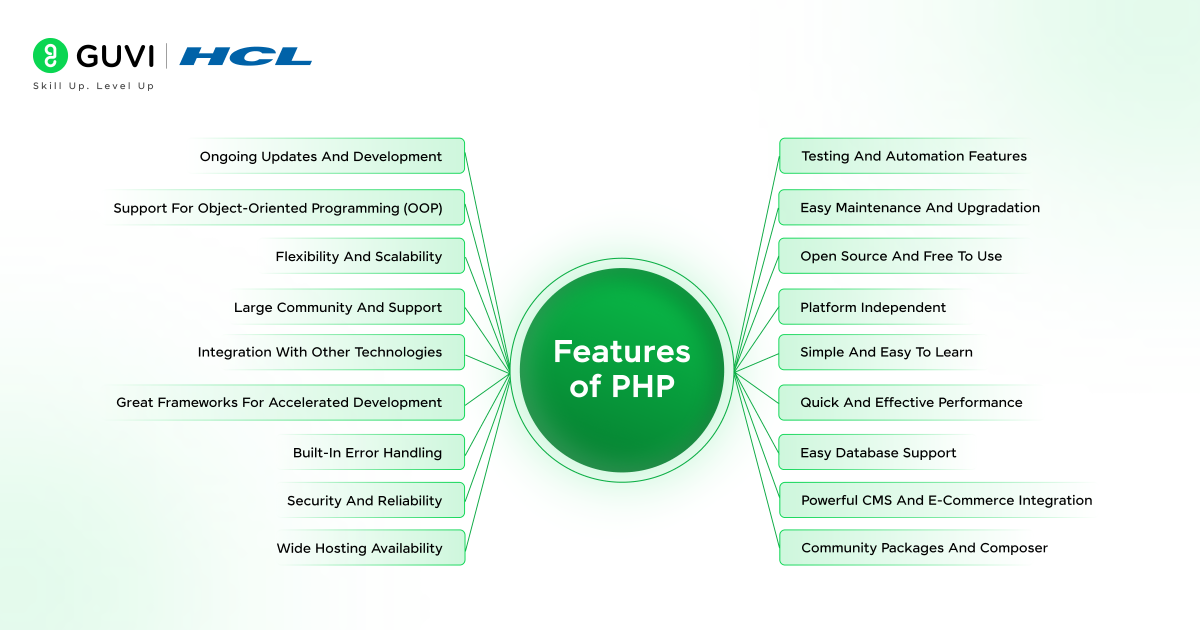
3. Simple and Easy to Learn
PHP is often the first programming language many developers learn, thanks to its simple syntax that resembles English. You don’t need to be a programming expert to understand PHP code; even beginners can start building small projects within a few days of practice.
For example, a basic PHP “Hello, World!” program looks like this:
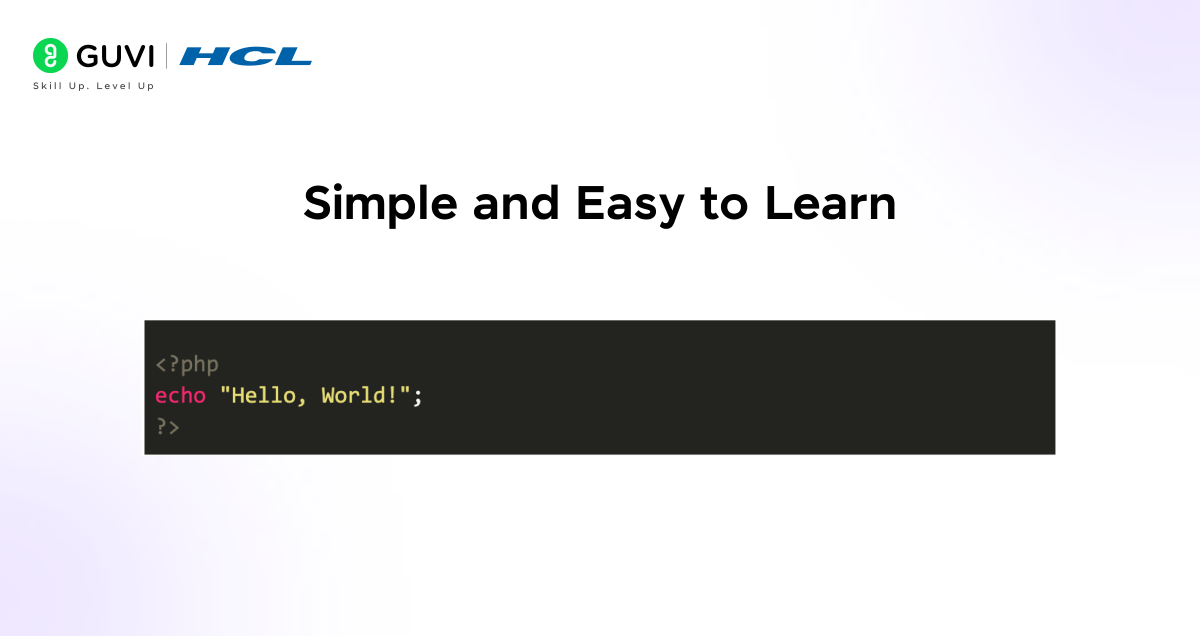
That’s it! With just a few lines of code, you can output text to a webpage. This simplicity is one of the biggest features of PHP that makes it an ideal starting point for beginners.

4. Quick and Effective Performance
When it comes to executing scripts, PHP is engineered to do it quickly, even quicker than many other scripting languages. The launch of PHP 8, with JIT (Just-In-Time) compilation, has made performance even better.
If you’re running a large-scale website or web app, PHP can handle millions of requests quite effectively. Websites like Facebook, Wikipedia, and WordPress use PHP to deliver content for billions of users, without skipping a beat when it comes to performance.
Pro Tip: With caching technologies like OPcache or Memcached, PHP can be even faster and more effective.
5. Easy Database Support
Dynamic websites generally need to store and retrieve data, and again, this is where PHP shines. One of PHP’s best features is its built-in ability to work with databases, especially MySQL.
Of course, PHP does more than just MySQL. It can support pretty much any database you can think of, including:
- PostgreSQL
- SQLite
- Oracle
- Microsoft SQL Server
- MongoDB
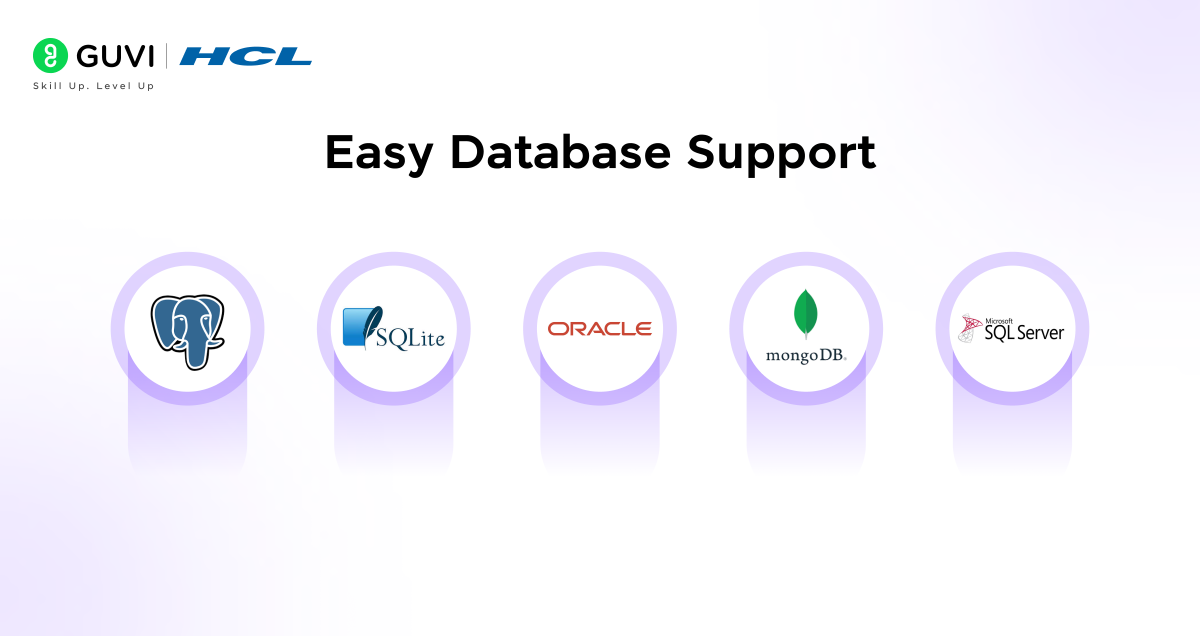
This is why PHP is a great language to use for database-driven applications, content management systems, and e-commerce websites.
6. Flexibility and Scalability
Flexibility is one of the most underrated but important features of PHP. It provides developers with the option to write code in many styles: procedural, object-oriented, or even a combination of both.
As projects scale up, PHP offers scalability, so that you can manage complex codebases with ease. PHP also works seamlessly with front-end technologies, including HTML, CSS, JavaScript, and AJAX, to build rich, interactive web experiences.
For these reasons, PHP continues to be the backbone of scalable platforms such as WordPress, Drupal, and Magento.
7. Large Community and Support
One of the strongest features of PHP is its developer community on a global scale. Given that PHP has been around for over 20 years, there is a ton of tutorials, documentation, libraries, and frameworks available online.
If you’re stuck (which you will be because everyone does), you can turn to:
- PHP documentation (from php.net)
- Online communities (e.g., Stack Overflow, Reddit, GitHub)
- Video tutorials, courses
The support base is so heavy that even the “absolute beginner” has a smooth, fun time learning PHP and not abandon their efforts in the hope of learning the skills.
8. Integration with Other Technologies
PHP’s ability to integrate with other technologies makes it incredibly flexible. It can interact with JSON, XML, REST APIs, and even cloud technologies.
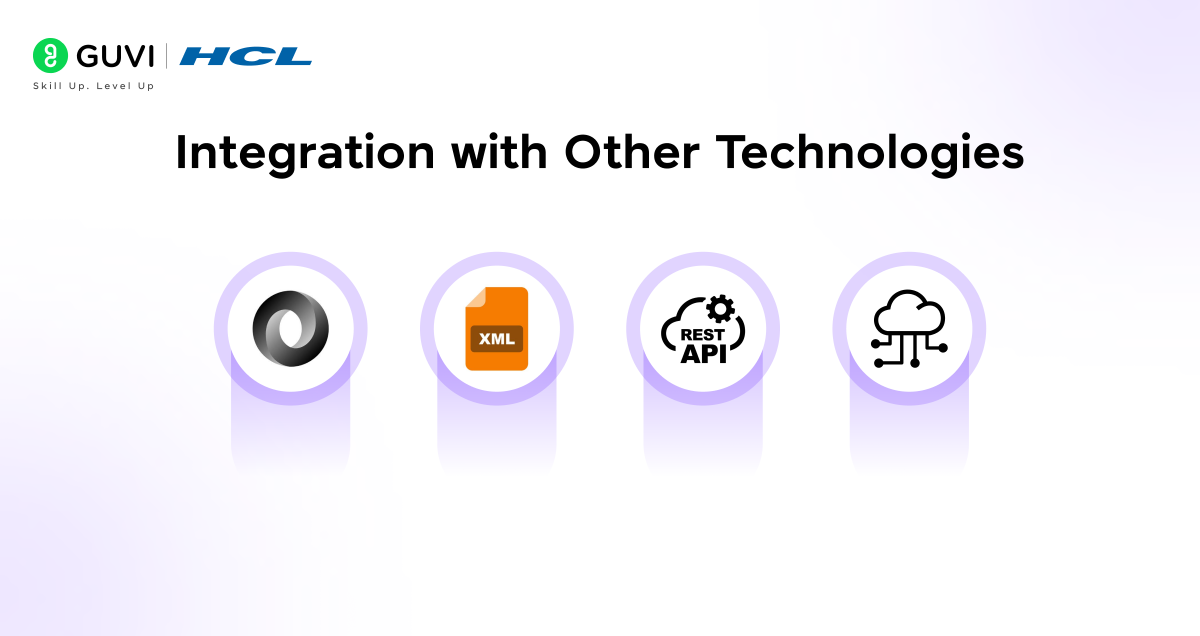
For example:
- You can integrate PHP with frontend frameworks like React or Vue.js.
- You can integrate PHP applications with third-party APIs like Google Maps, Stripe, or PayPal.
- It also works perfectly with HTML for rendering web pages dynamically.
💡 Did You Know?
- PHP powers over 75% of all websites that use server-side scripting — including giants like Facebook, Wikipedia, and WordPress.
- The latest versions of PHP (8 and above) are nearly three times faster than older ones like PHP 5!
- The first version of PHP, created by Rasmus Lerdorf in 1994, was called “Personal Home Page Tools.”
- PHP includes over 1,000 built-in functions, helping developers handle complex tasks without needing external libraries.
- Popular CMS platforms like WordPress, Joomla, and Drupal are all powered by PHP!
9. Great Frameworks for Accelerated Development
PHP provides an extensive selection of frameworks for building secure and scalable applications quickly. These frameworks offer pre-existing components, structure, and security features that enable developing applications faster.
Some of the best PHP frameworks are:
- Laravel is best known for its intuitive syntax and security features.
- CodeIgniter is lightweight and easy to learn.
- Symfony is an enterprise-grade framework for building larger applications.
- Yii is known for speed, security, and high-performance applications.
- CakePHP is great for the rapid development of web applications.
These frameworks help beginners follow best practices and write clean and maintainable code.
10. Built-in Error Handling
PHP comes with simple but effective error-handling features to help find bugs quickly. Functions like error_reporting(), and try…catch work great for exception handling with minimal interference in code execution.
It makes debugging a lot easier and it is perfect for beginners to see how web applications work. A necessary component of error handling is to ensure that your website does not break due to a simple issue, which improves user experience considerably.
11. Security and Reliability
When it comes to web development, security is always a main focus. One of the most powerful features of PHP is that it is able to protect against threats such as SQL injection, cross-site scripting (XSS), and data theft as it has multiple layers of security.
Developers have access to using built-in functions, security modules provided by frameworks, and following best practices to secure and build reliable PHP applications.
For example:
- Use of prepared statements in MySQL to avoid SQL injection attacks.
- Enable encryption of data for sensitive information.
- Use validation and sanitization to secure user input.
With the right coding guidelines, PHP can be viewed as one of the more secure scripting languages offered.
Also read: 30 Best PHP Interview Questions and Answers To Get Started
12. Support for Object-Oriented Programming (OOP)
Modern PHP versions provide complete support for Object-Oriented Programming (OOP). This capability enables developers to write modular, reusable, and scalable code.
The OOP concepts of classes, polymorphism, encapsulation, and inheritance position PHP well for building large and complicated applications. Other use OOP principles to ensure cleaner, well-organized code, such as the frameworks Laravel and Symfony.
The OOP feature gives PHP the capacity to compete with similar, enterprise-class languages like Java and C#.
13. Easy Maintenance and Upgradation
PHP is easy to maintain, update, and debug. Developers can modify a codebase without compromising other areas of the application.
The modular nature of PHP applications allows teams of developers to add new features, update features, or patch bugs quickly, which is why PHP is a popular choice for long-term projects and content management systems like WordPress.
14. Powerful CMS and E-Commerce Integration
PHP supports many popular content management systems (CMS), like:
- WordPress
- Drupal
- Joomla
These platforms allow novice, non-technical users to configure and manage blogs, websites, and e-commerce stores. Also, PHP supports e-commerce platforms like OpenCart, PrestaShop, and Magento to allow developers to build online businesses with all the features they need to create a secure, feature-rich e-commerce store.
This ecosystem of CMS and e-commerce support is one of the most commercially
Also read: Who is a Full Stack PHP Developer? All You Need To Know
15. Ongoing Updates and Development
PHP keeps improving. Each new version brings noteworthy performance boosts, functionality, and security.
For example:
- PHP 7 improved speed tremendously.
- PHP 8 added JIT compilation, union types, and better error handling.
- Later versions will continue to improve and refine PHP for speed and usability.
This consistent improvement ensures that PHP stays modern and compatible with evolving web standards.
16. Wide Hosting Availability
Most web hosting services provide PHP pre-installed, which simplifies your deployment and reduces cost. You can set up your PHP application in just a few minutes, whether on shared or cloud servers.
This wide variety of hosting options makes PHP a useful option for beginners building their first site or project.
Although PHP has existed for decades, these continual improvements ensure that it stays up to date and compatible with changing web standards over time.
Also read: Python Vs PHP: Which Language is the Clear Winner for Web Development?
17. Testing and Automation Features
PHP has good support for automated testing tools such as PHPUnit, which allows developers to write automated tests to guarantee their code is reliable. This can be very handy with large projects or professional teams that utilize modern programming techniques.
These robust features make PHP a professional-level language for small businesses up to enterprise applications.
18. Community Packages and Composer
Composer, the dependency manager for PHP, allows developers to import third-party packages with simple commands. With thousands of available starter packages, you can add functionality to your application without needing to create everything from scratch.
The ecosystem of reusable components improves speed and lowers project overhead, one of PHP’s most powerful features for modern developers.
You’ve just explored what makes PHP so powerful, but reading about features is just the first step. Now it’s your turn to bring those features to life. Join HCL GUVI’s IITM Pravartak and MongoDB Certified Online AI Software Development Course. The NSDC-endorsed course gives you a globally recognized certificate to add to your résumé, which is a significant advantage that will help you stand out in the competitive employment market.
Wrapping it up
The characteristics of PHP establish it as one of the most dependable, approachable, and flexible programming languages in the world. Its nature as an open-source language, its simple and easy-to-read syntax, its community support, and its continued evolution all ensure that PHP is a way of working for both novice and expert developers.
Whether you’re creating a personal portfolio website, a blog or an enterprise-level application project, PHP can do the job and provide the building blocks to get your knowledge and ideas into action legitimately! I hope you found this blog insightful and useful! Happy learning!!
FAQs
1. What are the key characteristics of PHP?
PHP has many characteristics, including ease of use, open-source, platform independence, database support, fast, and a strong community.
2. Is PHP easy to learn for beginners?
Absolutely! PHP has a simple syntax that is easy to understand compared to other languages, making it one of the best programming languages for beginners.
3. Why is PHP still popular?
PHP is still popular because it’s free, fast, secure, and is used by some of the most successful platforms such as WordPress, Drupal, and Facebook.
4. Does PHP support databases?
Of course. PHP works with a variety of databases, including MySQL, PostgreSQL, SQLite etc, making it a great option for dynamic websites that rely on data.
Success Stories

About the Author
Vishalini Devarajan
An Aerospace Engineer turned content writer, I focus on making complex concepts easy to understand through well-structured, reader-friendly blogs. Whether it’s a technical topic or a non-technical one, I love creating content that is clear, engaging, and impactful.
View all posts by Vishalini Devarajan
Connect with me @


















Did you enjoy this article?