


Full Stack Development Articles
Can a Business Analyst Transition into a Technical Development/FSD Role?
How Can a Database Administrator Transition into Full Stack Development?
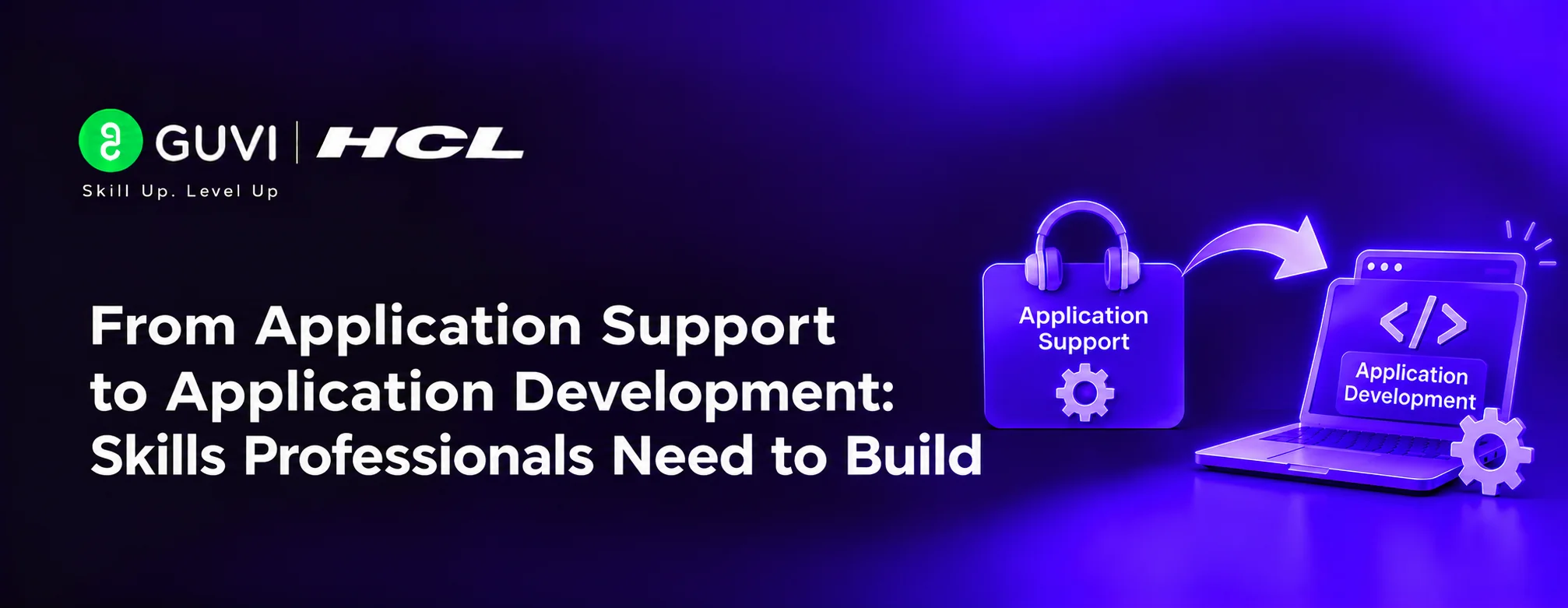
From Application Support to Application Development: Skills Professionals Need to Build
How Can a Production Support Engineer Move into a Software Development Role?


Get In Touch For Details! Request More Information
Full Stack Development Course for Working Professionals: Is It Worth It After 3–5 Years?
Nov 13, 2026 4 Min Read 30 Views
(Last Updated)
You’ve spent three to five years building your career, but lately, you’ve been thinking about learning full stack development. Perhaps you work in software testing, IT support, or another technical role and want to expand your skills.
But is it worth investing your time in an online full stack program at this stage? Will your existing experience count, or will you have to start all over again?
If you’re considering a full stack development course for working professionals, let’s explore how your current skills can help, what challenges to expect, and when this career move makes sense.
Table of contents
- TL;DR
- Is Full Stack Development Worth Learning After 3–5 Years of Experience?
- How Can Your Existing Work Experience Help You Learn Full Stack Development?
- How Much of Your Experience Will Actually Count?
- Will You Have to Start Again as a Fresher?
- Will Your Previous Experience Still Matter?
- Can You Manage an Online Full Stack Program Alongside Your Job?
- What Could a Realistic Weekly Schedule Look Like?
- When Does Full Stack Development Upskilling Make Sense for Your Career?
- A Quick Self-Assessment
- Wrapping Up
- Frequently Asked Questions
- Can I learn full stack development if I haven't studied programming since college?
- Do I need a computer science degree to join a full stack development course for working professionals?
- Can I use my existing industry experience to build full stack projects?
- Will a full stack course for experienced professionals help me qualify for internal job opportunities?
- Can I pursue full stack development upskilling without changing my current job role?
TL;DR
- A full stack development course for working professionals can be a good choice for those with 3–5 years of experience who want to expand their technical skills or move into development roles.
- Your existing experience in software testing, IT support, or application development may give you a useful foundation, although some technical gaps will need attention.
- A full stack course for experienced professionals should help you build practical coding skills while making use of your existing knowledge.
- Full stack development upskilling doesn’t necessarily mean starting your career from scratch, but your next role and seniority will depend on your technical abilities and relevant experience.
- An online full stack program can fit around a full-time job, provided you have enough time for regular coding practice and hands-on projects.
Is Full Stack Development Worth Learning After 3–5 Years of Experience?
Yes, learning full stack development after 3–5 years of work experience can be a worthwhile career move, particularly if you want to take on more development responsibilities or move into software engineering.
For example, if you’re a software tester, learning to build applications can help you understand the code you’re testing. Similarly, an IT support professional familiar with troubleshooting applications may find some development concepts easier to grasp.
However, your current role and career goals matter. If you enjoy coding and want to work on application development, full stack skills could be a useful addition. But if your interests lie in areas like cybersecurity, cloud infrastructure, or data analytics, specialising in those fields may be more relevant.
A full stack course for experienced professionals can help them build on their existing knowledge, but it still requires regular coding practice and hands-on projects to develop the necessary skills.
Python isn’t limited to data analysis and AI. Frameworks like Django and Flask also allow developers to build the back end of web applications, making existing Python knowledge useful for full stack development.
How Can Your Existing Work Experience Help You Learn Full Stack Development?
Your 3–5 years of professional experience may already give you a useful foundation, even if you’re not from an IT background. Skills like problem-solving, data handling, website management, and understanding customer needs can support your full stack development upskilling.
Here’s how your existing experience can help and what you’ll need to learn:
| Your current role | Skills you can build on | What you’ll need to learn |
| Software Testing / QA | Debugging, testing, understanding application behaviour | Writing application code, APIs, front-end and back-end development |
| IT Support | Troubleshooting, system knowledge, resolving technical issues | Programming fundamentals, databases, application development |
| Front-End Developer | HTML, CSS, JavaScript, UI development | Server-side programming, APIs, database integration |
| Back-End Developer | Server-side logic, databases, APIs | Front-end frameworks, UI development, end-to-end integration |
| Application Support / Maintenance | Application workflows, error analysis, production support | Building features, writing code, developing complete applications |
| Digital Marketing | Website management, user behaviour, analytics tools | Programming fundamentals, JavaScript, back-end development |
| Business / Data Analytics | SQL, data handling, logical problem-solving | Front-end development, APIs, server-side programming |
| Product Management | Product requirements, user journeys, working with developers | Hands-on coding, databases, building and deploying applications |
How Much of Your Experience Will Actually Count?
Your existing experience can give you a useful starting point, even if you don’t work in IT. For example, a QA professional familiar with API testing may find API development easier to understand, while someone switching from IT support to full stack development can build on their troubleshooting and application support experience.
However, understanding how applications work isn’t the same as building them. Professionals without a coding background may need more time to learn programming fundamentals.
The goal is to build on your existing strengths while gaining the practical skills needed to develop complete applications.
Want to build on your existing experience and develop practical coding skills? Strengthen your back-end and full stack development expertise through hands-on projects, industry-focused training, and expert mentorship!
Will You Have to Start Again as a Fresher?
One concern professionals with 3–5 years of experience often have is losing their career progress when switching to full stack development.
The answer depends largely on your existing skills and the role you’re targeting. For example, a back-end developer learning front-end technologies may be able to move into a full stack role without starting at an entry-level position.
However, someone moving from marketing or a non-technical role may need to consider junior developer positions initially, especially without prior coding experience.
Will Your Previous Experience Still Matter?
Yes, but employers will also look at your ability to write code, solve technical problems, and build applications independently.
Your communication, teamwork, problem-solving, and industry knowledge can still be valuable. For instance, someone with product management experience may understand user requirements particularly well.

What about salary? A career switch doesn’t guarantee a higher package. Depending on the role and your technical proficiency, you may initially earn less, maintain your current salary, or secure an increase.
Quick Tip: Before making a career switch, build two or three solid projects and assess the technical requirements of the roles you’re interested in. This can help you set realistic expectations about your next position.
Can You Manage an Online Full Stack Program Alongside Your Job?
Balancing a full-time job with coding practice can be challenging, especially when you’re already handling projects, deadlines, or additional responsibilities at work.
An online full stack program may offer flexible learning options, but you’ll still need to set aside time for coding exercises, assignments, and projects. Watching recorded lessons alone won’t be enough to develop practical skills.
What Could a Realistic Weekly Schedule Look Like?
Here’s an example for someone working five days a week:
| Day | Learning activity | Time |
| Monday–Friday | Lessons, coding exercises, and revision | 45–60 minutes daily |
| Saturday | Hands-on project development | 2–3 hours |
| Sunday | Debugging, revision, or completing assignments | 1–2 hours |
This works out to roughly 7–10 hours per week, although your actual requirements will depend on the course and your coding experience.
If you’re moving from a non-IT background, you may need additional time to strengthen your programming fundamentals.
Quick Tip: Keep at least one longer study session for project work. Building and debugging complete applications often requires more uninterrupted time than watching lessons or practicing individual concepts.
When Does Full Stack Development Upskilling Make Sense for Your Career?
After 3–5 years of work experience, learning something new is a significant commitment. Before enrolling in a full stack development course for working professionals, consider how it fits your career plans.
A Quick Self-Assessment
Ask yourself these five questions:
- Do you genuinely enjoy coding or feel motivated to learn it?
- Will full stack skills help you move towards a specific career goal?
- Are you prepared to strengthen your programming fundamentals if you’re from a non-IT background?
- Can you consistently dedicate time to coding and building projects?
- Are you comfortable with the possibility of taking a junior role or accepting a salary adjustment during a career switch?
If your answers are mostly positive, full stack development upskilling could be a sensible next step. If you’re uncertain about coding or your career direction, try a small development project before committing to a longer programme.
Remember, you don’t need to leave your current job to start learning. You can build your skills gradually and explore opportunities once you’re confident in your abilities.
Wrapping Up
An online full stack program can be a worthwhile choice for professionals with 3–5 years of experience, provided it aligns with their career goals. Your existing experience can give you a head start, but practical coding skills and consistent effort remain essential.
Ready to take the next step? HCL GUVI’s Software and AI Engineer Programme helps you build back-end and full stack development skills through industry-focused training, hands-on projects, and expert mentorship. You’ll also benefit from dedicated career support and access to a network of 1,000+ hiring partners!
And if you’re someone who prefers learning at your own pace, then HCL GUVI’s self-paced Web Development Combo Pack can be a great starting point.
Your experience already counts. Now make your next skill count too!
Frequently Asked Questions
1. Can I learn full stack development if I haven’t studied programming since college?
Yes. You can start by revisiting programming fundamentals before moving to front-end and back-end development. A beginner-friendly online full stack program can help you build your skills gradually through structured lessons and practical exercises.
2. Do I need a computer science degree to join a full stack development course for working professionals?
Not necessarily. Many programmes accept graduates from non-technical backgrounds. However, some employers may have specific educational requirements for developer roles.
3. Can I use my existing industry experience to build full stack projects?
Yes. For example, a marketing professional could build a campaign dashboard, while someone in finance could develop an expense-tracking application. Such projects can demonstrate both technical and domain knowledge.
4. Will a full stack course for experienced professionals help me qualify for internal job opportunities?
It can help you develop relevant skills, but internal mobility depends on your company’s policies, available positions, and technical assessments.
5. Can I pursue full stack development upskilling without changing my current job role?
Yes. You can use your new skills to automate tasks, collaborate more effectively with developers, or contribute to technical projects where your organization permits it.
Success Stories























Did you enjoy this article?