


Software Development Articles
My Google SDE Interview Experience: From Rejection to Selection [2026 Success Story]
Apple Interview Experience for Software Developers: What to Expect
Decoding Differences between Network OS and Distributed OS
Operating System Examples: Top OS Types, Features, and Uses Explained


Get In Touch For Details! Request More Information
Ethical Issues in Software Development: Top 10 Challenges & Best Practices
Oct 07, 2025 6 Min Read 1732 Views
(Last Updated)
What happens when software that powers millions of lives makes the wrong decision, leaks private data, spreads misinformation, or discriminates against users? The answer is simple: trust is broken and the consequences can be catastrophic.
Ethical issues in software development are business-critical concerns. Whether it is data privacy in software development, AI ethics in software, or software plagiarism issues, every choice a developer makes carries real-world impact. Keep reading to discover the challenges you must watch out for and the actionable steps to overcome them.
- Roughly 74% of data breaches involve a human element such as errors, misuse of credentials, or phishing.
- Over 80% of organizations deliberately ship vulnerable code. Many developers acknowledge that code with known security flaws still goes into production.
- 62% of organizations reported security breaches in the last year even though 93% believed their mobile apps were secure.
- In tests of applications, 97% were found to have some form of vulnerability. About 30% had high-risk vulnerabilities.
Table of contents
- What Is Software Development and its Importance?
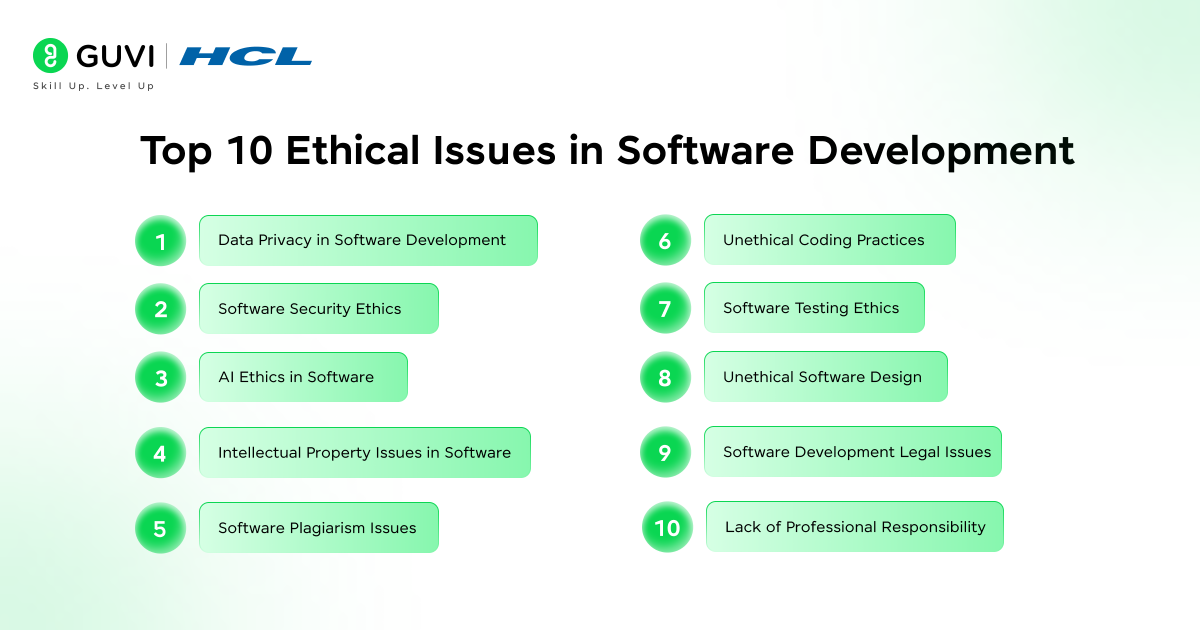
- Top 10 Ethical Issues in Software Development
- Data Privacy in Software Development
- Software Security Ethics
- AI Ethics in Software Development
- Intellectual Property Issues in Software
- Software Plagiarism Issues
- Unethical Coding Practices in Software Development
- Software Testing Ethics
- Unethical Software Design
- Software Development Legal Issues
- Lack of Professional Responsibility
- Case Study: Meta and Flo Health Period-Tracking Data Privacy
- Background
- Key Ethical Issues
- Best Practices That Should Have Been Followed
- Lessons Learned
- Future of Software Development Ethics
- Conclusion
- FAQs
- Why Do Ethical Issues Keep Emerging in Software Development?
- How Can Small Teams Handle Software Ethics Without Big Budgets?
- What Happens If a Company Ignores Software Ethics?
What Is Software Development and its Importance?
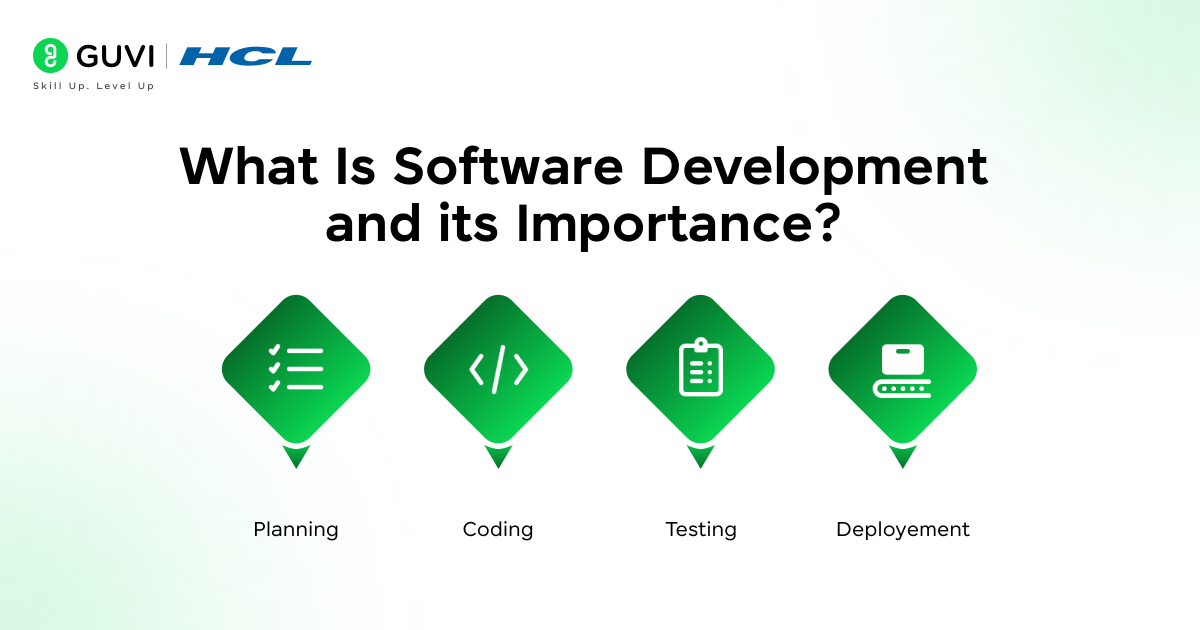
Software development is the procedure of designing and building computer programs that solve problems or perform tasks. It includes planning, coding, testing, and maintaining software so that it meets the needs of users and businesses. The purpose of software development is to create reliable systems that help people work faster and make better decisions. Software development also drives innovation across industries because it supports automation and improves efficiency. Teams that follow good development practices reduce errors and improve the quality of the final product.
Top 10 Ethical Issues in Software Development
1. Data Privacy in Software Development
Data privacy is a central issue because software products collect and store sensitive information that can include names, locations, contact details, and even health records. Weak handling of this data can result in identity theft or public exposure of private information. Users expect companies to respect their privacy and stay compliant with regulations such as GDPR and CCPA. Businesses that fail to protect user data face lawsuits and reputational damage.
Key Concerns
- Collection of personal information without consent
- Storing data in unencrypted or poorly protected systems
- Sharing user information with outside parties without disclosure
Best Practices
- Apply privacy-by-design principles and limit the amount of data collected
- Use encryption for both storage and transfer
- Publish clear privacy policies and provide users with control over their data
Recommended Tools
- OneTrust or Cookiebot for consent management and compliance tracking
- TrustArc for privacy risk assessments
- TLS 1.3 for secure data transfer and AES-256 for encrypted storage
2. Software Security Ethics
Security is a moral and technical responsibility because users trust developers to keep their information safe. A single vulnerability can allow attackers to steal data or disrupt services. Database security failures often lead to heavy financial losses and regulatory fines. Ethical development requires teams to make security a priority at every stage of the software lifecycle.
Key Concerns
- Ignoring known vulnerabilities in the code
- Failing to apply security patches promptly
- Allowing unsafe dependencies and third-party components
Best Practices
- Adopt secure coding standards from the start of development
- Perform regular penetration testing and code reviews
- Monitor systems continuously to identify threats early
Recommended Tools
- OWASP ZAP and Burp Suite for vulnerability scanning
- SonarQube and Checkmarx for static code analysis
- Snyk for monitoring open-source dependencies
Read: Software Development Best Practices in 2025

3. AI Ethics in Software Development
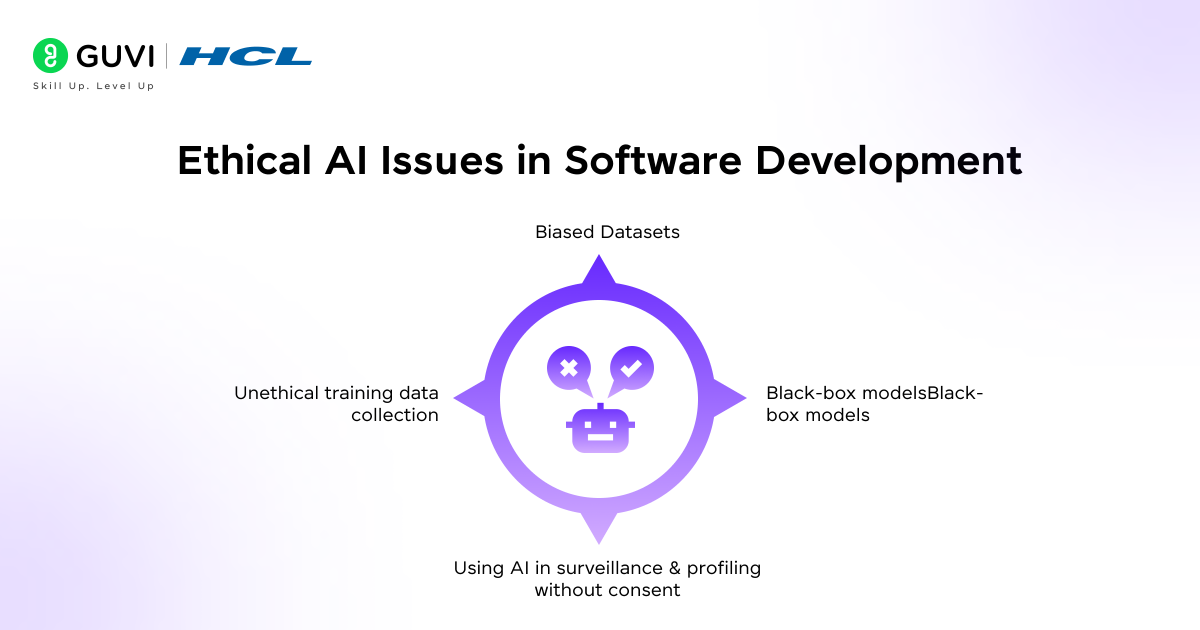
Artificial intelligence in software development affects decisions about hiring and medical treatment. Poorly designed models can reinforce bias and produce unfair results. Lack of transparency can make it impossible to challenge a wrong decision. Ethical AI and generative AI development require fairness and explainability. They also need precision and accountability at every stage.
Key Concerns
- Biased datasets that lead to discrimination
- Black-box models with no explainable output
- Use of AI in surveillance and profiling without consent
- Training data collected without transparency, which violates privacy and leads to hidden ethical risks
Best Practices
- Train models on diverse and representative data
- Document how models make predictions
- Review AI use cases to prevent harmful applications
Recommended Tools
- IBM AI Fairness 360 or Google What-If Tool for dataset and model audits
- LIME or SHAP for generating explainable AI outputs
- Model Cards for transparent documentation of model performance
Also, Read: Challenges and Possibilities of Generative AI
4. Intellectual Property Issues in Software
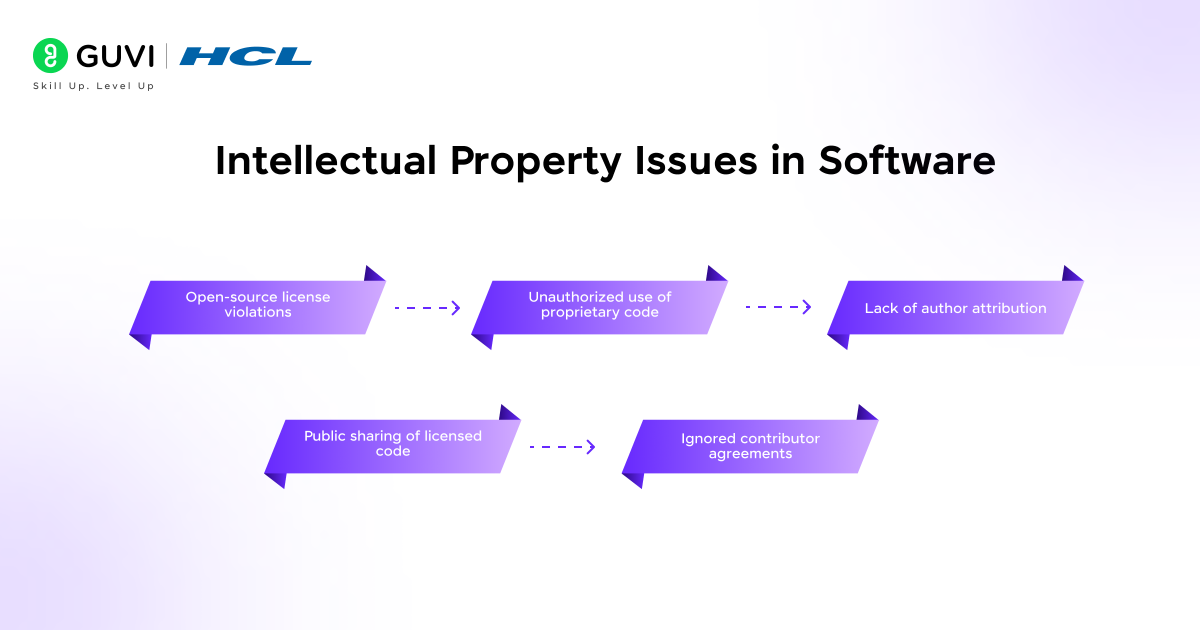
Software projects rely on code and frameworks that are often created by other developers. Using these resources without respecting licenses or crediting authors can lead to lawsuits and loss of credibility. Intellectual property protection encourages innovation and fair competition, which benefits the entire industry.
Key Concerns
- Violating open-source or commercial software licenses
- Using proprietary code without permission
- Failing to credit original authors
- Sharing licensed code in public repositories without authorization
- Ignoring contributor agreements that specify ownership of code
Best Practices
- Review and document all licenses before integrating third-party code
- Train teams on intellectual property rights and compliance
- Establish policies for handling contributions from external sources
Recommended Tools
- FOSSA or WhiteSource for automated license scanning
- GitHub License Compliance Features for repository tracking
- SPDX for standardized license documentation
Read: Top Generative AI Use Cases
5. Software Plagiarism Issues
Plagiarism in coding weakens trust within development teams and can create legal problems. It often leads to poorly maintained systems because copied code may lack proper documentation or testing. Plagiarism also prevents developers from improving their skills since they bypass the process of solving problems independently.
Key Concerns
- Copying code from public repositories without acknowledgment
- Presenting copied work as original in academic or corporate settings
- Using duplicate code that introduces hidden vulnerabilities
Best Practices
- Promote originality and require proper attribution during code reviews
- Educate developers about copyright and ethical standards
- Create a culture of transparency where copied solutions are openly discussed
Recommended Tools
- Moss (Measure of Software Similarity) for plagiarism detection
- JPlag for identifying code similarity in educational projects
- Internal code review platforms, such as Gerrit or GitHub Pull Request to flag suspicious contributions
Also, Read: Top AI Detection Tools: Protect Your Content From Plagiarism
6. Unethical Coding Practices in Software Development
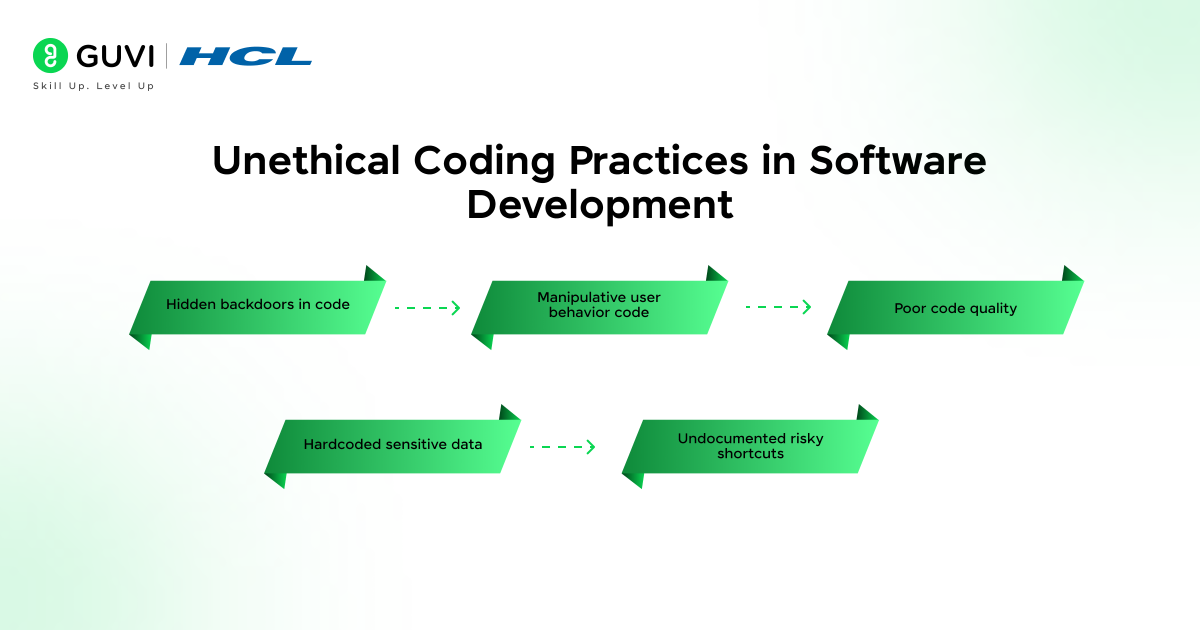
Unethical coding and programming practices create long-term problems for both users and organizations. Code that is intentionally written to deceive, exploit, or harm violates professional standards. Poor coding habits also lead to unstable systems and higher maintenance costs. Ethical coding means writing software that is safe, reliable, and respects user rights.
Key Concerns
- Creating backdoors or hidden features that compromise security
- Writing code that manipulates users into unwanted actions
- Failing to maintain code quality, which increases system failures
- Hardcoding sensitive information like passwords or keys
- Using undocumented shortcuts that create hidden technical debt
Best Practices
- Follow style guides and write clean, maintainable code
- Document decisions so future teams understand the logic
- Avoid patterns that intentionally mislead or exploit users
Recommended Tools
- ESLint and Prettier for code consistency
- Git Hooks to enforce code review standards
- SonarQube to track code quality over time
7. Software Testing Ethics
Software testing is essential to deliver reliable software. Skipping tests or manipulating results to meet deadlines can put users at risk. Testing teams have an ethical duty to report issues honestly and prevent defective software from going live.
Key Concerns
- Releasing products with known defects
- Using real user data in tests without anonymization
- Hiding test results that reveal critical flaws
Best Practices
- Write comprehensive test cases that cover real-world usage
- Keep test data anonymized and secure
- Report issues accurately and track them until they are fixed
Recommended Tools
- JUnit, PyTest, or NUnit for automated testing
- Postman for API testing
- Jira or Azure DevOps for bug tracking and resolution workflows
8. Unethical Software Design
Design decisions shape user behavior. Interfaces that manipulate users into actions they did not intend are unethical. Poorly designed systems can exclude people with disabilities and create digital inequality. Ethical design respects user autonomy and promotes fairness.
Key Concerns
- Use of dark patterns that trick users into making purchases or subscriptions
- Ignoring accessibility standards and excluding certain groups
- Designing addictive features that harm mental well-being
Best Practices
- Follow inclusive design principles such as WCAG accessibility guidelines
- Provide clear and honest choices in user interfaces
- Design features that support user control instead of dependency
Recommended Tools
- WAVE or axe DevTools for accessibility testing
- Figma or Adobe XD with accessibility plugins
- UserTesting to gather ethical UX feedback
9. Software Development Legal Issues
Legal compliance is part of professional responsibility. Violations can lead to lawsuits and government penalties. They can also damage the reputation of organizations and reduce customer trust, which leads to financial losses and legal challenges. Developers must understand the legal framework that applies to data protection, intellectual property, and industry-specific regulations.
Key Concerns
- Violating data protection laws like GDPR, HIPAA, or CCPA
- Breaching contractual agreements with clients or vendors
- Distributing software that infringes copyright
Best Practices
- Work with legal teams to review compliance obligations
- Keep updated records of consent and user agreements
- Train developers on relevant legal requirements
Recommended Tools
- Osano for privacy compliance monitoring
- Iubenda for automated legal policies
- Contract management systems like Ironclad are used to track obligations
10. Lack of Professional Responsibility
Professional responsibility is more than technical skill. Developers influence how technology affects society. Ignoring ethical guidelines can lead to harm even if the code functions correctly. Teams must promote accountability and hold each member responsible for the impact of their work.
Key Concerns
- Ignoring professional codes of conduct such as ACM or IEEE standards
- Failing to report unethical practices within a team
- Prioritizing speed of delivery over user safety
Best Practices
- Follow professional codes of ethics and integrate them into company policy
- Encourage open discussion about ethical concerns
- Provide training on ethical decision-making for all team members
Recommended Tools
- Ethics checklists created by ACM or IEEE for software projects
- Internal whistleblower systems for reporting unethical conduct
Read More: 10 Best Ethical Hacking Project Ideas [With Source Code]
Build a career that combines cutting-edge technology with strong ethical responsibility: Enroll in our AI & Software Development Course, certified by IITM Pravartak. Gain expertise in AI, full-stack development, and secure coding while mastering real-world best practices in data privacy, AI ethics, and responsible software engineering. With 1:1 mentorship, hands-on projects, and 100% placement support, this course prepares you to become the kind of developer every company trusts.
Case Study: Meta and Flo Health Period-Tracking Data Privacy
Background
Flo Health offers a period-tracking app used by millions of people. Users enter sensitive health details such as cycle dates, symptoms, fertility goals, and emotional states. Between 2016 and 2019, the app contained analytics and advertising SDKs from Meta and other third parties. Users were assured that their information would stay private unless they provided consent. Investigations revealed that some of this highly personal data was shared with third parties without clear and informed user permission.
Key Ethical Issues
- Collection and sharing of reproductive health data without explicit consent
- Use of health information for targeted advertising purposes
- Lack of transparency about what data third-party SDKs were capturing
- Violation of privacy laws, such as the California Invasion of Privacy Act
- Loss of trust leading to public criticism and reputational harm
Best Practices That Should Have Been Followed
- Provide clear, simple explanations about data collection and sharing practices
- Seek explicit opt-in consent for sensitive health information
- Minimize data sharing to what is necessary for core app functionality
- Encrypt data during storage and transmission to reduce the risk of exposure
- Audit all third-party SDKs regularly to confirm they comply with privacy commitments
Lessons Learned
This case shows how weak privacy protections can damage trust and result in legal penalties. Users expect their most private health data to be handled with care and confidentiality. Companies that collect such data must build strong privacy controls, provide clear consent options, and monitor partners to avoid misuse. Failing to do so can lead to lawsuits, loss of reputation, and declining user confidence.
Future of Software Development Ethics
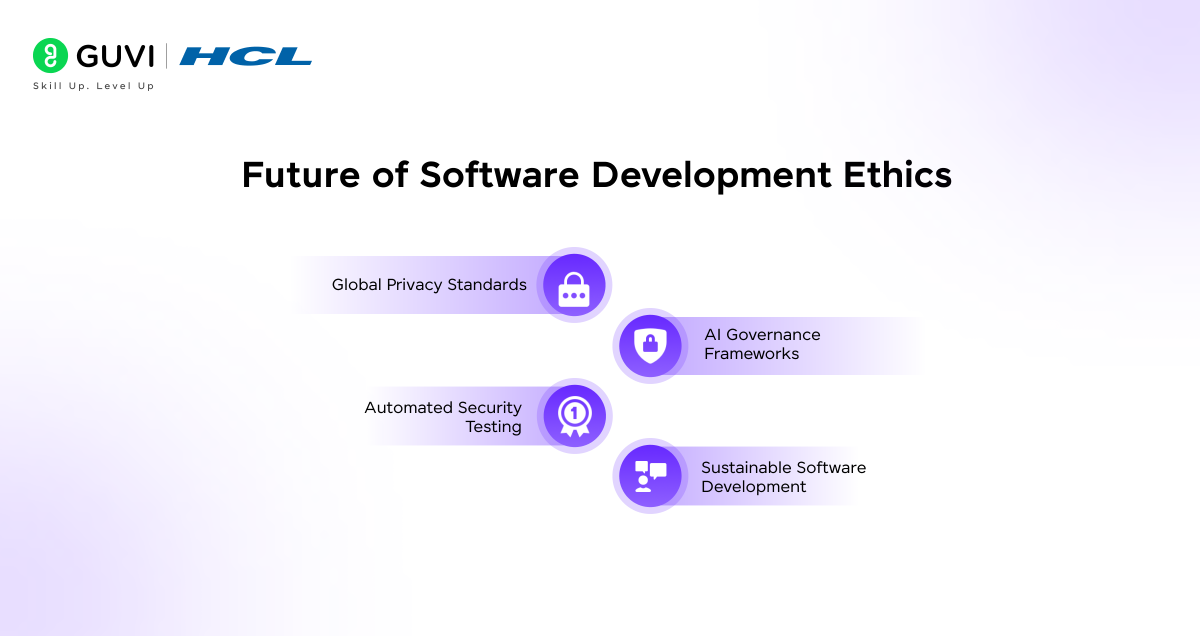
The future will bring major changes that shape how developers think about ethics and how companies build software. Key advancements to expect are:
- Global Privacy Standards
Governments are moving toward unified privacy regulations that apply across multiple regions. This will help create a single standard for how companies collect and use personal data.
- AI Governance Frameworks
Regulators and industry groups are already building frameworks for auditing AI models. These frameworks will require transparency reports and independent reviews before products reach the market.
- Automated Security Testing
More advanced and automated testing tools will detect vulnerabilities in real time. These tools will allow teams to correct issues before attackers exploit them.
- Sustainable Software Development
Companies are adopting energy-efficient coding practices and infrastructure choices. This reduces environmental impact and aligns with global sustainability goals.
Conclusion
Software development carries responsibility that extends far beyond code. Ethical failures can cause data breaches, biased AI outcomes, or unsafe products that harm people and damage business reputations. Software developers can prevent these outcomes by adopting strong ethical practices. This includes respecting data privacy, writing secure code, auditing AI models for bias, and following legal requirements.
Take action today: Review your development process, add security and privacy checks, and train your team in ethical coding. Building fair and trustworthy software is essential for sustainable growth and helps organizations avoid lawsuits, public backlash, and loss of market share.
FAQs
1. Why Do Ethical Issues Keep Emerging in Software Development?
Ethical issues appear because software interacts with sensitive data and shapes user behavior. New technologies create fresh risks before regulations catch up. Development teams sometimes focus only on speed and features, which leaves security, privacy, and fairness overlooked. Addressing ethics early helps prevent lawsuits, public backlash, and financial loss.
2. How Can Small Teams Handle Software Ethics Without Big Budgets?
Small teams can still act responsibly by adopting basic safeguards. They can use free open-source tools for code scanning and privacy testing. Simple measures like keeping libraries updated and running regular peer code reviews reduce many common risks. Building a culture of responsibility costs very little but prevents expensive problems later.
3. What Happens If a Company Ignores Software Ethics?
Ignoring software ethics can cause major damage. Users may lose trust and stop using the product. Legal authorities can impose penalties under privacy and security laws. Competitors that follow better practices can win over customers who value safety and fairness. Reputational harm often takes longer to repair than fixing technical flaws, which makes prevention the smarter choice.
Success Stories

About the Author
Vaishali
I'm a seasoned writer with four years of experience across technical, non-technical, and just about every genre or niche you can imagine. Adaptable and curious, I enjoy exploring new topics and making information engaging and easy to understand. Fueled by a steady stream of tea, I approach each project with creativity, reliability, and genuine enthusiasm for storytelling.
View all posts by Vaishali
Connect with me @
















Did you enjoy this article?