


UI/UX Designing Articles
Behind The Scenes: Real UI UX Design Interview Experience at Top Tech
Rapid Prototyping with AI: Building Web UI Concepts


Get In Touch For Details! Request More Information

9 Best Books to Learn UI/UX Design [Must-Read Edition]
Nov 04, 2025 7 Min Read 2322 Views
(Last Updated)
UI/UX is one of the creative and consistently growing fields of recent times. This industry has seen tremendous growth because of the impact it creates on digital infrastructures. There are a million resources available on the internet but which one would you choose, read or follow? There is no authentic & expert voice like in books. Isn’t it?
Great UI/UX design can make or break the success of an application or website. So, let’s hunt down the best books to learn UI/UX Design, covering various skill levels and aspects of design available to avid designers worldwide.
Table of contents
- Best Books to Learn UI/UX Design
- Don't Make Me Think - Revisited
- Designing Interfaces
- The Design of Everyday Things
- 100 Things Every Designer Needs to Know About People
- UX Research: Practical Techniques for Designing Better Products
- Designing with the Mind in Mind
- 7. The Non-Designer's Design Book
- The Elements of User Experience
- Seductive Interaction Design
- Skills You Build Through Reading UI/UX Books
- How to Choose the Right UI/UX Book?
- Common Mistakes Designers Make With Learning Resources
- Wrapping Up
- FAQs
- I'm new to UI/UX design. Which book should I start with?
- Does UX design require coding?
- Can I learn UI/UX in 3 months?
- What skills are required to become a UI/UX designer?
- Do I need a degree to become a UI/UX designer?
Best Books to Learn UI/UX Design
With the ever-evolving digital landscape, the quest for success in UI/UX design is a continuous journey. As we progress, we will navigate the must-read books that serve as both – mentors and companions for designers with ardent passion. These books are not mere guides; they are treasure maps to excellence in design, filled with the hacks, techniques, principles, best practices, do’s, don’ts, tips, recommendations, and more that have shaped the most remarkable digital experiences for users so far.
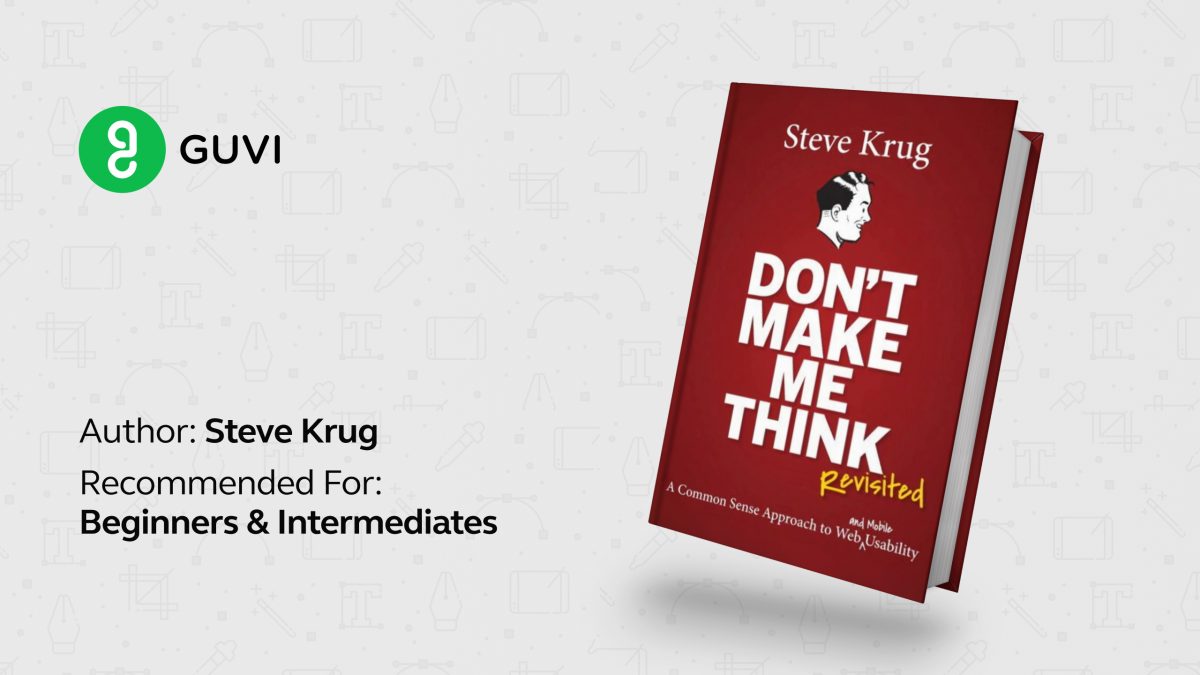
1. Don’t Make Me Think – Revisited
Steve Krug’s “Don’t Make Me Think” is a timeless classic in UI/UX design roadmap. This book focuses on the usability principle and teaches you how to create engaging, intriguing, and user-friendly designs.
The writing style of the author throughout the narrative is inspiring and filled with practical advice, making it a perfect starter for beginners. It emphasizes the importance of designing interfaces that require minimal cognitive effort from users to understand the concepts talked about. The tagline of the book goes like this…
A common sense approach to web & Mobile usability!
Don’t make me think – Steve Krug
The concepts and methodologies discussed in this book are simple and sharp, just like its tag. The book is now in its third revised version. Readers love the book as it serves the core purpose of breaking down concepts like principles of intuitive navigation and information design, the reason behind people loving top brand websites, and creating accessible and usable web & mobile apps.
Skills You Will Learn:
- Spotting friction points during quick usability reviews.
- Prioritizing user effort reduction in every design choice.
- Structuring page content so users find answers instantly.
- Applying “first-click” testing to validate navigation clarity.
- Simplifying complex features without removing core functionality.
2. Designing Interfaces
O’Reilly’s Designing Interfaces: Patterns for Effective Interaction Design is one of the best books to learn UI/UX design. This book is a collection of best practices for frequently encountered design problems, mostly user interface ones. Each pattern in the book contains practical insights, recommendations, and design choices that you can use to create effective web designs.
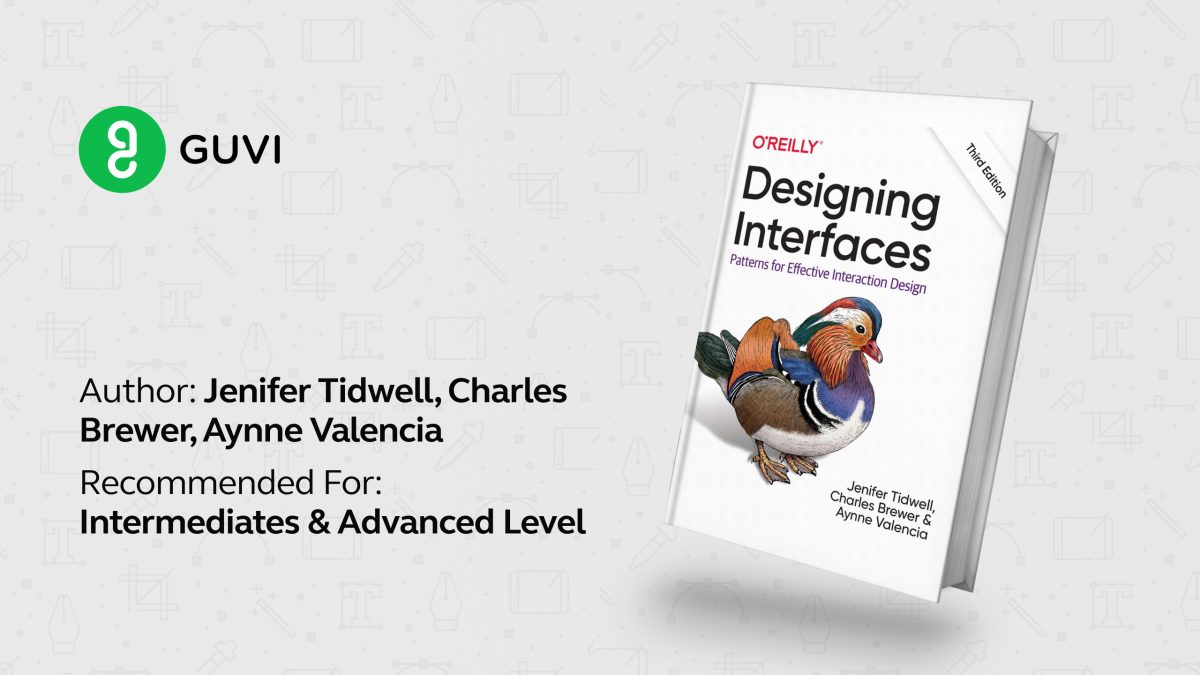
For a beginner, the book contains a lot more than an introduction to interaction design. It has a complete overview of all possible interaction components you may need in your designs (navigation, lists, mobile layout, etc.).
Skills You Will Learn:
- Selecting the right interface pattern for specific design challenges.
- Comparing multiple design alternatives and picking the most efficient.
- Using examples of anti-patterns to avoid common mistakes.
- Designing micro-interactions like tooltips, progress bars, and modals.
- Creating reusable design solutions that scale across products.

3. The Design of Everyday Things
Don Norman’s “The Design of Everyday Things” is one of the beginner’s favorites and a stunning masterpiece that delves into the psychology of design. While not exclusively focused on User Interface and User Experience design, it offers valuable insights into how people interact with everyday objects and interfaces. Understanding these principles is essential for creating user-centered designs.
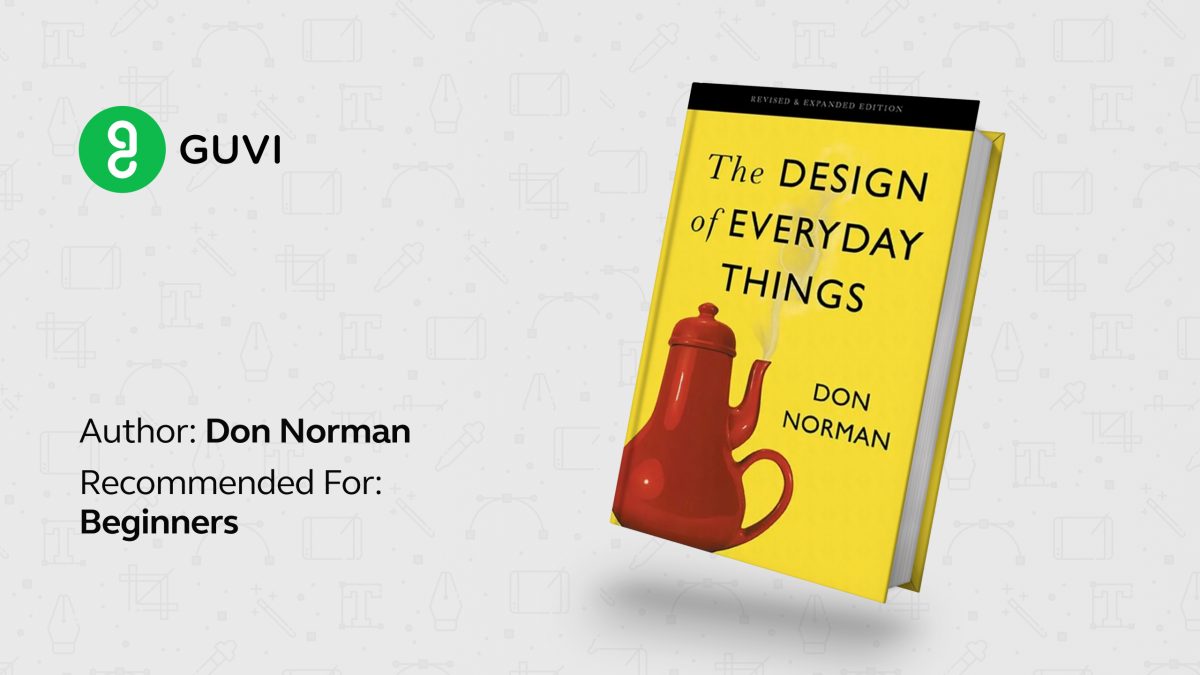
The narrative goes around a fascinating exploration of the ways in which everyday objects are designed, and how those designs can either help or hinder the people who use them. This book delivers complex ideas in a thought-provoking way and engages a broader reader circle. Norman’s use of relatable real-life examples simplifies the understanding of design principles.
A Good design is not just about aesthetics, but also about functionality and usability.
The design of Everyday things – Don Norman
This must-read book will be loved by anyone curious about design, usability, or human psychology. This has stood the test of time and remains just as relevant today as it was when it was first published. Norman’s advice and guidance are invaluable for anyone seeking to create beautiful, functional, and user-friendly objects or products.
Skills You Will Learn:
- Mapping user actions to intended outcomes through affordances.
- Anticipating common errors and designing safety nets.
- Applying feedback loops to reinforce correct user actions.
- Understanding cultural influences on how users perceive interfaces.
- Designing systems that teach users through interaction, not manuals.
4. 100 Things Every Designer Needs to Know About People
Susan Weinschenk’s book provides concise and practical insights into the human psychology of user behavior. It covers a wide range of topics, from how people perceive and remember information to how they make decisions, helping designers create more effective and user-friendly interfaces.
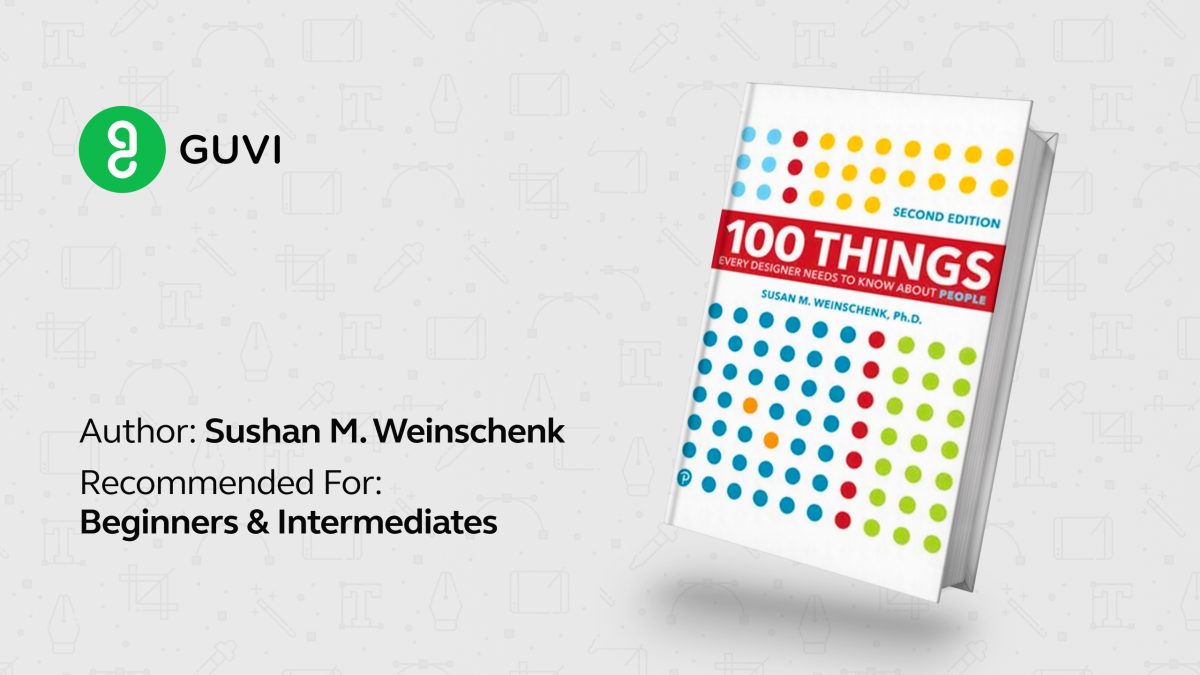
This book is a simple, straight, and very useful tool for a beginner designer. You can get a good grasp of the basics of UI/UX design principles, insights on the latest experiments, and customer psychology that drives user behavior. This book is a must-read if you wish to dig deeper into user psychology and user behavior and design your product accordingly.
Skills You Will Learn:
- Designing around attention span limits in digital interfaces.
- Applying color psychology to influence perception and action.
- Using principles of persuasion in CTAs and onboarding flows.
- Understanding trust signals that make users feel secure online.
- Adjusting visual density to support quick scanning behavior.
5. UX Research: Practical Techniques for Designing Better Products
UX Research is a basic practical research book from O’Reilly that explains everything about questions, methods, and analysis in user research. The authors of this book are Brad Nunnally and David Farkas. It was released in 2016 and It is one of the best books to learn UI/UX especially because it helps to organize your user research in a streamlined manner.
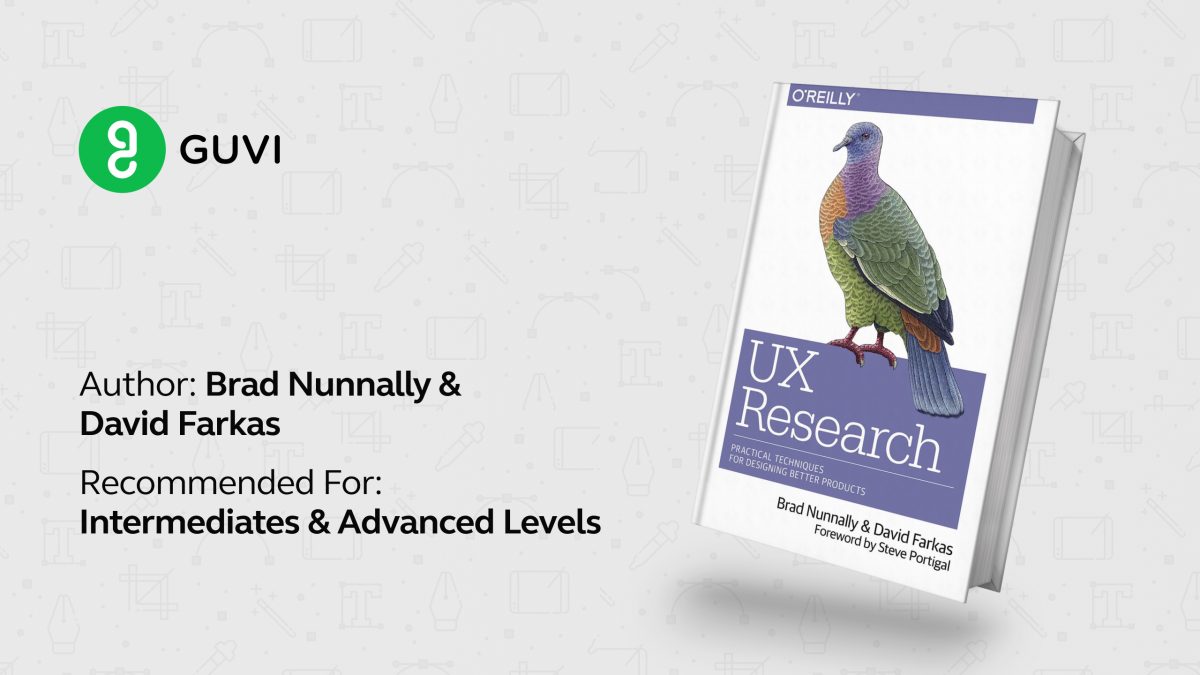
This book contains four sections, including a brief introduction to UX research, planning and preparation, facilitating research, and analysis and reporting. The primary essence of this book is to learn what it takes to ask good research questions.
Skills You Will Learn:
- Building participant personas based on real data, not guesses.
- Running diary studies to observe long-term user habits.
- Using A/B testing to compare competing design versions.
- Applying affinity diagramming for clustering user feedback.
- Creating research reports that persuade stakeholders with evidence.
6. Designing with the Mind in Mind
This book delves into the psychology of human cognition and its relevance to UI/UX design. By understanding how people think and process information, designers can create more effective and user-friendly interfaces. The approaches handled in this book are practical and describe the neuropsychology behind good Graphical user interfaces. As the title of the book says, it speaks of the simple concept of getting inside the minds of the users, analyzing their preferences, and then designing accordingly.

This book briefly explores the interplay between cognitive psychology principles and user-centered design, unveiling the mysteries of how users perceive, interact with, and remember digital interfaces. Through this book, Jeff encourages designers to create products that resonate with users on a cognitive and emotional level. So, if you’re looking to master the art of user-centered design with a touch of psychology, this book would be one of your go-to friends.
Skills You Will Learn:
- Designing error messages that reduce frustration and improve recovery.
- Applying mental models to predict how users will attempt tasks.
- Understanding selective attention to highlight the right elements.
- Designing visual cues that reduce memory load.
- Building interfaces that respect natural decision-making shortcuts.
7. The Non-Designer’s Design Book
As the title calls out, this book is for everyone. The idea behind this book is to empower individuals from all walks of life to make the most of the art of design. With a clear and approachable writing style, this book is an ideal choice for those seeking to demystify design principles and elevate their visual communication skills. Readers who may not have a background in design can explore and understand fundamental concepts of design with ease through this guide. It’s a book for those who want to create visually appealing documents, presentations, websites, and more, without having to become professional designers.
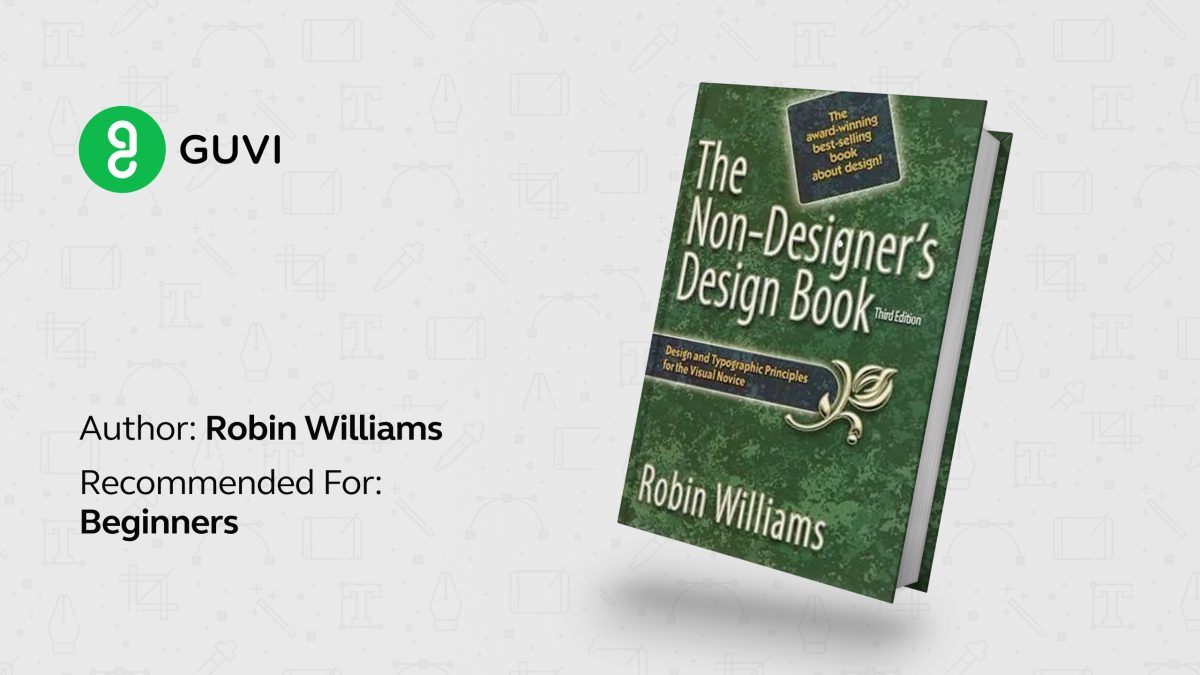
The book is packed with real-world examples, where Williams studies before-and-after designs, showing readers how small, intentional changes can make a significant difference. These practical demonstrations make it easy to grasp the concepts and apply them immediately.
It empowers professionals, students, and basically anyone interested in design to create visually appealing and effective materials, whether for work, school, or personal projects. In simple words, this book is a beginner’s delight.
Skills You Will Learn:
- Applying alignment to create invisible structure across a page.
- Using proximity to group related elements for faster recognition.
- Mixing typography styles while keeping readability intact.
- Applying before-and-after comparisons to refine layouts.
- Building confidence to design without relying on templates.
8. The Elements of User Experience
This book by Jesse helps the readers understand the intricacies of creating user-centered digital products. It offers a structured framework that simplifies the complexity of designing digital products with the user at the forefront.
Jesse offers helpful explanations, pointers, and illustrations throughout the book to help readers comprehend and apply the ideas discussed. By organizing UX design into distinct planes, the book offers a structured approach to tackling complex projects.

Throughout the book, Jesse underscores the importance of empathy in UX design. He emphasizes that a successful UX designer should be able to step into the shoes of the user, understanding their needs, frustrations, and motivations. This human-centered approach is fundamental to creating exceptional user experiences.
Skills You Will Learn:
- Separating functional requirements from user needs at project start.
- Structuring information architecture for clarity and growth.
- Building wireframes that reflect both scope and structure.
- Linking content strategy with design for seamless delivery.
- Defining UX metrics that connect directly to business outcomes.
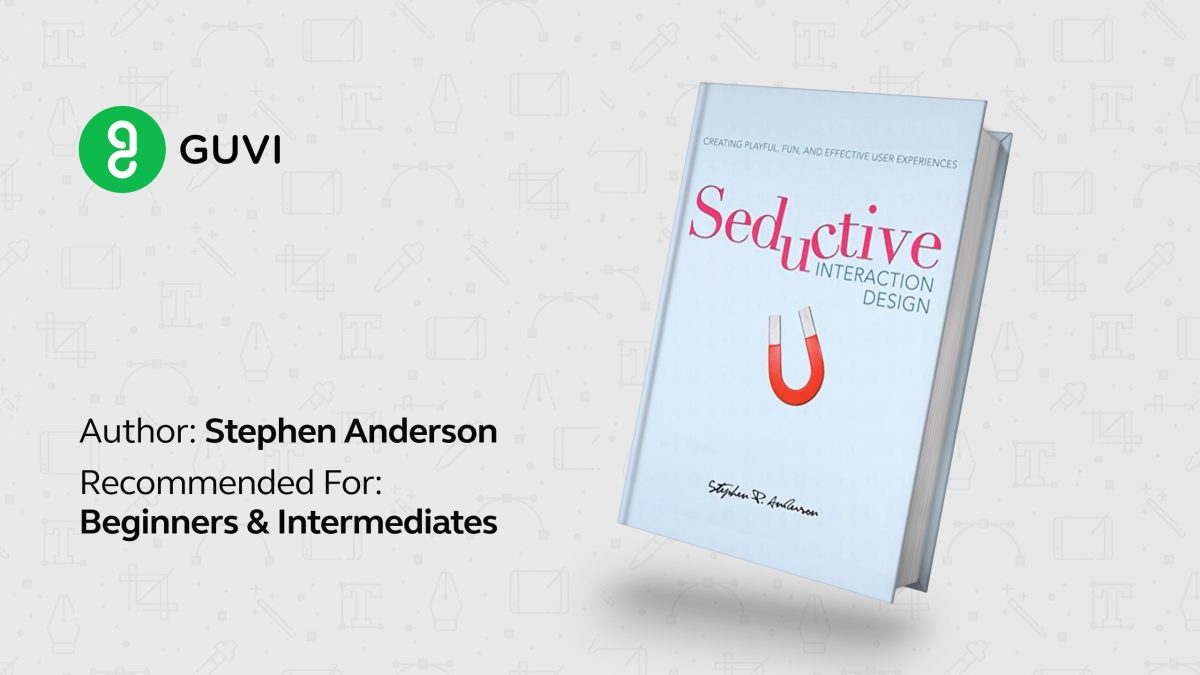
9. Seductive Interaction Design
Seductive Interaction Design is one of the best books to learn UI/UX design. This book is an engaging exploration of how to design digital experiences that draw users in and keep them coming back for more. Challenging conventional design thinking, this book doesn’t focus solely on usability and functionality. Instead, Anderson challenges designers to consider the emotional and psychological aspects of interaction. He argues that by creating “seductive” designs, we can craft experiences that are not just user-friendly but truly captivating.
The book’s art of storytelling in design is its main theme. Anderson emphasizes how stories can draw people deeper into a digital experience, making it more like a journey than a collection of elements. He offers tips for using narratives in design to foster engagement and a sense of adventure.
In simple, this book offers a fresh perspective on UX and UI design best practices, focusing on the art of capturing and retaining user attention. It motivates designers to think beyond the boundaries of functionality and explore the emotional and psychological edges of user experiences.
Skills You Will Learn:
- Using curiosity triggers to guide users deeper into the product.
- Designing reward loops that motivate continued engagement.
- Applying game mechanics like challenges or progress tracking.
- Using narrative arcs to shape interaction sequences.
- Creating delight elements that turn ordinary actions into memorable moments.
Don’t just read about design; master it hands-on with HCL GUVI’s UI/UX Design Course. Learn the art of creating user-friendly, responsive, and visually stunning digital experiences through an industry-aligned curriculum, real-world projects, and expert mentorship. With globally recognized certification, lifetime access, and dedicated placement support, this program ensures your portfolio stands out beyond books. Enroll today and turn your passion for design into a high-paying career!
Skills You Build Through Reading UI/UX Books
- User-Centered Mindset
Books illustrate how small design choices can create frustration or delight, training designers to spot hidden pain points, and these lessons grow stronger as you read multiple perspectives. Reading multiple perspectives builds empathy for different types of users and contexts, which strengthens your ability to design for inclusivity.
- Problem-Solving Methods
Exposure to multiple case studies gives you tools to adapt solutions instead of applying one rigid method, and each case adds another layer to your design toolkit. Books also highlight trade-offs, such as balancing visual appeal with accessibility, and this awareness helps you weigh options with clarity.
They help you learn structured testing methods to validate your design decisions, which makes the earlier lessons on trade-offs more actionable.
- Communication and Collaboration
Reading about frameworks and design languages equips you to explain design choices clearly, which is vital when working across teams. Books also help refine vocabulary, which makes collaboration smoother in multidisciplinary teams and prevents misunderstandings. They strengthen your proficiency to justify decisions with evidence rather than personal preference, tying back to the frameworks and case studies you’ve absorbed.
How to Choose the Right UI/UX Book?
- Match to Your Level
Beginners benefit from books on usability basics, while advanced readers can focus on strategy, research methods, or design psychology, and this layered approach ensures steady growth.
Mid-level designers may prefer titles that include pattern libraries or workflow practices, which serve as bridges between basics and advanced strategies. Some books are written for product managers or engineers but are equally useful for designers learning collaboration, showing that the right pick can broaden team understanding.
- Practical Application
Books with exercises, checklists, or project examples allow readers to test their understanding immediately, and this practice reinforces theory. Titles that include design critiques often train readers to evaluate their own work with a sharper eye, which deepens the habit of self-reflection. Select books that align with the tools and platforms you use most frequently, so the skills gained through exercises and critiques translate directly into your workflow.
- Author Credibility
Works written by academics or long-time practitioners carry tested knowledge, which builds trust in their advice. Books recommended within the design community often signal reliability and relevance, adding social proof to that trust. Checking reviews or case studies linked to the author’s work can confirm if the advice is practical, completing the process of choosing a credible source.
Common Mistakes Designers Make With Learning Resources
- Lack of Reflection: Reading without reflection or finishing chapters but never asking “how can I apply this tomorrow?” weakens the impact of learning.
- Narrow Perspective: Depending too heavily on one book or one author limits perspective, and this narrow view reduces your ability to solve diverse problems.
- Skipping Practice: Treating books as final answers instead of combining them with hands-on practice and feedback leaves skills underdeveloped, even if the theory is solid.
- False Progress: Collecting multiple resources for “someday” and delaying actual learning creates a false sense of progress, which leads to wasted time.
- Weak Foundations: Skipping the basics too quickly leaves gaps in core usability knowledge, and those gaps make advanced concepts harder to apply effectively.
- Outdated Learning: Ignoring newer books that reflect current design tools and workflows, and relying only on old classics, prevents you from staying aligned with today’s industry standards.
Wrapping Up
Remember, Design is a creative process and there is one rule that stands common for all creative processes. You should stay updated with your craft and keep practicing to rediscover the craft every day. Continuously hone your skills, stay curious, and adapt to the ever-changing digital landscape to taste success in this dynamic and rewarding field.
Whether you’re looking to build a solid foundation in UI/UX design principles or seeking advanced techniques and strategies, this list of the best books to learn UI/UX design offers a wealth of resources to guide your journey. We hope these classics will offer you fresh insights and new perspectives in creative design. If you have any other ideas in mind, drop it in the comments below.
FAQs
1. I’m new to UI/UX design. Which book should I start with?
For beginners, “Don’t Make Me Think” by Steve Krug is an excellent starting point. It provides a clear and practical understanding of usability principles and user-centered design. The Non-Designer’s Design Book by Robin Williams is also recommended for beginners with no prior background in design.
2. Does UX design require coding?
No, UX designers’ job responsibilities don’t involve coding. It is better to develop basic coding skills to understand how your design fits the big picture.
3. Can I learn UI/UX in 3 months?
To learn UI/UX design, you’ll need a lot of practical experience and perseverance in building your design portfolio. However, to lay a strong foundation in UI/UX, you can sign up for 3-6 months of online UI/UX Courses to learn basic to advanced practical concepts in UI/UX design.
4. What skills are required to become a UI/UX designer?
As a UI/UX designer, you need skills in design principles, user research, wireframing, prototyping, interaction design, visual design, and usability testing. Soft skills like empathy, communication, and problem-solving are equally important.
5. Do I need a degree to become a UI/UX designer?
While a formal degree can be beneficial, it is not always necessary. Many successful UI/UX designers are self-taught and have gained their skills through online courses, workshops, and practical experience.
Success Stories











Did you enjoy this article?