


Career Articles
Wipro Elite NTH Eligibility Criteria 2026: CGPA, Branch & Backlog Rules Explained
What is Wipro Elite NTH? Complete Overview for 2026 Graduates
How to Get a Tech Job Abroad From India: Visa, Platforms & Timelines
How to Build a Python Developer Portfolio That Gets You Hired


Get In Touch For Details! Request More Information
Getting a Job vs Building a Career: A Comparison Guide
Jan 06, 2026 6 Min Read 1242 Views
(Last Updated)
Have you ever wondered why some people seem to “grow” in their work while others feel stuck doing the same thing year after year? The difference often isn’t luck or talent, it’s mindset.
Most of us start out thinking about how to land a job, but few pause to ask how to build a career. Especially in tech, where opportunities shift fast, understanding this difference can change everything. A job might pay the bills, but a career shapes your future.
This article breaks down what separates getting hired from truly growing, and how you can start building your own path, right now, even as a student. So, without further ado, let us get started!
Quick Answer:
Getting a job gets you paid for specific tasks today; building a career is a long-term plan of learning, networking, and choosing roles that advance your skills and goals. As a tech student, treat internships and projects as intentional stepping stones toward that bigger plan.
Table of contents
- What Is a Job?
- What Is a Career?
- Key Differences: Job vs. Career
- How to Get a Job in the Tech Field
- Building a Career in the Tech Field
- Conclusion
- FAQs
- What exactly is the difference between a “job” and a “career”?
- Can a job turn into a career?
- Why should a college student think about a career instead of just getting a job?
- Does a career always require a specialized degree or formal education?
- Is it okay to have multiple jobs before settling into a career?
What Is a Job?
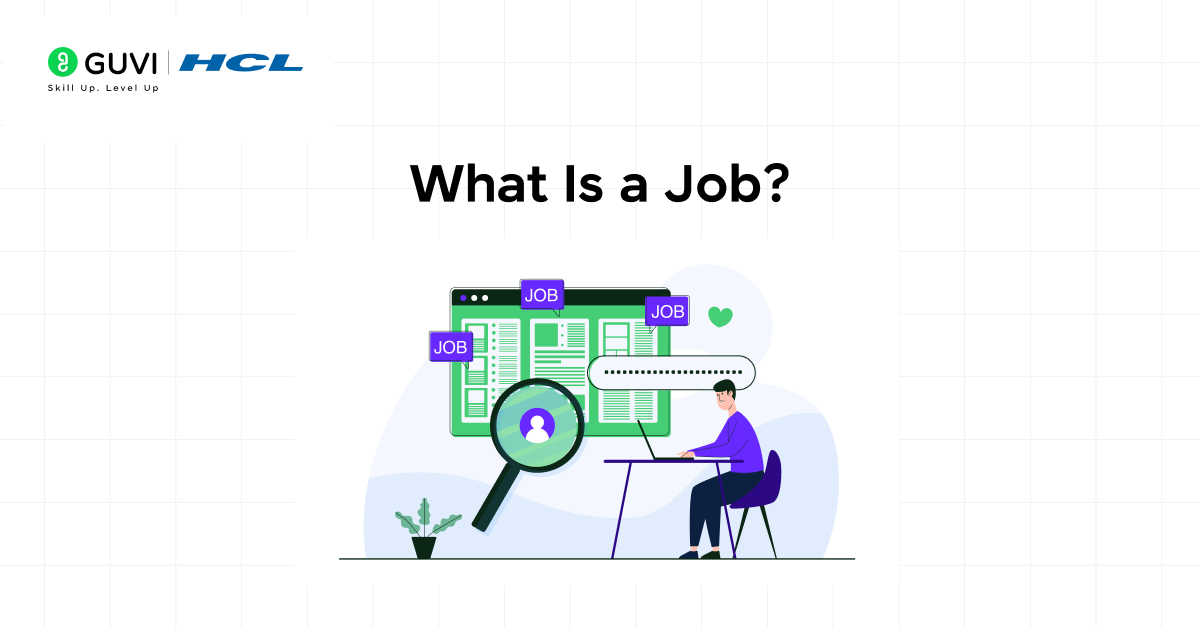
A job is simply work you do to earn money. It can be full-time or part-time, short-term or long-term, and often involves following instructions to complete specific tasks. It usually pays an hourly wage or fixed salary (often without extra perks), and not all jobs require special training or degrees.
In a job, you are typically responsible for the duties you’ve been hired to perform in exchange for regular payment. For example, delivering groceries, stocking shelves, or handling customer inquiries are all jobs that pay a wage for the work done.
- Short-term vs. long-term: A job may be short-term (seasonal or contract) or ongoing, but it generally focuses on immediate tasks.
- Paycheck-oriented: The main goal of a job is to provide income. You might earn an hourly wage or a fixed salary, usually without benefits like stock options or pensions.
- Specific duties: You perform duties set by your employer (answer phones, write code, teach a class, etc.) and get paid for completing those duties each pay period.
- Training needed: Some jobs require certain skills or degrees, but many jobs (like retail, food service, or lab work) have on-the-job training or no specific credentials.
In short, think of a job as “work now for pay.” It’s an arrangement (sometimes a simple contract) between you and an employer to do certain work in exchange for money. While every job lets you earn and build experience, on its own, it may not align with your long-term ambitions.
If you are clueless about job interviews and how to prepare for one, then this blog is for you – How to Prepare for a Job Interview and Ace it? Top 8 Steps
What Is a Career?
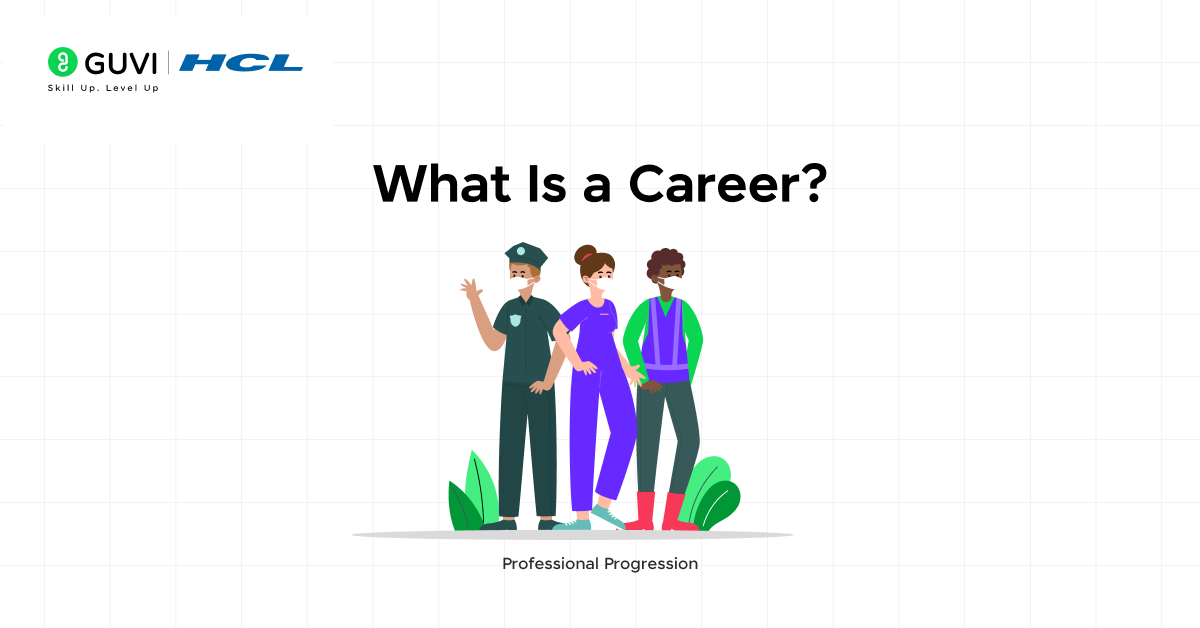
A career is the big-picture journey of your professional life – the path you choose based on your interests, goals, and skills. Instead of focusing on one task or paycheck, a career is long-term and often passion-driven. It may require dedicated training or education, and over time, it can span many jobs and roles.
Careers often come with structured salaries and benefits (stock options, retirement plans, bonuses, etc.), plus rewards beyond money – like personal pride, satisfaction, and a sense of purpose. In fact, a career could last your entire working life: you might start in one role, move up within a company, or even switch companies or fields, but the overall thread is that each step builds on the last.
- Long-term growth: Careers are about growth and development over the years. Instead of stopping at one job, you set longer goals (e.g., becoming a senior engineer, manager or entrepreneur) and plan steps to get there.
- Multiple roles: A career may involve many jobs or positions. For example, a person might hold jobs as an intern, junior developer, project lead and then manager – all as part of a single career in technology.
- Passion and education: Often, you choose a career that aligns with your passions. You might pursue degrees, certifications or special training to advance. For instance, a career in data science typically requires courses and hands-on projects to build expertise.
- Fulfillment: Careers tend to provide deeper rewards. In a career, you’re likely to feel more accomplished and engaged because your work aligns with long-term aims.
Think of a career like a tree: your entry-level jobs are the roots, and as you grow (learning and gaining experience), your professional life branches out.
Key Differences: Job vs. Career
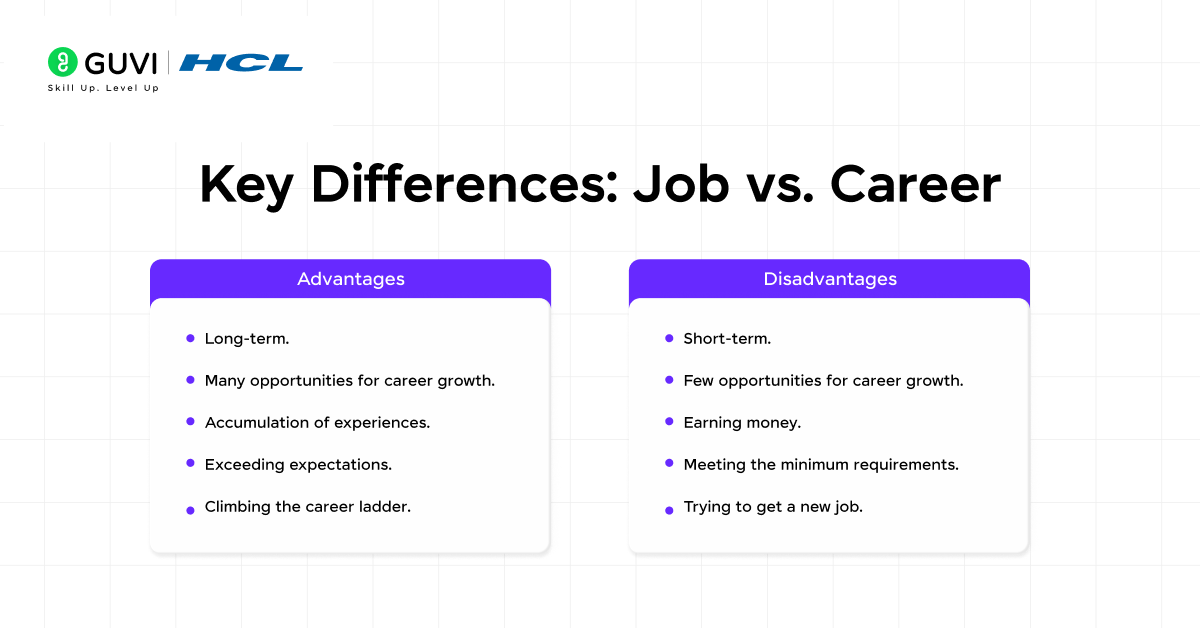
The mindset and goals behind a job and a career are very different. Here are the main differences you should understand:
| Aspect | Job | Career |
| Time Frame | A career brings a different mindset; you’re thinking about how each role fits into your bigger plan, and you’re proactive about getting better. | A career, on the other hand, is a long game. It’s something you build over time, with each step intentionally leading to something bigger. |
| Purpose | Most people take jobs to pay bills or gain some immediate experience; the focus is on short-term survival. | A career is rooted in a bigger vision. You’re aiming for growth, meaning, and work that aligns with what you care about in the long run. |
| Growth Opportunity | Jobs don’t always lead anywhere. You might stay in the same position unless you push hard or move out. | Careers are designed for growth. Whether it’s promotions, skill upgrades, or leadership roles, you’re always building toward the next level. |
| Skill Development | In most jobs, you learn just enough to do the work. It’s often limited to what’s needed today. | In a career, learning is constant. You’re picking up new tools, staying updated, and actively improving so you can take on more responsibility down the line. |
| Level of Commitment | Let’s be honest, when it’s just a job, you do what’s asked, clock out, and move on. | But when it’s part of your career, you care more. You invest time and energy because you know it’s building your future. |
| Sense of Fulfillment | A job might feel like just another task on your to-do list. It pays, but it might not excite you. | A career tends to be more fulfilling. Even on hard days, there’s a sense of progress, like you’re working toward something that actually matters to you. |
| Compensation & Benefits | Most jobs offer a flat paycheck. Benefits (if any) are basic, maybe a few perks, but not much beyond that. | Careers often come with structured raises, performance bonuses, health plans, and other long-term benefits as you grow. |
| Networking & Mentorship | When you’re working a job, you may not think about building connections. It’s more about getting things done and going home. | In a career, relationships matter. You’re looking for mentors, learning from peers, and growing your network, all of which help you move forward. |
| Mindset & Approach | With a job, it’s more of a task-based mindset: show up, do what’s needed, and repeat. | A career brings a different mindset, you’re thinking about how each role fits into your bigger plan, and you’re proactive about getting better. |
| Relevance to Goals | A job might not have anything to do with your future. You could be in retail today and dreaming of tech tomorrow, no clear link. | Careers are intentional. Every move, from projects to positions, is chosen to get you closer to your goals, even if the progress feels slow at times. |
By focusing on a career rather than just any job, you can align your work with what truly matters to you.

How to Get a Job in the Tech Field
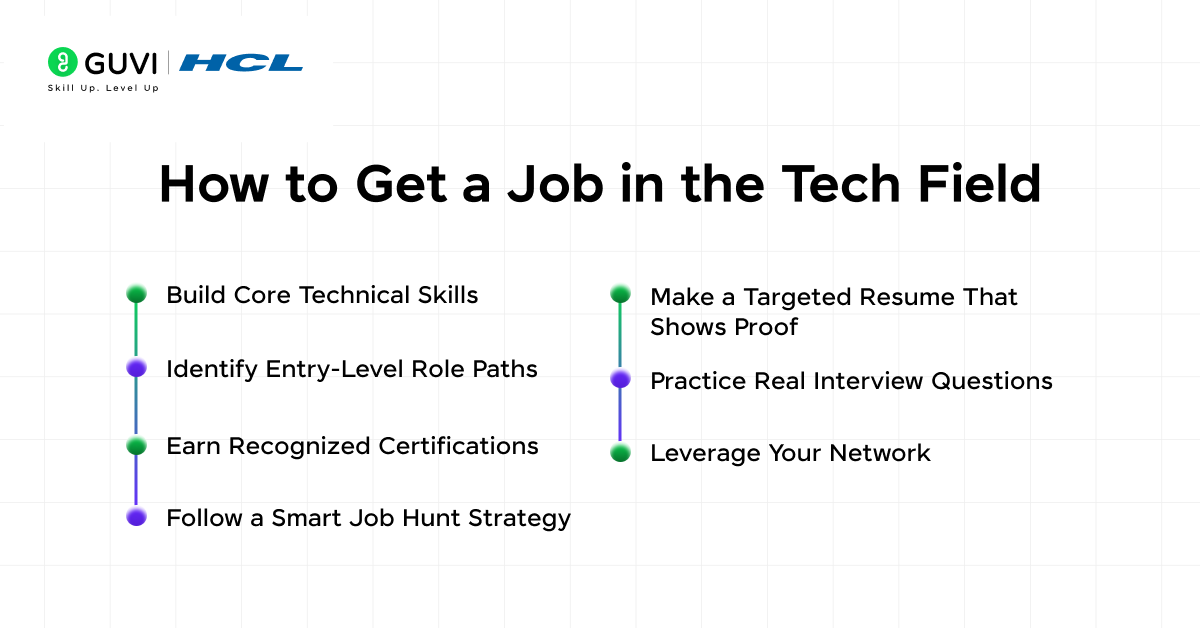
Breaking into tech, whether it’s software, data, product, or support, doesn’t require a perfect resume or CS degree. Here’s how to get started strategically:
- Build Core Technical Skills: Learn the fundamentals in your target area: coding basics for software, SQL and Excel for data, or tools like Figma for UI design. Focus on skills you can demonstrate, not just list.
- Identify Entry-Level Role Paths: Start with roles built for beginners: software intern, QA tester, data analyst trainee, or support engineer. Each one teaches you how real tech teams work, no seniority required.
- Earn Recognized Certifications: Short-term credentials like Google’s Data Analytics Certificate, AWS Cloud Practitioner, or Meta’s Front-End Dev program or HCL GUVI’s Free Basics of Python Course can make your profile pop, especially if you’re self-taught.
- Follow a Smart Job Hunt Strategy: Use LinkedIn, Naukri, and Internshala with intent. Filter by entry-level or fresher roles, set alerts, and directly apply on company career pages where listings often go live first.
- Make a Targeted Resume That Shows Proof: Highlight personal projects, coursework, or freelance work. Link to GitHub, portfolios, or case studies. Even simple projects matter if they show initiative and skill.
- Practice Real Interview Questions: Prepare for behavioral and technical questions: whiteboard a simple algorithm, walk through a data problem, or explain your thinking behind a UX decision. Clarity beats complexity.
- Leverage Your Network: Talk to peers, alumni, mentors, or college seniors. A recommendation or shared job lead can open doors, especially in startups and mid-sized companies where referrals matter most.
Building a Career in the Tech Field
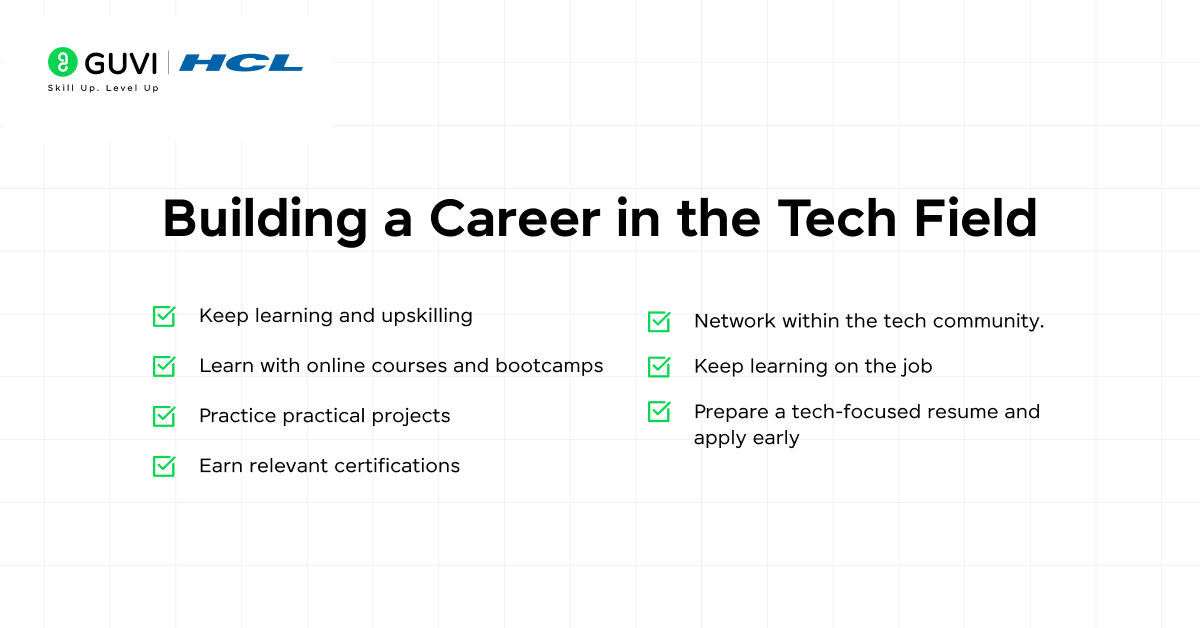
If you’re targeting tech (software, data, IT, etc.), many people say the field evolves quickly – so your approach should be flexible and proactive. Here’s how to specifically build a tech career rather than just find an entry-level job:
- Keep learning and upskilling. Identify the skills needed in your tech field, and work on them constantly. This might mean taking college courses, online classes, or attending workshops. For example, consider learning programming languages (Python, JavaScript, etc.) and applying them in small projects.
- Learn continuously with online courses and bootcamps. In tech, skills can become obsolete fast, but many new learning resources exist. Platforms like HCL GUVI’s Zen Classes, Coursera, edX, Udacity and even freeCodeCamp offer tech courses (often created with universities or companies) to keep you up-to-date.
- Practice practical projects. Employers love to see real evidence of skill. Start a GitHub portfolio: contribute to open-source projects, build simple apps, or create a personal portfolio.
- Earn relevant certifications. Tech certifications can boost your resume. Entry-level certificates like Google’s IT Support Certificate or CompTIA A+ cover fundamentals and are recognized by employers.
- Network within the tech community. The tech industry is broad (startups, big companies, nonprofits, etc.) and highly networked. Attend tech meetups, webinars, or conferences when you can. Engage on forums like Stack Overflow or Reddit’s r/learnprogramming.
- Prepare a tech-focused resume and apply early. Tailor your resume to highlight tech skills. If you’ve learned programming, list projects and languages; include GitHub links. Even if your background is different, frame transferable skills (like problem-solving or teamwork) as relevant to tech roles. Start applying as soon as you feel ready – many IT roles are entry-level and designed for people like you who are starting out.
- Keep learning on the job. Once you land a tech job, your learning shouldn’t stop. Technology changes fast, so “keep learning” is essential. For instance, if you get an IT support job, you might later study for CompTIA Network+ or Security+ certification on your own time. Continuing to learn at work not only makes you better at your current job, it also shows employers you’re committed. This can lead to raises, promotions, or chances to move into more advanced roles.
By following these steps – treating each learning opportunity as an investment and networking actively – you transition from just getting a tech job to building a technology career.
Conclusion
In conclusion, getting a job and building a career might start at the same place, but they differ completely in outlook. A job is a means to earn now; a career is a journey toward who you want to become professionally. By adopting a career mindset – focusing on learning, passion, and long-term goals – you make every experience count toward something bigger.
Remember to ask yourself, “Is this just a paycheck, or part of a bigger plan?” If it’s the latter, you’ll naturally invest more in it: seeking mentors, grabbing learning opportunities, and expanding your network.
And if you’re in college or new to the field, know that the steps you take today are the rungs of a career ladder. Whether you end up in tech, business, healthcare, or any field, the principles are the same: plan ahead, keep learning, and connect the dots from one job to the next.
FAQs
1. What exactly is the difference between a “job” and a “career”?
A job refers to a specific role or position you take, it’s about doing tasks and earning money now. A career is the long-term journey of your professional life, built through multiple jobs, continuous learning, and progress toward bigger goals.
2. Can a job turn into a career?
Yes. A job can become a career if you treat it as a stepping stone by learning relevant skills, growing in responsibility, and aligning it with your long-term ambitions.
3. Why should a college student think about a career instead of just getting a job?
4. Does a career always require a specialized degree or formal education?
5. Is it okay to have multiple jobs before settling into a career?
Absolutely. Many careers are built through various jobs over time. Each role can add value to your experience, help you refine interests, and contribute to long-term growth.
Success Stories

About the Author
Lukesh S
A professional content writer who has experience in freelancing and now working as a Technical Content Writer at HCL GUVI having sound knowledge in Blog Writing and Creative Writing!
View all posts by Lukesh S
Connect with me @













Did you enjoy this article?