


Career Articles
Capgemini Exceller Technical Assessment 2026: AI + Technical - Best Guide
Cognizant GenC Elevate Exam Pattern & Syllabus for Freshers 2026 - Best Guide
Capgemini Exceller Placement Papers and Solutions 2026 - Best Guide
How to Pass the Accenture Recruitment Process 2026/27: The Complete Guide


Get In Touch For Details! Request More Information

How to Get a Tech Job Abroad From India: Visa, Platforms & Timelines
Aug 07, 2026 4 Min Read 532 Views
(Last Updated)
Table of contents
- TL;DR Summary
- Introduction
- Direct Answer
- Why Do Companies Hire Tech Talent From India?
- Which Countries Offer the Best Opportunities?
- What Skills Increase Your Chances?
- How Should You Prepare Your Resume?
- Which Platforms Should You Use?
- How Does the International Hiring Process Work?
- Answer Block
- Step 1: Application
- Step 2: Recruiter Screening
- Step 3: Technical Assessment
- Step 4: Technical Interviews
- Step 5: Behavioral Interviews
- Step 6: Offer and Background Verification
- Understanding Visa Sponsorship
- Typical Hiring Timeline
- Common Reasons Candidates Get Rejected
- Remote Jobs vs Relocation
- Real-World Example
- Conclusion
- FAQs
- Can I get a tech job abroad directly from India?
- Which country is easiest for Indian software engineers?
- How much experience do I need?
- Do I need IELTS or another English language test?
- How long does it take to get an overseas tech job?
- Can I apply without a work visa?
TL;DR Summary
- Build skills that match international hiring demand.
- Tailor your resume and LinkedIn profile for global recruiters.
- Apply through company career pages and reputable international job platforms.
- Learn the visa process for your target country before applying.
- Expect the hiring process to take several weeks to several months.
- Focus on companies with experience sponsoring international candidates.
Introduction
Every year, thousands of Indian software developers, data scientists, cloud engineers, and cybersecurity professionals pursue tech careers abroad. While many succeed, others struggle not because they lack technical skills, but because they don’t understand the hiring process, visa requirements, or how international recruiters evaluate candidates.
Landing a tech job overseas requires more than submitting resumes. You need the right skills, a strong portfolio, targeted applications, and a clear understanding of work visas and hiring timelines. In this article, you’ll learn how to prepare for international tech jobs, where to apply, how different visa processes work, realistic hiring timelines, and practical strategies that improve your chances of success.
Direct Answer
Getting a tech job abroad from India involves building in-demand technical skills, creating an internationally competitive resume and LinkedIn profile, applying through global job platforms and company career pages, preparing for technical interviews, and securing employer-sponsored work authorization where required. While the exact process varies by country, planning your applications, understanding visa pathways, and demonstrating relevant experience significantly improve your chances of receiving an overseas job offer.
Why Do Companies Hire Tech Talent From India?

Indian technology professionals are recognized globally for their expertise in software engineering, cloud computing, data science, artificial intelligence, cybersecurity, and DevOps.
Many international companies recruit from India because of:
- Strong technical education
- Large developer ecosystem
- Experience with global clients
- English communication skills
- Growing expertise in emerging technologies
As organizations continue expanding their engineering teams, experienced professionals with specialized skills remain in demand across many international markets.
Which Countries Offer the Best Opportunities?
Several countries actively recruit skilled technology professionals, although hiring demand, immigration policies, and visa pathways differ.
| Country | Popular Tech Roles | Typical Hiring Model |
| United States | Software Engineer, AI Engineer, Cloud Architect | Employer-sponsored work visa |
| Canada | Full Stack Developer, Data Engineer, DevOps Engineer | Employer sponsorship and skilled immigration pathways |
| Germany | Backend Developer, Embedded Engineer, Cloud Engineer | Employer sponsorship and EU Blue Card pathways |
| United Kingdom | Software Developer, Cybersecurity Analyst, Data Scientist | Skilled Worker sponsorship |
| Netherlands | Backend Engineer, Platform Engineer, DevOps Engineer | Highly skilled migrant sponsorship |
| Australia | Software Engineer, Cloud Engineer, Data Analyst | Employer sponsorship and skilled migration programs |
| Ireland | Software Engineer, Site Reliability Engineer | Employer-sponsored employment permits |
| Singapore | Software Engineer, AI Specialist, FinTech Developer | Employment Pass sponsorship |
Research the labor market for your preferred destination before beginning your job search.
What Skills Increase Your Chances?
International recruiters typically prioritize practical experience over long lists of technologies.
Highly sought-after skills include:
- Python
- Java
- JavaScript and TypeScript
- React
- Node.js
- .NET
- Go
- Kubernetes
- Docker
- AWS
- Microsoft Azure
- Google Cloud
- Terraform
- Machine Learning
- Cybersecurity
- Data Engineering
Alongside technical expertise, employers value communication, collaboration, problem-solving, and system design skills.
Data Point
Hiring trends across global technology markets consistently show continued demand for cloud engineering, AI, cybersecurity, platform engineering, and data-related roles.
How Should You Prepare Your Resume?
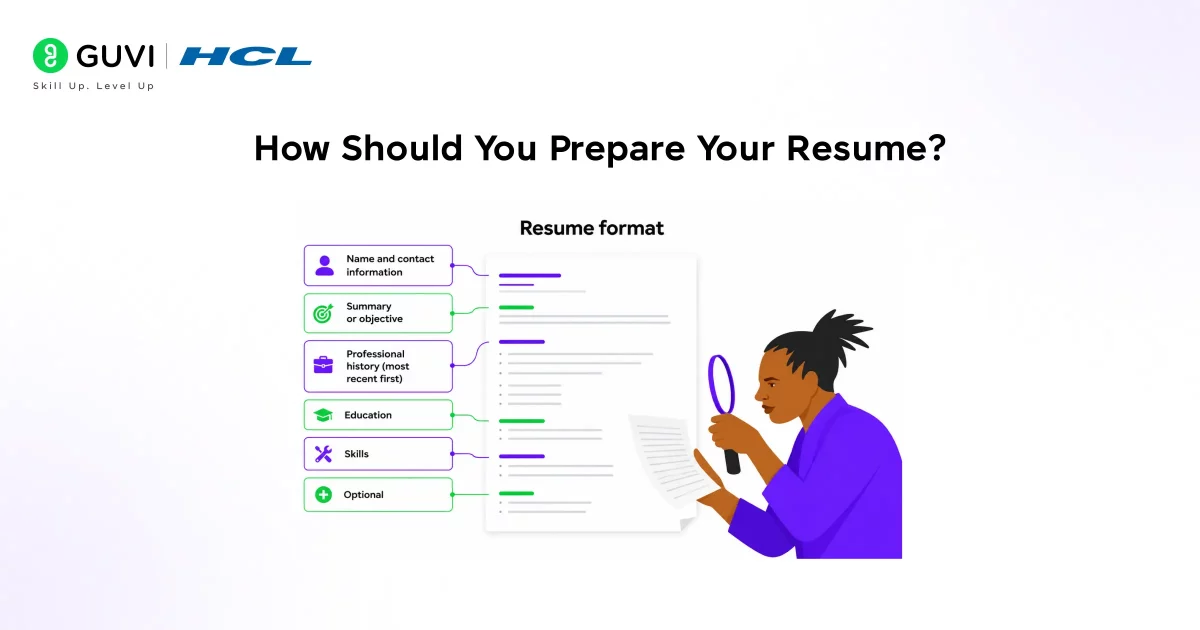
International resumes emphasize measurable achievements rather than responsibilities.
Instead of writing:
“Worked on backend APIs.”
Write:
“Developed REST APIs supporting over 500,000 monthly users while reducing average response time by 35%.”
Include:
- Technical skills
- Quantifiable achievements
- GitHub projects
- Certifications
- Open-source contributions
- Portfolio links
- LinkedIn profile
Pro Tip
Limit your resume to one or two pages and tailor it to each role rather than sending the same version everywhere.
Which Platforms Should You Use?
A combination of company career pages, professional networking, and specialized job boards generally produces better results than relying on a single platform.
| Platform | Best For |
| LinkedIn Jobs | International hiring and recruiter outreach |
| Indeed | General technology jobs |
| Wellfound (formerly AngelList) | Startups |
| Glassdoor | Jobs and company research |
| Stack Overflow Jobs (where available) | Developer opportunities |
| Remote OK | Remote engineering roles |
| We Work Remotely | Global remote jobs |
| Company Career Pages | Direct applications |
Also consider:
- Employee referrals
- Technology conferences
- Open-source communities
- Professional networking groups
How Does the International Hiring Process Work?
Answer Block
Although hiring processes vary, many companies follow a similar sequence.
Step 1: Application
Submit a tailored resume, cover letter (if requested), and portfolio.
Step 2: Recruiter Screening
A recruiter evaluates your background, communication skills, salary expectations, and relocation preferences.
Step 3: Technical Assessment
This may include:
- Coding challenges
- Online programming tests
- Take-home assignments
- Pair programming
Step 4: Technical Interviews
Interviewers assess:
- Data structures and algorithms
- System design
- Problem-solving
- Programming knowledge
- Past projects
Step 5: Behavioral Interviews
Expect questions about teamwork, leadership, conflict resolution, and decision-making.
Step 6: Offer and Background Verification
Successful candidates receive an offer before employment verification and visa processing begin.

Understanding Visa Sponsorship
Many countries require employers to sponsor international employees for work authorization. Requirements vary based on local immigration laws, occupation, and employer eligibility.
Common employer-sponsored work authorization pathways include:
- Employer-sponsored work visas
- Skilled worker programs
- Highly skilled migration schemes
- Talent visas (where available)
Always review the official immigration guidance for your target country before making relocation plans.
Warning
Immigration policies, eligibility criteria, and processing times change periodically. Rely on official government immigration websites for the most current requirements rather than social media or unofficial sources.
Typical Hiring Timeline
International hiring usually takes longer than domestic recruitment because it often includes additional interviews, documentation, and immigration processing.
| Stage | Typical Time |
| Resume Screening | 1–3 weeks |
| Technical Interviews | 2–6 weeks |
| Offer Decision | 1–2 weeks |
| Visa Processing* | Varies by country and visa type |
| Relocation Planning | Several weeks |
*Processing times depend on the destination country’s immigration system and individual circumstances.
Common Reasons Candidates Get Rejected
Many technically capable candidates are unsuccessful because of avoidable mistakes.
Common issues include:
- Generic resumes
- Weak LinkedIn profiles
- Limited interview preparation
- No measurable project experience
- Poor communication during interviews
- Applying for unsuitable roles
- Lack of research about the employer
Improving these areas often has a greater impact than applying to more positions.
Ready to land your dream tech job abroad? Explore the roadmap on HCL GUVI and start your journey today. Learn AI/ML.
Remote Jobs vs Relocation
| Factor | Remote Job | Overseas Relocation |
| Visa Required | Usually No | Usually Yes |
| Location | India | Destination country |
| Time Zone | Varies | Local |
| Salary Structure | Depends on employer | Local market |
| Relocation Support | Rare | Often included for sponsored roles |
Remote work can also serve as a pathway to future international opportunities by providing experience with global teams.
Real-World Example
Imagine a software engineer with three years of backend development experience.
Instead of applying indiscriminately to hundreds of positions, they focus on companies known to hire internationally. They update their resume with measurable project outcomes, contribute regularly to open-source projects, strengthen their LinkedIn profile, and practice coding interviews.
Over several months, they receive interview invitations, complete technical assessments, and eventually secure an employer-sponsored position. Their success comes from preparation, persistence, and targeted applications—not simply the number of resumes submitted.
Conclusion
Getting a tech job abroad from India is a structured process that combines technical expertise, thoughtful preparation, and persistence. By developing in-demand skills, building a strong professional profile, targeting employers with international hiring experience, and understanding country-specific work authorization requirements, you can significantly improve your chances of securing an overseas opportunity.
Rather than focusing solely on sending more applications, invest in becoming a stronger candidate. A well-prepared resume, a solid portfolio, consistent interview practice, and informed career planning can make a meaningful difference in a competitive global job market.
This article provides general educational information about international technology careers. Immigration policies, visa eligibility, sponsorship rules, and processing times vary by country and change over time. Always consult the official immigration authority and the prospective employer for the latest requirements before making career or relocation decisions.
FAQs
Can I get a tech job abroad directly from India?
Yes. Many international companies hire skilled technology professionals from India through employer-sponsored recruitment processes, although requirements differ by country and employer.
Which country is easiest for Indian software engineers?
There is no universally “easiest” country. Opportunities depend on your skills, experience, occupation, employer demand, and each country’s immigration policies.
How much experience do I need?
Requirements vary. Entry-level, mid-level, and senior roles are available internationally, but experienced candidates often have access to a broader range of opportunities.
Do I need IELTS or another English language test?
Some immigration pathways or employers may require proof of English proficiency, while others may not. Requirements depend on the destination country and visa category.
How long does it take to get an overseas tech job?
The hiring process can range from several weeks to several months depending on interviews, employer decisions, and immigration processing.
Can I apply without a work visa?
Yes. Many employers recruit international candidates first and begin work authorization or sponsorship after extending an offer, where applicable.
Success Stories

About the Author
HCL GUVI
This article was selected and published as part of the HCL GUVI AI Blogathon 2026, an initiative designed to encourage students, AI enthusiasts, and aspiring tech writers to simplify complex AI concepts through impactful technical content. The contest recognized high-quality, original, and insightful AI-focused blogs, with selected authors receiving publication opportunities on the HCL GUVI blog platform along with official author credits and recognition.
View all posts by HCL GUVI
Connect with me @















Did you enjoy this article?