


Software Development Articles
Decoding Differences between Network OS and Distributed OS
Operating System Examples: Top OS Types, Features, and Uses Explained


Get In Touch For Details! Request More Information
Systems Analyst Skills to Master in 2026
Feb 11, 2026 5 Min Read 1104 Views
(Last Updated)
If we could visualize a clear picture of an efficient interpreter, then it would be that of a Systems Analyst. In such an era, where most of the organizations are heavily dependent on performing business operations through software systems, it becomes crucial for them to rely on professionals who can act as a bridge between their business requirements and technical solutions. And this is where the need for a Systems Analyst arises.
This blog is intended to discuss and elaborate on the essential skills vital to becoming a Systems Analyst in 2026.
Table of contents
- What is A Systems Analyst?
- Key Responsibilities Involved in a Systems Analyst Role
- Must-Have Systems Analyst Skills
- Top Technical Skills
- System Design and Architecture
- SQL and Database Management
- Proficiency in Cloud Platforms
- Cybersecurity
- In-depth knowledge of the SDLC process
- Top Non-Technical Skills
- Conclusion
- FAQs
- What are the most important skills required for a Systems analyst in 2026?
- Do I need to learn programming languages to become a Systems analyst?
- What is the minimum timeframe involved in becoming a Systems Analyst?
- Which types of tools are utilized by Systems Analysts?
What is A Systems Analyst?
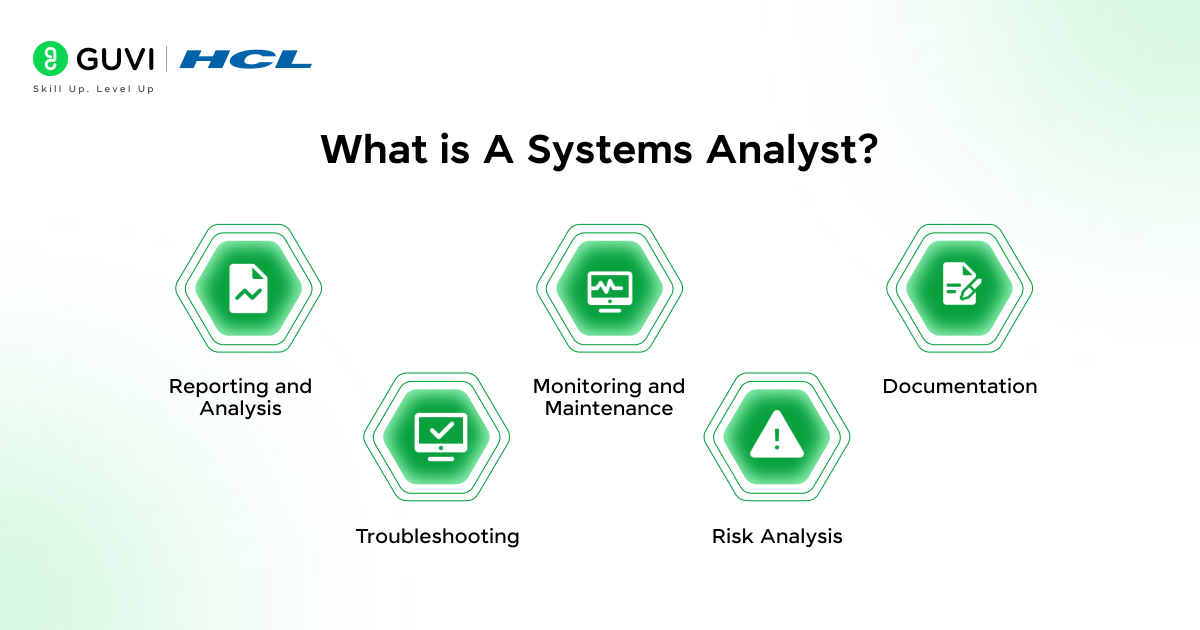
A systems analyst is an IT professional responsible for executing plans and strategies to optimize an organization’s IT infrastructure and systems, thereby meeting its business objectives. These tech experts analyze internal information systems to identify potential bottlenecks that could lead to technical vulnerabilities and inefficiencies.
Systems analysts also connect clients with software developers to simplify the overall software development life cycle (SDLC) process. Throughout this process, they effectively gather the client’s input and communicate seamlessly with developers, enabling them to build the desired software systems that meet those requirements.
Key Responsibilities Involved in a Systems Analyst Role
As a systems analyst, you will keep a close eye on the current IT infrastructure of an organization. To serve this purpose, there are specific responsibilities that you need to fulfill.
- Reporting and Analysis: Recognize the potential areas of improvement in the existing IT systems and create reports that suggest solutions such as system reconfiguration, upgradation, or adoption of a separate technology stack.
- Troubleshooting: Majority of the time, you need to deal with enterprise-grade software applications and systems, due to which the engagement with complex problems increases. And to troubleshoot these advanced and complicated technical issues, you must be capable of fixing the bugs and errors, database failures, high server loads and delays, etc.
- Monitoring and Maintenance: To ensure the technical compatibility and user satisfaction in the long run, you are obliged to monitor the organization’s current IT structure and functionality frequently. These tasks involve collaborating with software developers and testers to implement software methodologies that align with the emerging technological landscape.
- Risk Analysis: Prioritize the risks based on the level of criticality and sophistication. Through implementation of efficient measures such as security updates, backups, regular system monitoring, encryption, and workflow changes, mitigate those risks.
- Documentation: Educate end-users about the new systems, along with providing descriptive and insightful user manuals.
Must-Have Systems Analyst Skills
To achieve excellence in this profile, one must have a blend of both technical and non-technical skills. Here are the following skills that will set you apart from the rest.
Top Technical Skills
1. System Design and Architecture
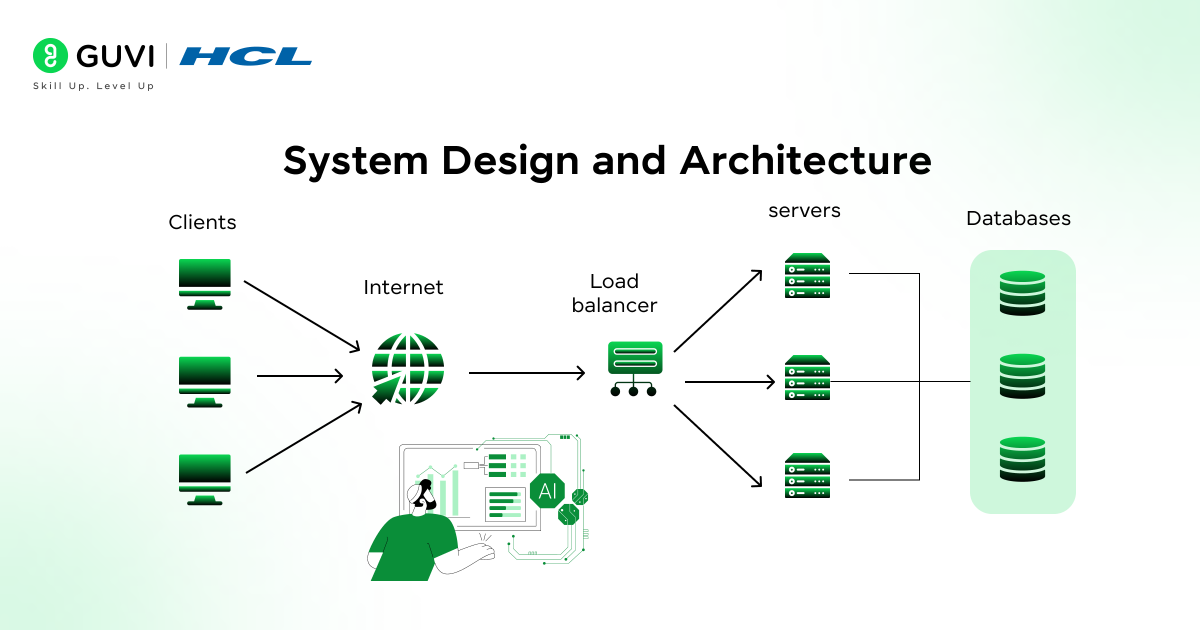
A solid foundation in system design and architecture is essential for comprehending the current internal workflows and organizing them to match the functional and operational objectives of an organization. Systems analysts must be familiar with creating and decoding UML ( Unified Modeling Language ) and ER ( Entity-Relationship ) diagrams to understand data flow and how various components communicate with each other.
For developing a fully functional e-commerce platform, a systems analyst is deployed to design the entire workflow of the application to ensure a smooth user experience (UX). He/she is responsible for creating a detailed flowchart that showcases an e-commerce system workflow, such as product search and catalog, add to cart, checkout, order management system, payment processing, and customer support management.

2. SQL and Database Management
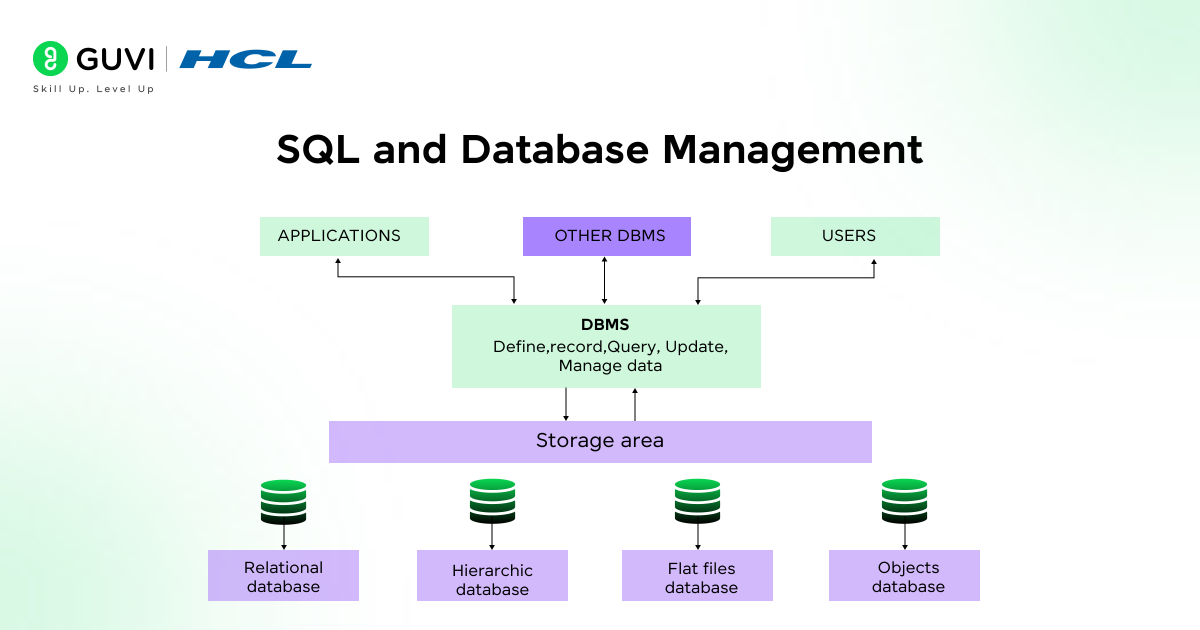
To work with business-specific data, you need to know how to use SQL (Structured Query Language) and manage databases. In short, SQL is a language that enables you to communicate with databases. To get accurate information that is important for execution plans, large datasets are manipulated. Managing a database effectively makes the entire system function more efficiently.
For example, a systems analyst uses SQL queries to get regular order reports, like delayed orders, most-ordered dishes, and duplicate customer accounts. This is how they manage all of the orders for a food delivery app. After obtaining the desired information, the database is updated to ensure that data can be easily found and managed.
If you’re interested in learning SQL with MySQL, you can enroll in HCL GUVI’s comprehensive SQL course: Mastering MySQL
3. Proficiency in Cloud Platforms
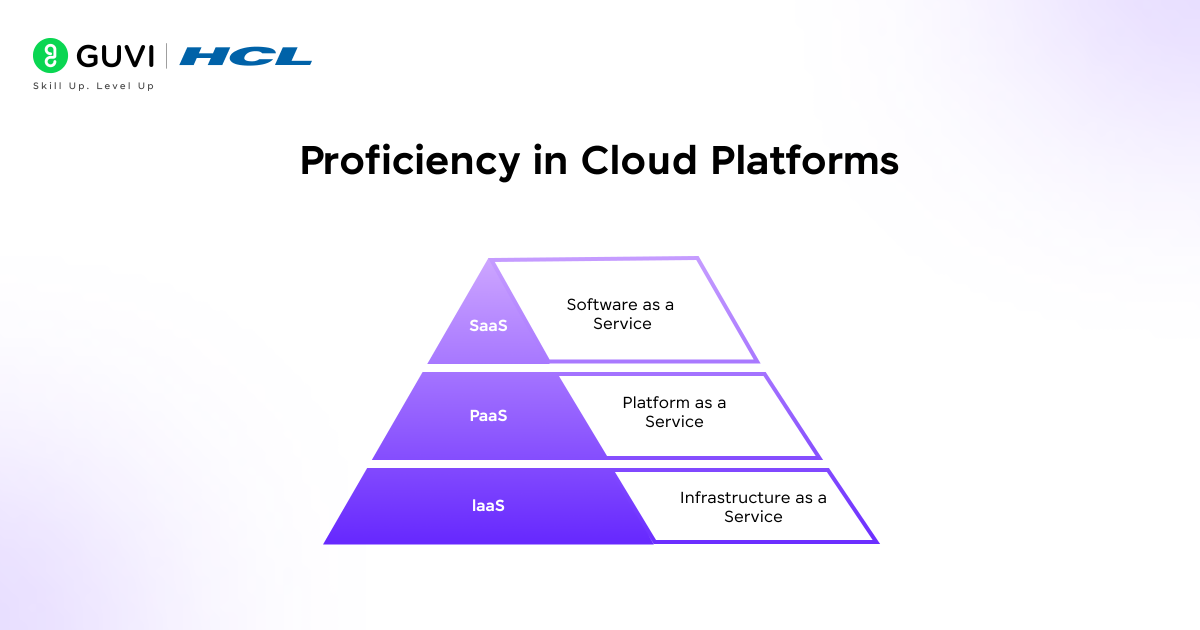
With the advancement in technology, many businesses and organizations are relying on hosting their services on a cloud platform. Systems analysts are needed to design efficient IT systems that utilize cloud services for performing crucial tasks such as computing, data management, and storage. Knowledge of cloud platforms like Azure, AWS (Amazon Web Services), and GCP ( Google Cloud Platform ) is a must to construct high-performing and scalable software platforms and applications.
Systems analysts must be able to host the apps and websites on cloud servers to ensure accessibility for users from anywhere. In addition to that, they are also involved in integrating the existing systems with cloud services for scalability purposes, and at the same time making sure that the system doesn’t provide delayed response during times of heavy online traffic concentration.
Take the next step in your cloud journey by enrolling in HCL GUVI’s expert-led certification courses on AWS, GCP, and Azure.
4. Cybersecurity
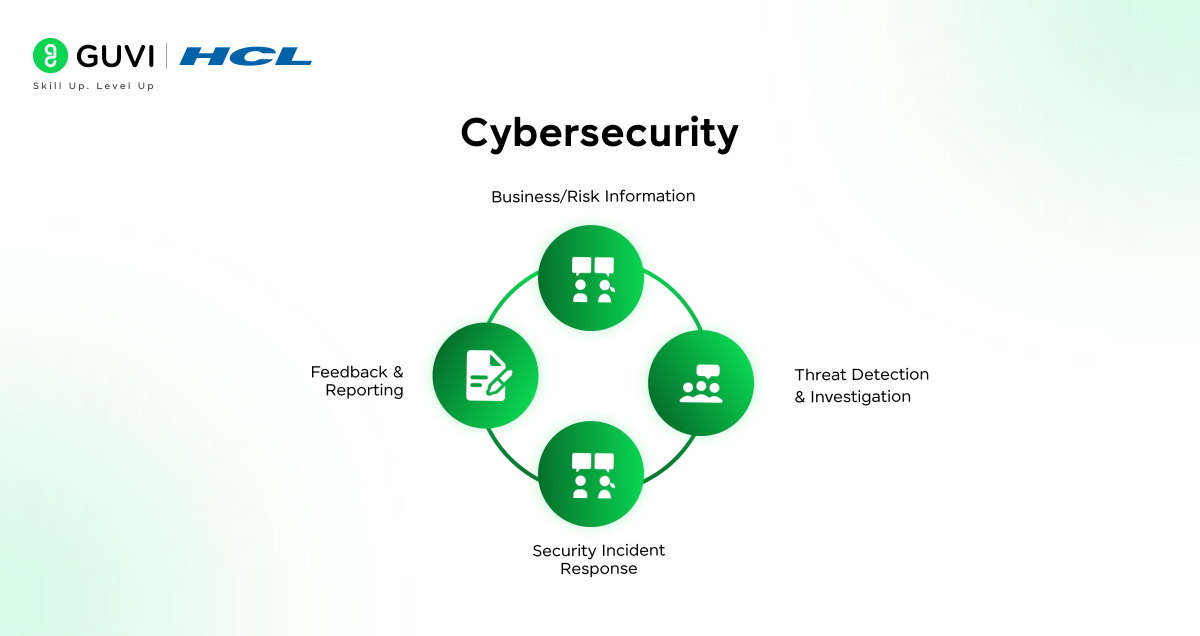
Cyberattacks nowadays are becoming more common than ever. Companies that rely heavily on their IT infrastructure to support internal business operations are becoming increasingly vulnerable to data theft and security breaches. That’s why systems analysts become vital for any organization, as they are proficient in safeguarding and recovering computer systems by implementing the best security measures, such as multi-factor authentication ( MFA ), security patches and updates, firewalls, encryption, access control, etc.
Applications or sites that deliver virtual tools and products often involve online transactions through payment gateways. In this case, there are chances of encountering phishing attacks ( data theft through fake sites ), which can lead to privacy breaches and monetary losses. So to protect this sensitive data and prevent unauthorized access to your system, Systems analysts fix the possible loopholes, such as poor API integration, outdated software, and fragile application security.
To get engaged and immerse deeply, read and explore HCL GUVI’s blog on Cybersecurity to gain a clear idea: Cyber Security Blogs
5. In-depth knowledge of the SDLC process
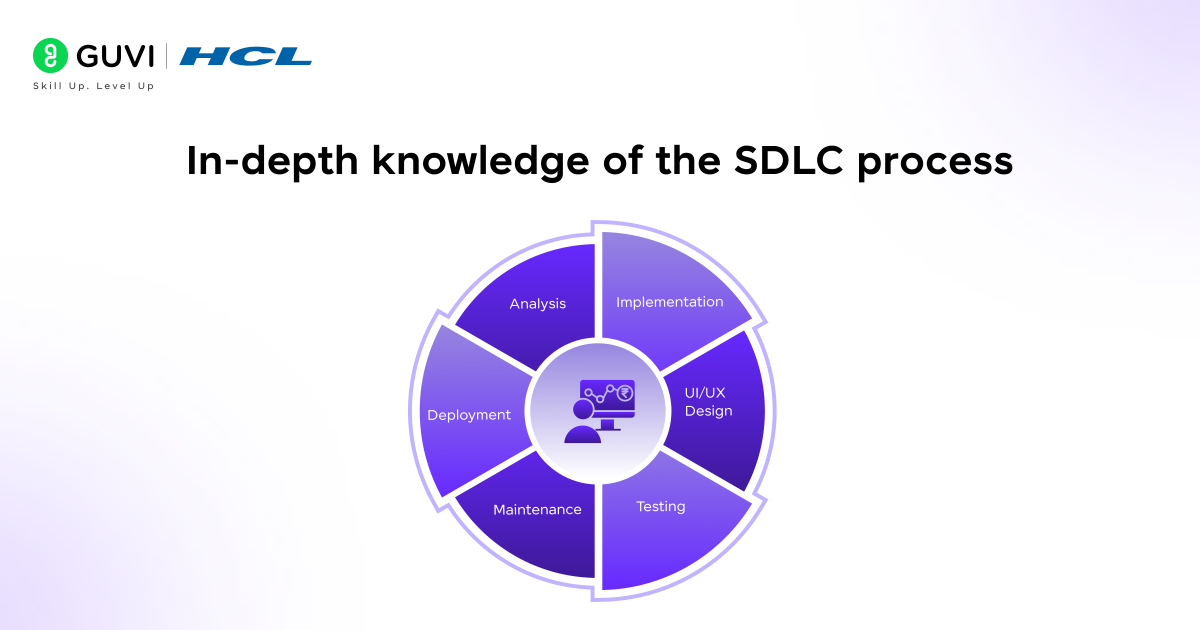
A systems analyst requires a clear understanding of the entire software development life cycle (SDLC) process. To achieve the desired result, a system analyst must be actively involved in requirement gathering, project ideation and planning, development and testing, and finally, the system deployment.
Here, the professional often follows an agile methodology by creating a clear roadmap to ensure a logical and practical development flow. Throughout the development process, the systems analyst acts as a link between the client and the technical team ( developers, designers, and testers ), communicating the business requirements and feedback at every stage. We can understand this with a brief real-world illustration: While building a top-notch fintech application, a systems analyst supervises the SDLC procedure that involves everything from planning and designing complex features such as real-time transaction tracking and instant payment transactions to efficiently maintaining them after final launch.
Top Non-Technical Skills
- Project Management Skills: A key part of this role is to handle the entire project, which includes planning and organizing the tasks along with allocating the right resources so that the efficiency and productivity of the team are maintained without any hindrances and delays.
- Analytical Skills: Anyone aspiring to become a systems analyst must possess an excellent problem-solving ability, because this role demands a considerable amount of time in identifying and understanding issues in the IT systems.
- Communication Skills: Strong verbal skill helps systems analysts to enhance the quality of collaboration with developers, testers, business managers, and end users. Robust communication can assist you in transforming your ideas into business solutions.
According to the sources, the demand for the Systems Analyst role is expected to grow by 11% YoY (year on year) from 2023 to 2033. And the reason behind this expected growth is strictly due to the increasing sophistication in the internal IT infrastructure of the companies.
Conforming to this market scenario, big tech giants and MNCs (multinational corporations) have started hiring for this particular role, looking for talented individuals.
Are you enthusiastic about making a career as a Systems Analyst? Then wait no further, take your first leap by enrolling in HCL GUVI’s Business Intelligence Analyst Course. Get mentored by industry experts and acquire advanced skills, including performing advanced static analysis, creating and managing MySQL databases, visualizing & integrating data, and more.
Boost your professional career by getting certified through this insightful and self-paced learning course.
Conclusion
After building a firm understanding of the systems analyst role and the essential skills needed for this role, we can conclude that candidates must have strong technical expertise in conjunction with interpersonal competence and critical thinking.
In 2026, an individual who doesn’t want to follow the crowd by entering into core software roles, but intends to pursue analytical roles that are more creative, a Systems analyst is the perfect choice he/she can opt for. If you gained any valuable insights after exploring this blog, feel free to delve into more topics like these in our blog section.
FAQs
What are the most important skills required for a Systems analyst in 2026?
The key skills include system design and architecture, SQL & database management, business process analysis, communication skills, technical documentation, proficiency in cloud platforms, advanced security measures, and project handling capabilities.
Do I need to learn programming languages to become a Systems analyst?
It is not mandatory to learn coding for this particular job role, but having basic knowledge of programming languages, along with comprehending them, can be a cherry on top. As it becomes easier to document and present the business requirements to software developers and testers in a way that they can easily follow.
What is the minimum timeframe involved in becoming a Systems Analyst?
If we exclude the graduation years, it roughly takes around 3-4 years to gain experience in this particular field. But this assumption can vary depending on your level of competency and the quality of projects you are assigned to.
Which types of tools are utilized by Systems Analysts?
Most commonly utilized tools include documentation tools, modelling & diagramming tools, project management platforms, testing and simulation software, and many more.
Success Stories














Did you enjoy this article?