


UI/UX Designing Articles
What is a Design System? The Ultimate Guide to Building Consistent UIs
What is UX Writing? A Complete Guide to Mastering Microcopy and Content Design
What is a UX Audit? A Complete & Best Guide to User Experience Evaluation
How HCL GUVI Zen Class Helps You Build a Job-Ready UI/UX Portfolio


Get In Touch For Details! Request More Information

Key Role of UI/UX in E-Commerce Success in 2026
Jun 03, 2026 5 Min Read 11990 Views
(Last Updated)
The growth of e-commerce has changed how people shop, compare products, and connect with brands. Behind every successful platform, the role of ui/ux plays a major part in shaping user experiences, influencing buying decisions, and creating shopping journeys that keep customers coming back.
Many businesses invest heavily in products, technology, and marketing, but often overlook how the role of ui/ux directly impacts engagement, conversions, and customer retention.
Creating a smooth, user-friendly experience is no longer optional, as strong UI/UX design can make the difference between an average platform and a successful e-commerce brand.
Table of contents
- TL;DR Summary
- Role of UI/UX Design in E-commerce Success
- Attracts New Customers
- Boosts Sales
- Improves Accessibility and Product Visibility
- Builds a Strong Brand Presence
- Retains Existing Customers
- Provides an Edge Over the Competition
- Saves Developmental Costs
- Contributes to Organic Growth and SEO Optimization
- Builds Credibility
- Key Elements of UI/UX Design for E-commerce Success
- Conclusion
- FAQs
- How does UI/UX impact e-commerce success?
- Why is UI/UX important beyond just design?
- Can UI/UX affect customer trust in online shopping?
- How does UI/UX support business growth in e-commerce?
- What makes a UI/UX design effective for e-commerce platforms?
- How does UI/UX influence customer return rate?
- Can better UI/UX reduce cart abandonment in online stores?
TL;DR Summary
- The role of UI/UX Design in E-commerce Success is to improve user experience, boost conversions, and build trust through smooth navigation.
- The role of UI/UX design in e-commerce success is key to growth.
- Strong UI/UX design in e-commerce boosts sales, retention, and brand recognition by making shopping easy and engaging, underscoring its role in e-commerce success through performance improvements.
- Key Elements of UI/UX Design for E-commerce Success include intuitive navigation, responsive design, clear product display, and smooth checkout flow.
- Good UI/UX improves product visibility, accessibility, and SEO performance, helping increase organic traffic and engagement.
- Overall, combining strong design elements with the role of UI/UX in e-commerce success leads to greater satisfaction, credibility, and growth.
Amazon was founded in 1994 and initially focused on selling books online. Its early success came from prioritizing a simple interface and easy product discovery, which later became a standard approach in e-commerce UI/UX design.
Role of UI/UX Design in E-commerce Success
A well-designed e-commerce platform is not just about visuals—it is about creating experiences that make browsing, purchasing, and interacting with a brand easier and more enjoyable.
From increasing conversions to improving customer trust, UI/UX influences multiple aspects of e-commerce success.
Below are some key ways UI/UX design contributes to building stronger, more successful e-commerce platforms:

1. Attracts New Customers
A strong first impression can determine whether a visitor stays on your website or leaves within seconds. One of the biggest advantages of UI/UX in e-commerce is its ability to attract new customers through visually appealing layouts, easy navigation, and smooth interactions.
Since online shoppers often make quick decisions, a platform that feels simple and engaging is more likely to convert visitors into potential buyers.
Example:
Amazon is known for its organized product categories, quick search functionality, and smooth shopping experience. These elements make it easier for first-time visitors to explore products comfortably, helping the platform attract and retain new customers.
Also Explore: Top 10 UI Design Patterns: Creating Intuitive and Engaging User Experiences
If you want to explore Figma through a self-paced course, try HCL GUVI’s Figma certification course to learn design fundamentals and practical UI/UX concepts at your own pace.
2. Boosts Sales
Increasing sales is one of the biggest goals for any e-commerce business, and this is where UI/UX plays a noticeable role.
A platform with simple navigation, faster checkout processes, and user-focused experiences encourages visitors to spend more time exploring products and completing purchases.
When customers can find what they need without confusion, they are more likely to return and shop again.
Example:
Myntra creates a smooth shopping experience through easy product discovery, personalized recommendations, and a streamlined checkout process. These design choices reduce friction during shopping, making it easier for users to browse products and complete purchases more frequently.
Also Read: 8 Important Things a UI/UX Designer Should Know
3. Improves Accessibility and Product Visibility
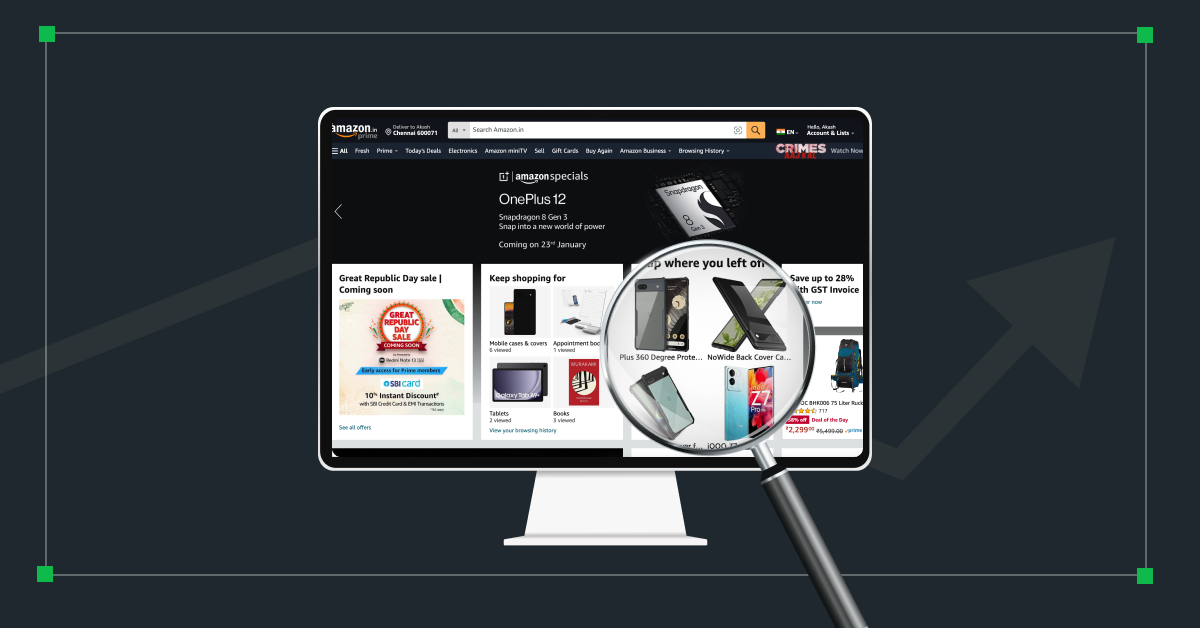
Easy product discovery plays a major role in creating a better shopping experience. The role of UI/UX is to help users navigate platforms through clear product layouts, simple navigation, and accessible product information.
Features such as product images, filters, ratings, pricing details, and descriptions make it easier for customers to compare products and find what they need without frustration, thereby improving both engagement and product visibility.
Example:
Flipkart uses categorized product listings, search filters, and organized navigation systems to make product discovery easier. This structured approach allows users to browse products quickly and find relevant items without spending too much time searching.
Also Read: UI UX vs Product Design: 8 Insightful Comparisons
4. Builds a Strong Brand Presence
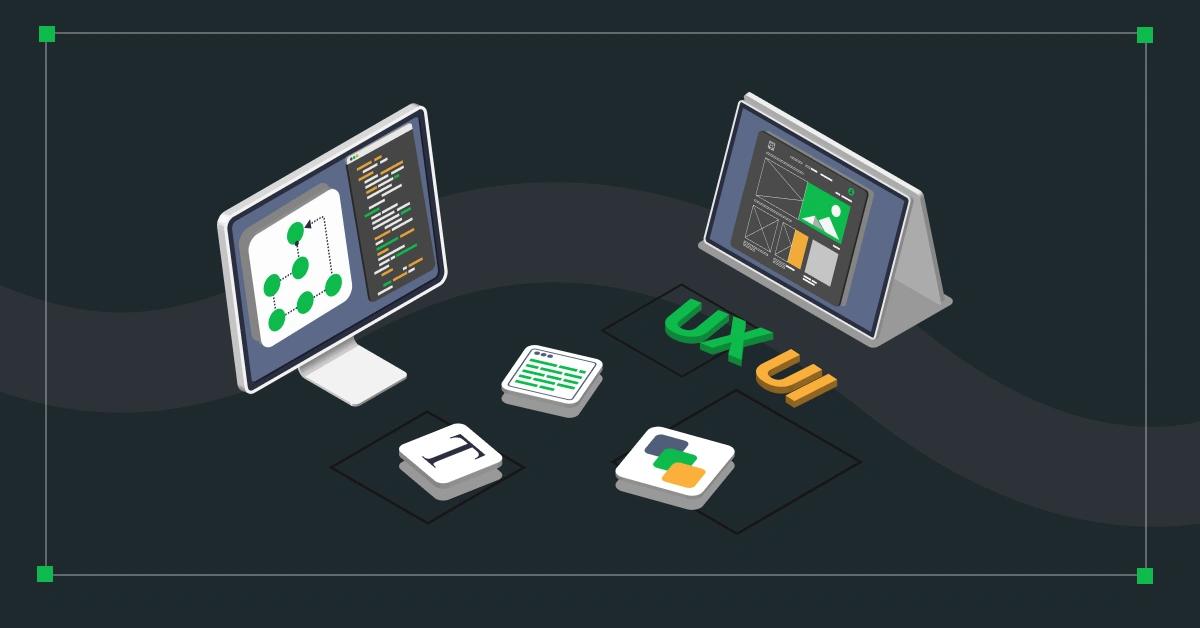
Strong branding is not built through logos alone—customers often remember how a platform looks and feels while using it. The role of UI/UX helps businesses create a recognizable identity through consistent visual elements, smooth interactions, and memorable user experiences. When colors, typography, layouts, and navigation work together effectively, customers can easily identify a brand even in a crowded market.
Example:
Nykaa has created a recognizable shopping experience through its distinct visual style, consistent branding elements, and organized interface. These design choices help customers associate the platform with a specific experience, strengthening overall brand recognition.
Also Read: UI/UX Designer Job Description and Roles & Responsibilities
5. Retains Existing Customers
Keeping existing customers engaged is often more valuable than constantly acquiring new ones. UI/UX plays an important role in this by creating smooth user experiences, easy navigation, and convenient shopping journeys that encourage repeat purchases.
When customers feel comfortable using a platform and can quickly find what they need, they are more likely to continue choosing it over competitors.
Example:
Blinkit keeps users coming back through its simple interface, fast navigation, and quick ordering process. By reducing friction during shopping and making the overall experience convenient, the platform creates habits that encourage repeat usage.
Also Read: User Flow in UX Design: 11 Important Steps to Look After
6. Provides an Edge Over the Competition
Standing out in e-commerce is not always about offering lower prices or more products—sometimes the experience itself becomes the advantage.
The role of UI/UX is to help businesses create better user experiences, smoother browsing, and more engaging interfaces that make customers prefer one platform over another.

Platforms that feel faster, simpler, and easier to use naturally create a stronger position in competitive markets.
Example:
Imagine two online clothing stores selling similar products at similar prices. Customers are more likely to choose the platform with faster navigation, cleaner layouts, and a simpler checkout process because these features reduce effort and create a more enjoyable shopping experience.
7. Saves Developmental Costs
Good design is not just about improving user experience—it also helps reduce unnecessary expenses.
The role of UI/UX allows businesses to minimise redesign efforts, reduce development errors, and create efficient workflows, leading to lower development costs and smoother product updates over time.
Example:
Airbnb focused heavily on user-centred design as it scaled its platform, helping the company improve usability without constantly rebuilding core experiences. This approach reduced unnecessary redesign efforts and supported faster product improvements.
Also Explore: 10 Real-World UI/UX Applications: The Magic of UI/UX
8. Contributes to Organic Growth and SEO Optimization
Search engines favour websites that keep users engaged, and this is where design becomes valuable beyond appearance.
The role of UI/UX influences how users interact with a platform through faster browsing, easier navigation, and well-structured pages.
When users spend more time exploring a website and interact with multiple pages, it can positively impact SEO performance and support long-term organic traffic growth.
Example:
Zomato makes discovering restaurants, menus, and reviews simple through structured layouts and smooth navigation. This encourages users to explore more content, helping the platform generate stronger engagement and maintain high visibility for relevant search queries.

9. Builds Credibility
People are less likely to purchase from a platform that feels confusing or poorly designed. The role of UI/UX helps create trust by offering easy navigation, organized layouts, and a smooth experience that makes customers feel comfortable while browsing and purchasing.
A platform that appears reliable often feels reliable to users, encouraging them to explore more products and make purchases with confidence.
Example:
BigBasket creates trust through its clean interface, simple product organization, and consistent design elements, making the platform feel familiar and easy to use even for first-time shoppers. Its clear product displays and seamless browsing experience further strengthen customer confidence while shopping.
Explore more: 8 Important Steps In The UX Design Process You Should Know
Key Elements of UI/UX Design for E-commerce Success
Strong e-commerce platforms are built on well-planned design components that enhance usability and the customer experience. The role of UI/UX design in e-commerce success depends on how effectively these elements are implemented to make shopping simple, fast, and engaging.
A well-structured interface ensures users can navigate easily and complete their journey without confusion.
- Intuitive navigation: Helps users find products quickly without frustration.
- Responsive design: Ensures smooth experience across all devices.
- Clear product presentation: Improves visibility and decision-making.
- Streamlined checkout process: Reduces drop-offs and improves conversions.
- Personalized experiences: Increase engagement and customer satisfaction.
- Strong call-to-action buttons: Guide users toward purchases effectively.
These elements together form the foundation of a successful e-commerce platform. The role of UI/UX design in e-commerce success is stronger when these UI/UX design principles work together to create a seamless, user-friendly shopping experience.
Looking to build a career in UI/UX? HCL GUVI’s UI/UX Course with Placement Assistance can help you learn industry-relevant skills and explore tools like Adobe XD, Illustrator, Photoshop, Figma, and more. You’ll also work on real-time projects to gain practical experience and strengthen your portfolio.
Conclusion
As e-commerce continues to grow, the role of UI/UX will continue shaping how businesses attract, engage, and retain customers. Whether you want to build successful online stores or create a career in design, understanding user behavior, creating seamless experiences, and mastering UI/UX design can help you stay ahead in the fast-growing digital marketplace.
Explore More: Top 12 Career Opportunities for UI/UX Design
FAQs
1. How does UI/UX impact e-commerce success?
UI/UX improves the experience, increases conversions, and builds trust through a smooth shopping experience. The role of UI/UX design in e-commerce success helps drive better engagement.
2. Why is UI/UX important beyond just design?
It shapes user behavior, improves flow, and reduces confusion during shopping journeys.
3. Can UI/UX affect customer trust in online shopping?
Clean design, fast loading, and easy navigation make platforms feel more reliable.
4. How does UI/UX support business growth in e-commerce?
Better design increases engagement, sales, and retention. The role of UI/UX design in e-commerce success supports long-term growth.
5. What makes a UI/UX design effective for e-commerce platforms?
Simple navigation, clear product display, fast checkout, and mobile-friendly design improve usability and access.
6. How does UI/UX influence customer return rate?
A smooth experience encourages users to return and shop again.
7. Can better UI/UX reduce cart abandonment in online stores?
Simple checkout steps and clear flow reduce friction during payment. The role of UI/UX design in e-commerce success improves completion rates.
Success Stories
















Did you enjoy this article?