


Software Development Articles
My Google SDE Interview Experience: From Rejection to Selection [2026 Success Story]
Apple Interview Experience for Software Developers: What to Expect
Decoding Differences between Network OS and Distributed OS
Operating System Examples: Top OS Types, Features, and Uses Explained


Get In Touch For Details! Request More Information
10 Must-Read Operating System Books for Beginners
Dec 12, 2025 5 Min Read 7385 Views
(Last Updated)
Every time you open an app, save a file, or switch between browser tabs, your operating system is quietly doing hundreds of things in the background to make it all possible. It manages memory, coordinates processes, and keeps your hardware and software in sync, all without you ever noticing.
Learning how operating systems work is one of the most valuable steps for anyone serious about understanding computers at their core. Whether you’re a student exploring the fundamentals of computer science, a developer looking to strengthen your technical foundation, or just a curious learner who loves to know how things really work, a well-chosen book can make all the difference.
In this article, you’ll find 10 must-read operating system books for beginners, from friendly introductions that simplify the basics to hands-on guides that walk you through real-world kernel implementations. So, without further ado, let us get started!
Table of contents
- 10 Must-Read Operating System Books
- Operating Systems: Three Easy Pieces
- Operating System Concepts (The “Dinosaur Book”)
- Modern Operating Systems
- The Linux Programming Interface
- Introduction to Operating Systems: Behind the Desktop
- Operating Systems: Design and Implementation
- Understanding the Linux Kernel
- The Design and Implementation of the FreeBSD Operating System
- The Unix Programming Environment
- Working with Operating Systems: A Practical Approach
- Choosing the Right Book for You
- Conclusion
- FAQs
- Which book should I start with if I'm new to operating systems?
- How many operating system books do I need to read to feel confident?
- Do I need to know C or system-programming to read these books?
- Will reading an OS book help me write better applications or just system software?
- How do I apply what I learn from these books practically?
10 Must-Read Operating System Books
Finding the right book can make learning operating systems a lot less intimidating and far more rewarding. The operating system books below cover everything from beginner-friendly explanations to hands-on coding insights, giving you a complete view of how computers manage resources, run programs, and keep everything working smoothly.
1. Operating Systems: Three Easy Pieces
Author: Remzi H. Arpaci-Dusseau, Andrea C. Arpaci-Dusseau
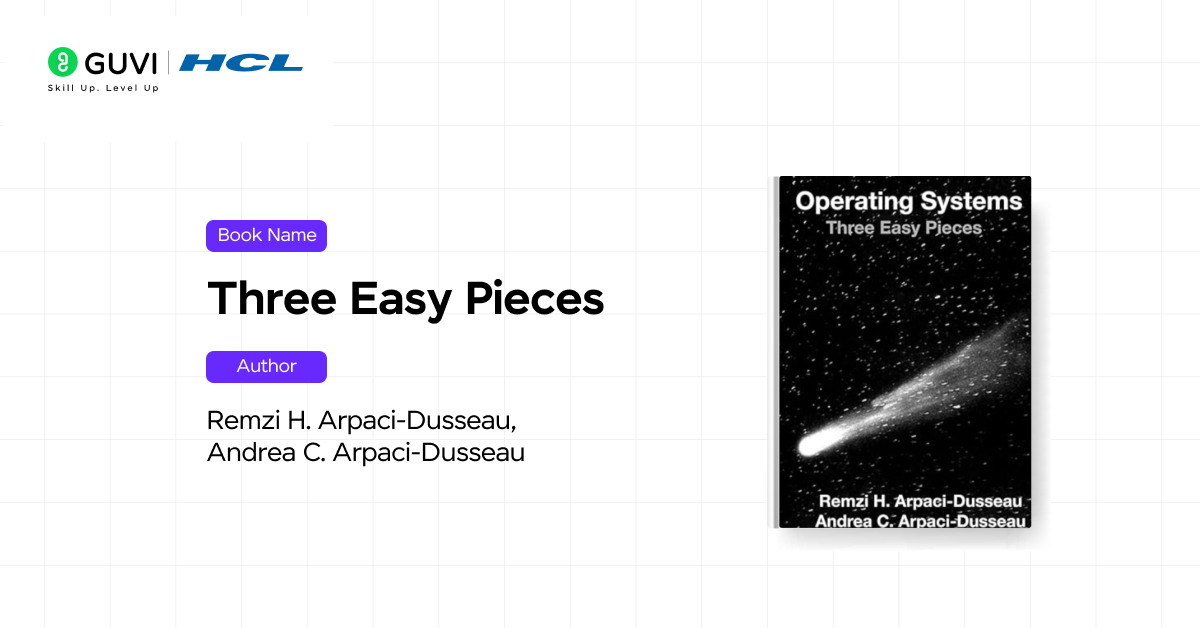
This book offers one of the most intuitive introductions to how operating systems work. Remzi and Andrea Arpaci-Dusseau break the OS into three pillars: virtualization, concurrency, and persistence, and explain them through engaging examples and problem sets.
It’s designed for learners who prefer clear reasoning over academic jargon. The text feels conversational but still challenges you to think deeply about how programs, processes, threads, and files truly function behind the scenes.
Key Highlights:
- Explains core OS ideas using simple, real-world analogies
- Covers process scheduling, memory management, and I/O systems
- Provides hands-on coding projects and exercises for self-learners
- Free online version available, widely used in universities
Ideal For: Students and self-learners who want a practical, modern introduction to OS concepts.
Get here: Operating Systems: Three Easy Pieces
2. Operating System Concepts (The “Dinosaur Book”)
Authors: Abraham Silberschatz, Peter Baer Galvin, Greg Gagne
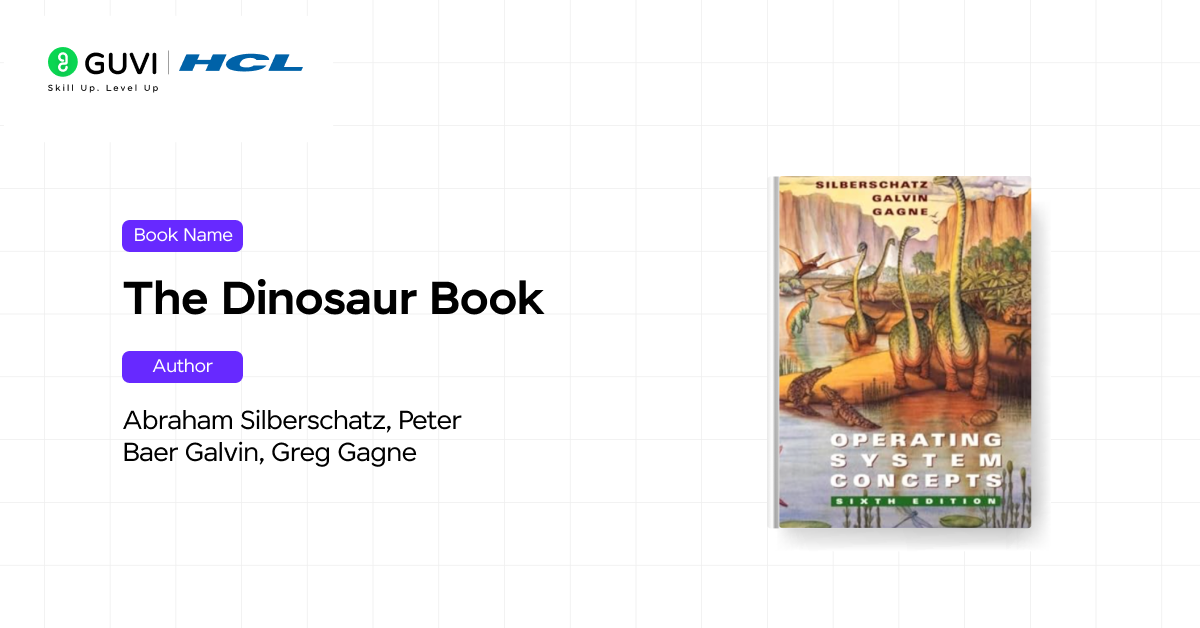
A true classic, this book is considered the foundational text for understanding the functions of operating systems. It offers comprehensive coverage, from CPU scheduling and process synchronization to memory allocation and file systems. Each edition keeps pace with emerging technologies, making it a timeless reference for both students and professionals.
Key Highlights:
- Covers all fundamental OS features and principles in depth
- Includes examples from Windows, Linux, and macOS
- Contains detailed diagrams and exercises for reinforcement
- Used globally in top university curricula
Ideal For: Learners who want a complete and academically structured guide to operating systems.
Get here: Operating System Concepts
3. Modern Operating Systems
Authors: Andrew S. Tanenbaum, Herbert Bos
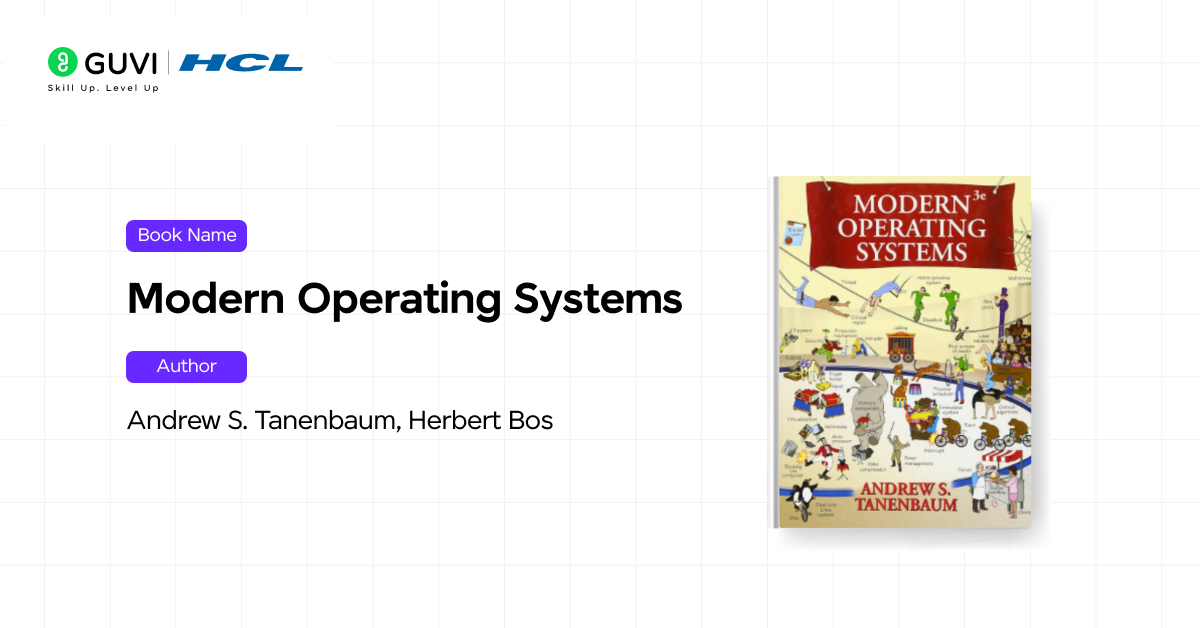
Written by one of the most respected computer science educators, this book blends OS theory with real-world relevance. Tanenbaum and Bos explain how concepts like process management, file systems, and virtualization apply to actual systems like Linux, Windows, and Android. It’s an excellent next step after you’ve mastered the basics.
Key Highlights:
- Explains OS architecture with clarity and depth
- Includes case studies of modern OS implementations
- Updated content reflecting cloud and virtualization technologies
- Clear writing and helpful real-world comparisons
Ideal For: Readers who want to bridge classroom knowledge with real-world operating system applications.
Get here: Modern Operating Systems

4. The Linux Programming Interface
Author: Michael Kerrisk
This is the ultimate hands-on guide for anyone serious about system-level programming. Kerrisk focuses on Linux and UNIX, showing how software interacts directly with the OS. It’s a book that takes you from understanding the theory to actually coding against the operating system’s APIs and system calls.
Key Highlights:
- Deep dive into file I/O, processes, and multithreading
- Explains POSIX standards and Linux system calls
- Over 200 examples to reinforce concepts
- Practical, engineering-oriented approach
Ideal For: Programmers and developers looking to understand OS interactions through code.
Get here: The Linux Programming Interface
5. Introduction to Operating Systems: Behind the Desktop
Author: John English
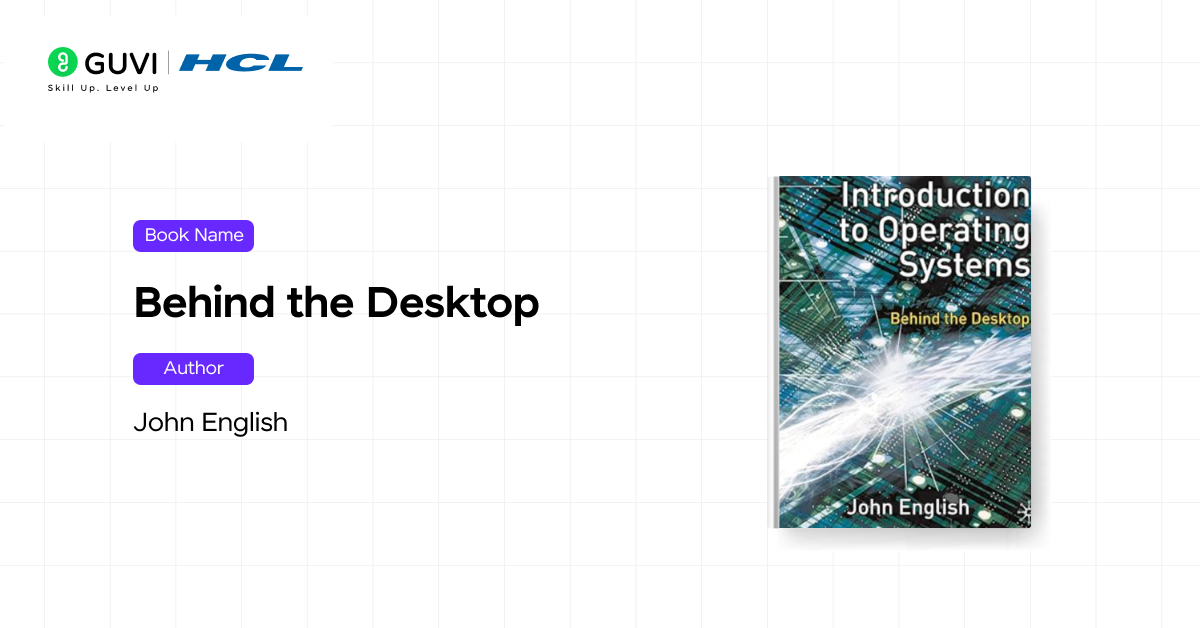
This book offers a gentle, beginner-friendly entry into the world of operating systems. John English explains the everyday computing processes we take for granted, how programs load, how memory is managed, and how files are stored. It’s less about theory and more about giving readers a conceptual understanding of what’s happening under the hood of their computer.
Key Highlights:
- Explains OS concepts through everyday examples
- Focuses on clarity and practical understanding
- Ideal transition into more advanced OS textbooks
Ideal For: Absolute beginners or students who want to build confidence before tackling dense OS texts.
Get here: Introduction to Operating Systems by John English
6. Operating Systems: Design and Implementation
Authors: Andrew S. Tanenbaum, Albert S. Woodhull
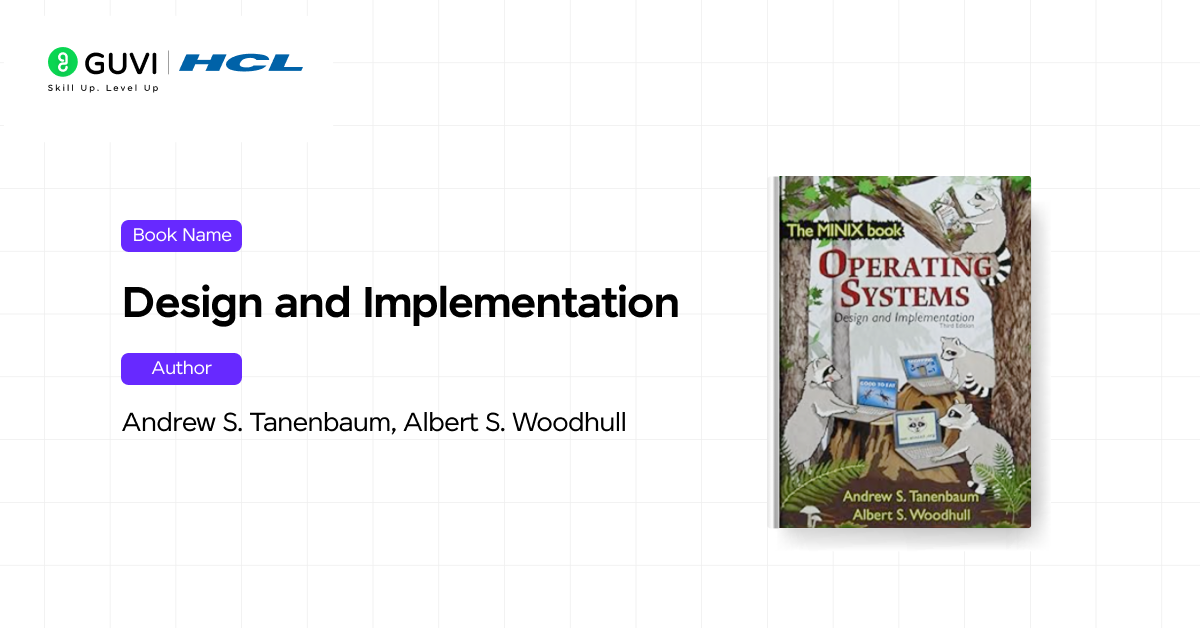
This book goes beyond theory by showing how an operating system is actually built. Using MINIX as a teaching example, it walks you through real kernel code and practical implementation details. Readers gain a strong sense of how processes, memory, and file systems work together in a live environment.
Key Highlights:
- Explores OS internals through real code examples
- Discusses kernel architecture, booting, and I/O subsystems
- Perfect bridge between theory and engineering practice
- Written by the creator of MINIX, the inspiration for Linux
Ideal For: Students interested in kernel development and those who learn best by seeing code in action.
Get here: Operating Systems: Design and Implementation
7. Understanding the Linux Kernel
Authors: Daniel P. Bovet, Marco Cesati
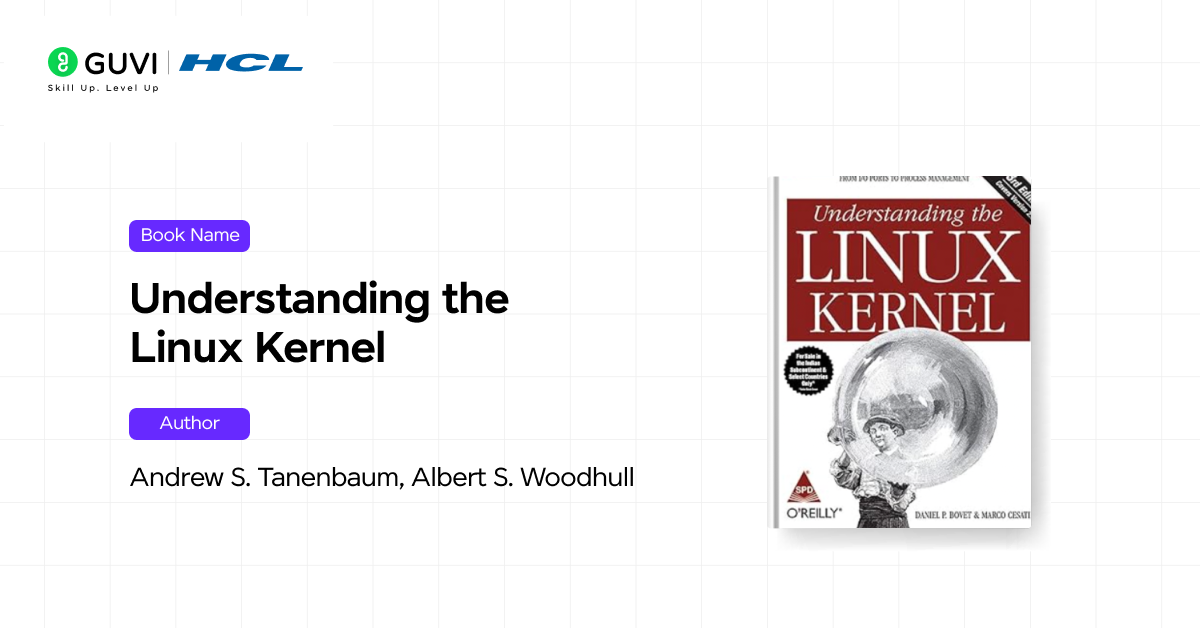
For learners who already understand OS basics, this book opens the door to the internals of the Linux kernel. It explains how Linux handles processes, memory, and file systems in detail. The authors translate complex C code into understandable explanations, making it one of the best resources for learning kernel internals.
Key Highlights:
- Comprehensive look at Linux kernel subsystems
- Explains scheduling, interrupts, and virtual memory
- Connects OS concepts to real Linux code
- Great balance between theory and practice
Ideal For: Intermediate learners and developers who want to understand how Linux operates at the kernel level.
Get here: Understanding the Linux Kernel
8. The Design and Implementation of the FreeBSD Operating System
Authors: Marshall Kirk McKusick, George V. Neville-Neil, Robert N.M. Watson
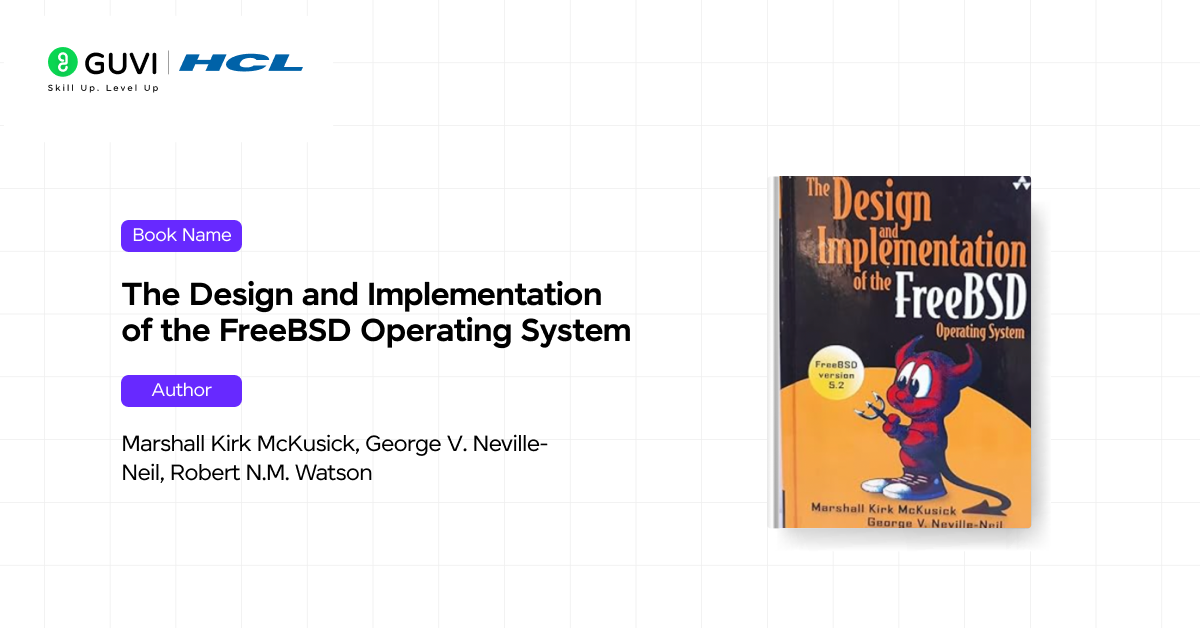
This book gives a deep, technical look into FreeBSD, one of the most respected open-source operating systems. It’s less about general theory and more about seeing how a real-world system balances performance, security, and design.
Key Highlights:
- Explains the architecture of the FreeBSD kernel
- Details on file systems, networking, and process management
- Offers a perspective on large-scale OS engineering decisions
- Includes insights from developers directly involved in FreeBSD’s creation
Ideal For: Readers who want to understand practical, production-level OS design.
Get here: The Design and Implementation of the FreeBSD Operating System
9. The Unix Programming Environment
Authors: Brian W. Kernighan, Rob Pike
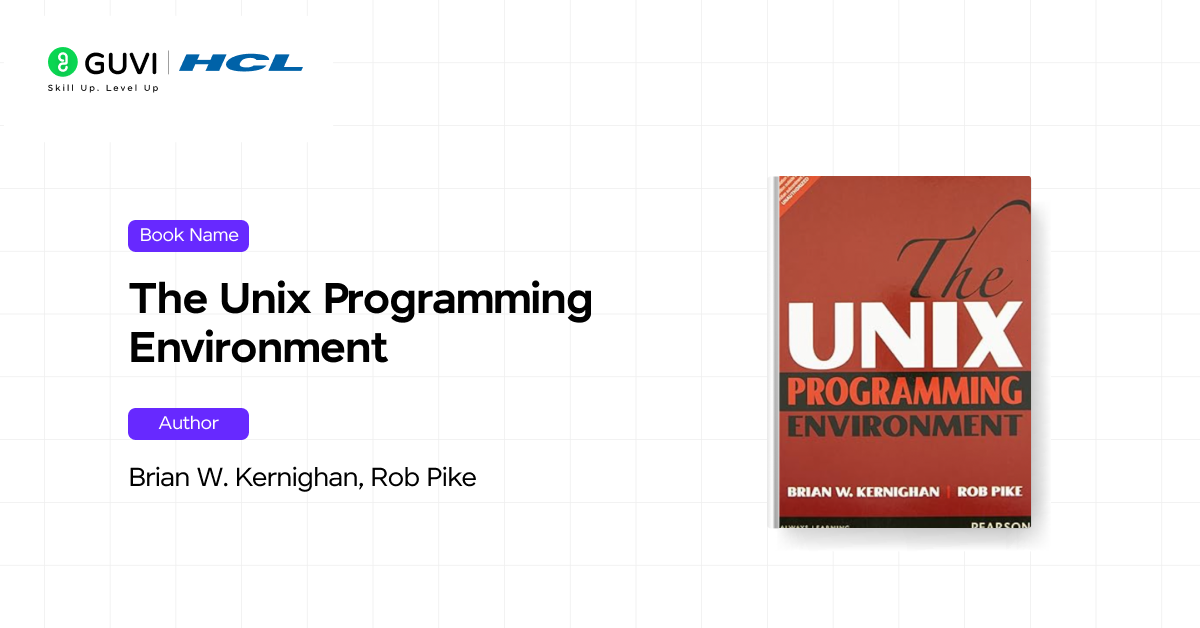
This timeless classic explains the Unix philosophy: building small, powerful tools that work together. It focuses on how developers can think like Unix programmers, writing modular, reusable code that interacts seamlessly with the operating system.
Key Highlights:
- Explains Unix design philosophy with clarity
- Teaches shell scripting and file system organization
- Provides historical and conceptual understanding
- Influenced generations of software engineers
Ideal For: Programmers who want to understand the roots of Unix and the principles that shape modern OS design.
Get here: The Unix Programming Environment
10. Working with Operating Systems: A Practical Approach
Author: Rajiv Chopra
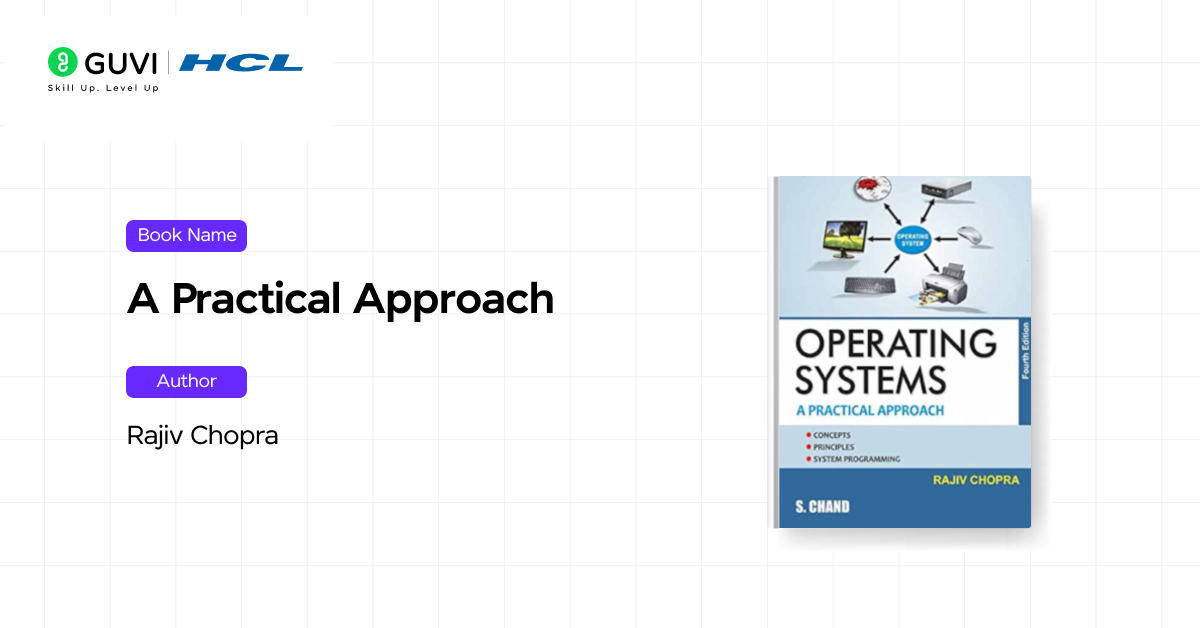
This book (and its equivalents in various curricula) focuses on applying OS concepts through hands-on exercises. It helps learners see theory in action by performing experiments such as process scheduling, thread creation, and memory management on actual systems.
Key Highlights:
- Step-by-step practical experiments with OS tools
- Focus on visualization and observation of OS behavior
- Bridges classroom learning with real-world experimentation
- Great for building intuition about how OS components interact
Ideal For: Students who learn best by doing, rather than just reading.
Get here: Working with Operating Systems: A Practical Approach
Choosing the Right Book for You
With so many great operating system books out there, it’s easy to feel overwhelmed about where to start. The truth is, there’s no one-size-fits-all answer; it really depends on where you are in your learning journey and what kind of learner you are.
- If you’re completely new to the topic, start simple. Operating Systems: Three Easy Pieces is a fantastic entry point; it explains big ideas like memory management and processes without drowning you in code.
- If you’ve already covered the basics and want a structured deep dive, Operating System Concepts (yes, the famous “Dinosaur Book”) or Modern Operating Systems by Tanenbaum will challenge you in the best way..
- For those who prefer hands-on learning, go for something practical. The Linux Programming Interface or Operating Systems: Design and Implementation are perfect if you like experimenting and seeing how things actually work in code.
- And if you’re curious about what happens behind the scenes of real systems like Linux or FreeBSD, Understanding the Linux Kernel and The Design and Implementation of the FreeBSD Operating System will give you that inside look.
In short, pick one book that matches your comfort level and stick with it. Don’t rush. The goal isn’t to read them all; it’s to understand how your computer really works, one layer at a time.
If you’re serious about mastering software development along with AI and want to apply it in real-world scenarios, don’t miss the chance to enroll in HCL GUVI’s IITM Pravartak and MongoDB Certified Online AI Software Development Course. Endorsed with NSDC certification, this course adds a globally recognized credential to your resume, a powerful edge that sets you apart in the competitive job market.
Conclusion
In conclusion, operating systems might seem complex at first glance, but once you start connecting the dots, processes, memory, storage, and hardware, it all begins to make sense.
The books listed here are more than just technical manuals; they’re guides that help you see how all the moving parts of a computer come together to create the seamless experience we often take for granted.
By the end of this journey, you won’t just understand how an OS works, you’ll think like one. And that perspective changes how you write code, solve problems, and design systems for good.
FAQs
1. Which book should I start with if I’m new to operating systems?
Start with a beginner-friendly text like Operating Systems: Three Easy Pieces. It breaks down the core concepts in simple language and builds a good foundation.
2. How many operating system books do I need to read to feel confident?
You don’t need to read them all. Pick one core textbook (for theory) and one hands-on or code/application-oriented book, then deepen from there. Quality beats quantity.
3. Do I need to know C or system-programming to read these books?
Not for the introductory books. But if you move into books covering kernel internals or system calls (for example, a Linux kernel book), then familiarity with C and some low-level programming helps a lot.
4. Will reading an OS book help me write better applications or just system software?
Yes, understanding how an OS works improves how you write applications too. You’ll grasp why scheduling, memory allocation, I/O delays happen and thus design more efficient software.
5. How do I apply what I learn from these books practically?
Try small experiments: install a VM or use Linux, run simple processes, trace memory usage, explore system calls, the theory becomes much clearer when you test it yourself.
Success Stories

About the Author
Lukesh S
A professional content writer who has experience in freelancing and now working as a Technical Content Writer at GUVI. Google Certified Digital Marketer. Have a sound knowledge of SQL, Data Structures and Cloud Computing.
View all posts by Lukesh S
Connect with me @











Did you enjoy this article?