


Software Development Articles
My Google SDE Interview Experience: From Rejection to Selection [2026 Success Story]
Apple Interview Experience for Software Developers: What to Expect
Decoding Differences between Network OS and Distributed OS
Operating System Examples: Top OS Types, Features, and Uses Explained


Get In Touch For Details! Request More Information
Top Free and Paid Operating System Courses to Learn in 2025
Dec 16, 2025 4 Min Read 2478 Views
(Last Updated)
An Operating System controls everything your computer does, from starting up to running applications. Once you understand how it works, you’ll be able to understand computers in a way that goes beyond just using them!
If you want to build a solid technical foundation, the Operating System Course might be just right for you! These courses will outline the core concepts of process management, memory management, and system security/administration in an informative and practical way to augment your learning.
In this blog, there is a list of the Top Free and Paid Operating Systems Courses in 2025 that can make learning simple.
Table of contents
- Top Free and Paid Operating System Courses
- HCL GUVI – Zen Class: AI & Software Development Course (includes OS fundamentals)
- NPTEL – Operating System Fundamentals
- Coursera - Operating Systems and You: Becoming a Power User (by Google)
- edX – Learn about operating systems
- Udemy - Operating System from Scratch
- LinkedIn Learning – Operating System Foundations
- Stanford Online – Operating Systems and Systems Programming
- Wrapping it up:
- FAQs
- Are Operating System Courses free?
- Do I need prior experience?
- How long do these courses take?
- Can these courses help me get a job?
Top Free and Paid Operating System Courses
1. HCL GUVI – Zen Class: AI & Software Development Course (includes OS fundamentals)
The AI & Software Development Zen Class offered by HCL GUVI is a complete program that aims to teach learners the essential core computer science fundamentals, such as Operating System concepts, basic programming, as well as full-stack development. Participants will learn the practical side of how systems run software, manage memory, and manage processes, in addition to building real-world AI and web applications.
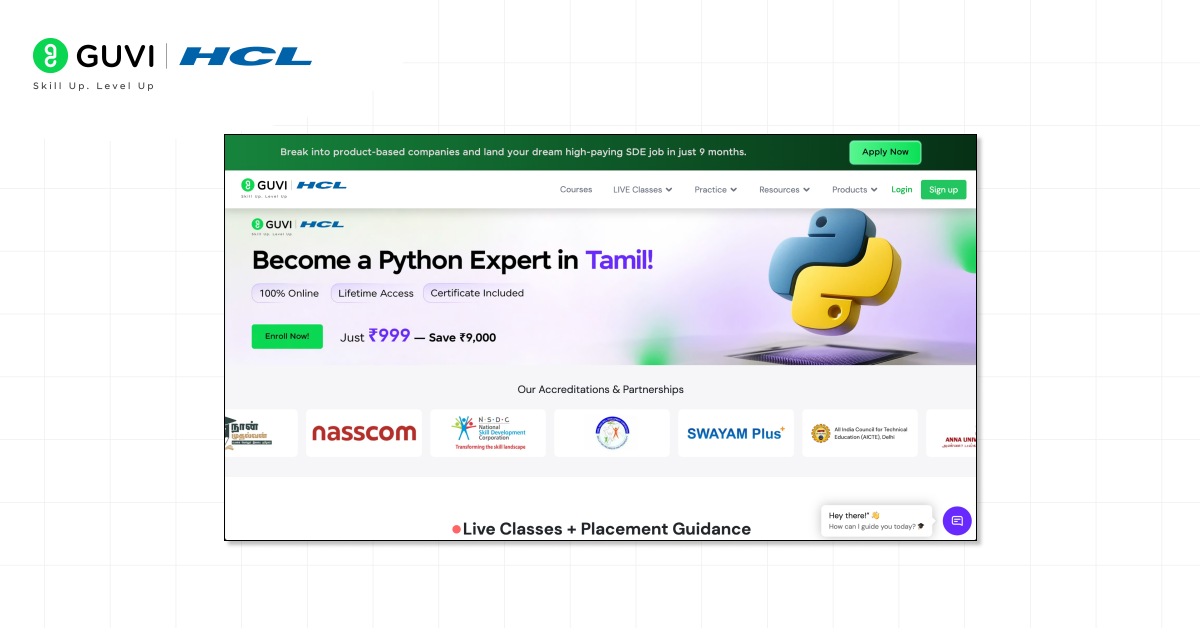
Platform: HCL GUVI
Duration: 6 – 8 months (mentor-led program)
Language: English (with support in some regional languages)
Price: Paid program (with certification)
Key Highlights of the Course:
- Operating System Design Principles
- Hands-on projects with a focus on AI and software development
- Live and on-demand mentor support / doubt-clearing sessions.
What You Will Learn:
- Operating System foundations (process, memory & file management)
- Data Structures, Algorithms & System design
- Full Stack Web Development & Python Programming
- Foundations of AI & Machine Learning
Who Should Take This Course:
- Beginners who want to build strong technical foundations
- Students & working professionals who are looking for a job-ready program
- Anyone interested in using their operating system knowledge with AI & Development Skills
Also read: Introduction to Operating Systems
2. NPTEL – Operating System Fundamentals
This course, which is offered by IITs through the NPTEL program, provides an in-depth academic perspective on operating systems. The course is quite detailed and theoretical, breaking down each OS concept with clarity and precision, making it ideal for preparing for exams or placement interviews.
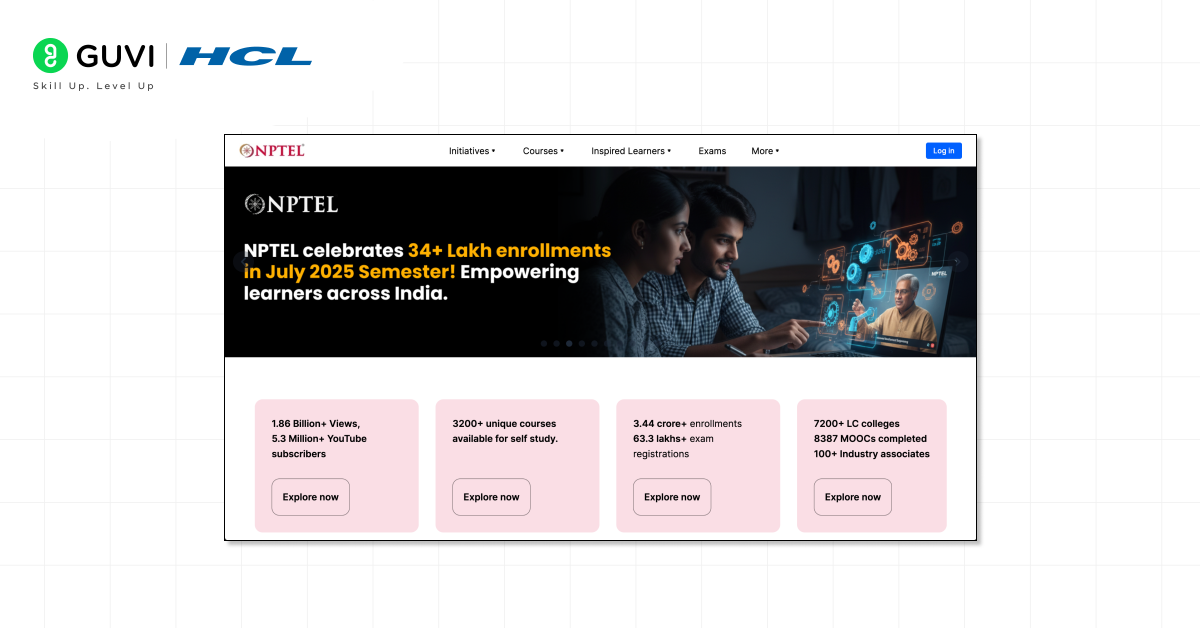
Platform: NPTEL (IIT Courses)
Duration: 8–12 weeks
Language: English
Price: Free (₹1,000 for a certificate)
Key Highlights of the Course
- Developed by the IIT professors’ lectures
- Weekly quizzes and assignments
- A very theoretical course
- Government-approved certification!
Also read: Components of an Operating System
What You Will Learn:
- Process synchronization and scheduling
- Deadlocks, threads, semaphores
- Paging, segmentation, and virtual
- Memory
- Real-world case studies in OS behavior
Who Should Take This Course:
- Engineering and Computer Science students
- Learners who wish to prepare for technical exams (NPTEL courses are rigorous!)

3. Coursera – Operating Systems and You: Becoming a Power User (by Google)
Created by Google, this course is designed to provide you with some practical knowledge about operating systems, with emphasis on Linux and troubleshooting systems. This beginner-friendly course also has hands-on projects, teaching you to administer systems as if you were an IT support engineer (pro) with advanced troubleshooting skills.
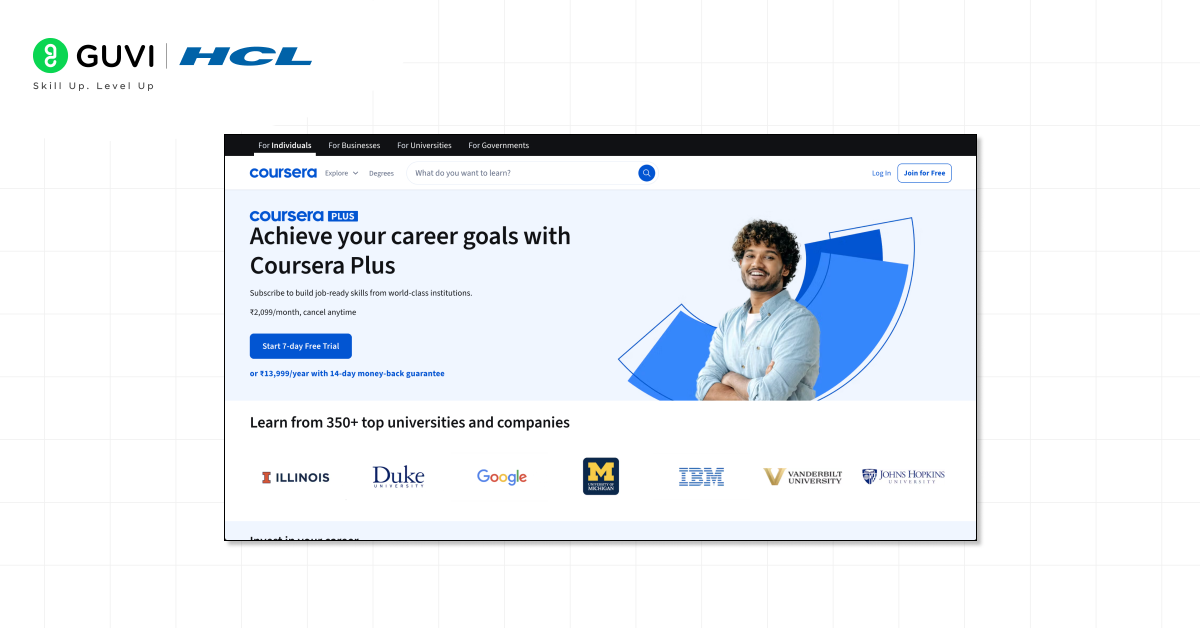
Platform: Coursera
Duration: 4 weeks (self-paced)
Language: English
Price: Free (to audit mode) / Paid (for a certificate)
Also read: 3 Ways to Install Linux on a Windows Machine
Key highlights of the course:
- Developed by Google
- Practical command-line lessons
- Real-world troubleshooting exercises
- Recognized Google Career Certificate
What You Will Learn:
- Linux basics and system navigation
- User permissions and file structures
- Process management and task automation
- Networking and OS security fundamentals
Who Should Take This Course
- Beginners exploring IT and system admin roles
- Professionals upgrading their Linux skills
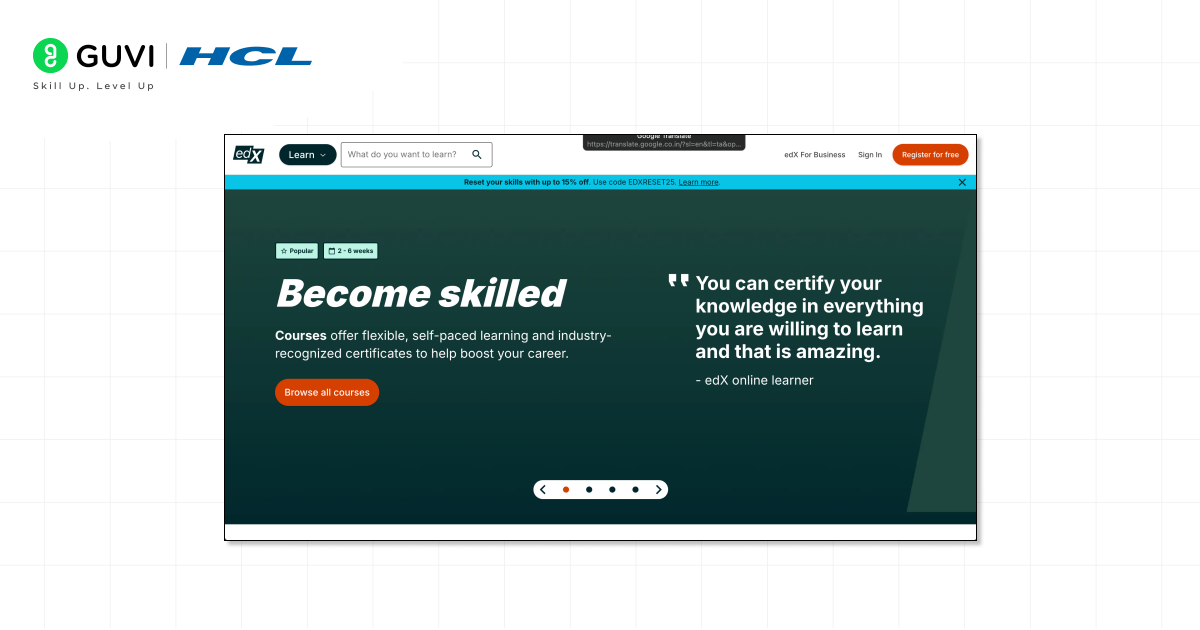
4. edX – Learn about operating systems
This course will be suitable for anyone who wants to learn about modern OS theory and architecture. This course emphasises on practical use of OS components to run hardware and software efficiently.
Platform: edX
Duration: 6 weeks
Language: English
Price: Free – option to pay for certificate
Key highlights of the course:
- Use of hands-on simulations and assessments
- A focus on virtualization and process management
- Flexible timetable
What you will Learn:
- Process scheduling and context-switching
- Memory Management and Paging
- File Systems and Resource Allocation
- Designing kernels and system calls
Also read: Functions of Operating System: A Beginner’s Guide 2025
Who Should Take This Course
- Students interested in understanding OS fundamentals
- Software developers are starting to learn system-level programming
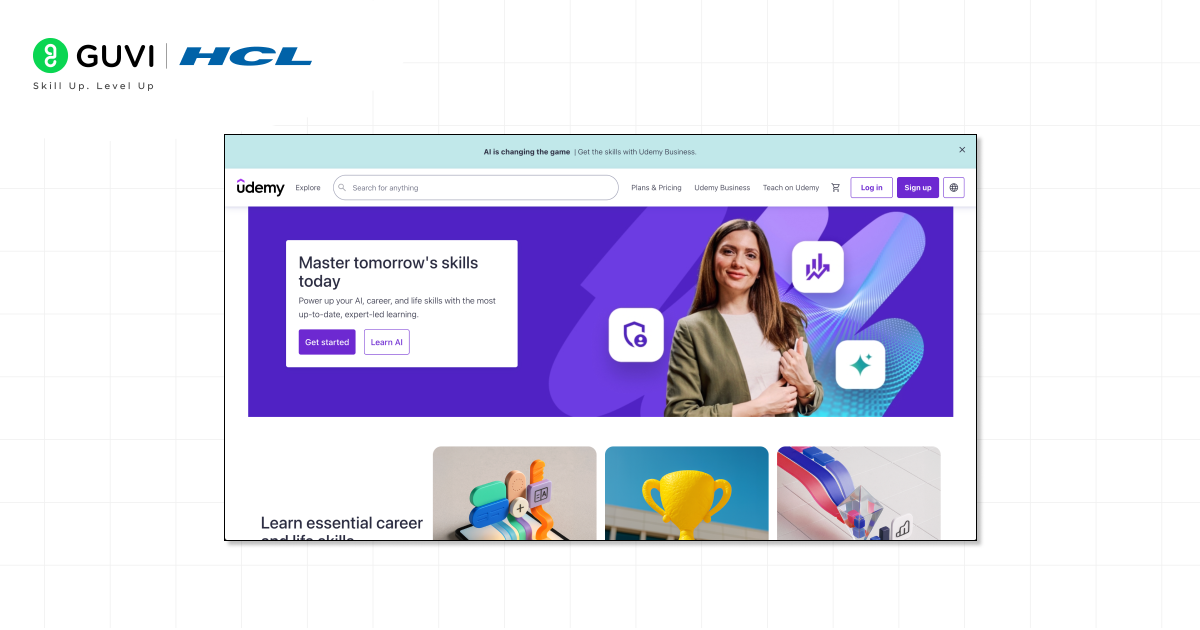
5. Udemy – Operating System from Scratch
This Udemy course provides you an understanding of OS internals. You are taken through the design and development of an OS every step of the way, from bootloaders and memory management to the compilation of the kernel. You will see how an OS works in reality.
Platform: Udemy
Duration: 8.5 hours
Language: English
Price: Paid (subject to discounts)
Key Highlights of the Course
- Covers both the theoretical implications of the OS and practical implementations
- You have lifetime access to the course material
- Real-world demos of the inner workings of the kernel
- The instructors are experienced software developers
Also read: How to Set Up Your Environment to Practice Linux Commands?
What You Will Learn:
- CPU scheduling
- Memory segmentation
- File management and system calls
- Kernel configuration and debugging
Who Should Take This Course:
- Developers or engineering students
- Learners curious about system-level programming
6. LinkedIn Learning – Operating System Foundations
This course provides a comprehensive understanding of modern operating systems and how they work, delivered by an experienced professional. It’s aimed at professionals who want to quickly refresh their understanding of any OS concept.

Platform: LinkedIn Learning
Duration: 3 hours
Language: English
Price: Free (1-month trial) / Paid
Key Highlights of the Course
- Courses taught by a subject matter expert with real industry examples
- Certificate for shareable value on LinkedIn
- Short and to-the-point learning experience
What You Will Learn:
- OS and its components/architecture
- Process scheduling and resource
Also read: Operating System Commands: The Ultimate Beginner’s Guide (2025)
Who Should Take This Course:
- Working professionals looked to reinforce their experience.
- Engineers preparing to interview.
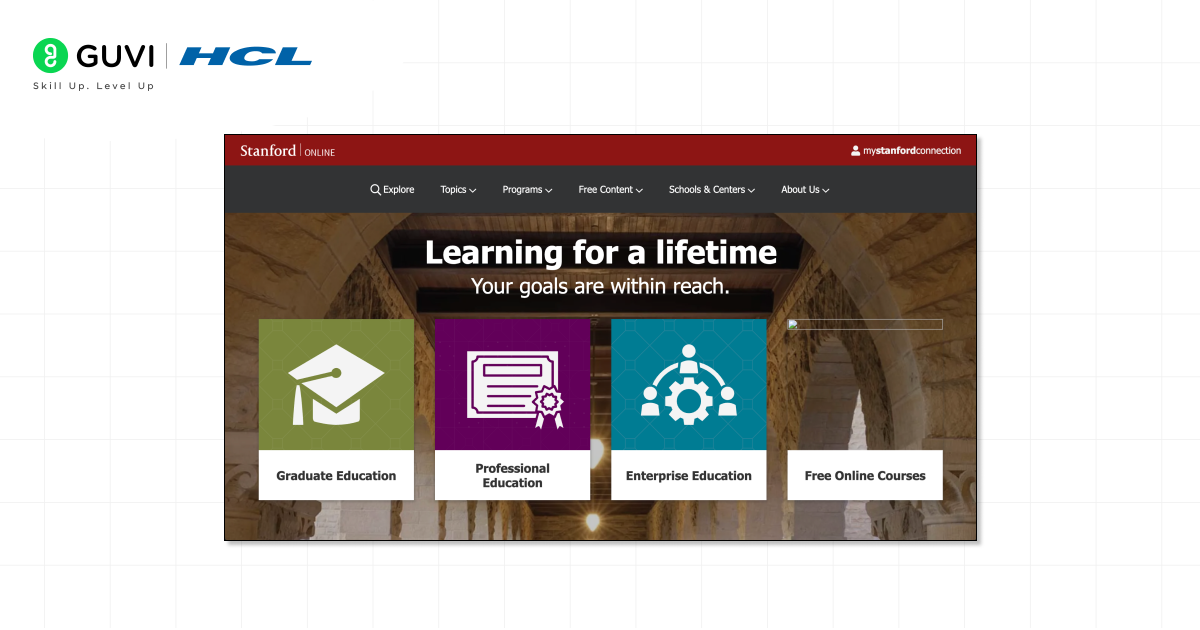
7. Stanford Online – Operating Systems and Systems Programming
Stanford University’s course gives you a university-level deep dive into system internals. It covers OS mechanisms, concurrency, memory management, and synchronization, making it perfect for a learner wanting a scholarly experience.
Platform: Stanford Online
Duration: 8-10 weeks
Language: English
Price: Free to audit, but you can pay for a certificate
Also read: 3 Easy Methods for the Installation of an Operating System in 2025
Key Highlights of the Course
- Instructors are Stanford professors
- Deep dive and academic approach
- Lectures and notes are available for free
What You Will Learn:
- Threading, synchronization, and semaphores
- Virtual memory management, paging, and caching
- OS kernels and how they interact with hardware
Who Should Take This Course:
- Advanced learners or a graduate
- Engineers considering a research or R&D position
Learn to master operating system commands and build real-world projects with HCL GUVI’s AI Software Development Course, co-designed by IITM Pravartak. Start your learning journey today and grow into a confident software developer!
Wrapping it up:
I hope you found this blog useful and got an idea of where to start your journey. Give this blog a complete read, choose the course that is suitable for you, and start learning. Be consistent and persistent throughout your learning journey to land that dream job.
FAQs
1. Are Operating System Courses free?
Yes, many of them are free. There are several options like IBM Skills Network, Alison, and Coursera (audit mode), that offer free versions.
2. Do I need prior experience?
Not at all. All of these courses begin at the basic level and gradually build toward more advanced topics.
3. How long do these courses take?
Depending on your choice of the platform, they range from 3 hours to 12 weeks for completion.
4. Can these courses help me get a job?
Yes, they will help build your technical fundamentals and get you qualified for IT and system administrator-level roles.
Success Stories

About the Author
Vishalini Devarajan
An Aerospace Engineer turned content writer, I focus on making complex concepts easy to understand through well-structured, reader-friendly blogs. Whether it’s a technical topic or a non-technical one, I love creating content that is clear, engaging, and impactful.
View all posts by Vishalini Devarajan
Connect with me @










Did you enjoy this article?