


Career Articles
How to Create a Professional Resume Using ChatGPT
How I Switched from Web Developer to ML Engineer (A Web Developer's Real Story)
PHP Developer Resume: Writing Guide & Key to Landing Your Dream Job
My Frontend Developer Interview at Google: What Really Happens Behind Closed Doors


Get In Touch For Details! Request More Information
Technical Project Manager vs Project Manager: Key Difference Explained
Feb 17, 2026 7 Min Read 1609 Views
(Last Updated)
If you’ve ever wondered why some project managers talk about servers, APIs, and system design while others focus on timelines, budgets, and stakeholder calls, you’re not alone.
Today’s workplace changes so fast that the line between a Technical Project Manager and a Regular Project Manager can feel confusing. But choosing the right path can shape your entire career.
Project management is booming. Over the next decade, the world will need around 22 million new project pros for AI automation, global teamwork, and digital transformation. With remote work and hybrid workflows becoming the new normal, project managers are leveling up faster than ever.
This is exactly why you need to know where you fit.
So what’s the actual difference? Read the blog to know more about the topic. Here, this guide breaks everything down in the simplest way so you can figure out which path matches your skills, your goals, and the future you want to build.
Table of contents
- Quick Answer:
- Current Landscape for Project Management
- Technology Integration
- Agile and Hybrid Methodologies
- Emphasis on Soft Skills
- Sustainability and Ethics
- What Is a Technical Project Manager?
- Definition
- What Is a Regular Project Manager?
- Definition
- The Main Differences
- What Do They Do Every Day?
- Technical project managers' roles and responsibilities
- Where Do They Work?
- Skills Technical project managers need
- What Do They Do Every Day?
- Where do Regular Project Managers Work?
- Skills They Need
- How They Work Differently
- Gathering Requirements
- Managing Different Types of Teams
- When Things Go Wrong
- Working with Engineers
- How They Make Decisions
- Technology Skills (60%)
- Management Skills (40%)
- Management Skills (80%)
- Technology Skills (20%)
- What Tools Do They Use?
- Tools Regular PMs Use
- Where Do These Jobs Fit in a Company?
- Technical PM in the Organization
- Regular PM in the Organization
- Who Do They Report To?
- Which Job Is Right for You?
- Choose Technical Project Manager If:
- Choose Regular Project Manager If
- Technical Project Manager & Traditional Project Manager Salary
- How Much Money Do They Make?
- How Fast Are These Jobs Growing?
- Is Your Job Safe in the Future?
- Key Takeaways
- Conclusion
- Frequently Asked Questions
- What is the main difference between a Technical Project Manager and a Regular Project Manager?
- Do Technical Project Managers need to know coding?
- Can a Regular Project Manager switch to a Technical Project Manager role?
- Which role is better: Technical Project Manager or Project Manager?
- What industries hire Technical Project Managers?
- What industries hire Regular Project Managers?
Quick Answer:
A Technical Project Manager understands technology and manages engineering-focused projects.
A Regular Project Manager focuses on timelines, budgets, coordination, and business processes.
Current Landscape for Project Management
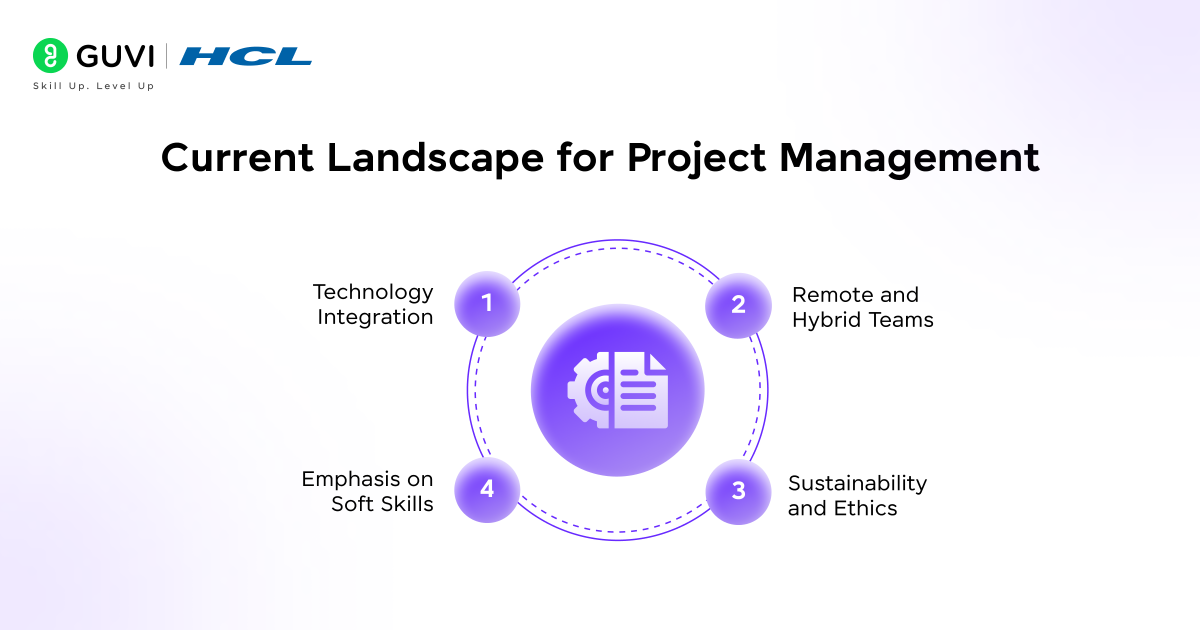
Over the next decade, project management jobs will grow by 33%, which equals almost 22 million new jobs across 11 major countries. Here are the major trends in project management.
Technology Integration
AI, automation, and data analytics are transforming project management by automating scheduling, risk prediction, and resource planning.
Remote and Hybrid Teams
As remote and hybrid work grow, strong digital communication is essential. Project managers depend on collaboration tools to keep dispersed teams aligned, engaged, and productive across time zones.
Agile and Hybrid Methodologies
Traditional waterfall methods are fading because they’re too rigid for today’s fast-changing work environments. Teams now prefer hybrid approaches that blend structure with Agile flexibility for better results.
Emphasis on Soft Skills
As technology handles more routine tasks, soft skills are becoming essential. Project managers rely on leadership, communication, and emotional intelligence to motivate teams and manage complex stakeholder relationships.
Sustainability and Ethics
Companies are increasing. focused on sustainability and social responsibility
Explore Project Management Course by HCL GUVI, a short-term, self-paced program with global certifications. Learn key concepts from beginner to advanced levels, all in the comfort of your preferred language.
- Millions of new project management jobs will be created by 2027.
- China and India will lead this growth.
- Project managers are essential for productivity.
- Not having enough project managers could cost the world billions of dollars.
What Is a Technical Project Manager?
Definition
A technical project manager is someone who understands both how technology works and how to manage a project. They don’t have to write computer code every day, but they know enough about technology to make good decisions.
What Is a Regular Project Manager?
Definition
A regular project manager focuses on making sure projects get done on time, don’t cost too much money, and match what people asked for. They’re good at organizing timelines, managing money, and talking to people. They don’t need to understand the technical details.
| Factor | Technical PM | Regular PM |
|---|---|---|
| What they know | Deep technology knowledge | Business and process knowledge |
| Main focus | How to build it and what’s possible | When to finish it and how much it costs |
| Daily tasks | Construction, marketing, and manufacturing | Team meetings, tracking budget, managing vendors |
| Who they manage | Jira, GitHub, Jenkins, Slack | Microsoft Project, Asana, Trello, Excel |
| Types of projects | Complicated technology projects | All types of projects in any industry |
| Where they work | Tech companies, banks, security companies | Based on saving money, time, and following the rules |
| Career path | Become a Chief Technology Officer or VP of Engineering | Become a Program Manager or PMO Director |
| How they make decisions | Based on how to build it best and system design | Based on saving money, time, and following rules |

The Main Differences
What Do They Do Every Day?
Technical project managers’ roles and responsibilities
Planning and Design: They work with engineers to figure out if an idea is possible and what the best way to build it is. They ask lots of questions about how the system should work before anyone writes code.
Coordinate Different Teams: They make sure all the different teams (like the people who write the code, the people who test it, and the security team) work well together and don’t run into problems when connecting their work.
Manage Technical Problems: They look for potential issues early, like things that could slow down the project or make the system not work well. They push the team to do good technical work while also meeting deadlines.
Link Between Business and Engineering: They explain what the business people want in a way engineers understand, and they explain technical problems in a way business people understand.
Where Do They Work?
You’ll find technical project managers in: software companies, banking/finance companies, cybersecurity companies, artificial intelligence companies, and any company that builds complicated technology.
Skills Technical project managers need
- How software is built (the process from start to finish)
- APIs and how different systems connect
- Cloud computing basics (like AWS or Google Cloud)
- How to organize code and automate building software
- Agile and Scrum methods
- How databases work
- Ability to explain technical stuff clearly
- Good problem-solving skills
The 2023 State of Agile Report found that 71% of companies use Agile practices everyday.
What Do They Do Every Day?
Regular project managers’ roles and responsibilities:
Manage Timelines: They create schedules, figure out which tasks have to happen first, and make sure projects stay on track. They keep track of everything to prevent delays.
Manage Money: They figure out how much the project will cost, make sure they don’t spend too much, deal with vendors, and keep the project within budget.
Talk to Stakeholders: They communicate with everyone involved, bosses, clients, team members, and outside vendors. They’re the main person everyone talks to.
Keep Good Records: They write down everything about the project, make sure the company follows all the rules, and keep information organized.
Manage Problems and Risks: They figure out what could go wrong, make plans to prevent problems, and tell the right people when something is not working.
Where do Regular Project Managers Work?
You’ll find regular project managers in: construction companies, factories, marketing departments, stores, hotels, real estate, event planning, and business operations.
Skills They Need
- Advanced scheduling and timeline planning
- Budgeting and managing money
- Dealing with vendors and contracts
- Understanding risks and how to prevent them
- Great communication and negotiation
- Making processes better
- Microsoft Office and project management software
- Paying attention to details and staying organized
How They Work Differently
Gathering Requirements
Technical PM: Asks detailed technical questions.
How much will this grow? What kind of database do we need? What are the speed limits? Should we build one big system or many smaller ones? They change business requests into technical instructions.
Regular PM: Asks basic questions.
What does the client want? When do they want it? What’s the budget? Who needs to be included? They write down what people want using interviews and forms.
Managing Different Types of Teams
Technical PM: Manages engineers and technical experts. They talk about code quality, how fast the team works, old code that’s hard to fix, and system design. They need to earn respect by knowing their technology.
Regular PM: Manages business teams and vendor coordinators. They focus on getting tasks done, giving people the right jobs, and hitting deadlines.
When Things Go Wrong
Technical PM: Asks “Is there a problem with how we designed it? Can we make the code run faster? Do we need better computers?” They fix technology problems.
Regular PM: Asks “Where’s the slowdown in our process? Do we need more people? Can we change the deadline? What tasks can happen at the same time?”
Working with Engineers
Technical PM: Works as a friend and equal with engineers. They have real technical conversations. They earn trust by making smart technology choices.
Regular PM: Manages engineers but doesn’t get into technical details. They trust engineers to know the technology and focus on getting the project done.
How They Make Decisions
Technical PM: Decides based on what’s technically possible, how fast it can grow, how easy it is to maintain, and the overall system design. They think about whether taking shortcuts will cause problems later.
Regular PM: Decides based on saving time, saving money, following procedures, and making stakeholders happy.
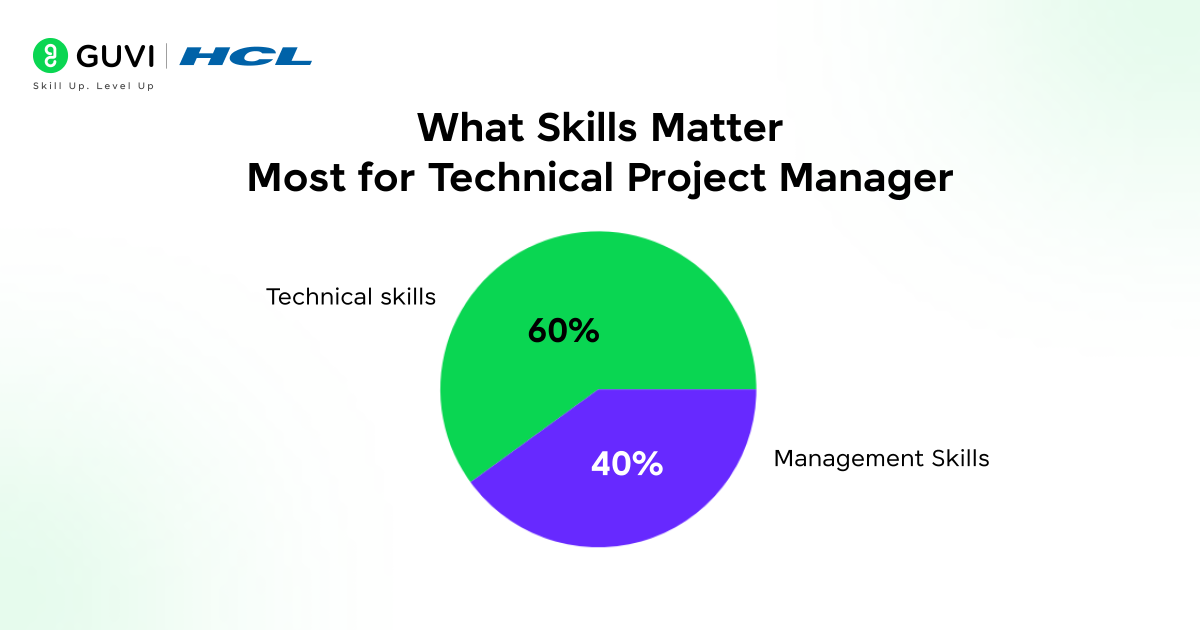
Technology Skills (60%)
- How software is made step by step
- How different programs talk to each other
- Cloud systems like AWS
- How to automate building and updating software
- How databases work
- Using Git to manage code
- Testing software
- Making software run fast and handle lots of users
Management Skills (40%)
- Agile and Scrum methods
- Planning sprints and managing to-do lists
- Spotting and preventing problems
- Talking to stakeholders
- Working with teams
- Solving disagreements
- Giving people jobs and resources
Regular PM Skills
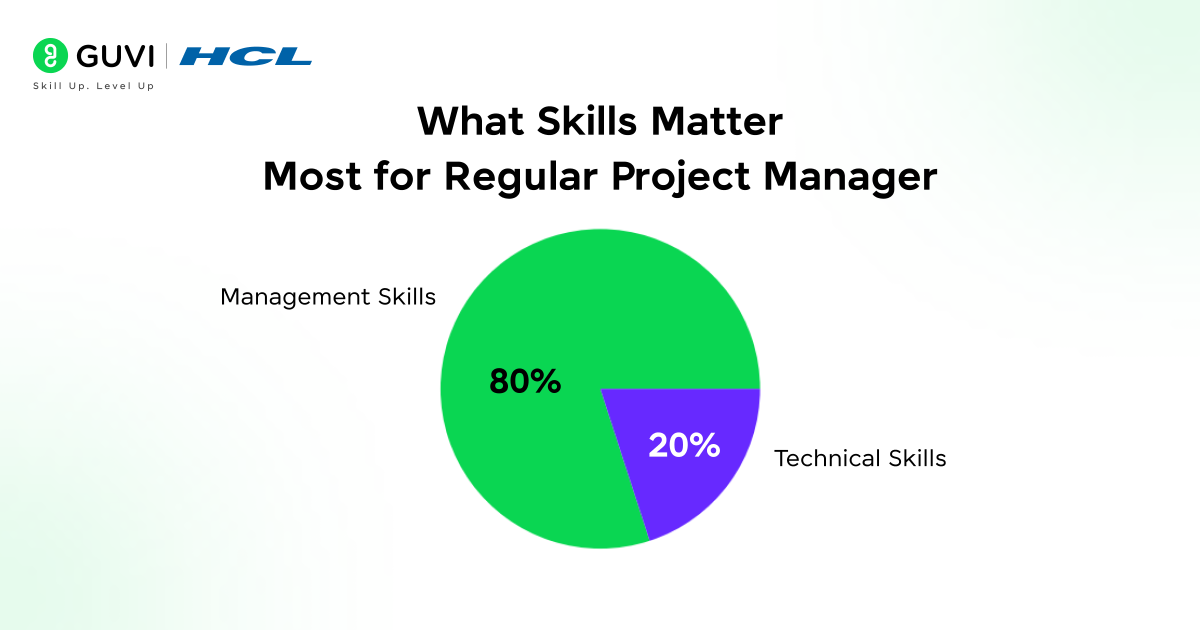
Management Skills (80%)
- Creating detailed schedules
- Predicting and controlling costs
- Managing vendors and deals
- Understanding and preventing risks
- Getting stakeholders involved
- Clear communication and reporting
- Leading teams
- Organizing and writing about projects
Technology Skills (20%)
- Basic understanding of what the project is about
- Knowing industry-specific tools
- Analyzing data and making reports
- General problem-solving
What Tools Do They Use?
Tools Technical PMs Use
Jira: Planning sprints, managing to-do lists, tracking issues
Confluence: Sharing information and writing documents
GitHub/GitLab: Looking at code and tracking code reviews
Jenkins/GitLab CI: Watching code get built and sent out
Azure DevOps: Managing the whole development process
Slack: Team messaging
Data Dog/New Relic: Watching how the system performs
Tools Regular PMs Use
Microsoft Project: Detailed scheduling for big projects
Asana: Managing tasks and team work
Trello: Simple task visualization
Monday.com: Customizable project tracking
Excel/Spreadsheets: Tracking money and special reports
Smartsheet: Advanced scheduling
Salesforce: Keeping track of client information
Where Do These Jobs Fit in a Company?
Technical PM in the Organization
Technical PMs usually work in the engineering or product department. They report to heads of engineering, technology officers, or product leaders. They work with specific technical teams, not across the whole company. Success is measured by finishing projects, code quality, and how fast the team works.
You find them in: software companies, tech departments at big companies, banking/finance companies, cybersecurity companies, and AI companies.
Regular PM in the Organization
Regular PMs usually work in a Project Management Office or a business department. They report to PMO leaders or business leaders. They work on many different projects and teams, helping any project run smoothly. Success is measured by finishing projects on time and on budget.
You find them in: construction companies, factories, marketing departments, real estate companies, and business operations.
Who Do They Report To?
Technical PM: Reports to engineering leaders. Works with tech leads and architects. Needs respect from engineers through technical knowledge.
Regular PM: Reports to operations leaders or PMO directors. Works with other PMs. Gains influence through understanding processes.
Which Job Is Right for You?
Choose Technical Project Manager If:
You already know technology. Maybe you’ve written code, studied engineering, or taken tech classes. You already speak the language.
You get excited about technology problems. You enjoy talking about how systems work, choosing the best technology, and solving hard technical puzzles. Technology problems are more fun than spreadsheets.
You want to make more money. Technical PMs usually earn 15-25% more than regular PMs, especially in big tech cities like San Francisco or Seattle.
You want to lead technology in the future. If you dream of becoming a Chief Technology Officer, VP of Engineering, or Chief Architect, technical PM is the right path.
You want special knowledge that’s valuable. Technical skills are rare and worth a lot in job markets.
You like fast-paced, organized environments. Tech companies move quickly with clear sprints and regular feedback. If you like moving fast, this is your job.
Choose Regular Project Manager If
You don’t have a technology background. You come from business, operations, or other non-tech fields. Your skills work right away.
You love organizing things and making them better. You enjoy fixing processes, making work smoother, and solving problems through better planning and talking to people.
You want to work in different industries. Regular PM skills work everywhere. You can manage a building project, a marketing campaign, or a factory project without learning new stuff.
You like proven methods and stability. Traditional PM jobs use tested methods. If you prefer known systems to trying new things, a regular PM is better.
You’re great with people. Regular PMs spend lots of time building relationships with clients and managing vendor deals. If people skills are your strength, this job uses them.
You don’t want to keep learning new things all the time. Regular PM knowledge stays pretty much the same. Technical PM requires constant learning as technology changes.
Technical Project Manager & Traditional Project Manager Salary
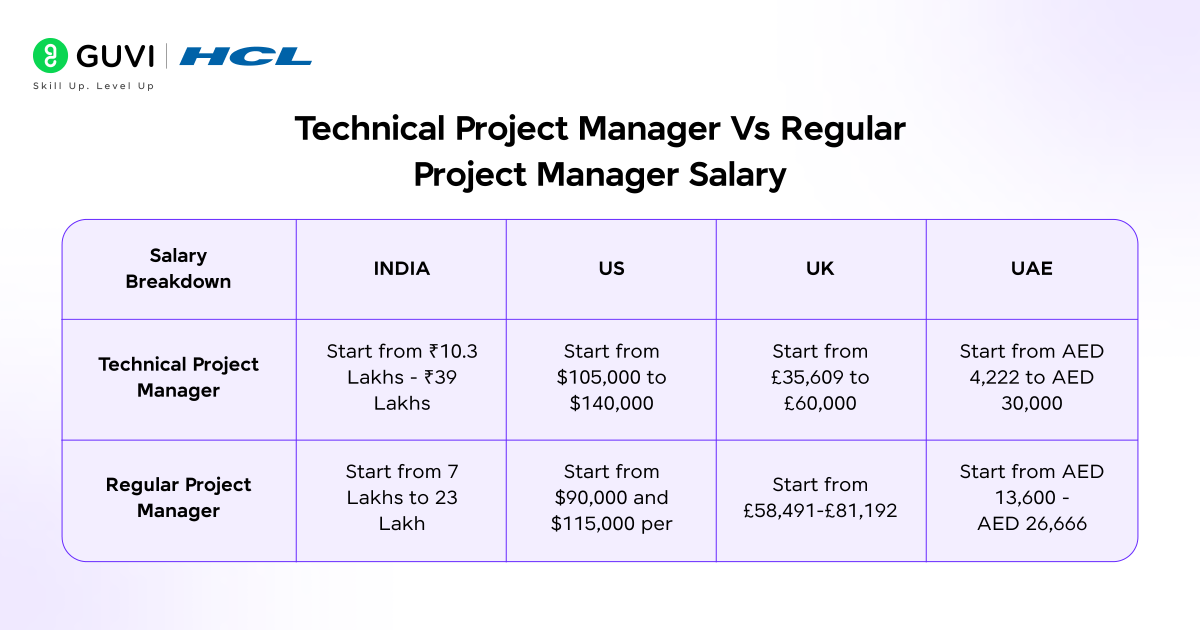
How Much Money Do They Make?
| Salary Breakdown | INDIA | US | UK | UAE |
| Technical Project Manager | Start from ₹10.3 Lakhs – ₹39 Lakhs | Start from $105,000 to $140,000, | Start from £35,609 to £60,000 | Start from AED 4,222 to AED 30,000 |
| Regular Project Manager | Start from 7 Lakhs to 23 Lakh | Start from $90,000 and $115,000 per | Start from £41,405-£81,192 | Start from AED 18,600 –AED 26,666 |
How Fast Are These Jobs Growing?
Tech industry PM jobs are growing 10-15% faster than regular PM jobs. That means more job openings and chances to move up.
Is Your Job Safe in the Future?
As companies use more technology, technical PM skills become more valuable everywhere. But regular PM jobs will always be needed too. Both are safe choices.
Key Takeaways
A technical project manager vs project manager comparison shows that both roles lead projects but with different skill sets and responsibilities.
Technical project managers handle software, IT, cloud, and engineering-focused projects that require technical understanding, system knowledge, and close work with developers.
Regular project managers focus on timelines, budgeting, coordination, stakeholder communication, and ensuring smooth project delivery across industries like construction, operations, manufacturing, marketing, and more.
Technical PMs rely on tools like Jira, GitHub, and DevOps platforms, while regular PMs use MS Project, Asana, and spreadsheets.
Choose the right path based on your career goals, technical background, interest in IT, and long-term growth opportunities.
Conclusion
Technical project managers and regular project managers are two different career paths. They need different skills, pay different amounts, and lead to different futures. Neither one is better, they’re just better for different people and industries.
If you love technology and want to eventually lead the technical side of a company, become a technical PM. If you’re great at organizing things and want to work in many different industries, become a regular PM.
The important thing is to know yourself: What makes you excited? What’s your background? Where do you want to be in five years?
The good news?
Both jobs offer safe, well-paid careers with lots of job openings. Pick the one that matches your strengths and dreams, and you’ll have a great career ahead.
Frequently Asked Questions
1. What is the main difference between a Technical Project Manager and a Regular Project Manager?
A Technical Project Manager understands technology, system architecture, and software workflows, and manages engineering-heavy projects. A Regular Project Manager focuses on planning, budgeting, communication, stakeholder coordination, and ensuring the project runs smoothly without needing deep technical knowledge.
2. Do Technical Project Managers need to know coding?
Not necessarily. They don’t have to be expert programmers, but knowing coding basics, APIs, SDLC, and system design helps them communicate better with developers and make informed decisions.
3. Can a Regular Project Manager switch to a Technical Project Manager role?
Yes. Many PMs move into technical roles by learning cloud basics, software development processes, DevOps fundamentals, and tools like Jira, GitHub, Azure DevOps, and CI/CD pipelines.
4. Which role is better: Technical Project Manager or Project Manager?
Neither is “better.” It depends on your background and goals.
Choose Technical PM if you enjoy tech, problem-solving, and working with engineering teams.
Choose a Regular PM if you prefer strategy, people coordination, planning, and business operations.
5. What industries hire Technical Project Managers?
Technical PMs are in high demand in software development, IT services, SaaS, cloud computing, cybersecurity, fintech, AI/ML companies, and startups.
6. What industries hire Regular Project Managers?
Regular PMs commonly work in construction, manufacturing, operations, retail, logistics, marketing, healthcare, and government projects.
Success Stories

About the Author
Salini Balasubramaniam
A curious, information-savvy writer loves to turn deep insights into authentic and engaging content that connects. With experience in writing for brands and driving audience engagement, I believe that words can make a powerful difference.
View all posts by Salini Balasubramaniam
Connect with me @
















Did you enjoy this article?