


Career Articles
Flutter Roadmap: Complete Guide to Become a Flutter Developer
Product Manager Roadmap 2026: From Beginner to Industry-Ready PM
Blockchain Developer Roadmap (2026): Your Complete Step-by-Step Guide From Beginner to Job-Ready
System Design Roadmap (2026) Guide From Basics to Interviews


Get In Touch For Details! Request More Information

Top 20 Latest Trends Shaking Up the IT Industry
Jan 27, 2026 6 Min Read 1467 Views
(Last Updated)
Information Technology (IT) is at a tipping point, where technologies that felt new yesterday are now outdated. New tools, smarter systems, and unexpected innovations change how companies develop products, approach problem-solving, and communicate with their customers. Technology that only felt like “future tech” yesterday is now part of everyone’s workday. Every professional, from the new hire to the experienced professional, understands the transformation being experienced.
In this blog, we explore the Latest Trends in the IT Industry that are driving the change. Each trend describes the technology change, the importance of it, and the opportunity for individuals or organizations that want to keep learning, adapting, and remain relevant.
Quick Answer
The Latest IT Industry Trends for 2026 include Agentic AI, Generative AI 2.0, low-code development, AI governance, edge computing, and spatial computing. These trends will impact automation, security, and digital experiences. IT professionals will need to upskill in AI literacy, cloud, data engineering, and automation to be future-ready.
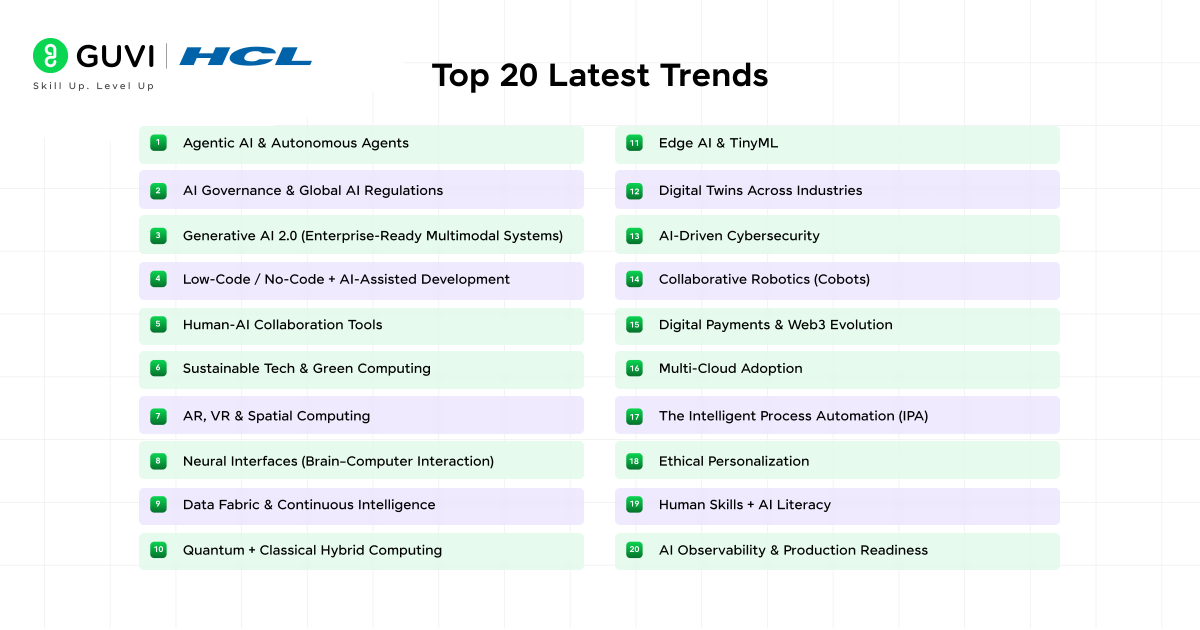
Table of contents
- Top 20 Latest Trends in the IT Industries
- Agentic AI & Autonomous Agents
- AI Governance & Global AI Regulations
- Generative AI 2.0 (Enterprise-Ready Multimodal Systems)
- Low-Code / No-Code + AI-Assisted Development
- Human-AI Collaboration Tools
- Sustainable Tech & Green Computing
- AR, VR & Spatial Computing
- Neural Interfaces (Brain–Computer Interaction)
- Data Fabric & Continuous Intelligence
- Quantum + Classical Hybrid Computing
- Edge AI & TinyML
- Digital Twins Across Industries
- AI-Driven Cybersecurity
- Collaborative Robotics (Cobots)
- Digital Payments & Web3 Evolution
- Multi-Cloud Adoption
- The Intelligent Process Automation (IPA)
- Ethical Personalization
- Human Skills + AI Literacy
- AI Observability & Production Readiness
- Wrapping it up
- FAQs
- What are the top IT industry trends in 2026?
- Why should professionals study these trends?
- What technological trend will have the most impact on jobs?
- What skills should I study to be future-ready?
Top 20 Latest Trends in the IT Industries
1. Agentic AI & Autonomous Agents
The Shift
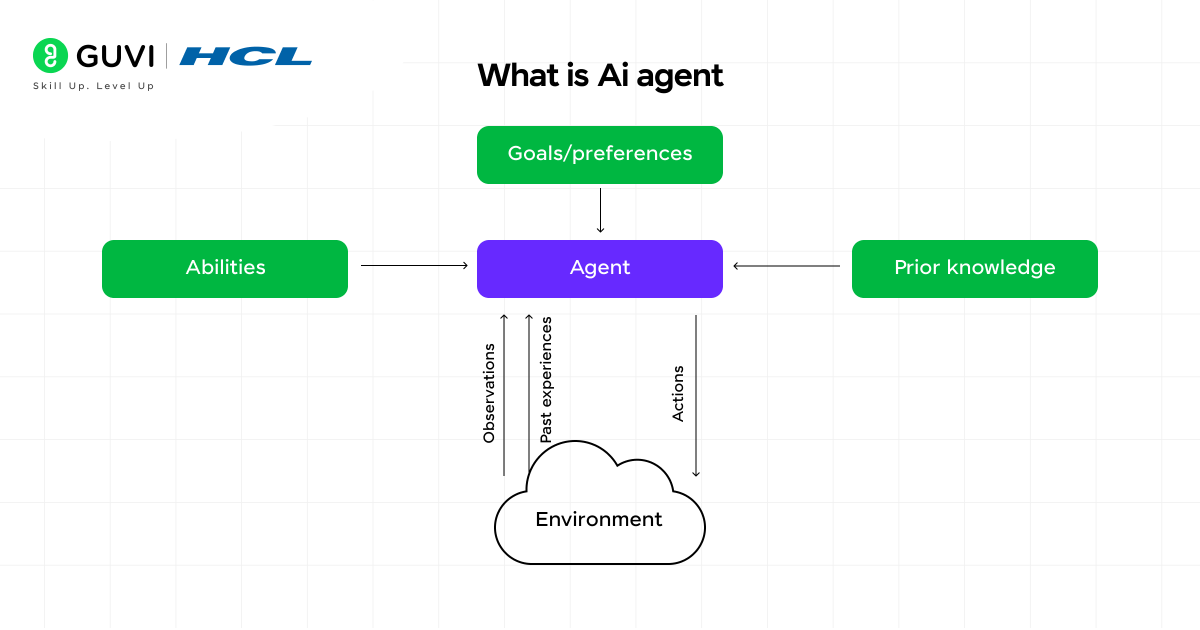
Agentic AI marks the move from passive assistants to active systems that plan, take actions, and learn from outcomes. These agents can carry out end-to-end tasks without human intervention, such as running marketing experiments, launching campaigns, or optimizing logistics. This is more than “automation”; it is autonomous reasoning.
- AI agents are now able to combine tasks.
- They are in charge of the workflow, resources, and results.
- Organizations are creating teams in which people supervise, and agents execute
The Payoff
Companies that use agentic AI will decrease the number of manual tasks and will increase the speed of operations significantly. Autonomous systems can alter strategies in real time, which results in a greater level of efficiency and helps reduce errors. Whole departments can be run around the clock on 24/7 optimization.
- Faster decision cycles
- Lower operational costs
- Functional automated problem-solving
The Opportunity
The specialists, knowing how agents act, supervise, and strategize, will be in demand. New job roles emerge around agent training, monitoring, and governance.
- Roles: AI Agent design, Agentic Workflow Designer, Agentic AI Developer.
- Skills: RAG, strategy on prompt, and ethical AI design.
- Excellent in: Developers, analysts, and operations teams.
2. AI Governance & Global AI Regulations
The Shift
The governments across the globe are developing firm regulations regarding AI development and deployment. There should be transparency, fairness, and accountability in any model used by companies. AI governance becomes a central part of product design, not an afterthought.
- Standardized audits
- Transparency dashboards
- Documented model decisions
The Payoff
The first to responsibly use AI gains a competitive edge. AI-based brands are considered safe by customers in the healthcare, finance, and public services sectors. Good governance also shields businesses against lawsuits.
- Better compliance
- Enhanced customer trust
- Stronger brand reputation
The Opportunity
New career paths are growing at the intersection of AI, ethics, and regulation. Experts with experience in both technical and legal will be of unique value.
- Roles: Information Technology, Data Security, AI Concentration
- Skills: AI audit tool, bias testing, policy mapping.
- Useful in: Data analysis, machine learning engineers, policy students.

3. Generative AI 2.0 (Enterprise-Ready Multimodal Systems)
The Shift
Basic text and image models are developed into sophisticated multimodal systems of text, visuals, audio, and structured data that are generated by generative AI. These models are linked to live databases, APIs, knowledge graphs, and RAG systems to be accurate.
- Enterprise-grade governance
- Domain-tuned models
- Integrated tool use
The Payoff
Businesses gain significant productivity advantages when AI manages multifaceted processes such as contract recap, code generation, or the generation of technical documents.
- Higher ROI
- Consistent quality
- Scalable workflows
The Opportunity
The next decade of innovation will be characterized by professionals who are able to deploy, refine, and test generative AI on large scales.
- Roles: GenAI Engineer, Prompt Pipeline Architect.
- Skills: RAG, finetuning, evaluation measures.
- Best for: Developers and data specialists.
4. Low-Code / No-Code + AI-Assisted Development
The Shift
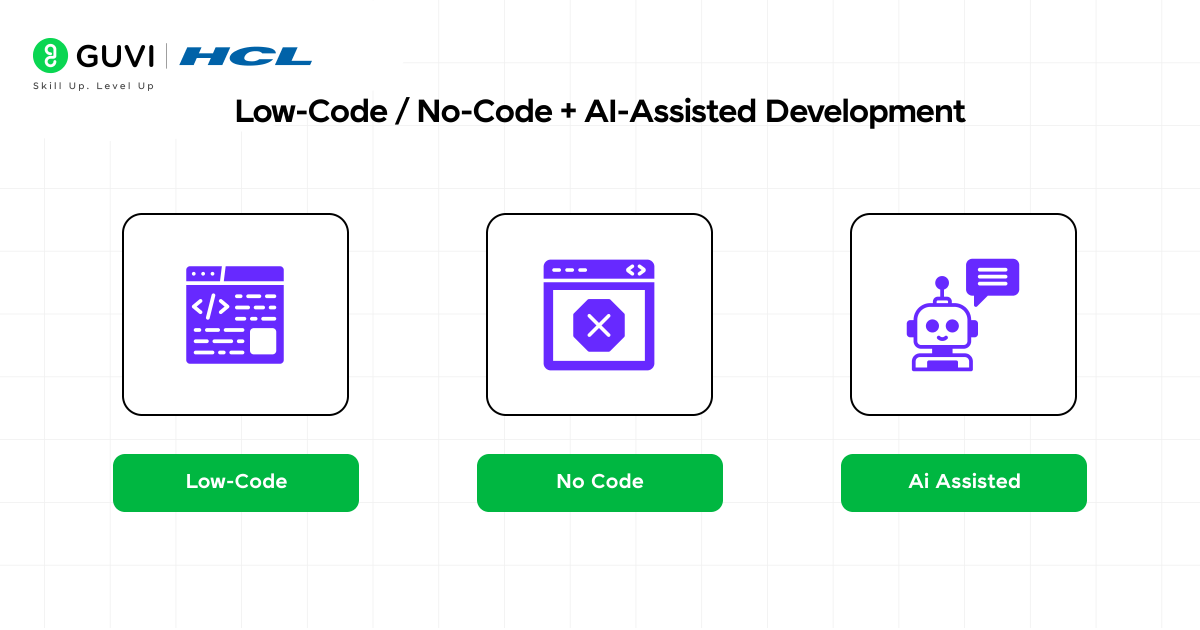
The low-code and no-code platforms are combined with the AI copilots to assist professionals in developing software more rapidly. Users make requests on what they desire, and AI codes interfaces, workflows, and tests.
- Natural-language application development.
- Drag-and-drop automation
- AI-generated prototypes
The Payoff
The development cycles are reduced to hours. Companies save money and teams work on hard, higher-level problems as opposed to code-writing.
- Faster prototyping
- Lower skill barrier
- Less backlog on development.
The Opportunity
Users who are not from a technical background can now create apps, and developers build on the more sophisticated logic and architecture.
- Roles: Low-Code Architect, Automation Engineer.
- Skills: System integration, workflow design.
- Best for: Business analysts, product teams.
- Nearly 65% of global organizations already use Generative AI in at least one business function — from marketing and analytics to customer support and product design.
- AI-driven automation can cut operational costs by up to 40% in large enterprises, boosting productivity while minimizing human error.
- The Edge AI market is projected to surpass USD 66 billion by 2030 as more devices process data locally instead of relying on cloud systems.
- Low-code platforms are expected to build nearly 70% of all new business applications by 2026, revolutionizing software development accessibility.
- Companies using AI-powered cybersecurity detect breaches 108 days faster on average than those using traditional systems — a massive leap in threat response efficiency.
5. Human-AI Collaboration Tools
The Shift
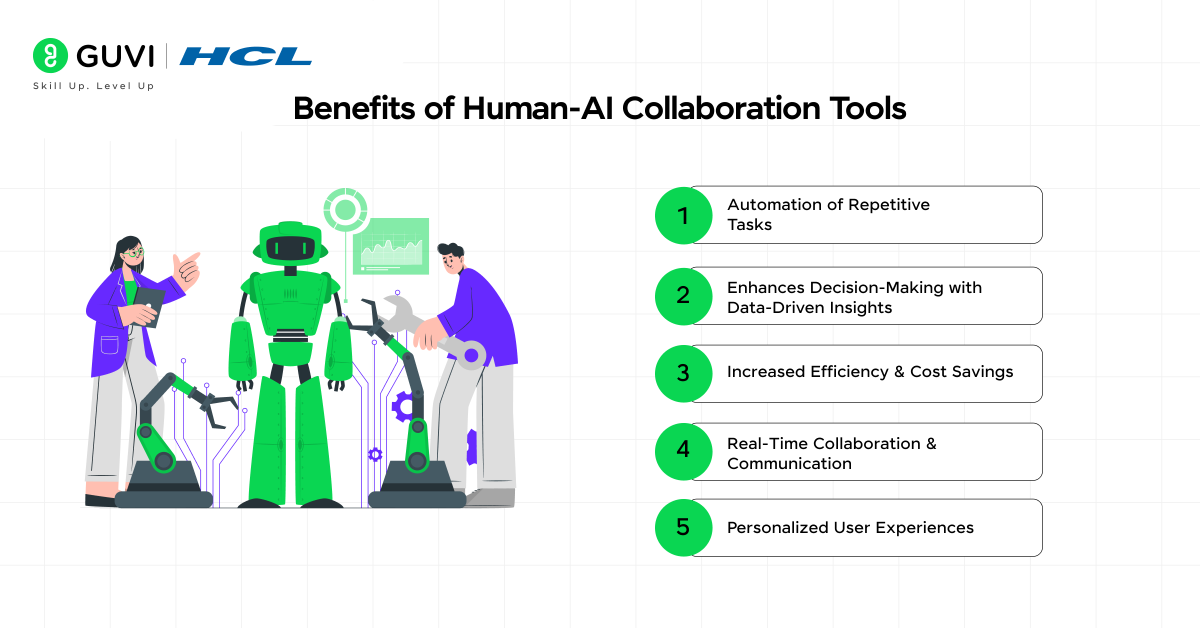
AI turns into a real partner, not an assistant. The AI tools now are creating ideas, reading texts, creating slides, designing, and taking an active part in a team.
- AI as a brainstorming companion.
- Real-time collaboration
- Context-aware suggestions
The Payoff
There is enhanced creativity and accelerated delivery in teams. AI decreases cognitive load by automating routine activities and allowing human beings to work on strategy.
- Higher productivity
- Reduced manual workload
- Better decision-making
The Opportunity
Individuals who understand the ability to incorporate AI in day-to-day activities will far outdo their counterparts.
- Skills: Reminding, automation in workflow, and AI analysis.
- Good In: Marketers, developers, analysts.
6. Sustainable Tech & Green Computing
The Shift
Businesses use servers that are energy efficient, data centers that are renewable-powered, and carbon-aware computing. Sustainability is transformed into an engineering measure.
- Energy-efficient chips
- Carbon-tracking dashboards
- Green cloud environment
The Payoff
Organizations conserve power, cut down on waste, and achieve regulatory favor. Green products appeal to the eco-conscious customers.
- Lower operational cost
- Improved brand value
- Adherence to international requirements
The Opportunity
People with knowledge of sustainable computing can spearhead efforts in the reduction of carbon footprints.
- Skills: Green building, lifecycle assessment.
- Position: Sustainability Engineer, Green Cloud Specialist.
7. AR, VR & Spatial Computing
The Shift
Spatial computing transforms the physical world into an interactive digital world. AR glasses that are lightweight and have enhanced sensors integrate the digital overlays with the real world.
- Real-time object tracking
- High-res virtual models
- Low-latency 3D rendering
The Payoff
Industries such as healthcare, retail, and manufacturing employ AR in training, troubleshooting, and natural product demonstrations.
- Lower training costs
- Improved accuracy
- Better customer experience
The Opportunity
AR development and 3D interface design are mainstream technical skills.
- Roles: AR Designer, XR Developer
- Skills: 3D modelling, Unity, spatial UX
8. Neural Interfaces (Brain–Computer Interaction)
The Shift
Neural interfaces allow users to operate digital devices by non-invasive sensors and AI signal mapping.
- Brain-signal decoding
- Real-time response
- AI-powered interpretation
The Payoff
Direct interaction based on thought is beneficial to healthcare, rehabilitation, and gaming. This renders tech more inclusive to the disabled community.
- Improved mobility
- New interface experiences
- Breakthrough accessibility
The Opportunity
Professionals with mixed neuroscience and AI knowledge will lead this revolution.
- Roles: Neural Data Engineer, BCI Developer
- Skills: Neuro-AI, signal processing
9. Data Fabric & Continuous Intelligence
The Shift
Data fabric links distributed data sources on a single architecture. It enables companies to work with data without the need to reconstruct the legacy systems.
- Metadata-driven pipelines
- Automated governance
- Real-time system synchronization
The Payoff
Increased analytical speeds and data accuracy, enhanced AI accuracy. Manual data cleaning is no longer a waste of time for teams.
- Trusted data
- Instant insights
- Better ML performance
The Opportunity
Fabric design skills will be needed by data engineers and architects.
- Roles: Data virtualization, catalog management
- Skills: Data Fabric Engineer, Real-Time Analytics Architect
10. Quantum + Classical Hybrid Computing
The Shift
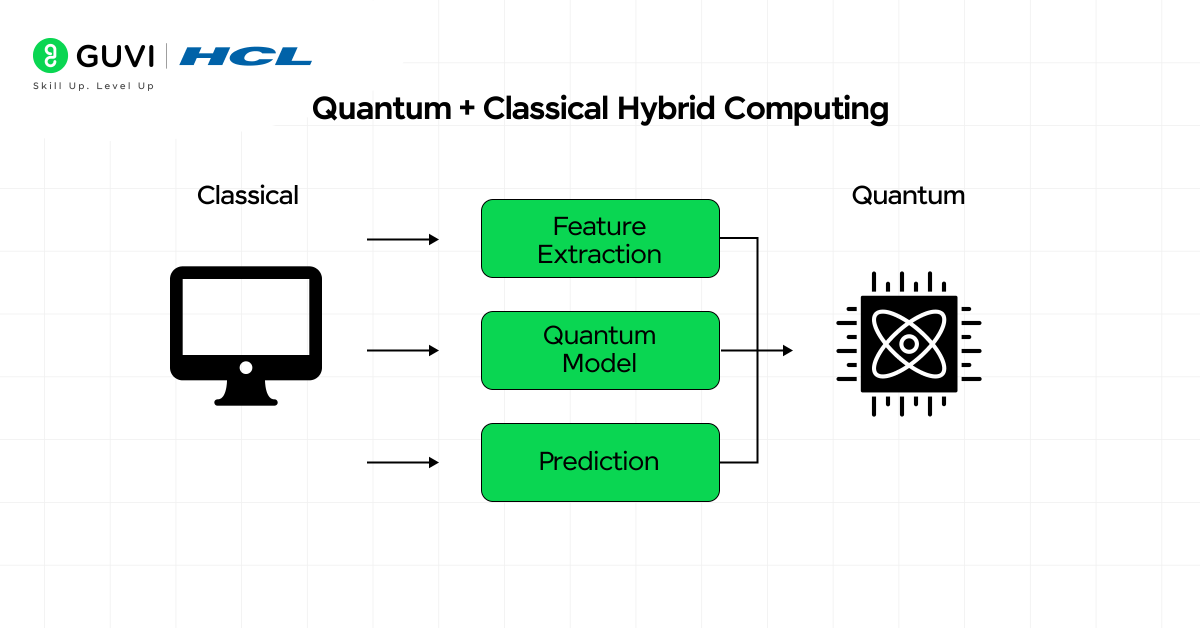
Hybrid systems represent quantum speeds and classical reliability. Quantum processors solve complex simulations, whereas classical systems can do orchestration.
- Quantum simulation
- Hybrid algorithms
- API-based quantum access
The Payoff
Industries such as biotech, logistics, and finance experience breakthroughs in optimization and research.
- Faster drug discovery
- Better risk analysis
- Effective supply chain planning
The Opportunity
Quantum-sophisticated developers will be hard to come by – and hot.
- Skills: Linear algebra, Qiskit, and hybrid modelling.
- Roles: Quantum Developer, QC Research Analyst.
11. Edge AI & TinyML
The Shift
Models do not have to be connected to cloud servers to run. AI is made more rapid, confidential, and can be stored offline.
- Micro-model optimization
- On-device computing
- Low-power inference
The Payoff
Smart cameras, wearables, and cars can make immediate decisions without the internet.
- Ultra-low latency
- Improved privacy
- Lower bandwidth cost
The Opportunity
The embedded intelligence is becoming highly valuable.
- Skills: sensor fusion, model compression
- Roles: Edge AI Engineer, IoT ML Specialist
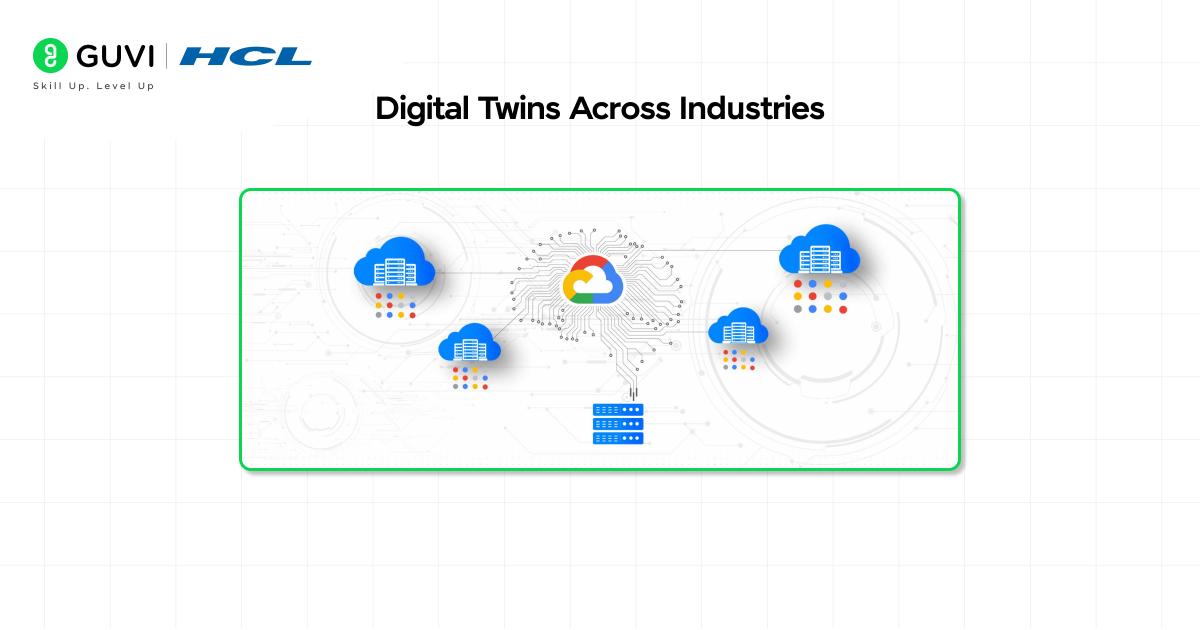
12. Digital Twins Across Industries
The Shift
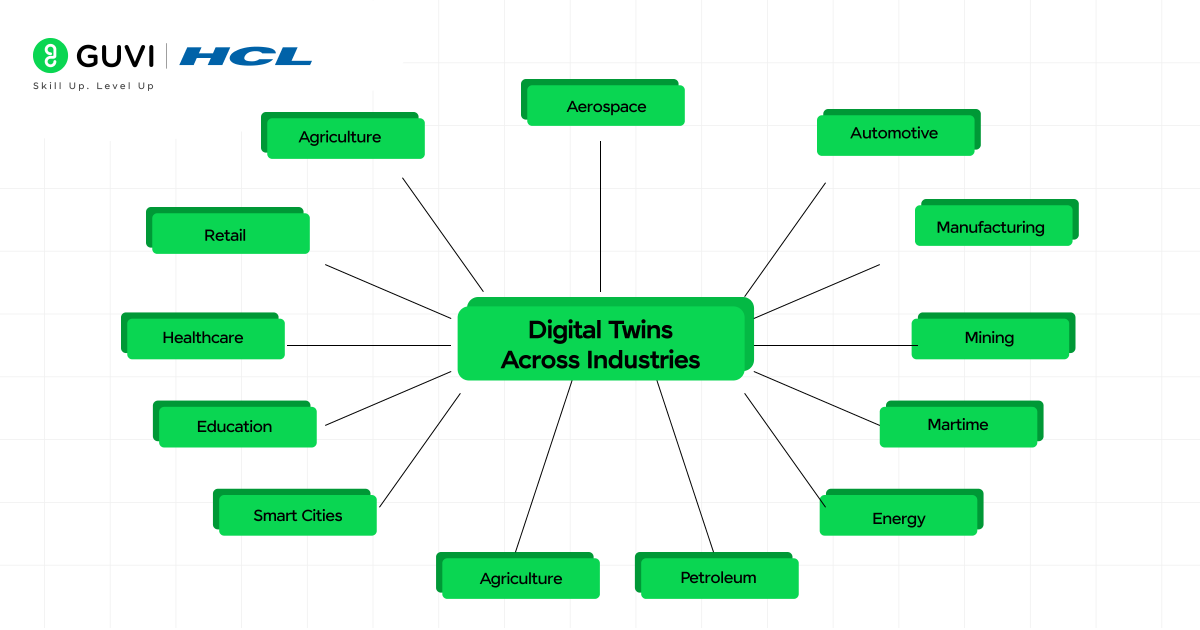
Digital twins establish virtual shadows of machines, buildings or even cities. They make use of real-time sensor data to reflect the real-time conditions.
- Sensor-driven models
- Predictive simulations
- Real-time monitoring
The Payoff
Scenario tests and bugging are conducted by teams to fix problems that exist in the real world.
- Lower maintenance cost
- Better planning
- Continuous optimization
The Opportunity
The design of digital twins is going to be an essential engineering proficiency.
- Roles: Twin Architect, IoT Modeller
13. AI-Driven Cybersecurity
The Shift
AI is used by security systems to analyze network behavior, identify anomalies, and respond in the form of automation.
- Automated threat hunting
- Pattern recognition
- Attack prediction
The Payoff
Lower chances of breaches and quicker response time.
- Fewer false alarms
- Faster remediation
- Stronger digital safety
The Opportunity
The profession of cybersecurity experts is going to be dominated by AI-equipped experts.
- Roles: AI Security Analyst, Threat Modelling Expert
14. Collaborative Robotics (Cobots)
The Shift
Cobots are safe to work with humans, and the robots do repetitive jobs, and the planning and quality control are left to humans.
- Vision-based navigation
- Safe movement algorithms
- Easy programming
The Payoff
Increased manufacturing, healthcare, and warehousing productivity and accuracy.
- Faster assembly lines
- Reduced errors
- Improved safety
The Opportunity
The knowledge of robotics will have access to all industries.
- Skills: Cobot programming, ROS
- Roles: Automation Designer, Robotics Engineer
15. Digital Payments & Web3 Evolution
The Shift
The payments are instantly payable, traceable, and interoperable. Web3 brings on board decentralized identity, digital ownership, and tokenized assets.
- Smart contracts
- Decentralized ID
- Asset tokenization
The Payoff
Better transactions, new financial constructs, and more open ecosystems.
- Reduced fraud
- Low-cost transfers
- Cross-border accessibility
The Opportunity
Individuals who know about blockchain and finance will be distinguished.
- Roles: Smart Contract developer, Web3 Analyst
16. Multi-Cloud Adoption
The Shift
To prevent lock-in, companies spread workloads between AWS, Azure, Google Cloud, and private systems.
- Cloud load balancing
- Distributed computing
- Failover design
The Payoff
Greater reliability, less costly, and scalable.
- Better uptime
- Cost optimization
- Global reach
The Opportunity
The talent of cloud professionals working with multi-clouds will be at the highest level.
- Skills: Kubernetes, Terraform
- Roles: Multi-Cloud Architect
17. The Intelligent Process Automation (IPA)
The Shift
RPA develops along with AI to become a method of automated use of decisions rather than clicks.
- NLP-based workflows
- Intelligent triggers
- End-to-end orchestration
The Payoff
Streamlined operations across HR, financial, and support operations.
- Higher efficiency
- Error-free execution
- Reduced manual labor
The Opportunity
Process designers with AI experience will lead digital transformation.
18. Ethical Personalization
The Shift
Now, personalization is the mixture of user data and ethical concerns, and clear algorithms.
- Consent-based data use
- Explainable recommendations
- Privacy-first design
The Payoff
Brands win the confidence as they enhance user satisfaction and conversions.
- Better engagement
- Higher loyalty
- Fewer privacy risks
The Opportunity
The future will be conquered by product managers who are ethical and personalize their products.
19. Human Skills + AI Literacy
The Shift
AI knowledge is coupled with soft skills (communication, collaboration, decision-making) that are needed by tech teams.
- AI literacy
- Cross-team collaboration
- Ethical awareness
The Payoff
Better systems are made by teams that realize the limitations of AI.
- Better teamwork
- Higher innovation
- Responsible development
The Opportunity
The art of translation into skills becomes a Jedi: the person who can communicate the principles of AI understandably will become the team leader.
20. AI Observability & Production Readiness
The Shift
Implemented AI systems should be monitored, detected in drift, versioned, and have audit trails. The quality of the models is as crucial as the model accuracy.
- Drift tracking
- Explainability metrics
- Auto-rollback systems
The Payoff
Reduced risk, reduced collapses, and enhanced AI deployment.
- Fewer outages
- Strong compliance
- Higher model trust
The Opportunity
The professionals of AI-powered companies will need ML-Ops professionals.
If you want to build the skills needed for the future of IT such as AI engineering, automation, and full-stack development, HCL GUVI’s AI Software Development course co-designed by IITM Pravartak & MongoDB is the perfect place to start. Learn from industry mentors, build real projects, and become job-ready with hands-on training.
Wrapping it up
The Latest IT Industry Trends suggest that the year 2026 will be transformative for AI, automation, sustainability, and immersive computing. As a professional who takes action sooner rather than later, you’ll have a competitive advantage in the job market. Whether you’re just starting in your career or you’re an experienced engineer, now is the time to seek new opportunities and build skills for the future.
FAQs
1. What are the top IT industry trends in 2026?
The latest trends include Agentic AI, AI governance, Generative AI 2.0, Edge computing, quantum-classical hybrid systems, and Spatial computing.
2. Why should professionals study these trends?
These trends define how organizations function. By studying the trends, you will be more competitive, capable of climbing the career ladder, and be able to use modern tools.
3. What technological trend will have the most impact on jobs?
Agentic AI, Generative AI 2.0, and automation will impact the workforce significantly by replacing repetitive tasks and creating roles that focus on AI.
4. What skills should I study to be future-ready?
Study AI literacy, prompt engineering, cloud computing, data engineering, cybersecurity, and low-code automation.
Success Stories

About the Author
Vishalini Devarajan
An Aerospace Engineer turned content writer, I focus on making complex concepts easy to understand through well-structured, reader-friendly blogs. Whether it’s a technical topic or a non-technical one, I love creating content that is clear, engaging, and impactful.
View all posts by Vishalini Devarajan
Connect with me @














Did you enjoy this article?