


Artificial Intelligence and Machine Learning Articles
AI/ML Skills Gap 2026: Why Companies Can't Find Job-Ready Talent
20 AI/ML Interview Questions Recruiters Can Use Without a Tech Background - Best Guide
How Industry-Backed AI/ML Bootcamps Are Changing the AI/ML Hiring Pipeline - Best Guide 2026
From IT Support to AI Engineer: A Realistic Career Switch Guide 2026


Get In Touch For Details! Request More Information

Guide to Claude’s Trial Protocol Generation Skill
Jul 15, 2026 6 Min Read 957 Views
(Last Updated)
Creating clinical trial protocols from the ground up requires several days of rigorous work, especially for Phase 2 and Phase 3 trials. This process involves developing a scientific rationale, defining eligibility criteria, establishing endpoints, and determining statistical methods. Additionally, it requires understanding regulatory pathways and referencing the FDA and NIH guidelines.
Anthropic launched a sample skill in January 2026 under Claude for Healthcare and Life Sciences to tackle this. The skill generates drafts with endpoint recommendations, regulatory paths, competitive landscapes, and FDA guidelines via a guided Claude workflow.
It compresses regulatory research, landscape reviews, sample sizes, and formatting from key inputs like indication and endpoints. Outputs structured Phase II drafts, slashing timelines dramatically for faster development.
In this article, we will walk through exactly what the Clinical Trial Protocol Draft Generation skill is, how its four-step workflow operates, who it is designed for, and how to install and access it in both Claude. ai and Claude Code, what to include in your prompts, and what limitations to keep in mind before using it in a regulated workflow.
Quick TL;DR:
• What it is – A sample Claude skill that automates Phase 2/3 clinical trial protocol drafting using FDA and NIH templates, covering regulatory classification, competitive analysis, statistical planning, and document generation.
• Four-step workflow – Regulatory classification research, competitive and precedent analysis, statistical planning (sample size), and full protocol document generation.
• Who it’s for – Regulatory affairs professionals, medical writers, clinical operations leads, and early-stage biotech teams without full regulatory departments.
• Installation – Upload the skill ZIP via Claude.ai admin settings (Team/Enterprise) or personal settings; Claude Code users install via /plugin commands.
• Prompt quality matters – Provide product type, indication, phase, endpoints, patient population, and any existing FDA correspondence for the best output.
• Ecosystem fit – Works alongside connectors for ClinicalTrials.gov, PubMed, Benchling, Medidata, and others for end-to-end life sciences workflows.
• Limitations – Treat output as a structured first draft requiring expert regulatory, clinical, statistical, and legal review before any submission use.
Table of contents
- What Is the Clinical Trial Protocol Draft Generation Skill?
- How the Four-Step Workflow Works
- Who Should Use This Skill?
- Target Audience
- 2 . Core Benefits
- Ideal Use Cases
- Important Limitations
- How to Install the Skill in Claude.ai
- How to Access It in Claude Code
- Installation for Claude Code Users
- Invoking the Skill
- Relevance for Organizations
- Key Capabilities
- What to Provide in Your Prompt
- What the Skill Fits Into The Broader Life Sciences Ecosystem
- Final Thoughts
- FAQs
- What exactly does the Clinical Trial Protocol Draft Generation skill automate?
- Who is the ideal user for this Claude skill?
- How do I install it in Claude. ai vs. Claude Code?
- What inputs yield the best protocol drafts?
- Can I use the output directly in regulatory submissions?
What Is the Clinical Trial Protocol Draft Generation Skill?
It is a sample. Claude’s skill that automates the initial drafting of Phase 2 or Phase 3 clinical trial protocols using FDA and NIH templates
The Clinical Trial Protocol Draft Generation demo skill digests initial documentation about a new medical device or investigational drug and follows regulatory guidelines to generate an initial Phase 2 or Phase 3 trial protocol draft.
This skill belongs to a category called “Agent Skills,” pre-built, structured capabilities that give Claude domain-specific expertise; it loads and applies when relevant. Skills 1.0, launched in October 2025, gave you a folder with a SKILL.md file.
You wrote instructions, and Claude followed them. The Clinical Trial Protocol skill builds on this foundation, packaging regulatory knowledge, external tool access, and structured workflow logic into a ready-to-use capability that regulatory professionals can deploy without writing code.
The skill is explicitly a sample and starting point, not a finished product. The official guidance from Anthropic is clear: review the README.md file carefully before use, and customize the skill to fit your organization’s specific workflows, templates, and datasets before deploying it in production.
This distinction matters especially in a regulated industry where every document has a chain of review and accountability.
How the Four-Step Workflow Works
The skill executes a structured four-step process that mirrors what a regulatory affairs professional would do manually, but does it in a fraction of the time.
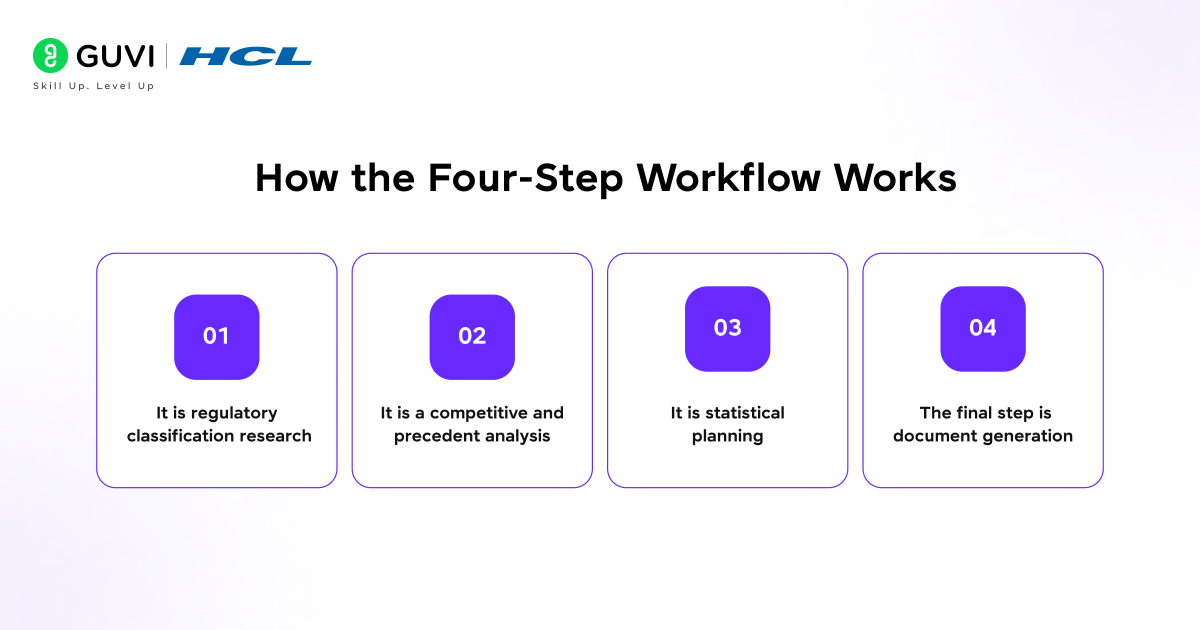
Step 1: It is regulatory classification research.
The skill searches for relevant FDA guidances to determine classification and regulatory pathway. Rather than manually hunting through the FDA website for applicable guidance documents.
The skill queries relevant FDA databases and identifies the regulatory pathway IND for investigational new drugs, or IVD for in vitro diagnostics, based on the product documentation you provide. This classification determines which rules, templates, and requirements govern everything that follows.
Step 2: It is a competitive and precedent analysis.
The skill reviews OpenFDA and ClinicalTrials.gov for predicate devices and similar trials. This is the competitive landscape layer, understanding what has already been done in this therapeutic area, what endpoints similar trials have used, and what regulatory precedents exist for comparable products. This information directly informs the protocol design and strengthens the regulatory rationale.
Step 3: It is statistical planning.
The skill uses a statistically significant sample size calculator to determine the treatment arm. Sample size calculation is one of the most technically specialized parts of protocol development and typically requires a biostatistician. The skill handles this step computationally, using the efficacy assumptions and study design parameters to generate a defensible sample size estimate.
Step 4: The final step is document generation.
The skill drafts an initial full protocol following the formal FDA and NIH template for IND and IVD protocols. The output follows the official submission template structure, which means the document is already organized the way regulators expect it, with all the standard sections in place for your team to review, refine, and expand.
Who Should Use This Skill?
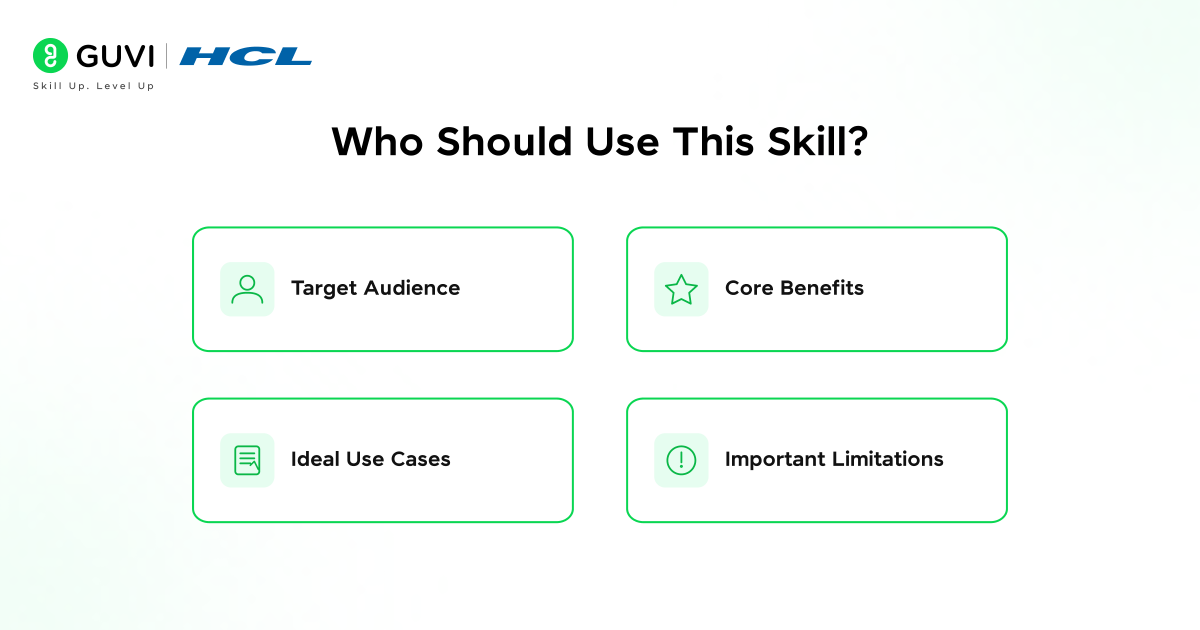
1. Target Audience
Designed for regulatory affairs professionals at pharmaceutical and medical device companies who draft clinical trial protocols and determine regulatory pathways without coding, including managers, clinical operations leads, medical writers, and early-stage biotech research teams lacking full departments.
2 . Core Benefits
Claude expedites laborious medical writing and submissions by identifying missing sections, drafting boilerplate responses, compiling regulatory citations, and providing structured first drafts to react to rather than blank pages.
3. Ideal Use Cases
Particularly useful at new program starts for quick structured drafts, handling repetitive research and formatting to streamline workflows for busy regulatory teams efficiently.
4. Important Limitations
The skill does not replace experienced regulatory affairs expertise but gives professionals a faster starting point, augmenting human skills by managing the most repetitive steps.
How to Install the Skill in Claude.ai
The installation process for this skill differs depending on whether you are an organization administrator or an individual Claude user. Both paths are straightforward.
- For organization owners on Team or Enterprise plans, the process involves downloading the skill ZIP file from the Anthropic life sciences GitHub repository, reviewing the contents and customizing them to fit your organization’s workflows, then navigating to Admin settings, then Capabilities.
- Then, skills in Claude.ai. From there, make sure skills are activated for your organization, click “Organization skills library,” click “+Add,” and upload the skill ZIP file. Once uploaded, the skill becomes available to members of your organization according to the permissions you configure.
- For individual Claude users, the path is similar but goes through personal settings rather than admin settings. From Claude.ai, navigate to Settings, then Capabilities, then Skills. If Skills are not available, contact your team admin. Click “Upload skill” and upload the skill ZIP file.
- Individual users should note that if they are part of an organization, skill access may be governed by what the organization administrator has enabled. If the option does not appear in your settings, the first step is to reach out to whoever manages your organization’s Claude account.
How to Access It in Claude Code
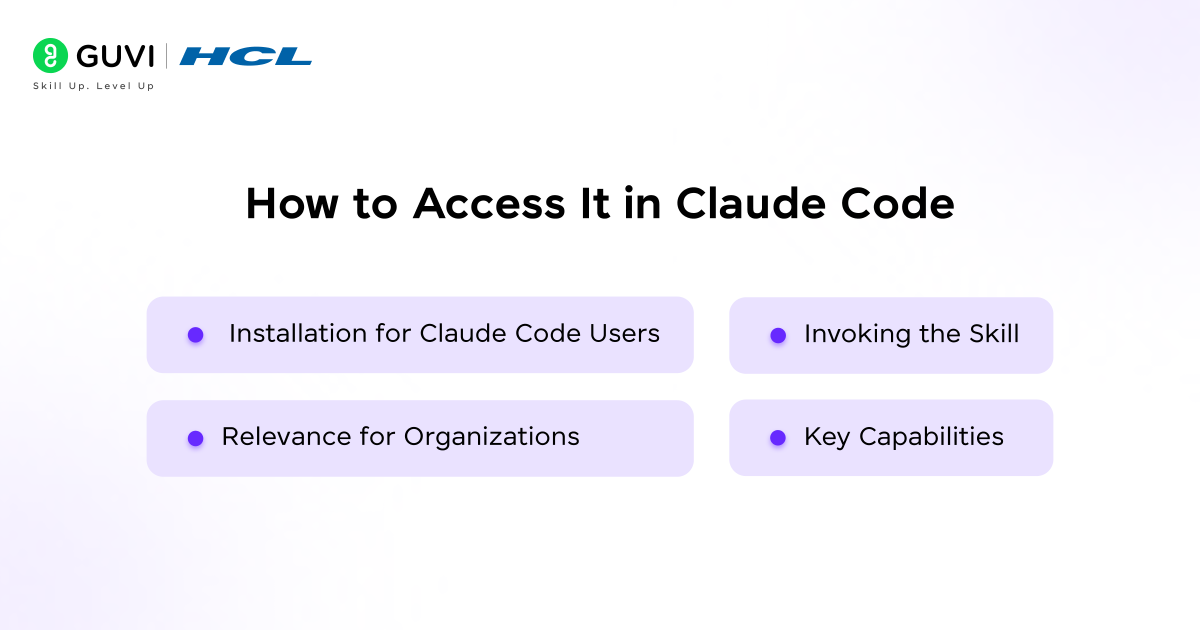
1. Installation for Claude Code Users
Technical users and developers in Claude Code install via the plugin system, not the web interface.
Run /plugin marketplace add anthropics/life-sciences first.
Then run /plugin install clinical-trial-protocol@life-sciences to add the marketplace and install the skill.
2. Invoking the Skill
Once installed, Claude Code invokes the skill in agentic workflows. This integrates protocol drafting into automated pipelines. Example: Pair with ClinicalTrials.gov and Medidata for live trial data feeds.

3. Relevance for Organizations
Ideal for teams building custom life sciences workflows on Claude’s agentic capabilities. Creates end-to-end pipelines for regulatory and clinical operations. Streamlines multiple workflow stages efficiently.
4. Key Capabilities
Claude drafts trial protocols, monitors operations with Medidata data, and prepares submissions.
It identifies document gaps, drafts agency query responses, and navigates FDA guidelines.
Combines into comprehensive regulatory pipelines.
Claude’s Clinical Trial Protocol Draft Generation skill, launched in January 2026, can generate a full Phase II Parkinson’s trial protocol in under one hour — compared to days of manual work. By integrating real-time data from ClinicalTrials.gov, PubMed, and Medidata, this agentic workflow achieves up to 92.3% accuracy in medical calculations while dramatically reducing timelines for biotech teams.
What to Provide in Your Prompt
The quality of the protocol draft that Claude generates depends heavily on what you give it to work with. A thorough input produces a more targeted and useful output, one that reflects the specific characteristics of your product and program rather than a generic template.
Useful information to include in your initial prompt covers:
• The investigational product type, whether it is a drug, biologic, or medical device
• The therapeutic indication
• The proposed phase of study
• Any preclinical data or preliminary efficacy evidence you have
• The primary and secondary endpoints you are targeting
• The patient population and key eligibility considerations
• Any existing FDA correspondence or prior guidance you have received
If your organization has preferred templates, specific statistical assumptions, or internal protocol standards, including those in your prompt or uploading them as supporting documents, will help the skill produce output that is closer to your internal standard. The more specific your input, the more the skill can differentiate your protocol from a generic first draft.
What the Skill Fits Into The Broader Life Sciences Ecosystem
- The Clinical Trial Protocol Draft Generation skill does not operate in isolation. It is part of a larger set of tools that Anthropic has assembled for life sciences, and it is designed to work alongside connectors and other skills that handle adjacent parts of the research and regulatory workflow.
- These join existing life sciences connectors to Benchling, 10x Genomics, PubMed, BioRender, Synapse.org, and Wiley Scholar Gateway.
- The ClinicalTrials.gov connector provides the real-time trial registry data that the skill draws on for the competitive landscape step. The PubMed connector provides access to the biomedical literature that informs endpoint selection and scientific rationale.
- Medidata provides historical enrollment and site performance data for feasibility planning. Together, these tools support the journey from early discovery through to regulatory submission, with the protocol skill sitting at the handoff between preclinical work and clinical operations.
- Until recently, scientists typically used Claude for individual tasks, like writing code for statistical analysis or summarizing papers. Now, the goal is to make Claude capable of supporting the entire process, from early discovery through to translation and commercialization.
- The protocol skill is one of the most concrete expressions of that ambition, taking a task that previously required multiple specialists working in sequence and compressing it into a single conversational workflow.
Important Limitations and How to Use the Output Responsibly
- Claude Opus 4.5 achieves 92.3% accuracy on medical calculations and 61.3% on complex agentic medical tasks. In medication dosing or risk scoring, the acceptable error rate with validated calculators is effectively zero.
- The 61.3% figure on complex tasks and a 38.7% failure rate on multi-step scenarios suggest a capable drafting assistant that requires review, not an autonomous agent. These figures are worth keeping in mind when deciding how to incorporate the skill into your regulatory workflow.
- The protocol draft that Claude generates should be treated as a structured first draft that requires expert review at every level, regulatory, clinical, statistical, and legal, before it forms any part of a submission or an ethics board application. Regulatory and validation requirements mean that producing “compliant” outputs is non-trivial.
- While Claude can format documents to meet guidelines, regulators will require evidence of version control, reproducibility, and human oversight. The skill accelerates the drafting process; it does not replace the human accountability that regulatory submissions require.
Ready to harness Claude’s clinical trial protocol draft skill for faster regulatory workflows? Dive into HCL GUVI’s IIT Pravartak AI and ML Course at HCL GUVI. Build AI-powered life sciences agents, automate protocol drafting pipelines, and master agentic tools for clinical research step by step.
Final Thoughts
The Clinical Trial Protocol Draft Generation skill represents a meaningful step toward making the early stages of clinical development faster and more accessible, especially for teams with strong scientific programs but limited resources for regulatory writing.
It handles the most time-intensive research steps, applies the right regulatory templates, and produces a structured document that your team can build from rather than start from scratch. This could slash development timelines significantly. A demo showed Claude drafting a hypothetical Parkinson’s trial protocol in about an hour, instead of the days it would typically take.
Download the skill from the Anthropic Life Sciences GitHub repository, spend time reviewing and customizing the README and SKILL.md files to reflect your organization’s standards, and run a test with a well-documented program before using it in a live regulatory context. The starting point it gives you is genuinely strong; what you build on top of it is where your expertise comes in.
FAQs
1. What exactly does the Clinical Trial Protocol Draft Generation skill automate?
It handles Phase 2/3 protocol drafting using FDA/NIH templates, covering regulatory classification, competitive analysis via ClinicalTrials.gov, statistical sample size calculations, and full document generation from basic inputs like indication and endpoints.
2. Who is the ideal user for this Claude skill?
Regulatory affairs managers, medical writers, clinical operations leads, and early-stage biotech teams are drafting protocols without deep coding skills or full regulatory departments.
3. How do I install it in Claude. ai vs. Claude Code?
Claude.ai: Download the ZIP from Anthropic’s GitHub and upload it via Settings > Capabilities > Skills (admin for teams). Claude Code: Run /plugin marketplace add anthropics/life-sciences and then /plugin install clinical-trial-protocol@life-sciences.
4. What inputs yield the best protocol drafts?
Provide product type (drug/device), therapeutic indication, study phase, endpoints, patient population, preclinical data, and any FDA correspondence for tailored, high-quality outputs.
5. Can I use the output directly in regulatory submissions?
Do not treat it as a first draft requiring expert review (regulatory, clinical, statistical, and legal) for compliance, versioning, and accountability before ethics boards or FDA use.
Success Stories

About the Author
Vishalini Devarajan
An Aerospace Engineer turned content writer, I focus on making complex concepts easy to understand through well-structured, reader-friendly blogs. Whether it’s a technical topic or a non-technical one, I love creating content that is clear, engaging, and impactful.
View all posts by Vishalini Devarajan
Connect with me @













Did you enjoy this article?