


What is ORM and Why Hibernate
What is ORM and Why Hibernate
What is Hibernate
Hibernate ORM, commonly called Hibernate, is an open-source ORM framework for Java. Gavin King created it and first released it in 2001. It is now maintained by Red Hat.
Hibernate maps Java classes to database tables and generates the SQL needed to save, load, update, and delete data. Developers work with objects, and Hibernate handles the database communication underneath.
Hibernate also implements Jakarta Persistence, the standard Java specification for ORM.
This handbook is based on Hibernate ORM 7.4, which is the current stable series at the time of writing.
The Problem Hibernate Solves
Java applications store data in objects, while most business data lives in relational databases as rows and tables. These two models are built differently, and moving data between them by hand takes a lot of code.
With plain JDBC, a developer opens a connection, writes SQL as strings, sets each parameter, reads each column from a result set, and copies the values into an object.
You have to repeat this for every operation on every table. The code is long, easy to get wrong, and hard to maintain when the schema changes.
What is ORM
ORM stands for Object-Relational Mapping. It connects an application's object model to a relational database's tables.
A Java class maps to a table. An object of that class maps to a row. The class fields map to the columns. The ORM tool reads these mappings and handles the conversion between objects and rows.
This need arises from differences between the two models, often called the object-relational impedance mismatch.
Area | Object model | Relational model |
| Structure | Classes with fields and methods | Tables with columns |
| Inheritance | Supported directly | Not supported |
| Identity | Compared with == and equals() | Compared by primary key |
| Relationships | References between objects | Foreign keys between tables |
| Navigation | Follow references from one object to another | Join tables in a query |
Why Use Hibernate
Hibernate reduces the amount of database code a developer must write and provides several built-in capabilities.
- Less boilerplate. No manual result set handling or object copying.
- Database independence. Hibernate uses a dialect for each database, so the same code can run on MySQL, PostgreSQL, Oracle, and others with little change.
- Automatic change tracking. Hibernate detects which fields of a loaded object changed and updates only those.
- Relationship handling. Hibernate maps and loads one-to-one, one-to-many, and many-to-many associations through object references.
- Lazy loading. Related data can be fetched only when you access it.
- Caching. Built-in caching reduces repeated database calls.
- Query support. HQL, the Criteria API, and native SQL are all available.
Hibernate Tutorial
Abhishek Pati
Recommended Handbooks

C++ Handbook

Python Basics Handbook

Javascript Handbook
Building a Random Joke Generator Using ReactJS
Build a Character Counter in React JS
Build Your QR Code Generator using React JS

Build a Birthday Reminder App using React JS

Building BMI Calculator Using ReactJS
Building Random Password Generator using ReactJS
Temperature Converter Project in React
Building a To-Do List App Using ReactJS
Building a Weather App Project Using ReactJS
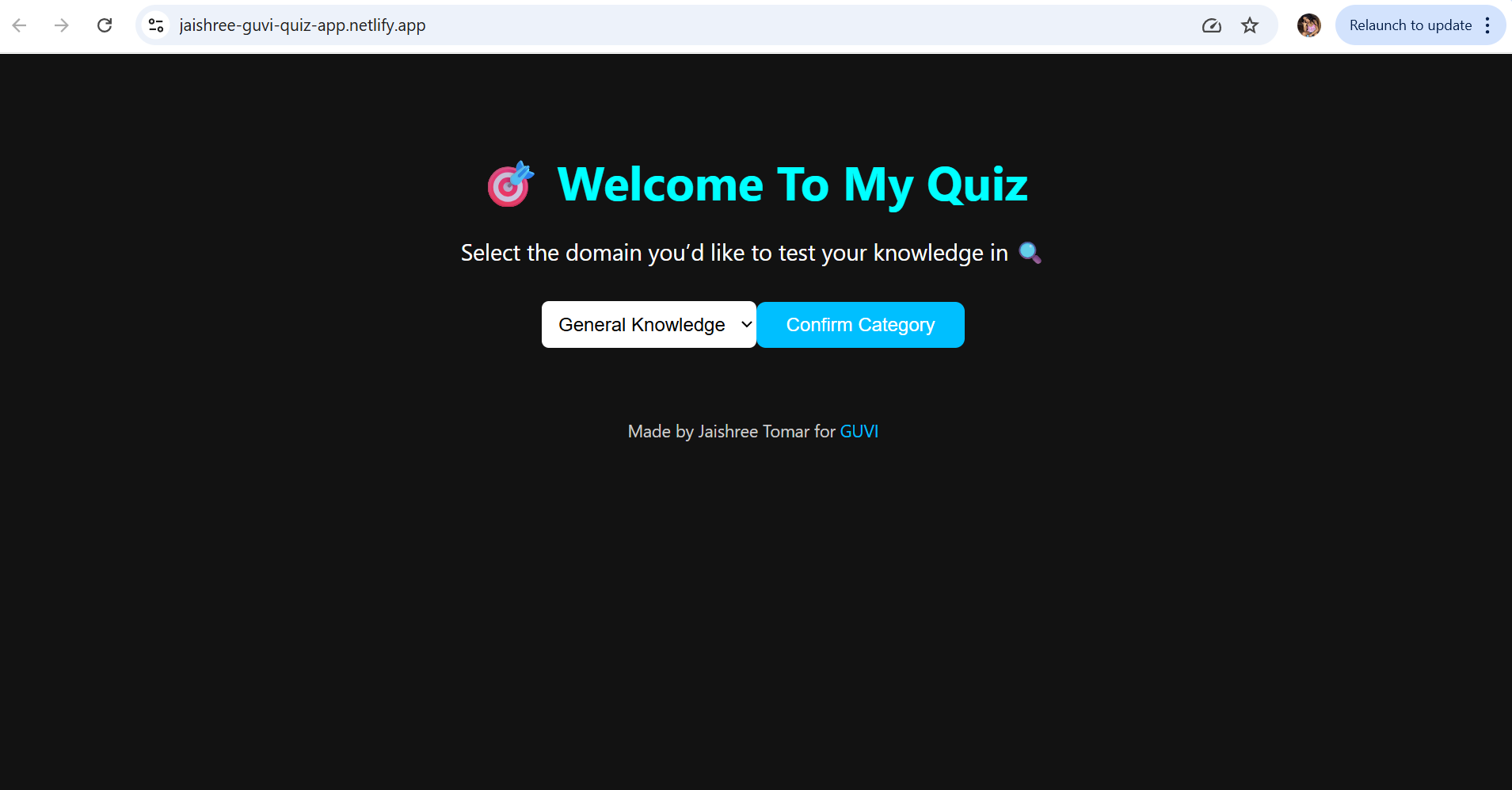
Building a Quiz App in ReactJS
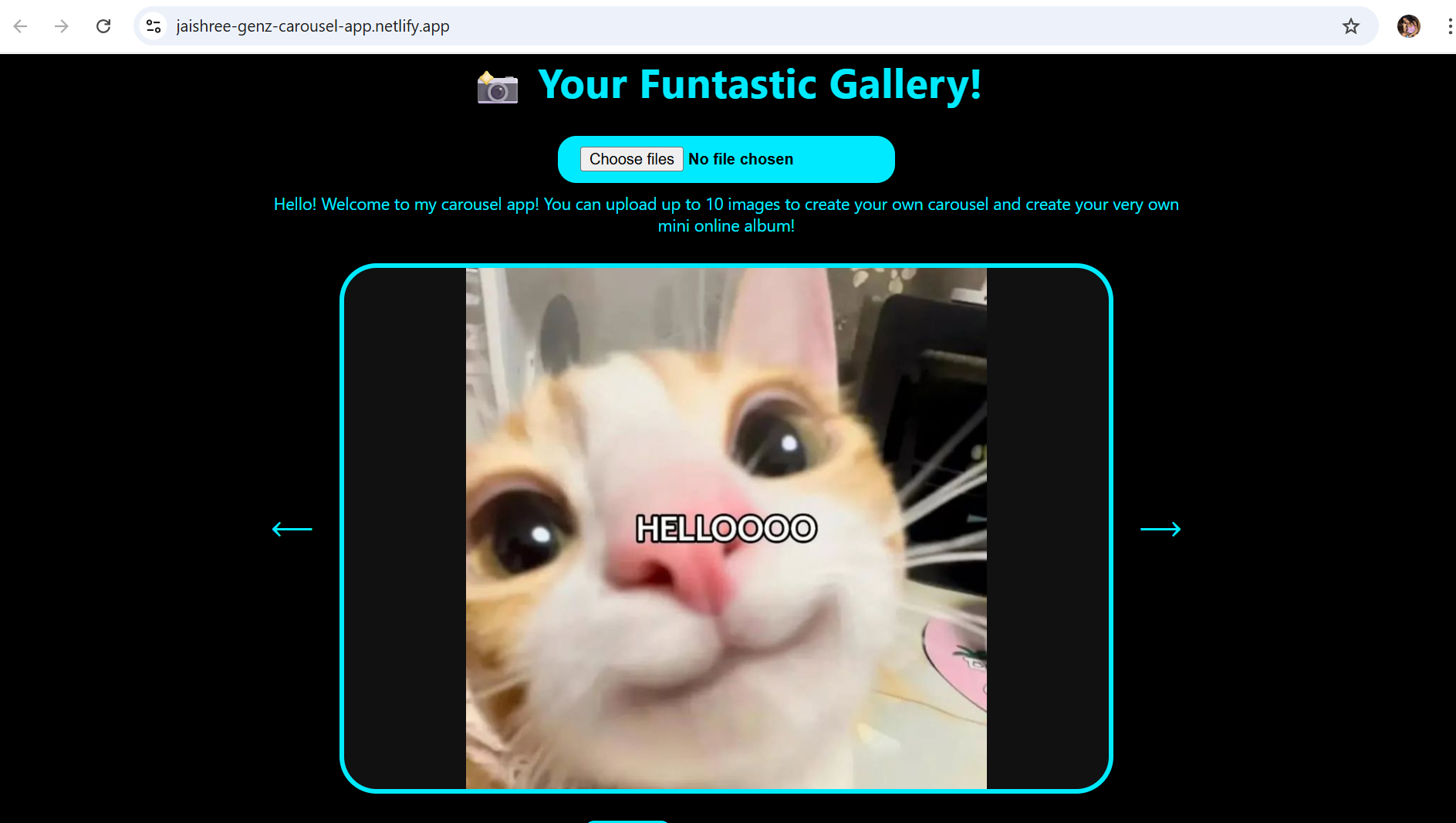
Building a GenZ Carousel App in React
ReactJS Projects Handbook
Computer Networks Tutorial
Operating System Tutorial
DBMS and SQL Tutorial
Java Tutorial

C Language Tutorial

PHP Tutorial

Android Tutorial

Linux Guide Tutorial
Data Structures and Algorithms Tutorial

Computer Architecture
HTML 5 References Tutorial

Docker Tutorial
GIT (Using Github) Tutorial

Go Language Tutorial

GIT Guide

CSS Tutorial
Advanced Data Structures

Spring Framework Tutorial

Spring Boot Tutorial

Kotlin Tutorial

Apache Cordova Tutorial
Python Tutorial

SASS-SCSS Tutorial

MongoDB Tutorial

Numpy Tutorial
PL-SQL Tutorial
Python Built-in Functions Tutorial

Pandas Tutorial

Elasticsearch Tutorial

Matplotlib Tutorial

Web Scraping Tutorial

Networking with Python

Tkinter Tutorial
Java Programs Tutorial
Java Examples Tutorial

Servlet Tutorial
JSP Tutorial
Java Type Conversion Tutorial
Java 8 Tutorial
Java 9 Tutorial
Java 10 Tutorial
Java 11 Tutorial
Java Util Library Tutorial
Building a Contact Us Form in ReactJS
Building a Age Calculator App Using ReactJS
Movie Recommendation System Project Using Content-Based Filtering
Recipe Finder App using ReactJS
Sales Data Analysis Project for Beginners Using Data Science
Student Performance Analysis Project for Beginners Using Data Science

Word Counter Tool Using ReactJS
Customer Churn Prediction Project Using Classification Techniques

Basic Expense Tracker App using ReactJS

Simple Binary to Decimal Converter in React

Real-Time Unit Converter in React
House Price Prediction Using Machine Learning (XGBoost)
Weather Data Analysis and Visualization Using Python
Expandable Accordion Component using React

OTP Verification Component using React
Cricket Data Analysis Using Python
Credit Card Fraud Detection for Beginners using Data Science
Deep learning Tutorial

Software Development Life Cycle Tutorial
Stock Price Prediction for Beginners using Data Science
Apache Kafka Tutorial
Angular Tutorial

Django Tutorial
Computer Programming Tutorial
Tensorflow Tutorial
Java OOPs Concepts Tutorial
Building an Image Classification System Using CNN
News Recommendation System Using Machine Learning
Fake Review Detection System using Machine Learning

Product Feedback App Using Full Stack Development - Customer Review and Rating System

Job Portal with Applicant Tracking System Using Full Stack Development

(FalCon Store) A Modern React-Based E-Commerce App UI with Admin Dashboard
Student Management System using Python (Beginner-Friendly Project Guide)
HTML Tutorial - From Basics to Implementation
Machine Learning Tutorial
ReactJS Tutorial

Data Analysis with Python Handbook
Probability and Statistics for Data Science

Artificial Intelligence Tutorial
Power BI Tutorial
R for Data Science
SQL for Data Science