


Digital Marketing Articles
8 Best Career Change Options for Content Writers
CPM in Digital Marketing: Calculation, Costs & Strategies in 2025

Get In Touch For Details! Request More Information

My Digital Marketing Interview Experience: What They Don’t Tell You [2026]
Mar 09, 2026 5 Min Read 48 Views
(Last Updated)
Your digital marketing interview experience will likely differ from what you read in generic preparation guides. Most candidates walk in expecting standard questions about SEO and social media, only to face scenario-based problems, budget management queries, and culture fit questions that test more than technical knowledge.
Notably, your portfolio often weighs heavier than your resume, and creating your own website or campaign examples can make a significant difference when you lack client work to showcase.
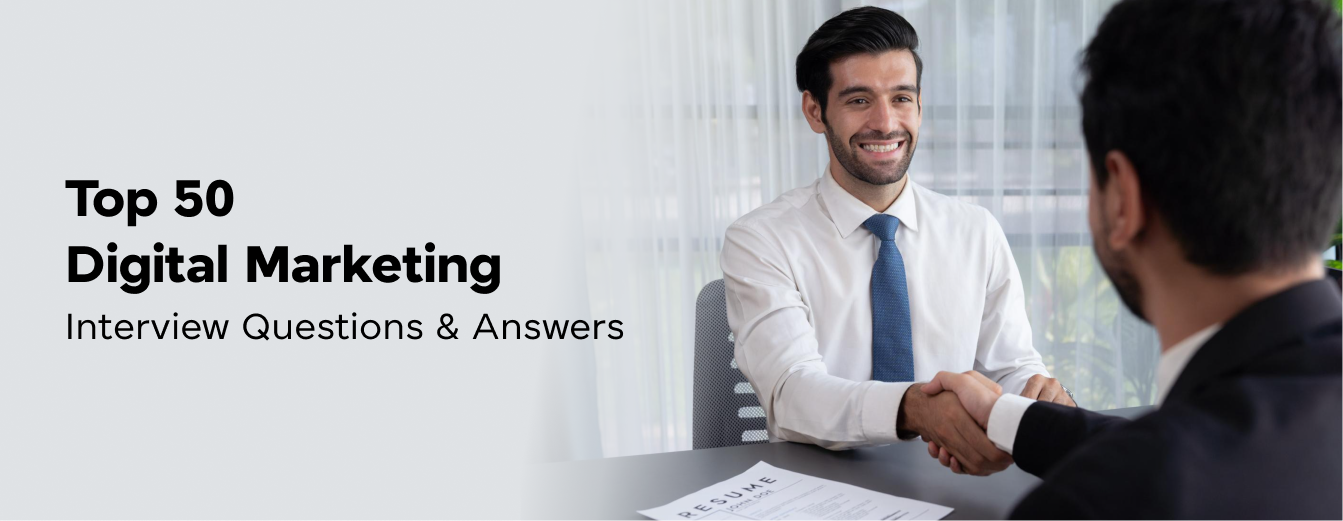
This article walks you through a real digital marketing interview experience, covering what happens before, during, and after the process. You’ll learn about the actual questions asked, the multiple interview rounds you should expect, assessment tasks that come between interviews, and the red flags and green flags to watch for throughout your digital marketing interview journey. Let’s begin!
Quick Answer:
Your digital marketing interview success depends more on your portfolio and problem-solving ability than memorized technical answers.
Table of contents
- Part 1) Before The Interview: What I Wish I Knew
- 1) Research Goes Beyond The Company Website
- 2) Your Portfolio Matters More Than Your Resume
- 3) Practice Answers Aren't Enough
- 4) The Technical Setup Can Make Or Break You
- Part 2) The Digital Marketing Interview Process: Behind the Scenes
- 1) First screening call reality
- 2) Multiple rounds Are The Norm
- 3) Assessment Tasks Between Interviews
- 4) Meeting The Team Dynamics
- 5) Timeline Expectations vs Reality
- Part 3) Questions They Actually Asked Me
- 1) Technical Skill Questions I Faced
- 2) Scenario-Based Problem Solving
- 3) Budget And Campaign Management Queries
- 4) Culture Fit Questions That Caught Me Off Guard
- Part 4) Red Flags and Green Flags I Noticed
- 1) Warning Signs During The Interview
- 2) Positive Indicators Of Good Company Culture
- 3) How Interviewers Treated My Questions
- 4) Communication Patterns That Mattered
- Concluding Thoughts…
- FAQs
- Q1. What's the most important thing to prepare for a digital marketing interview besides technical knowledge?
- Q2. How long does the typical digital marketing interview process take?
- Q3. What types of questions should I expect beyond basic digital marketing definitions?
- Q4. What are red flags to watch for during a digital marketing interview?
- Q5. How should I prepare my technical setup for a video interview?
Part 1) Before The Interview: What I Wish I Knew
1) Research Goes Beyond The Company Website
Most candidates check the mission statement and call it done. In reality, that surface-level research reveals nothing about what working there feels like. You need to dig into Glassdoor for employee reviews and interview experiences, scan LinkedIn to understand the team structure and find common connections, and review their social media channels to see how they engage with audiences. Google Finance shows whether their stock trends upward or downward, while CrunchBase reveals funding rounds and recent acquisitions.
Research the person interviewing you. Check their LinkedIn background, previous companies, and even shared interests. Finding common ground makes the conversation flow naturally and shows you care enough to prepare thoroughly.
2) Your Portfolio Matters More Than Your Resume
- Your resume got you the digital marketing interview, but your portfolio decides whether you move forward. Research shows 78% of marketing hiring managers now expect to see portfolio work during interviews, and 63% won’t proceed with candidates who can’t demonstrate strategic thinking through real examples. Hiring managers spend less than 3 minutes reviewing your portfolio, so your best work must appear first.
- Your homepage functions as a positioning statement. Within 10 seconds, visitors should grasp what you specialize in, who you help, and what results you deliver. Structure case studies around Challenge, Strategy, Execution, Results, and Lessons. Include screenshots of campaign setups, email automation flows, and analytics reports.
- Equally important: add at least one example where things went wrong and how you fixed it. This demonstrates resilience and learning ability during your digital marketing interview.
3) Practice Answers Aren’t Enough
Memorizing definitions won’t prepare you for your digital marketing interview. You need to understand the specific role requirements, explain how you drive revenue rather than vanity metrics, and audit the company’s current strategy before walking in.
The STAR method structures your answers, but employers test for curiosity, problem-solving skills, and how you handle real situations under pressure.
4) The Technical Setup Can Make Or Break You
Video interviews dominate hiring processes now. Test your platform beforehand, ensure your internet bandwidth reaches at least one megabit per second, and position your webcam at eye level with proper lighting from behind your computer.
Keep your phone and the interviewer’s number ready as backup. Log in 15-20 minutes early to verify audio and video function correctly. Technical issues happen, so stay calm and communicate through chat if your connection fails.
Part 2) The Digital Marketing Interview Process: Behind the Scenes
Most digital marketing interviews follow a structured multi-stage process. Each phase tests different aspects of your capabilities, from basic qualifications to team compatibility.
1) First screening call reality
The screening call happens within 3-5 days after you’re shortlisted. Expect a 15-20 minute conversation where recruiters verify your background, salary expectations, and basic requirements like remote versus office arrangements.
This isn’t about trick questions. Hiring managers assess whether your experience aligns with the role and gather first impressions about your communication style.
2) Multiple rounds Are The Norm
Your digital marketing interview experience will include 2-3 rounds for most positions. Each additional round adds 3-5 days to your timeline. Agencies often conduct 4 rounds of team member interviews, each with progressively senior staff.
First-round interviews confirm skills and cultural fit. Second rounds involve team meetings or skills assessments. Final interviews with senior leadership focus on mutual commitment.

3) Assessment Tasks Between Interviews
Tasks test your practical abilities. SEO candidates complete technical audits. Copywriters submit blog samples. Paid advertising roles require data analysis exercises.
These assignments take several hours and separate candidates who truly understand the work from those who memorized answers. Agencies want to see your approach, logic under time pressure, and how you balance creativity with performance metrics.
4) Meeting The Team Dynamics
The final stage gages how you interact with existing staff. Managers value team cohesion, so they assess your integration ability. This meeting feels less formal and more conversational, focusing on collaboration styles and shared values. You’re also evaluating whether the company fits you.
5) Timeline Expectations vs Reality
The average hiring process takes 54 days from opening to offer acceptance. Expect anywhere from 3-6 weeks to several months. Scheduling alone consumes several days between rounds due to calendar coordination.
Part 3) Questions They Actually Asked Me
Interview questions were split into distinct categories during my digital marketing interview experience, each testing different capabilities beyond textbook knowledge.
1) Technical Skill Questions I Faced
Interviewers asked which analytics tools I’ve used and how they improved campaign results. They wanted specifics about Google Analytics, SEMrush, HubSpot, and social media analytics platforms. One question required explaining how I’d use GA4 to track user flow and identify drop-off points.
Another focused on my understanding of SEO versus SEM, clarifying the difference between organic search strategies and paid advertising. They also asked how I approach A/B testing, including hypothesis formation, variable selection, and analyzing statistical significance before scaling results.
2) Scenario-Based Problem Solving
Situational questions presented real challenges. One interviewer described a campaign launch moved up two weeks with the creative team behind schedule. Another asked how I’d respond if campaign performance dropped sharply midway through.
They also presented a scenario where a senior stakeholder insisted on a direction that contradicted my data. These questions tested quick thinking and problem-solving under pressure.
3) Budget And Campaign Management Queries
Budget questions revealed how I’d contribute to revenue. Interviewers asked about my approach to setting and managing campaign budgets while ensuring ROI.
They wanted to know how I’d handle a 50% budget reduction mid-campaign. Questions also covered forecasting budget needs and tracking spending against projections.
4) Culture Fit Questions That Caught Me Off Guard
These questions felt personal. Interviewers asked whether I preferred remote, in-person, or hybrid work environments. They inquired about my ideal frequency for manager meetings and my preferred level of autonomy.
One unexpected question asked how I’d describe my worst management experience and why. Another explored whether I preferred formal annual reviews or regular feedback throughout the year.
To lighten things up, here are a few eye-opening facts about what really happens during a digital marketing interview:
Most Hiring Managers Skim Portfolios in Under 3 Minutes: Recruiters often decide within the first few minutes whether to move you forward. That’s why your strongest campaign results and clearest case studies must appear first.
Scenario Questions Outnumber Definition Questions: While candidates prepare SEO and SEM definitions, many interviewers focus more on real-life situations like budget cuts, performance drops, or stakeholder conflicts to test decision-making skills.
Culture Fit Can Outweigh Technical Skills: Even highly skilled candidates get rejected if they don’t align with team dynamics. Interviewers evaluate communication style, adaptability, and how well you’d collaborate with existing team members.
These insights reveal that cracking a digital marketing interview isn’t just about knowledge—it’s about clarity, strategy, and how you think under pressure.
Part 4) Red Flags and Green Flags I Noticed
1) Warning Signs During The Interview
Disorganized interviews signal operational chaos. When interviewers asked repeated questions or provided conflicting role descriptions, it revealed poor internal communication. Defensiveness stood out when I probed about turnover or work-life balance.
One interviewer became visibly uncomfortable discussing why the position opened. Bad-mouthing previous employees raised concerns about psychological safety and team culture.
2) Positive Indicators Of Good Company Culture
Companies with healthy cultures encouraged my questions and provided specific, thoughtful answers. One interviewer admitted their feedback process needed improvement but outlined steps they were taking.
Meeting potential team members during final rounds showed confidence in employee satisfaction. When interviewers clearly understood the role and hiring process, it demonstrated internal alignment.
3) How Interviewers Treated My Questions
Transparent organizations addressed challenges directly rather than deflecting. In contrast, evasive responses to culture questions indicated problematic areas. One company welcomed my question about management style enthusiastically, while another hemmed and avoided answering. Healthy workplaces view candidate questions as partnership opportunities rather than interrogations.
4) Communication Patterns That Mattered
Response timing revealed priorities. Quick follow-ups after interviews kept me engaged. Equally important, consistent communication across interview stages showed respect for my time. When one company rescheduled twice without explanation, it signaled I wasn’t valued.
Kickstart your digital marketing career with HCL GUVI’s Digital Marketing Course — master SEO, social media, Google Ads, analytics, real-world projects, and get 360° placement guidance to confidently crack interviews and land your dream role.
Concluding Thoughts…
Your digital marketing interview experience will test more than textbook definitions. Above all, your portfolio and practical problem-solving skills determine success, not memorized answers. By all means, expect multiple rounds, assessment tasks, and culture fit questions that reveal whether the company values your growth.
Watch for red flags during interviews, but also recognize green flags that signal healthy work environments. Preparation separates confident candidates from nervous ones, so research thoroughly and showcase real campaign results that demonstrate strategic thinking and adaptability. Good Luck!
FAQs
Q1. What’s the most important thing to prepare for a digital marketing interview besides technical knowledge?
Your portfolio carries more weight than your resume. Hiring managers expect to see real campaign examples that demonstrate strategic thinking and measurable results. Structure your case studies to show the challenge you faced, your strategy, execution steps, results achieved, and lessons learned. Include at least one example where something went wrong and how you fixed it to demonstrate resilience.
Q2. How long does the typical digital marketing interview process take?
The average hiring process takes about 54 days from job opening to offer acceptance, though you should expect anywhere from 3-6 weeks to several months. Most positions involve 2-3 interview rounds, with each additional round adding 3-5 days to your timeline. Assessment tasks between interviews and scheduling coordination contribute to the extended timeline.
Q3. What types of questions should I expect beyond basic digital marketing definitions?
Expect scenario-based questions that test real-world problem-solving, such as handling budget cuts mid-campaign or responding to sudden performance drops. You’ll face technical questions about analytics tools like Google Analytics and SEMrush, budget management queries focused on ROI, and culture fit questions about work preferences and management style. Memorized answers won’t be enough—interviewers want to see how you think under pressure.
Q4. What are red flags to watch for during a digital marketing interview?
Warning signs include disorganized interviews with repeated questions or conflicting role descriptions, defensiveness when you ask about turnover or work-life balance, and bad-mouthing of previous employees. Evasive responses to culture questions and multiple rescheduled interviews without explanation indicate the company may not value your time or have internal communication issues.
Q5. How should I prepare my technical setup for a video interview?
Test your video platform beforehand and ensure your internet bandwidth reaches at least one megabit per second. Position your webcam at eye level with proper lighting from behind your computer. Log in 15-20 minutes early to verify audio and video function correctly, and keep your phone and the interviewer’s number ready as backup in case technical issues arise.
Success Stories

About the Author
Jaishree Tomar
A recent CS Graduate with a quirk for writing and coding, a Data Science and Machine Learning enthusiast trying to pave my own way with tech. I have worked as a freelancer with a UK-based Digital Marketing firm writing various tech blogs, articles, and code snippets. Now, working as a Technical Writer at GUVI writing to my heart’s content!
View all posts by Jaishree Tomar
Connect with me @







Did you enjoy this article?