


Career Articles
My Frontend Developer Interview at Google: What Really Happens Behind Closed Doors
Future of Electric Vehicle Course: Fast-Track Your EV Career
How to Become an EV Engineer in 2026?
Top Highest-Paying EV Careers in 2026: Skills, Salaries & Jobs Hiring Right Now


Get In Touch For Details! Request More Information

Best Websites For Finding Freelance Jobs in 2025
Jan 08, 2026 4 Min Read 2147 Views
(Last Updated)
Nearly 1.57 billion people worldwide freelance, representing roughly 46.6% of the world’s workforce. And this is not a fabricated stat; in fact, this figure actually represents the current job market. But why is there so much craze behind freelance jobs, or is it just an overhyped career path?
To clarify this doubt, let’s have a brief overview of the significance of freelance jobs from both an employer’s and a job seeker’s perspective.
Freelance jobs are an excellent way for companies and organizations to access expert talent without hiring full-time employees, helping them save time and operational costs. From a freelancer’s perspective, this employment model offers flexibility, autonomy, and the opportunity to work on diverse projects.
Now that we have developed an effective background on how impactful freelance jobs are, let’s explore some of the best websites for finding freelance jobs in 2025.
Quick Answer:
The best freelance job websites in 2025 are Upwork, Fiverr, Freelancer.com, PeoplePerHour, FreeUp, Arc.dev, and Twine.net. They cater to different skills, helping beginners find gigs and experts land high-paying projects, while providing secure jobs and global client connections.
Table of contents
- List of Best Websites For Finding Freelance Jobs in 2025
- Upwork
- Fiverr
- Freelancer
- PeoplePerHour
- FreeUp
- Arc.dev
- Twine
- Conclusion
- FAQs
- Which freelance platform is best for beginners?
- How do I avoid scams on freelance platforms?
- Can I work on multiple freelance platforms at the same time?
List of Best Websites For Finding Freelance Jobs in 2025
These are some of the best websites to find freelance jobs, helping freelancers connect with clients, get paid securely, and grow their careers:
1. Upwork
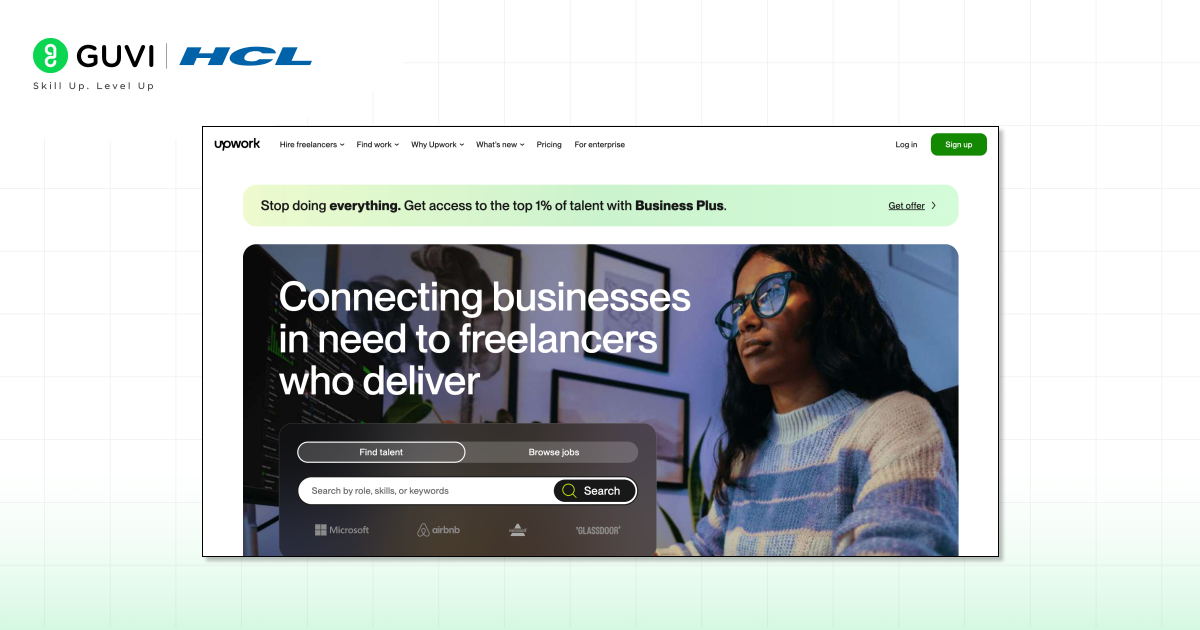
Upwork’s a vast place where freelancers and clients meet up from all over. If you have skills, make a profile, show off what you can do, and bid on projects – or offer your services for the long haul. Upwork handles payments safely, so you get paid once your work is ready.
Plus, they got tools to track time, manage projects, and chat with clients. It’s all about building solid work relationships.
Pros:
- A massive variety of clients and projects, very diverse work.
- Well-supported platform with contracts, mediation, and dispute tools.
Cons:
- High commissions and service fees reduce earnings.
- Some freelancers report payment holds, account suspensions, or poor support.
Perfect for:
- Writers
- Designers
- Developers
- Digital Marketers
- Virtual Assistants
Site Link: Upwork
2. Fiverr
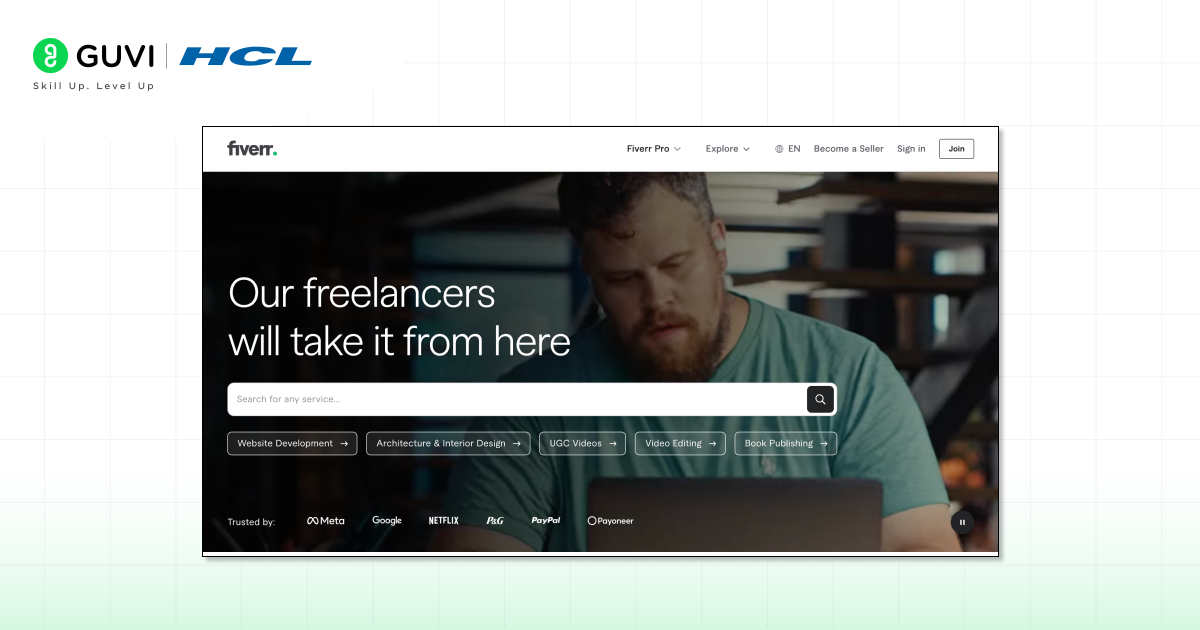
Fiverr is a big online platform where freelancers (they call them sellers) make gigs. Think of gigs as ready-to-go service packages with set prices and delivery times. You build a profile, show off what you can do, and create gigs that folks can just buy.
Once someone orders, you do the work, send it over, and get paid after Fiverr holds the money for a bit. They push for a good job with a system that rewards you for doing well, getting good feedback, and being on time. This helps the people at the top get noticed more.
Pros:
- Very easy to start, with a low barrier to entry; anyone can set up gigs.
- Flexible pricing, you can offer basic gigs or premium packages.
Cons:
- Quality varies a lot; not all sellers are equally skilled.
- Support and dispute resolution can be weak; some say Fiverr favors buyers.
Perfect for:
- Graphic Designers
- Writers
- Video Editors
- Voice-over Artists
- Digital Marketers
Site Link: Fiverr

3. Freelancer
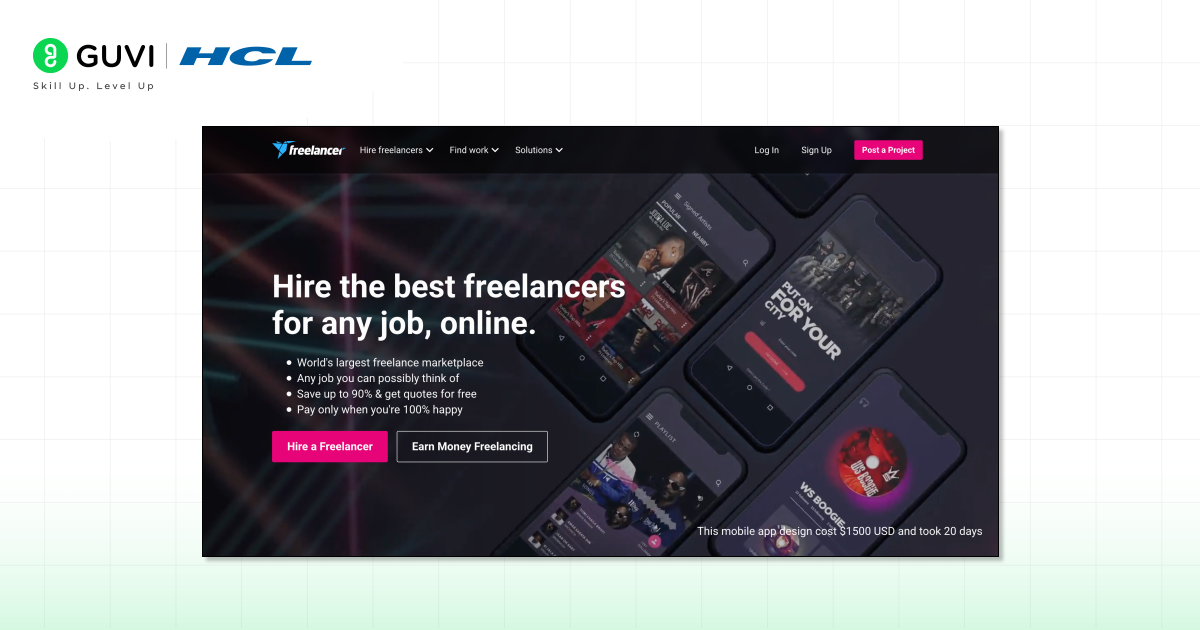
Freelancer.com is a huge freelance platform. It’s based on your bidding. People post projects, and freelancers compete by submitting offers. They also have contests where you can submit entries, and the client picks a winner.
It covers all kinds of stuff like IT, writing, design – you name it. They hold the money safely until the client approves the work. It builds trust and gets you paid.
Pros:
- Milestone payments, client funds are secured before work begins.
- Large global user base and variety of skills.
Cons:
- High competition makes it hard to win bids.
- Platform fees reduce your earnings.
Perfect for:
- Developers
- Designers
- Writers
- Engineers
- Data Scientists
Site Link: Freelancer.com
4. PeoplePerHour
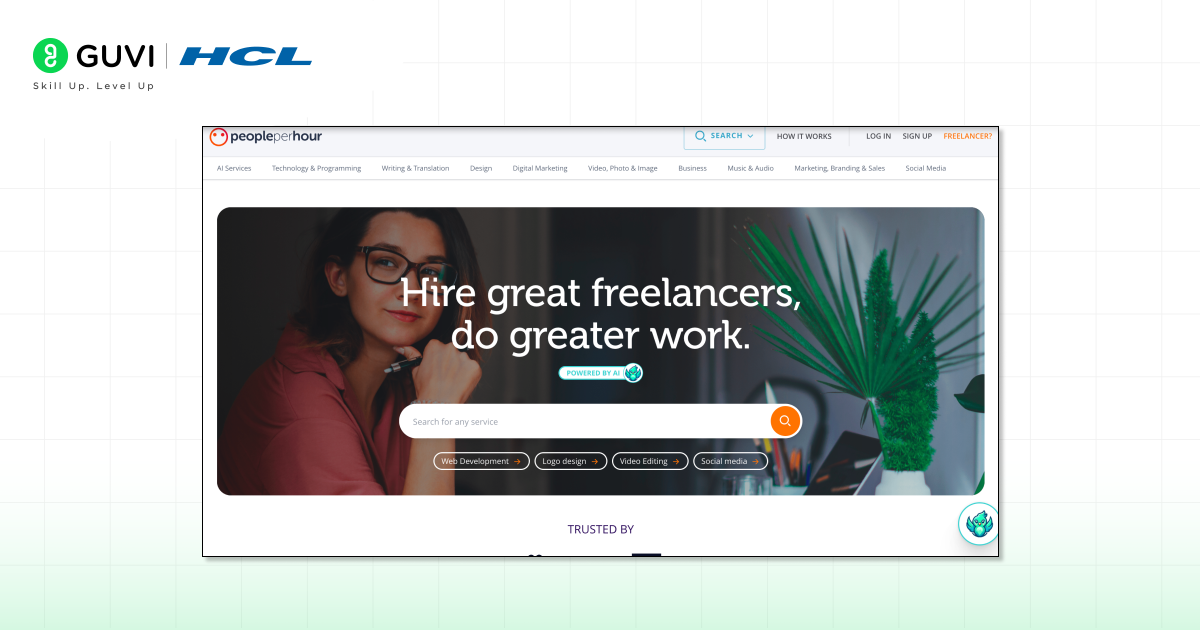
The PeoplePerHour platform works on both short- and long-term projects. You can sell pre-made service deals called hourlies or apply directly to client jobs. It’s cool for those who like working on their own schedule, because it lets you bill by the hour or by the project.
They even have tools that allow you to talk to clients more easily, deliver projects, and ensure you get paid. This helps you grow your career and keep things steady.
Pros:
- Flexible job formats, fixed price packages, and custom projects.
- You can build a portfolio and gain visibility with your profile and reviews.
Cons:
- Very competitive, many freelancers bid for the same jobs.
- Some users report slow dispute resolution and poor customer support.
Perfect for:
- Designers
- Developers
- SEO Specialists
- Copywriters
- Digital Marketers
Site Link: PeoplePerHour
5. FreeUp
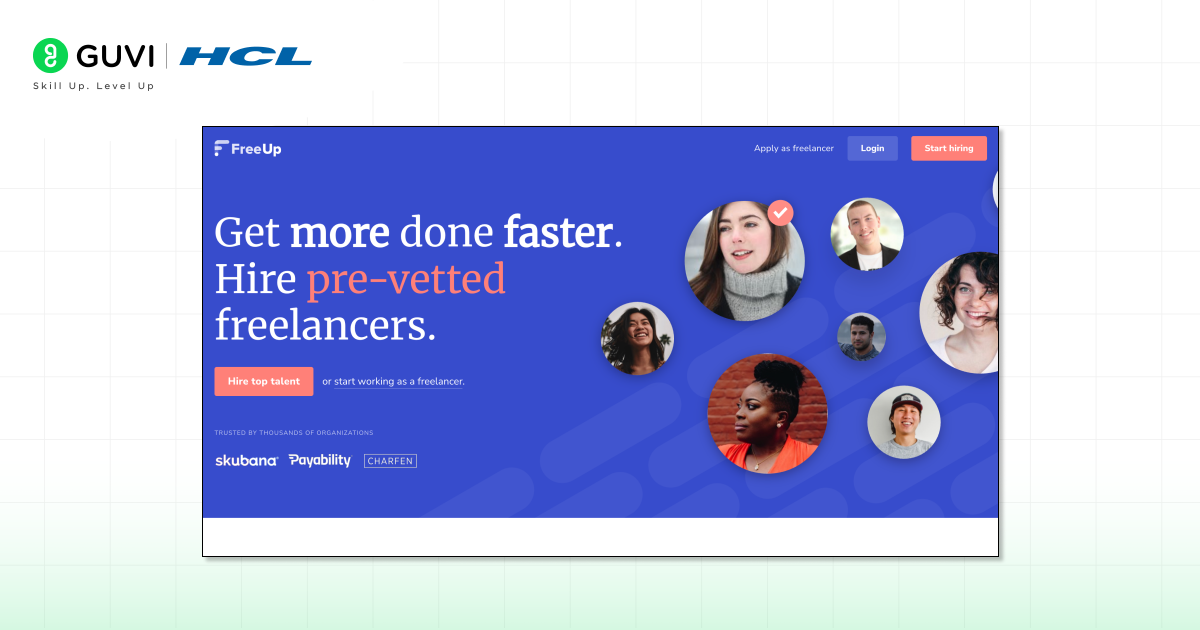
FeeUp is a high-end platform. They only take the top 1% of freelancers. They make you apply, interview, and test your skills before letting you in. They focus on high-end e-commerce and development projects.
You get to set your own prices. It’s great if you want steady, well-paying freelance work without tons of low-skilled people competing.
Pros:
- Quality control, only top freelancers are accepted, so clients are more serious.
- Higher pay potential, because clients are vetted, the jobs tend to pay well.
Cons:
- Limited number of job categories compared to larger platforms.
- Less volume of work, fewer but tougher gigs.
Perfect for:
- E-commerce Specialists
- Digital Marketers
- Developers
- Consultants
- Virtual Assistants
Site Link: FreeUp
6. Arc.dev
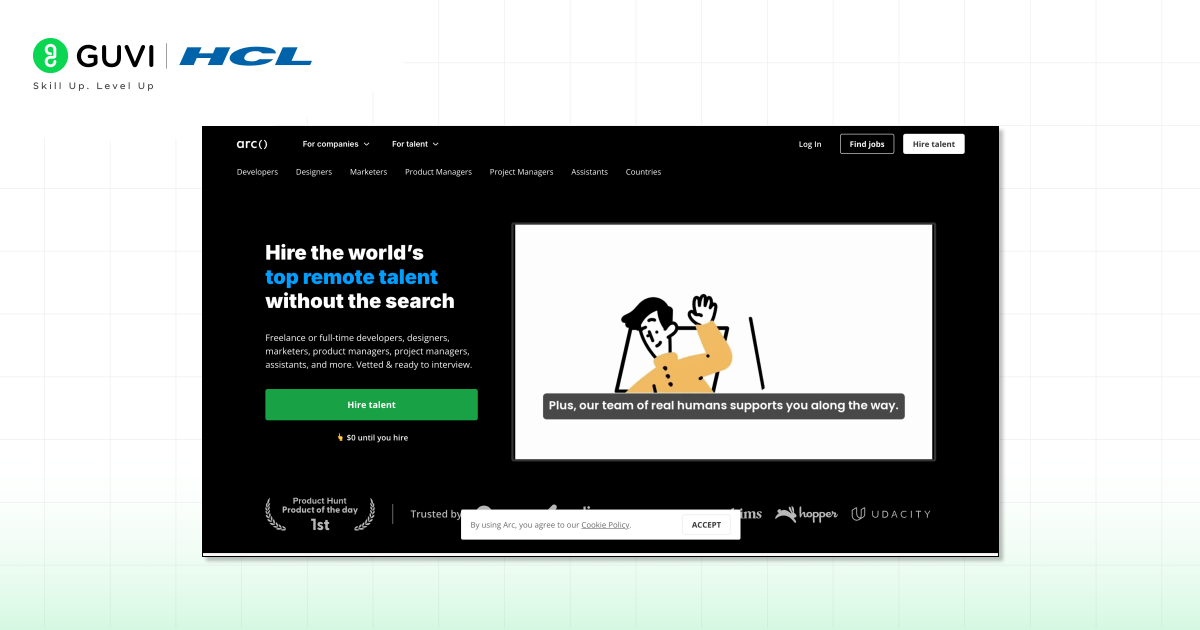
Arc.dev is just for tech people. They hook up top-notch freelancers with companies that need expertise. Developers undergo technical checks, coding tests, and portfolio reviews to ensure their work is of high quality.
It works well if you want high-paying remote jobs or contracts with good companies. They care about quality above all; this helps developers find clients who value skills and professionalism, making it a good choice for a tech career.
Pros:
- High-quality clients, companies looking for serious, long-term, or remote developers.
- Vetting process reduces risk and increases trust with clients.
Cons:
- Only for developers and tech, no non-technical freelance work.
- Tough entry, need to pass technical interviews and coding tests.
Perfect for:
- Software Engineers
- Mobile App Developers
- Frontend/Backend Developers
- DevOps Engineers
- Technical Consultants
Site Link: Arc.dev
7. Twine
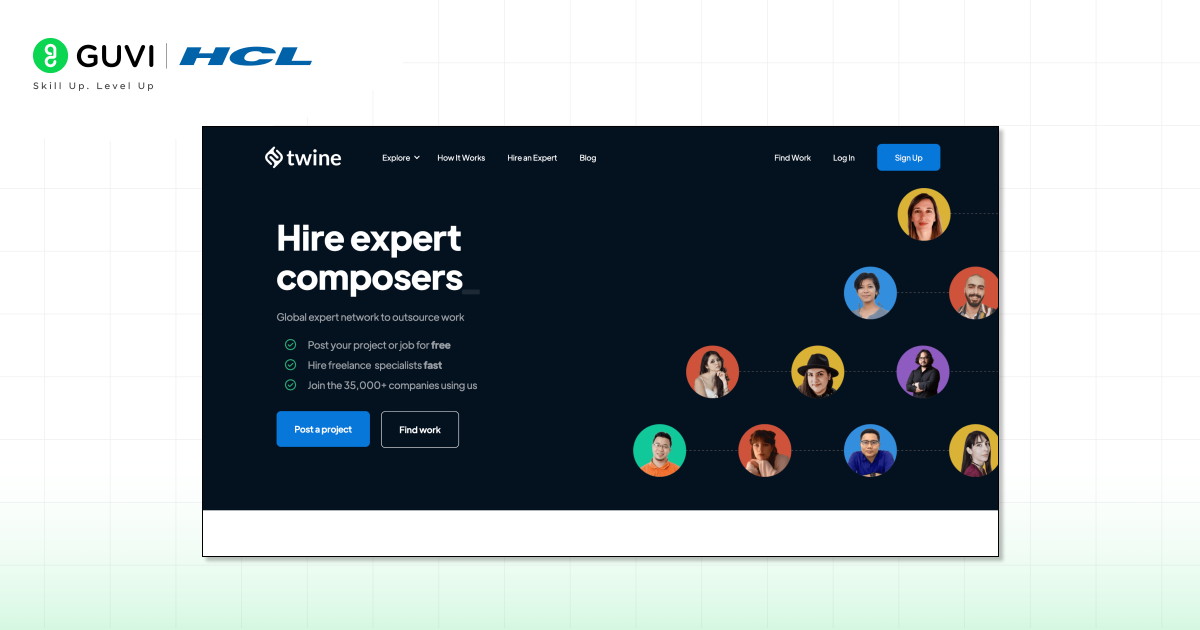
Twine is all about creative work – designers, musicians, writers, and so on. It’s both a place to sell your services and showcase your work. Clients share what they need, and you can send proposals or get spotted through your portfolio. They want to help creatives grow, connect with cool projects, build their name in the creative world, and get more clients.
Pros:
- Portfolio-first, you can upload rich work to showcase your talent.
- Collaborative, supports teaming up with other creatives and getting credited.
Cons:
- Smaller client base than big platforms, fewer jobs.
- Project flow can be inconsistent, and there is not always a high volume of work.
Perfect for:
- Graphic Designers
- Animators
- Video Editors
- Musicians
- Illustrators
Site Link: Twine.net
There are many skill platforms in the market offering multiple courses, but none cover the broad spectrum the way HCL GUVI does. HCL GUVI, one of the leading EdTech companies, is now offering a comprehensive, insightful course on how to grab freelance opportunities. This course is explicitly designed to equip you with all the essential tools and strategies that you need to land your first internship or freelance gig with confidence. Join our Freelancing Course today and transform your career!
Conclusion
In 2025, if you are looking for freelance jobs, there will be options for every skill level. If you want variety, you can check out Upwork and Freelancer.com. For gigs by the hour, Fiverr and PeoplePerHour are the best choices. FreeUp and Arc.dev are great for experienced ones. And if you are a creative guy wanting to showcase your work, Twine.net can be the ideal option. Knowing what each platform does best can help freelancers pick the one that best fits them, make more money, and do well.
FAQs
Which freelance platform is best for beginners?
Both Fiverr and Upwork are great places to begin. With Fiverr, you can get going fast. Upwork is also good because it has lots of jobs, so you can learn and make a portfolio.
How do I avoid scams on freelance platforms?
Stick with sites that keep your payments safe, like Upwork, Freelancer.com, or FreeUp. Note that: do not do free work, and always read what other freelancers say about a client before you start working with them.
Can I work on multiple freelance platforms at the same time?
Yes! Many freelancers are on multiple platforms, which gives them a better chance of finding work. Just make sure you manage your time carefully and keep your clients in the loop at all times.
Success Stories













Did you enjoy this article?