


Software Development Articles
My Google SDE Interview Experience: From Rejection to Selection [2026 Success Story]
Apple Interview Experience for Software Developers: What to Expect
Decoding Differences between Network OS and Distributed OS
Operating System Examples: Top OS Types, Features, and Uses Explained


Get In Touch For Details! Request More Information
Advantages and Disadvantages of Operating Systems: Let’s Explore
Dec 24, 2025 4 Min Read 2513 Views
(Last Updated)
Every computing device we use in our daily lives, whether a mobile phone, tablet, or personal computer (PC), requires an operating system (OS) to run optimally. An operating system (OS) is a program that connects the hardware components to the system and application software. Without an operating system (OS), all the devices we use would be merely isolated, non-functional entities. That is why an OS becomes crucial.
While an operating system (OS) offers many benefits, it also has limitations. In this blog, we will discuss the advantages and disadvantages of operating systems (OS). So, without any further delay, let’s get started.
Table of contents
- What is an Operating System (OS)?
- Advantages of Operating Systems
- a.) Easy to Use
- b.) Resource Management
- c.) Multitasking
- d.) Performance Improvement
- e.) Security
- f.) Error Handling
- g.) Device Communication
- Disadvantages of Operating Systems
- a.) High Cost
- b.) Frequent Updates
- c.) Virus Threats
- d.) Compatibility Issues
- e.) Complexity
- f.) System Crashes
- g.) High Resource Usage
- Overview of Advantages and Disadvantages of Operating Systems (OS)
- Conclusion
- FAQs
- What does an operating system do?
- Which operating system is best for beginners?
- Why is it important to update an operating system regularly?
What is an Operating System (OS)?
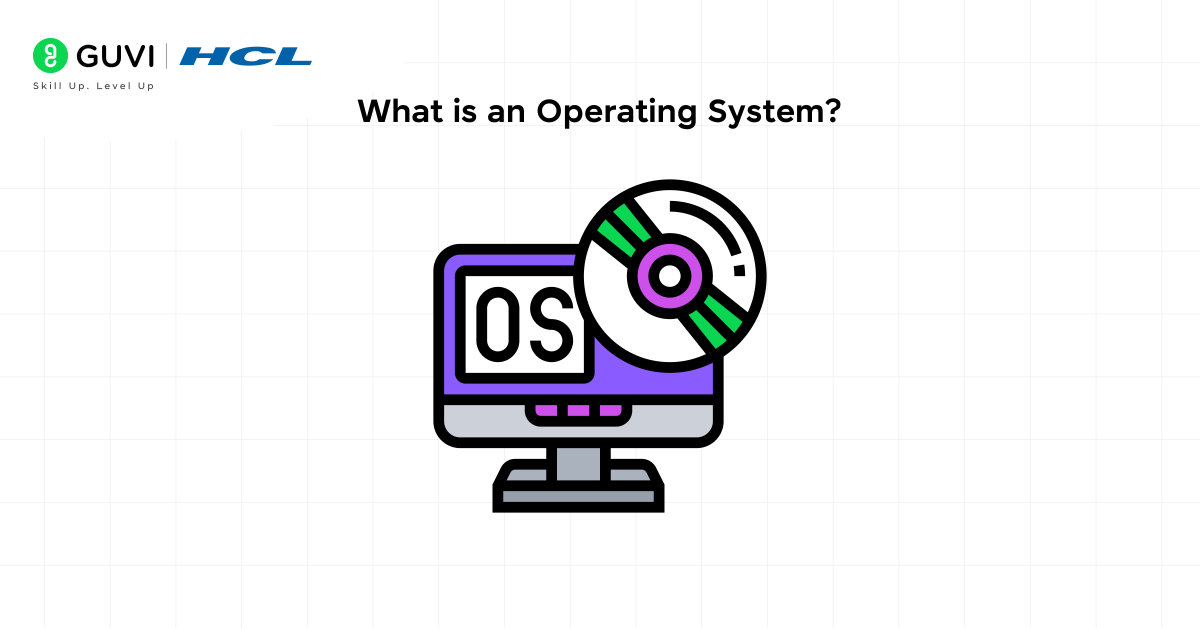
An operating system (OS) is the main software program in a computer that directs the device’s internal workflow —i.e., how it works, which service layer becomes active when user events are triggered, and more. It is like a manager that runs in the background to control various tasks, such as program execution, file creation and saving, and linking external devices for I/O (input/output) operations.
When a user interacts with a computer, they give instructions that the hardware must understand. The operating system helps manage this process by working with translators, such as compilers and drivers, which convert those instructions into machine code that the computer can execute.
Types of Operating Systems (OS)
There are different types of operating systems, and each one works in its own special way to handle tasks and manage devices. These are the following types of OS:
- Batch Operating System: Collects similar kinds of jobs and executes them in sequential order automatically.
- Time-Sharing Operating System: Allows multiple users to be active on the same computer concurrently.
- Distributed Operating System: This OS is designed to connect multiple computing units and enable them to work together as a unified system.
- Network Operating System: Manages and controls computers via a network, enabling users to share resources without any hindrance.
- Real-Time Operating System (RTOS): This advanced, complex system handles tasks in real time, providing results instantly.
- Mobile Operating System: These OS (Android, iOS) are created specifically for mobile devices like smartphones and tablets to ensure an interactive and smooth user experience.
- Embedded Operating System: These types of operating systems (OS) are designed to enhance integration with devices such as water coolers, washing machines, air conditioners (AC), and cars. These embedded systems have complete control over the device’s functionalities.
Advantages of Operating Systems
Operating systems offer many benefits that make computers easier, faster, and safer to use. Here are some of the main advantages:
a.) Easy to Use
The operating system (OS) eliminates the need to write complex command lines to perform various tasks (such as opening files, creating folders, browsing the internet, or playing movies) by providing an interactive, user-friendly graphical interface with icons, menus, and buttons. With just a few clicks, even non-technical individuals can efficiently operate a computer.
b.) Resource Management
When using a computer or a mobile device, we often work with multiple applications and files simultaneously. And for allowing us to do that, OS smartly allocates resources to each running application and constantly monitors them so that no single program consumes more than its requirements and slows down the entire system. This balance helps your device run efficiently while maintaining speed and stability.

c.) Multitasking
Multitasking is one of the best benefits that is offered by an operating system (OS). It allows you to open and run multiple applications simultaneously without any technical overlap. For instance, you can open an online tool, play music, and download a document all at once. The OS meticulously segregates memory and allocates an adequate amount to each application and program, preventing delays or freezing.
d.) Performance Improvement
To ensure the overall quality of a computing unit, the operating system (OS) continuously monitors performance and improves how tasks are executed and handled. Here, the primary purpose of the OS is to monitor memory usage and to observe how the CPU processes raw data and produces results. By doing this, the OS not only manages background processes but also significantly minimizes unnecessary loads.
e.) Security
An operating system (OS) also provides a defence mechanism by securing sensitive business data and personal information stored on your computer systems or mobile devices. It handles user accounts, passwords, and all necessary permissions, and controls the accessibility workflow. Nowadays, most of the operating systems come with firewalls and security updates to safeguard your system against hackers, viruses, and malware.
f.) Error Handling
The operating system (OS) never loses its focus on detecting the potential and existing errors and technical issues (both hardware and software) in your computer system. It easily identifies the problem and its cause, and either fixes it automatically or informs users and helps them resolve issues through troubleshooting.
g.) Device Communication
There are multiple external devices, such as speakers, Bluetooth devices, mice, printers, keyboards, and storage devices, that we connect with our PCs and mobile devices to perform actions. The operating system (OS), with the help of device drivers, connects the hardware and software by translating the user events and commands into specific instructions for each device. This makes working with multiple devices easy and convenient.
Disadvantages of Operating Systems
Despite their usefulness, operating systems also have some drawbacks that can affect performance, cost, and security. Here are some of the main disadvantages:
a.) High Cost
Operating systems (OSs) such as macOS and Windows are quite expensive. Only the initial purchase isn’t enough; after a specific period (usually months or a year), users may need additional licenses and software upgrades, and for that, they have to pay, which can be a financial burden.
b.) Frequent Updates
Operating systems (OS) often require frequent updates and upgrades to optimize the overall performance, speed, and security of your computer system. However, installing them can sometimes be time-consuming, as the process consumes significant memory, which can be an issue for computers with limited specifications and features.
c.) Virus Threats
Operating systems (OSs) like Windows, which are widely used by the general public, are common targets for unauthorized access and cyberattacks. While the computer system includes its own internal security and antivirus protection, it is still vulnerable to malware, spyware, and ransomware. These software threats can compromise your system by stealing your personal information, corrupting data, or destabilizing your computing environment.
d.) Compatibility Issues
Not all software and hardware work well with every operating system. For example, some programs are designed only for Windows and won’t run properly on macOS or Linux. Similarly, specific hardware devices may not have drivers for all systems. These compatibility issues can limit a user’s ability to use preferred tools or require additional setup, making the experience inconvenient.
e.) Complexity
Modern operating systems come with a wide range of features, settings, and tools that can be overwhelming for new users. Understanding how to configure these settings or fix technical problems may require experience or professional help. Advanced systems used in industries or servers can be even more complex, demanding deep technical knowledge to operate safely and efficiently.
f.) System Crashes
Even though operating systems are designed to be stable, they can still crash due to software bugs, hardware problems, or overload. A system crash can cause unsaved work to be lost or files to become corrupted. In severe cases, it might require reinstallation of the OS, which takes time and effort. Crashes not only affect productivity but also frustrate users.
g.) High Resource Usage
Newer versions of operating systems often require powerful processors, more RAM, and larger storage. This makes older computers slow or even unable to run the latest OS smoothly. Heavy background processes and visual effects also consume system resources, affecting overall performance. As a result, users may need to upgrade their hardware more frequently, which increases costs.
Overview of Advantages and Disadvantages of Operating Systems (OS)
| S No. | Advantages | Disadvantages |
| 1 | Easy to use and user-friendly | It can be expensive to buy and maintain |
| 2 | Efficient resource management | Needs frequent updates and maintenance |
| 3 | Supports multitasking | Prone to virus and malware attacks |
| 4 | Improves system performance | May face compatibility issues |
| 5 | Provides strong security features | Can be complex for beginners |
| 6 | Handles errors and issues smoothly | May crash or freeze unexpectedly |
| 7 | Enables communication with devices | Consumes more system resources on old devices |
Learning under the guidance of an experienced mentor can significantly boost your chances of landing a well-paying job in top tech companies. If you’re someone who values expert career guidance, this is the perfect opportunity for you. Join HCL GUVI’s IITM Pravartak Certified MERN Full Stack Development Course with AI Integration and gain in-depth knowledge of every stage of project development with real-world insights from professionals. Get in touch with us today and take the first step toward a rewarding tech career!
Conclusion
In conclusion, operating systems play a vital role in making computers and mobile devices functional, efficient, and user-friendly. They manage all essential tasks, including handling hardware, running applications, and ensuring smooth communication between devices. While operating systems offer many advantages, such as multitasking, security, and ease of use, they also have drawbacks, including high cost, system crashes, and frequent updates.
Understanding both sides helps users choose the right operating system based on their needs, ensuring better performance and reliability in everyday use.
FAQs
What does an operating system do?
An operating system controls how your computer works by managing hardware, running programs, and making it easy for you to use the device.
Which operating system is best for beginners?
Windows and Android are best for beginners due to their simple interface, broad app support, and easy navigation.
Why is it important to update an operating system regularly?
Updates fix security bugs, improve performance, and keep your device safe and running efficiently.
Success Stories














Did you enjoy this article?