


DevOps Articles
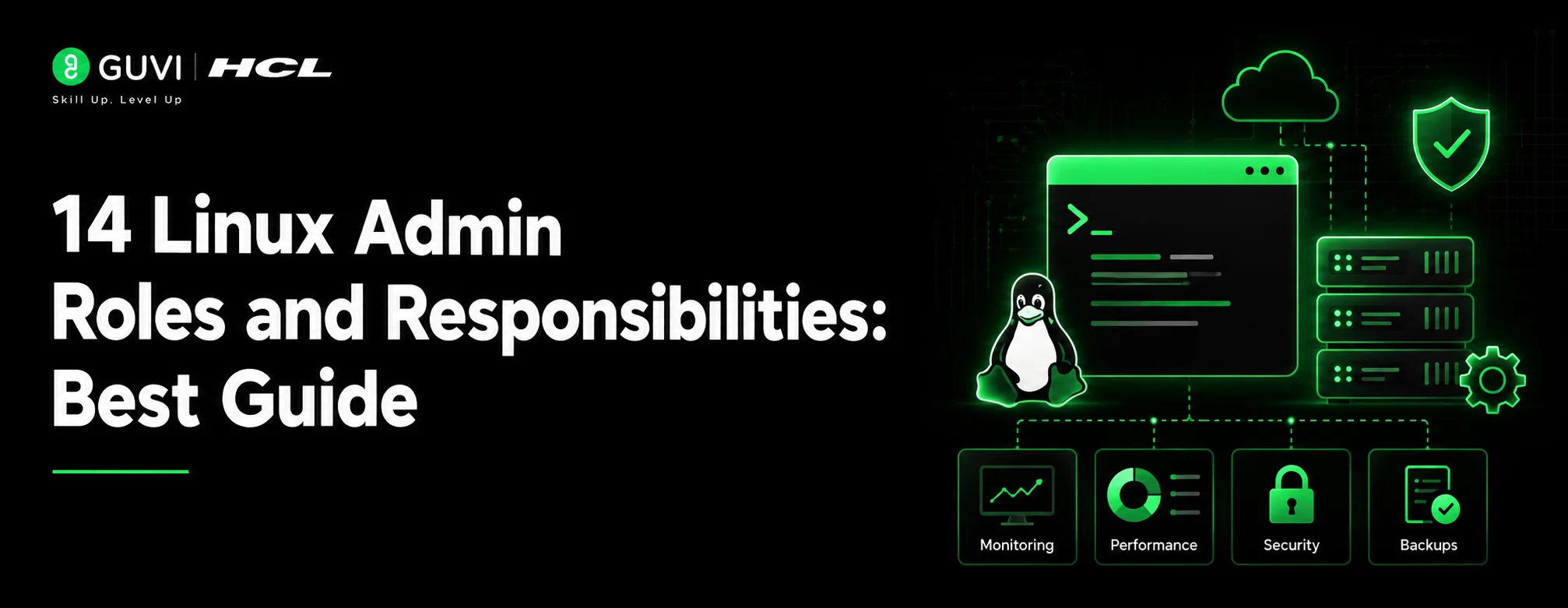
14 Linux Admin Roles and Responsibilities: Best Guide
SBOM Generation with Syft: A Beginner's Tutorial
OPA (Open Policy Agent) Tutorial: Policy as Code Made Simple
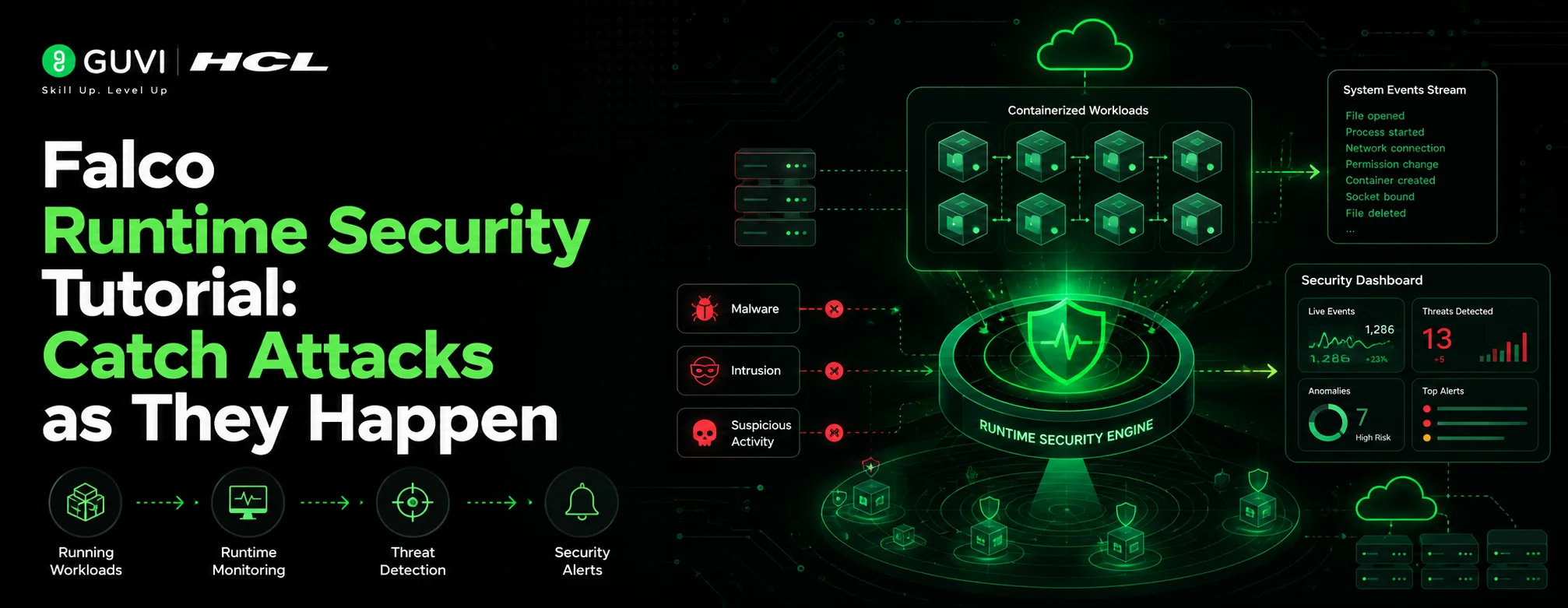
Falco Runtime Security Tutorial: Catch Attacks as They Happen

Get In Touch For Details! Request More Information

My DevOps Interview Experience at MAANG: From Rejection to Success [2026]
Jul 24, 2026 5 Min Read 1485 Views
(Last Updated)
Facing a DevOps interview experience can be both exciting and intimidating, especially when job security in this field is remarkably strong. DevOps interviews typically vary across companies. Some organizations conduct coding assessments, while others focus more on systems design.
During these technical rounds, you’ll likely encounter questions spanning multiple domains—from Linux and networking to cloud technologies, databases, Docker, Infrastructure as Code, and Kubernetes. Furthermore, the interview process often includes multiple stages, beginning with an HR screening where you might need to rate your skills on a scale of 10, followed by technical rounds focusing specifically on CI/CD, Kubernetes, AWS, and Linux.
Indeed, even managerial rounds can include technical questions about Docker, Java, infrastructure, and Terraform. And hence, we will cover all of this in this article, which highlights the complete DevOps Interview experience with exclusive tips and tricks. Let’s begin!
Quick Answer:
To crack a MAANG DevOps interview, focus on mastering core fundamentals (Linux, cloud, CI/CD, Kubernetes), practice real-world troubleshooting scenarios, and quantify your business impact instead of just listing tools.
Table of contents
- Part 1) My Background and First Setbacks
- 1) Getting Laid Off And Starting Over
- 2) Freelancing To Build Real-World Skills
- Part 2) How I Prepared for the DevOps Interview
- 1) Learning Tools Like Terraform, GitLab CI, And Kubernetes
- 2) Practicing With Mock Interviews And Real Scenarios
- 3) Improving My Resume And LinkedIn Profile
- Part 3) Breakdown Of My MAANG DevOps Interview Rounds
- 1) Technical Round: YAML, Cloud, And Scripting
- 2) System Design Round: Solving Real-World Problems
- 3) Behavioral Round: Communication And Ownership
- 4) Final Round: Culture Fit And Team Alignment
- Part 4) Key Takeaways From My DevOps Interview Experience
- 1) Why Mindset And Adaptability Matter
- 2) How To Stand Out Without Knowing Every Tool
- 3) The Importance Of Showing Real Impact
- Concluding Thoughts…
- FAQs
- Q1. What are the key components of a successful DevOps interview preparation?
- Q2. How important is practical experience in DevOps interviews?
- Q3. What types of questions can I expect in a MAANG DevOps interview?
- Q4. How can I stand out in a DevOps interview without knowing every tool?
- Q5. What's the importance of quantifying achievements in DevOps interviews?
Part 1) My Background and First Setbacks
The tech industry can be unpredictable—something I discovered firsthand when I received that dreaded meeting invite with no agenda. My DevOps journey took an unexpected turn after my company announced “restructuring” and I found myself among those affected by downsizing.
1) Getting Laid Off And Starting Over
Losing my job felt like having the ground pulled from beneath me. The first few days were a blur of emotions—disappointment, anger, and fear about what would come next. Despite the tech industry’s notorious layoffs, nothing quite prepares you for the experience personally.
After allowing myself a brief period to process these feelings, I took a systematic approach to recovery:
- Administrative triage – I carefully reviewed my severance package, secured references while relationships were still warm, and documented all my accomplishments before they faded from memory.
- Self-assessment – Rather than rushing into applications, I took time to analyze my skillset and research the current job market. This period of reflection helped me identify which DevOps skills needed strengthening.
- Strategic upskilling – I adopted what I later called the 70-20-10 approach:
- 70% mastering my core DevOps strengths
- 20% adding complementary skills that enhanced my existing abilities
- 10% exploring completely new areas out of curiosity
The job loss, initially devastating, became a pivotal moment that forced me to take stock of my career direction.
2) Freelancing To Build Real-World Skills
Seeking stability while improving my prospects, I ventured into freelancing—a decision that would ultimately prepare me better for future DevOps interviews than any practice test.
At first, finding clients was challenging. I quickly realized that having technical skills wasn’t enough—I needed to demonstrate business value and actual achievements. My breakthrough came when I started:
- Taking on smaller projects – I began with modest tasks like fixing CI/CD pipelines and Dockerization jobs. The pay wasn’t impressive, but each project built my credibility.
- Creating tailored proposals – Instead of generic applications, I wrote custom proposals highlighting how my experience matched each client’s specific problems.
- Showcasing real work – I shared GitHub repos and before-after improvements from previous projects, giving clients tangible proof of my capabilities.
Freelancing forced me to master multiple aspects of DevOps simultaneously. One day I’d configure AWS environments for a startup, the next I’d troubleshoot Kubernetes clusters for larger enterprises. This variety provided invaluable experience across different environments and technologies—exactly what interviewers at MAANG companies look for.
Although juggling multiple clients was sometimes overwhelming, the skills I gained through these real-world challenges prepared me far better for technical interviews than any theoretical preparation could have.
Part 2) How I Prepared for the DevOps Interview
After months of freelancing, I decided to aim for a permanent position with better stability. Consequently, I mapped out a systematic preparation strategy for my DevOps interview.
1) Learning Tools Like Terraform, GitLab CI, And Kubernetes
I researched the most in-demand DevOps tools and discovered that companies were seeking candidates proficient in infrastructure as code, CI/CD pipelines, and container orchestration. Accordingly, I focused on:
- Terraform for infrastructure automation and creating reusable modules
- GitLab CI for building automated pipelines with distinct stages
- Kubernetes for container orchestration and deployment management
Beyond basic tutorials, I built practical projects that demonstrated these skills in action. For instance, I created Terraform modules that could manage multi-environment AWS infrastructure and set up GitLab pipelines that automated the entire deployment process.

2) Practicing With Mock Interviews And Real Scenarios
Soon I realized that theoretical knowledge wasn’t enough—I needed to prepare for scenario-based questions that test problem-solving abilities. Eventually, I adopted these approaches:
- Dedicated practice: I participated in mock interviews focusing on DevOps tooling for hands-on practice
- Real-world scenarios: I practiced solving problems like “Your Docker container keeps restarting—how would you troubleshoot?”
- Failure stories: I prepared thoughtful examples of mistakes I’d made and what I learned from them
These exercises helped me articulate my thinking process clearly—a crucial skill for technical interviews.
3) Improving My Resume And LinkedIn Profile
Subsequently, I transformed my resume from a tool shopping list to a showcase of business impact. Following expert advice, I:
- Focused on quantifiable achievements rather than responsibilities
- Highlighted specific projects where I reduced deployment time or improved reliability
- Added a skills section balancing technical capabilities and soft skills
For LinkedIn, I crafted a summary highlighting my DevOps expertise with tools like Jenkins, Terraform, and Kubernetes while quantifying my contributions. Furthermore, I displayed my ongoing learning through certifications and projects.
This comprehensive preparation approach ultimately gave me the confidence to face even the most challenging DevOps interviews.
To lighten things up, here are a couple of interesting facts about DevOps and technical interviews that many candidates don’t realize:
DevOps Was Born From a Failure: The term “DevOps” gained popularity after the 2009 Velocity Conference, where engineers discussed breaking the wall between development and operations following repeated deployment failures at large tech companies.
Most MAANG Interviews Test Thinking, Not Memory: Contrary to popular belief, interviewers at companies like Amazon and Google focus more on problem-solving, trade-offs, and real-world impact than memorizing commands or tool syntax.
These insights highlight that DevOps interviews are less about perfection and more about systems thinking, ownership, and adaptability.
Part 3) Breakdown Of My MAANG DevOps Interview Rounds
My first MAANG interview process was an eye-opener that spanned four distinct rounds, each testing different aspects of my DevOps expertise. After receiving the interview invitation, I meticulously researched each stage to understand what to expect.
1) Technical Round: YAML, Cloud, And Scripting
The technical assessment began with configuration management questions focusing heavily on YAML syntax and common errors. Additionally, the interviewer tested my Linux fundamentals with questions about file permissions and process management. Moreover, I faced scenario-based questions about:
- Troubleshooting Docker containers that kept restarting
- Optimizing AWS resources for cost efficiency
- Writing shell scripts to automate deployment tasks
The interviewers were primarily assessing my command-line confidence and ability to solve practical problems rather than theoretical knowledge.
2) System Design Round: Solving Real-World Problems
The system design round lasted approximately 45-60 minutes and started with a deceptively simple prompt: “Design a scalable CI/CD pipeline for microservices.” As a result, I had to demonstrate how I would:
- Structure the pipeline stages
- Handle dependencies between services
- Implement automated testing and deployment
The interviewer was particularly interested in how I addressed reliability concerns and managed trade-offs between deployment speed and stability. Notably, they evaluated my ability to communicate my thought process while sketching the architecture.
3) Behavioral Round: Communication And Ownership
The behavioral interview focused on my teamwork and problem-solving abilities. In fact, they asked questions like “Describe a time when you had to implement a major infrastructure change” and “Tell me about a situation where you collaborated with a difficult team member.”
I used the STAR (Situation, Task, Action, Result) method to structure my responses clearly. This approach helped showcase both my technical skills and interpersonal abilities.
4) Final Round: Culture Fit And Team Alignment
The final interview primarily evaluated how I would fit within their DevOps culture. Questions centered around team dynamics, handling feedback, and adapting to new technologies. Therefore, I highlighted my experience with cross-team collaboration and emphasized my approach to continuous learning.
Throughout all rounds, interviewers valued candidates who could explain trade-offs, think in systems, and demonstrate hands-on experience.
Part 4) Key Takeaways From My DevOps Interview Experience
Looking back at my DevOps interview journey, several critical insights emerged that ultimately made the difference between rejection and success.
1) Why Mindset And Adaptability Matter
The DevOps field moves quickly, requiring constant adaptation. I discovered that interviewers valued my growth mindset far more than perfect technical knowledge.
Unlike candidates with a fixed mindset who view challenges as threats, I demonstrated how I approached problems as learning opportunities. This mindset shift was crucial – instead of defensively justifying my knowledge gaps, I showed my process for tackling unfamiliar scenarios.
2) How To Stand Out Without Knowing Every Tool
Engineers who consistently succeed in DevOps interviews don’t memorize everything – they understand core patterns. I focused on explaining my reasoning behind technical decisions rather than reciting tool specifications.
When asked about containerization, I didn’t just list Docker commands but explained trade-offs between different approaches. This systems thinking approach impressed interviewers more than encyclopedic knowledge.
3) The Importance Of Showing Real Impact
Merely listing DevOps tools on my resume wasn’t enough. What truly set me apart was quantifying my achievements. By shifting from “I optimized a backend service” to “I reduced latency by 40% and saved ₹40 lakh in cloud costs”, I demonstrated business impact.
Hiring managers were primarily interested in my decision-making process and how my work directly affected business outcomes.
Boost your DevOps career like a pro by enrolling in HCL GUVI’s Advanced DevOps & Cloud Engineering Course — a 3–5 month live, mentor-led course where you master industry-essential tools and get hands-on with real projects, backed by certification and placement guidance to turn interview rejections into offers.
Concluding Thoughts…
My journey from rejection to success in DevOps interviews taught me valuable lessons beyond technical skills. First and foremost, resilience after setbacks proved essential – using job loss as an opportunity to upskill rather than a career endpoint made all the difference.
Freelancing unexpectedly became my greatest preparation tool, providing diverse experiences across technologies that impressed MAANG interviewers. This real-world problem-solving trumped theoretical knowledge every time.
The DevOps field offers excellent career prospects in India today, with strong job security despite market fluctuations. Though my path wasn’t straightforward, each setback ultimately prepared me for success. Your journey might differ, but with persistent upskilling, practical experience, and the right mindset, you too can transform rejection into your own MAANG success story. Good Luck!
FAQs
Q1. What are the key components of a successful DevOps interview preparation?
A successful DevOps interview preparation involves mastering core tools like Terraform, GitLab CI, and Kubernetes, practicing with mock interviews and real-world scenarios, and improving your resume to showcase quantifiable achievements and business impact.
Q2. How important is practical experience in DevOps interviews?
Practical experience is crucial in DevOps interviews. Real-world problem-solving skills and hands-on experience with various technologies are often valued more than theoretical knowledge alone. Freelancing or working on personal projects can provide valuable practical experience.
Q3. What types of questions can I expect in a MAANG DevOps interview?
MAANG DevOps interviews typically include technical questions on YAML, cloud technologies, and scripting; system design problems like creating scalable CI/CD pipelines; behavioral questions to assess teamwork and communication skills; and culture fit questions to evaluate alignment with the company’s values.
Q4. How can I stand out in a DevOps interview without knowing every tool?
To stand out, focus on understanding core patterns and explaining your reasoning behind technical decisions rather than memorizing tool specifications. Demonstrate a growth mindset, adaptability, and the ability to approach unfamiliar scenarios systematically.
Q5. What’s the importance of quantifying achievements in DevOps interviews?
Quantifying achievements is crucial in DevOps interviews as it demonstrates your business impact. Instead of simply listing tools or responsibilities, provide specific examples of how your work improved efficiency, reduced costs, or enhanced performance, using concrete metrics whenever possible.
Success Stories

About the Author
Jaishree Tomar
A recent CS Graduate with a quirk for writing and coding, a Data Science and Machine Learning enthusiast trying to pave my own way with tech. I have worked as a freelancer with a UK-based Digital Marketing firm writing various tech blogs, articles, and code snippets. Now, working as a Technical Writer at GUVI writing to my heart’s content!
View all posts by Jaishree Tomar
Connect with me @








Did you enjoy this article?