


Announcements Articles
HCL GUVI Launches the Bharat AI Initiative with OpenAI to Expand Advanced ChatGPT Skills Nationwide
HCL GUVI Resume Builder: Create Resumes That Get Noticed!
SkillBuild Workshop: Explore AI, Full Stack, and Data Science in One Day!


Get In Touch For Details! Request More Information
Inside the HCL GUVI Super 30 Program: Learning, Mentorship, and Real-World Skills
Jan 29, 2026 4 Min Read 1073 Views
(Last Updated)
The HCL GUVI Super 30 Program is built around a simple observation. Across colleges, there are students who do well academically, understand concepts clearly, and show real promise. But when it comes to applying that knowledge in practical, industry-like settings, many of them don’t get enough exposure. This isn’t because they lack ability, but because the right opportunities don’t always come their way.
To address this gap, Super 30 was initiated by HCL GUVI as a talent transformation program and offered as a free learning initiative. It brings together a carefully shortlisted group of learners and places them in an environment where learning goes beyond theory. With guided training, regular mentor interactions, and hands-on problem solving, students get a chance to test their skills, learn from mistakes, and work the way teams do in real professional settings. The idea is not to rush outcomes, but to help learners grow steadily into roles that demand both technical confidence and practical thinking.
Quick Answer:
The Super 30 Program currently includes learning tracks in Software Development Engineering and Artificial Intelligence and Machine Learning, with scope to expand into additional technology domains in the future.
Table of contents
- Why the Super 30 Program Was Initiated
- Building Focused Talent Pathways
- Applying Learning Through a Hackathon
- Awards, Recognition, and Winners
- Hackathon Winners
- Learning Outcomes
- Mentor Guidance and Support
- Closing Thoughts
- Frequently Asked Questions
- Who is the Super 30 Program meant for?
- What is the selection process of the Super 30 Program?
- How is the Super 30 Program different from regular training or certification programs?
- What kind of roles or career paths does the Super 30 learning experience support?
Why the Super 30 Program Was Initiated
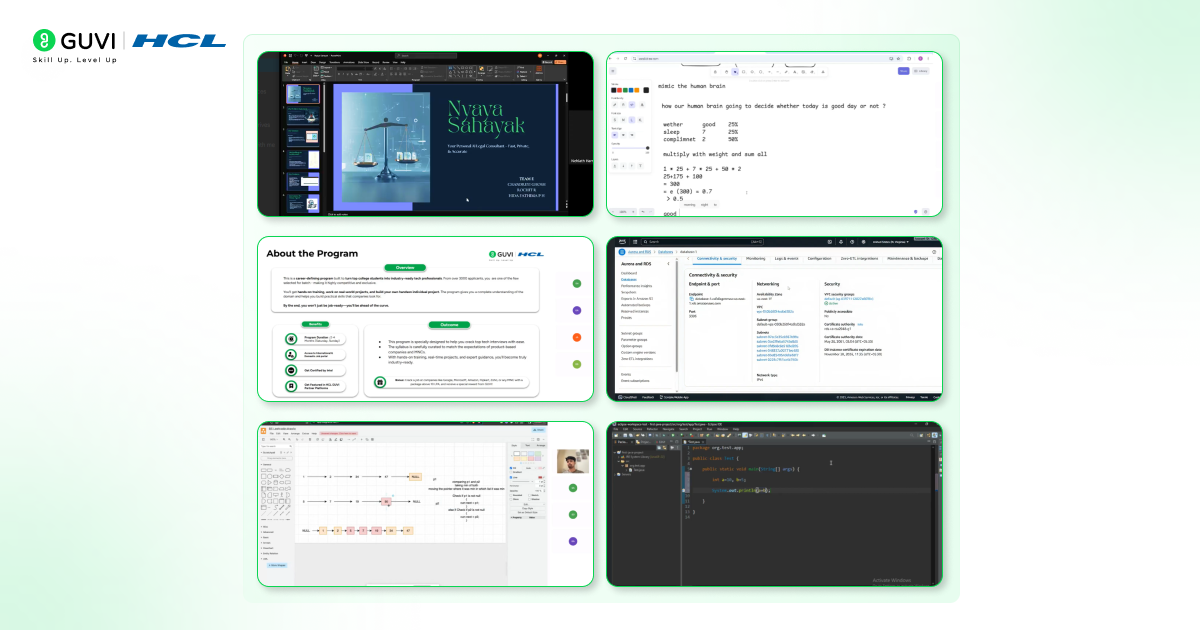
While many students perform well in academic settings, the transition from classroom learning to industry expectations is rarely straightforward. The Super 30 Program was initiated to address this gap in a focused, practical way by giving high-potential learners exposure to how real teams think, build, and solve problems.
The program was shaped around a few clear needs:
- Limited industry exposure: Strong academic performance does not always translate into hands-on experience with real problem statements.
- Lack of structured mentorship: Many learners do not get consistent guidance from industry practitioners who can help refine their thinking.
- Unclear learning pathways: Students often struggle to identify what skills truly matter for professional roles.
- Few opportunities for practical collaboration: Working in teams on complex problems is still limited in many academic environments.
The Super 30 Program brings these elements together in one focused learning journey, helping learners move forward with more clarity, confidence, and direction.
Building Focused Talent Pathways
The Super 30 Program 2025 witnessed strong interest from over 500 students across 111 engineering colleges in South India, including regions such as Andhra Pradesh, Chennai, Coimbatore, and Madurai. To ensure a focused and high-quality cohort, a multi-stage selection process was followed to identify learners with strong academic foundations and learning potential.
As an initial step, the top five performing students from each participating college were shortlisted. This was followed by a programming round and a 1:1 mentor screening through technical interviews, which helped assess conceptual clarity, problem-solving ability, and readiness for intensive learning.
Based on this process, 72 learners were shortlisted and onboarded into two focused tracks aligned with industry needs:
- MongoDB Certified Software Development Engineering (SDE):
39 learners were selected for this track, with a focus on strengthening programming fundamentals, logical thinking, and building application-oriented solutions. - Intel Certified Artificial Intelligence and Machine Learning (AI/ML):
33 learners were selected for this track, focusing on data-driven problem solving, machine learning concepts, and applying models to practical scenarios.
Since July 2025, learners across both tracks have been part of a focused and immersive learning journey supported by structured sessions, hands-on practice, and continuous mentor guidance.

Applying Learning Through a Hackathon
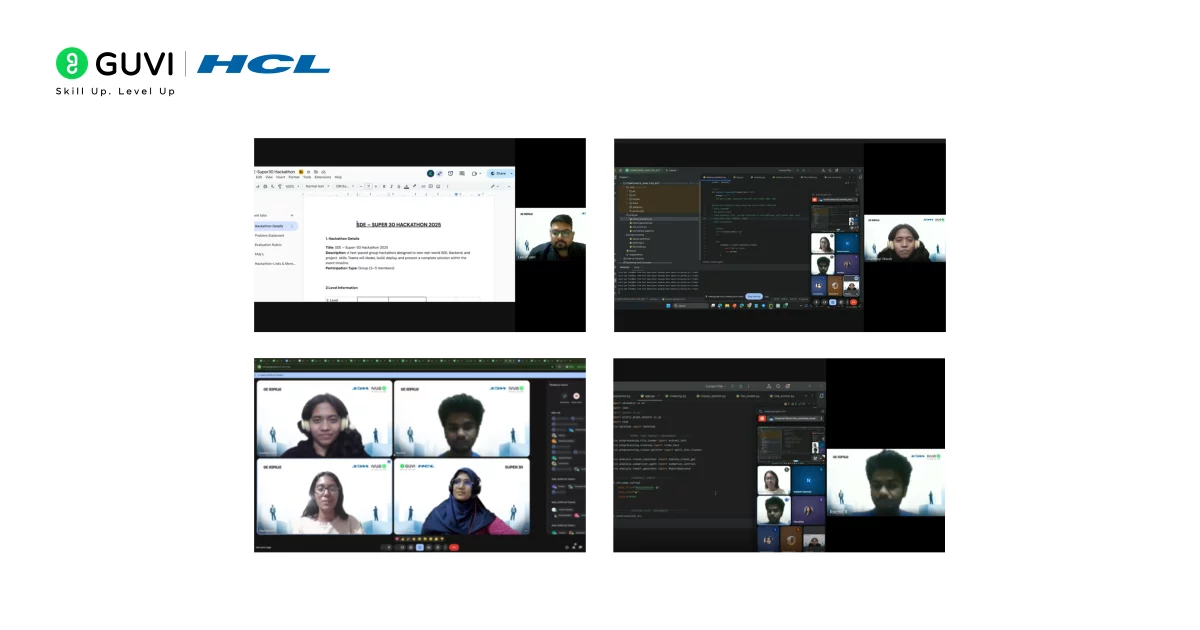
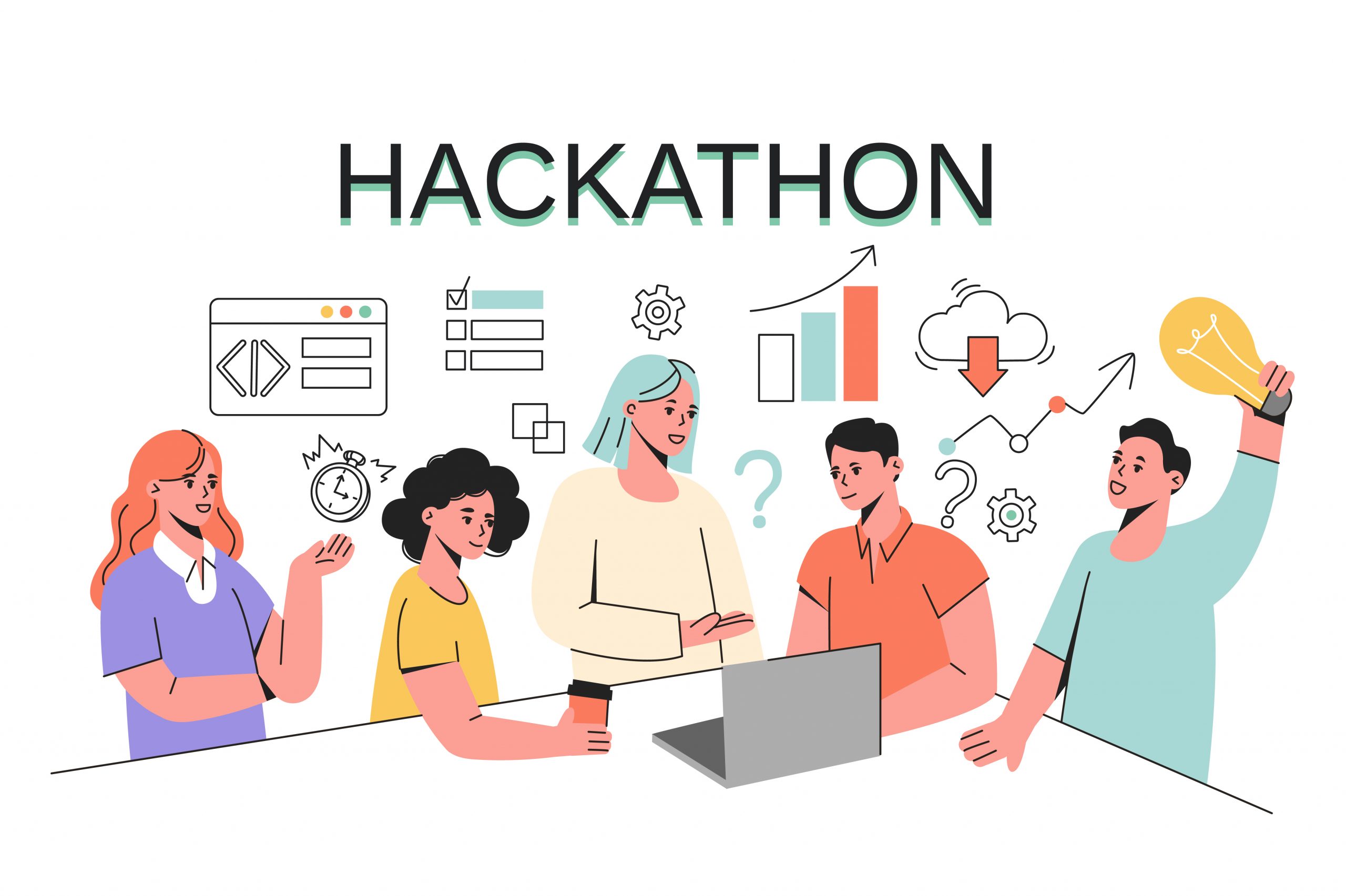
As part of this journey, learners took part in a one-day online hackathon that served as a practical checkpoint to apply what they had learned. Conducted within a single day from 9 AM to 8 PM, the hackathon reflected how teams work under real-world constraints.
Within the same day, learners progressed through ideation, project building, presentation, and result announcement, working collaboratively on domain-specific problem statements in a time-bound setting.
Hackathon participation included:
- Software Development Engineering (SDE): 19 learners working across 5 teams
- Artificial Intelligence and Machine Learning (AI/ML): 24 learners working across 8 teams
The hackathon experience encouraged participants to think through concepts, make practical implementation choices, and collaborate effectively while delivering outcomes within defined timelines.
Awards, Recognition, and Winners
The hackathon concluded with recognition for teams and individuals who demonstrated strong problem-solving ability, clarity in execution, and effective collaboration throughout the event. These awards were intended to acknowledge both performance during the hackathon and the potential shown by learners across tracks.
As part of the recognition:
- A Winner Award was presented to the top-performing team
- A cash prize of ₹6,000 was awarded to the winning team
- Participation certificates were issued to all eligible participants
- An internship opportunity was offered to the best-performing individual from the winning team
Hackathon Winners
Software Development Engineering (SDE)
Winning Team: Thavam Techie
Participants:
- A M Santina Appalo — Sathyabama Institute of Science and Technology
- Kavishri R — Misrimal Navajee Munoth Jain Engineering College
- Vamika M — Sri Ramakrishna Engineering College
- Abhindhira K P — Sri Eshwar College of Engineering
Artificial Intelligence and Machine Learning (AI/ML)
Winning Team: Mind Matrix
Participants:
- Praveen Kumar V — Sri Krishna College of Technology
- Sanjana Kumari S — Sri Krishna College of Technology
- Nithin R — Sri Krishna College of Technology
Learning Outcomes
The Super 30 Program and the hackathon experience helped learners move beyond academic exercises and work through problems in a more practical, structured way. By applying their knowledge in real scenarios, students gained clarity on how concepts translate into working solutions.
Through this journey, learners:
- Gained hands-on exposure to real-world problem-solving
- Built confidence in creating end-to-end technical solutions
- Improved their ability to present and explain technical ideas clearly
- Strengthened teamwork and collaboration skills
- Helped identify high-performing learners for internship opportunities
Mentor Guidance and Support
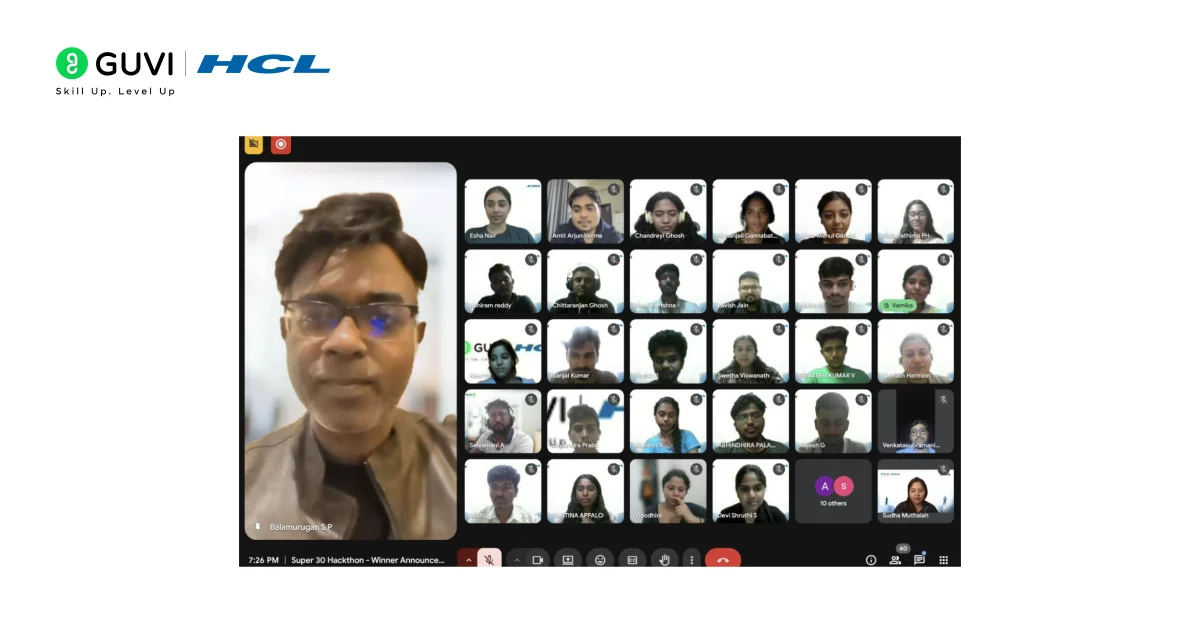
Mentorship played a key role throughout the Super 30 Program and the hackathon. An experienced mentor team worked closely with learners at every stage, helping them navigate problem statements, refine their approaches, and improve the quality of their solutions.
Mentors were actively involved in:
- Curating and reviewing problem statements
- Providing technical guidance during development
- Reviewing submissions and offering constructive feedback
- Ensuring a smooth and effective flow of the hackathon
The mentor team played an active role throughout the program, with responsibilities clearly aligned to each track.
For the Software Development Engineering (SDE) track, learners were guided by Mr Venkatasubramanian R, Mr Lavish Jain, and Mr Chittaranjan Ghosh, who supported learners through technical guidance, reviews, and problem-solving discussions.
For the Artificial Intelligence and Machine Learning (AI/ML) track, focused mentorship was provided by Ms Nehlath Harmain, Mr Selvamani A, and Ms Vinodhini Rajamanickam, with emphasis on data-driven problem solving and model implementation.
Closing Thoughts
The journey of the Super 30 Program reflects what focused learning, timely mentorship, and real application can achieve when brought together thoughtfully. By working through real problem statements, collaborating in teams, and learning under experienced mentors, learners were able to move closer to the expectations of professional environments in a practical and meaningful way.
For learners who want to continue strengthening their skills beyond this experience, structured learning programs that balance depth with application are important. The MongoDB and IIT Madras Pravartak certified GenAI Software Development Course offers learners an opportunity to build strong software development foundations while working with modern tools and real-world use cases. The program focuses on practical implementation, system thinking, and industry-relevant workflows that are essential for software roles today.
Similarly, for those interested in data-driven roles, the Intel and IIT Madras Pravartak Certified Artificial Intelligence and Machine Learning Course provides a structured pathway to understand core AI and ML concepts and apply them through hands-on projects. With a strong emphasis on problem solving and practical learning, the program supports learners as they build confidence in working with real datasets and machine learning models.
As HCL GUVI continues to support learners through focused initiatives and industry-aligned programs, the Super 30 Program remains one of the many ways learners are encouraged to grow with clarity, confidence, and real-world exposure.
If you’d like to see how the Super 30 Program unfolded, this short video offers a quick glimpse into the learning experience and the hackathon.
Frequently Asked Questions
1. Who is the Super 30 Program meant for?
The Super 30 Program is meant for students who demonstrate strong academic fundamentals and learning potential, but are looking for deeper exposure to practical, industry-style problem solving. It is particularly suited for learners who want structured guidance, real-world application, and mentor support beyond regular classroom learning.
2. What is the selection process of the Super 30 Program?
The Super 30 Program follows a selective shortlisting process. Learners are identified based on academic performance, conceptual clarity, and overall potential. It is not an open-enrolment program and is curated to maintain a focused learning environment for a smaller cohort.
3. How is the Super 30 Program different from regular training or certification programs?
The Super 30 Program is a cohort-based initiative that focuses on application, collaboration, and mentorship rather than structured coursework alone. Unlike regular training programs, it emphasises real problem statements, guided learning, and milestone-based evaluation. Certification programs, on the other hand, are structured learning pathways that learners can choose independently to build specific skills.
4. What kind of roles or career paths does the Super 30 learning experience support?
The learning experience supports roles that require strong fundamentals, practical problem-solving, and collaborative skills. Depending on the track, this includes entry-level software development roles, AI and machine learning roles, and other technical positions where applied thinking and real-world exposure are valued.
Success Stories













Did you enjoy this article?