


Electric Vehicle Articles
Electric Vehicle Technology and Components: A Beginner-Friendly Guide
How to Become an EV Engineer in 2026?
Top Highest-Paying EV Careers in 2026: Skills, Salaries & Jobs Hiring Right Now
Electric Vehicle Interview Questions and Answers Most Candidates Fail to Prepare For


Get In Touch For Details! Request More Information

Future of Electric Vehicle Course: Fast-Track Your EV Career
Feb 18, 2026 5 Min Read 27 Views
(Last Updated)
The car industry is changing fast. Electric vehicles (EVs) are taking over, and companies need people who know how to build, fix, and improve them. By 2030, experts say that 4 out of 10 new cars sold will be electric. This creates millions of new jobs.
But here’s the problem: not enough people have the right skills for these jobs. That’s where a Future of Electric Vehicle Course comes in. These special programs teach you everything about electric cars and prepare you for amazing career opportunities.
Quick Answer:
A Future of Electric Vehicle Course helps learners build job-ready skills in EV batteries, electric motors, charging infrastructure, EV software and sustainable mobility.
Table of contents
- Why the Future of Electric Vehicles Matters
- Who Should Enroll in a Future of Electric Vehicle Course
- Key Skills You'll Gain
- Technical Skills:
- Soft Skills:
- Popular Future of Electric Vehicle Courses
- Best EV Programs in India
- Career Opportunities After Completing a Future of Electric Vehicle Course
- Emerging Trends in EV Education
- How to Choose the Right Future of Electric Vehicle Course
- Conclusion
- Frequently Asked Questions
- What exactly is a Future of Electric Vehicle Course?
- Who should take a Future of Electric Vehicle Course?
- Do I need an engineering degree to join a Future of Electric Vehicle Course?
- How long does a typical Future of Electric Vehicle Course take?
- What skills will I gain from a Future of Electric Vehicle Course?
- Which institutions offer recognised EV courses in India and abroad?
- Can I study a Future of Electric Vehicle Course online?
- What jobs can I get after completing a Future of Electric Vehicle Course?
- Do EV courses really connect learners with industry?
- Is a Future of Electric Vehicle Course worth it for long-term career growth?
Why the Future of Electric Vehicles Matters
Let’s look at some numbers. The global EV market was worth about $500 billion in 2024.
By 2030, it will grow to over $1.5 trillion. That’s huge growth!
Countries around the world are pushing for more electric cars. The European Union wants to stop selling gas-powered cars by 2035.
India wants 30% of all vehicles to be electric by 2030. These aren’t just goals – governments are spending billions of dollars to make it happen.
Why does this matter? Cars and trucks create about 25% of the world’s CO2 emissions. This harms our environment. Electric cars help solve this problem. They’re cleaner and better for the planet.
Why does this matter? Cars and trucks create about 25% of the world’s CO2 emissions. This harms our environment. Electric cars help solve this problem. They’re cleaner and better for the planet.
But the industry has a big challenge. It needs over 3 million trained workers by 2030. Right now, schools and colleges aren’t producing enough graduates with EV skills. This gap means great opportunities for people who get the right training.
The global EV market was worth about $500 billion in 2024 and is expected to cross $1.5 trillion by 2030.
The European Union plans to stop selling petrol and diesel cars by 2035.
India aims to make 30% of all vehicles electric by 2030.
Cars and trucks are responsible for around 25% of global CO₂ emissions, which is one of the main reasons countries are promoting electric vehicles.
The EV industry will need more than 3 million trained professionals by 2030, but there are not enough skilled graduates today.
A Future of Electric Vehicle Course teaches you how electric vehicles work. You’ll learn to design them, build them, and keep them running. These courses are different from regular car engineering programs because they focus only on electric technology.
Most courses cover five main topics:
- Battery Technology and Energy Storage: Batteries are the heart of an EV. You’ll learn how they work, how to make them last longer, and how to keep them safe. This includes studying different battery types and charging methods.
- EV Design and Manufacturing: This covers how electric motors work, how to design the car body, and how to build EVs in factories. You’ll see how making electric cars is different from making regular cars.
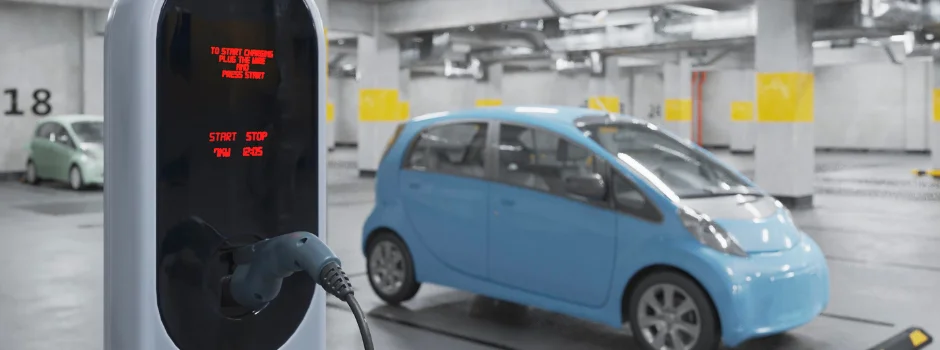
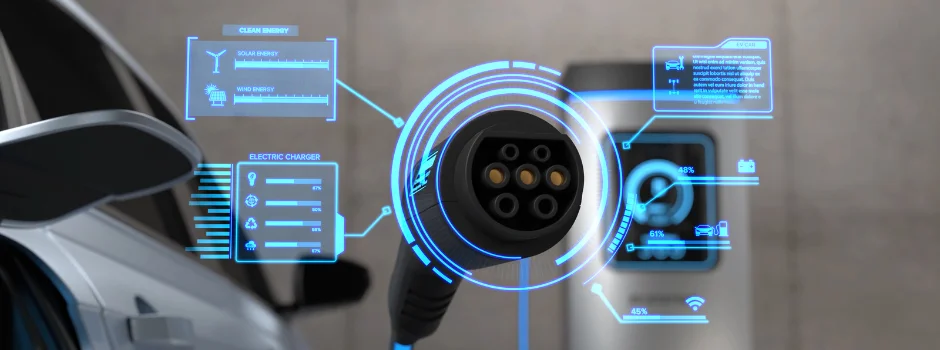
- Charging Infrastructure: You’ll learn about charging stations – how they work, where to put them, and how to connect them to the power grid. This also includes fast-charging technology.
- Sustainability and Green Mobility: This teaches you about the environmental impact of EVs. You’ll learn about recycling batteries and using clean energy sources like solar and wind power.
- Smart and Autonomous EV Systems: Modern EVs are like computers on wheels. You’ll study how cars connect to the internet, how self-driving technology works, and how EVs can even send power back to the grid.

Who Should Enroll in a Future of Electric Vehicle Course
These courses work for many different people:
- Engineering Students and Recent Graduates: If you’re studying mechanical, electrical, or automobile engineering, an EV course makes you stand out. Employers love candidates with special EV training.
- Professionals Looking to Switch Careers: Already working but want to join the EV industry? Many software developers, traditional car engineers, and even people from other industries have successfully made the switch after taking these courses.
- Entrepreneurs and Innovators: Want to start your own business? The EV industry has tons of opportunities – from battery swapping services to charging stations, repair shops to recycling companies. Understanding the technology helps you build a better business.
- EV Enthusiasts and Hobbyists: Love electric cars but not looking to change careers? These courses still give you deep knowledge and help you understand the technology better than any YouTube video can.
Looking to build a career in the electric vehicle industry?
The Advanced Electric Vehicle Technology Course by IIT Delhi and HCL GUVI helps you develop practical skills in batteries, BMS, powertrains, and EV charging systems.
Key Skills You’ll Gain
A good Future of Electric Vehicle Course teaches you many useful skills:
Technical Skills:
- Electric Motor Design: Learn how electric motors work and how to make them more powerful and efficient. You’ll understand why EVs accelerate so quickly.
- Battery Management Systems: Discover how to monitor battery health and make batteries last longer. Since batteries are the most expensive part of an EV, this skill is very valuable.
- EV Software and Self-Driving Systems: Study the computer programs that control everything in an EV. You’ll also learn basics of how self-driving cars “see” and make decisions.
- Power Electronics: Understand the electronic systems that control electrical power in the car. This includes converting power and managing energy flow.
- Temperature Control: Learn how to keep batteries and motors at the right temperature. Too hot or too cold, and they don’t work well.
Soft Skills:
- Project Management: EV projects involve many different teams. You’ll learn to coordinate people, manage budgets, and meet deadlines.
- Problem-Solving: The EV industry is still new, so you’ll face challenges that no one has solved before. These courses help you think creatively.
- Environmental Awareness: You’ll learn to make decisions that balance performance, cost, and environmental impact.
Popular Future of Electric Vehicle Courses
You have many options for learning:
Best EV Programs in India
| Institution | Duration | Focus Areas | Approx. Fees (₹) |
| IIT Delhi (Certificate) | 6 months | EV basics, batteries, charging | ₹1,25,000 + GST |
| IISc Bangalore | 1 year | Power systems, research | ₹ 1,00,000 |
| ARAI Pune | 1-3 weeks | Hands-on EV topics | ₹ 65,000 |
Career Opportunities After Completing a Future of Electric Vehicle Course
The job market for EV professionals is excellent:
- EV Design Engineer: Designs electric vehicles and their core systems, including electric motors, powertrains, vehicle architecture, and lightweight structures. This role focuses on improving vehicle efficiency, performance, safety, and overall EV design.
- Battery Technology Specialist: Develops, tests, and improves battery cells, battery packs, and energy-storage systems. This role is responsible for battery performance, safety, charging behaviour, lifespan, and thermal management.
- EV Charging Infrastructure Planner: Plans and designs public and private charging networks. This role evaluates site locations, grid capacity, charger types, installation layouts, and long-term infrastructure expansion for cities, companies, and fleet operators.
- Sustainability Consultant (EV & Mobility Sector): Supports organisations in reducing environmental impact through clean mobility solutions. This role focuses on EV adoption strategies, lifecycle emissions analysis, battery recycling planning, and compliance with sustainability standards.
- Autonomous Vehicle Engineer: Develops software and control systems used in intelligent and self-driving electric vehicles. This role works on sensors, perception systems, vehicle control algorithms, connectivity features, and real-time data processing for smart EV platforms.
Emerging Trends in EV Education
- Future of Electric Vehicle Course programs keep getting better:
- Clean Energy Integration: Courses now teach how EVs work with solar panels and wind turbines. You’ll learn about the whole clean energy system, not just cars.
- AI and Internet of Things: New programs include artificial intelligence for predicting when cars need maintenance. You’ll also learn about sensors and data systems that make cars smarter.
- Hands-on Learning: The best courses let you work with real EVs. You can take them apart and put them back together. Computer simulations also let you test designs without building expensive prototypes.
- Industry Partnerships: Top programs work with companies like Tesla, BYD, and Tata Motors. You get to hear from real industry experts and work on actual company problems. Some programs even guarantee internships.
How to Choose the Right Future of Electric Vehicle Course
Pick your course carefully by checking these points:
- Recognition and Approval: Make sure the program is recognized by industry groups or government education departments. Industry recognition matters a lot in this field.
- Updated Content: Check if the course covers the latest technology. Does it include hands-on projects? Is the material updated regularly? Make sure they teach tools that companies actually use.
- Teacher Experience: Look up your instructors. Have they worked in the EV industry? Do they have real project experience, not just classroom teaching?
- Job Placement Help: Good programs help you find jobs. What percentage of students get hired? Do they offer career advice? Can you network with graduates who work at EV companies?
- Value for Money: Expensive doesn’t always mean better. But very cheap courses might lack depth. Think about return on investment – will this course help you get a good job?
- Learning Style: Consider your schedule. Do you need flexible online classes? Do you prefer structured live sessions? Or do you want in-person training with direct teacher contact?
Conclusion
The electric vehicle revolution is happening now. It’s moving faster than most people expected. Those who learn EV skills today will have the best career opportunities tomorrow. These jobs pay well and help the environment – a win-win situation.
A Future of Electric Vehicle Course is more than just education. It’s an investment in your future. Whether you want to design breakthrough batteries, build charging networks, or develop self-driving systems, the right training gets you started.
The question isn’t if you should learn about EV technology – it’s when you should start. The industry is growing fast. People who start early will get the best jobs, build strong professional networks, and help create the future of transportation.
Frequently Asked Questions
1. What exactly is a Future of Electric Vehicle Course?
Future of Electric Vehicle Course is a specialised program focused only on electric mobility. It teaches batteries, motors, charging systems, EV software, sustainability, and smart vehicle technologies so learners are ready for real EV industry roles.
2. Who should take a Future of Electric Vehicle Course?
These courses are ideal for:, engineering students and fresh graduates,
professionals switching from mechanical, electrical, IT, or manufacturing roles, entrepreneurs planning EV-related businesses, and EV enthusiasts who want structured technical knowledge.
3. Do I need an engineering degree to join a Future of Electric Vehicle Course?
Not always. Advanced programs usually prefer an engineering background, but many beginner and technician-level Future of Electric Vehicle Course programs accept diploma holders and even non-engineering graduates with basic physics or electronics knowledge.
4. How long does a typical Future of Electric Vehicle Course take?
Most programs run between 4 weeks and 6 months.
Advanced postgraduate or research-focused programs can extend to one or two years, depending on depth and specialisation.
5. What skills will I gain from a Future of Electric Vehicle Course?
You will gain:, battery and battery-management systems knowledge,
EV power electronics and motor control, charging infrastructure design, EV software and diagnostics, and sustainability and clean-mobility planning skills.
These are directly aligned with current EV job requirements.
6. Which institutions offer recognised EV courses in India and abroad?
Well-known options include programs from Indian Institute of Technology Delhi, Indian Institute of Science Bangalore, and Automotive Research Association of India in India.
Internationally, learners often choose courses from Stanford University, Technical University of Munich, and Massachusetts Institute of Technology.
7. Can I study a Future of Electric Vehicle Course online?
Yes. Many high-quality programs are available through platforms such as Coursera, Udemy, and edX.
Online learning works well if the course includes projects, simulations, and real-world case studies.
8. What jobs can I get after completing a Future of Electric Vehicle Course?
Common roles include: EV design engineer, battery technology specialist, EV charging infrastructure planner, sustainability consultant, autonomous and connected-vehicle engineer. A Future of Electric Vehicle Course significantly improves your eligibility for both technical and planning roles in the EV ecosystem.
9. Do EV courses really connect learners with industry?
Many good programs collaborate with global EV manufacturers and technology leaders such as Tesla, BYD, and Tata Motors.
These partnerships often lead to industry projects, guest lectures, and internship opportunities.
10. Is a Future of Electric Vehicle Course worth it for long-term career growth?
Yes. EV roles are growing much faster than traditional automotive jobs. A Future of Electric Vehicle Course helps you future-proof your career by giving you skills in batteries, clean energy integration, smart mobility, and digital vehicle systems that will remain in demand for the next decade.
Success Stories

About the Author
Salini Balasubramaniam
A curious, information-savvy writer loves to turn deep insights into authentic and engaging content that connects. With experience in writing for brands and driving audience engagement, I believe that words can make a powerful difference.
View all posts by Salini Balasubramaniam
Connect with me @











Did you enjoy this article?