


Electric Vehicle Articles
Different Types of Electric Vehicles: A Complete Guide
What Is BaaS in EV? A Complete Guide
Electric vs Hybrid Vehicles: Key Differences Explained Simply

Get In Touch For Details! Request More Information

The Right Guide to Begin Your High-Paying Career in the Electric Vehicle Industry: Key Skills and Qualifications
Mar 02, 2026 6 Min Read 768 Views
(Last Updated)
The world is shifting gears. Electric vehicles are no longer a futuristic dream, they’re here, and they’re growing fast. From city streets to highways, EVs are becoming the new normal. This shift is creating thousands of new jobs every year.
A career in the electric vehicle industry is now one of the smartest choices you can make. India aims to have 30% electric vehicles on the road by 2030. Companies like Tata Motors, Ola Electric, and Ather Energy are hiring rapidly. Global giants like Tesla and BYD are expanding. The message is clear: EV careers aren’t just stable, they’re booming.
This guide will walk you through everything you need to know about building a successful career in the electric vehicle industry.
Quick Answer
A career in electric vehicle industry needs strong skills in battery technology, electric motors, power electronics, embedded systems and EV software. You can start with a degree or diploma in Mechanical, Electrical, ECE, Mechatronics or Automotive engineering.
To become job-ready faster, add a hands-on EV certification course and real project experience.
Table of contents
- What is the Electric Vehicle Industry?
- Why Choose a Career in the Electric Vehicle Industry?
- Top Job Roles in the Electric Vehicle Industry
- EV Design Engineer
- Battery Management System (BMS) Engineer
- Power Electronics Engineer
- EV Service & Maintenance Technician
- Charging Infrastructure Engineer
- Embedded Systems Engineer
- EV Software & Data Engineer
- EV Product/Project Manager
- Core Skills Required for a Career in Electric Vehicle Industry
- Technical Skills
- Software & Digital Skills
- Soft Skills
- Educational Qualifications Needed for a Career in Electric Vehicle Industry
- Diploma & Polytechnic Path
- Certifications That Improve Your Career in Electric Vehicle Industry
- How to Start Your Career in Electric Vehicle Industry (Step-by-Step Roadmap)
- Career in Electric Vehicle Industry for Non-Engineering Graduates
- Salary Expectations and Career Growth in the Electric Vehicle Industry
- Challenges and Skill Gaps in the Electric Vehicle Industry
- Future Scope of Career in Electric Vehicle Industry
- Conclusion
- Frequently Asked Questions
- What skills are required for a career in the electric vehicle industry?
- What qualifications are needed to work in the electric vehicle industry?
- Is the electric vehicle industry a good career option in India?
- Can non-engineering graduates build a career in the EV industry?
- Which are the top job roles in the electric vehicle industry?
- What does a Battery Management System (BMS) engineer do in EV companies?
- What are the core technical skills required for EV engineers?
- Are EV certification courses important for getting a job in the EV industry?
- What is the best way to start a career in the electric vehicle industry?
- What software skills are needed for the electric vehicle industry?
- What is the average salary in the electric vehicle industry in India?
- Is an engineering degree mandatory to work in the EV industry?
- What challenges should I expect in an EV career?
- What is the future scope of a career in the electric vehicle industry?
- How long does it take to become job-ready for the electric vehicle industry?
What is the Electric Vehicle Industry?
The electric vehicle industry is much bigger than just cars. It’s an entire ecosystem of technology, manufacturing, and services.
Here’s what it includes:
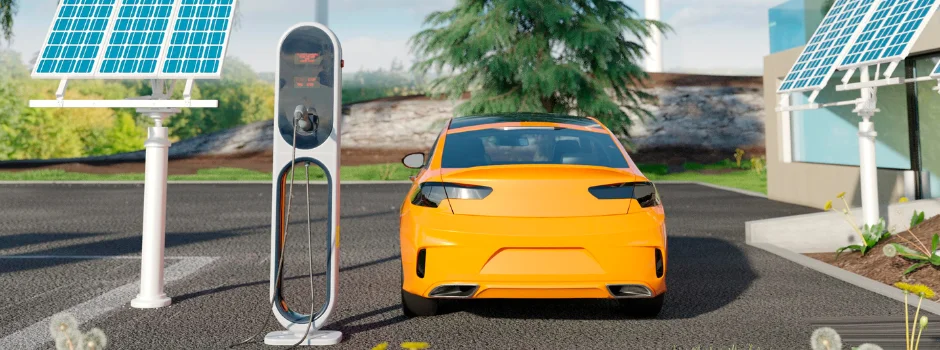
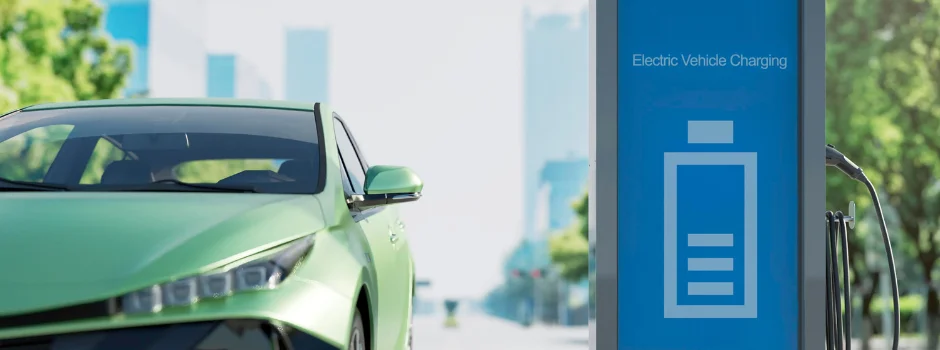
- Electric Vehicles: Cars, two-wheelers, buses, trucks, and even auto-rickshaws now run on electricity instead of petrol or diesel.
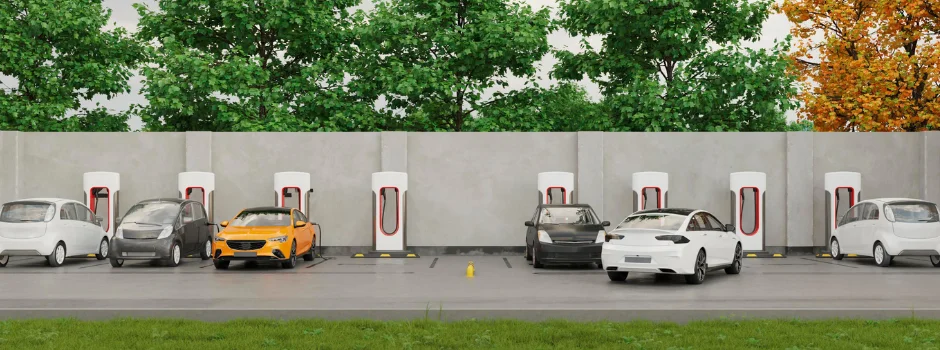
- Charging Infrastructure: Just like petrol pumps, EVs need charging stations. This segment is growing fast across cities and highways.
- Battery Technology: The heart of every EV is its battery. Companies are constantly working to make batteries cheaper, lighter, and more powerful.
- Power Electronics: These systems control how electricity flows in the vehicle. They manage speed, braking, and energy efficiency.
- Software and Connectivity: Modern EVs use smart software for navigation, diagnostics, and even self-driving features.
Each of these segments creates different types of jobs, which means more opportunities for you.
Why Choose a Career in the Electric Vehicle Industry?
There are many reasons why a career in the electric vehicle industry makes sense today:
- Strong Industry Demand: Every major car company is investing billions in electric vehicles. New EV startups are launching every year. This means steady job growth.
- Long-Term Career Stability: Governments worldwide are banning petrol and diesel vehicles. The EV industry will only grow bigger in the coming decades.
- Global Opportunities: EV skills are valuable everywhere. You can work in India, Europe, America, or China. Technology is universal.
- Sustainability Factor: If you care about the environment, this career lets you make a real difference. You’ll be part of the solution to pollution and climate change.
- Attractive Salaries: EV professionals earn competitive salaries. As you gain experience, your earning potential grows significantly.
- Future-Ready Skills: Working with EVs means learning cutting-edge technology. These skills will remain valuable for years to come.
Want to build a career in the electric vehicle industry? IIT Delhi and HCL GUVI offer an Advanced Electric Vehicle Technology Course that covers batteries, BMS, powertrains, and EV charging systems. It can help you develop the skills needed to work in this growing field.
Top Job Roles in the Electric Vehicle Industry
A career in the electric vehicle industry offers diverse roles. Here are the most popular ones:
EV Design Engineer
- Role: Creates the overall design of electric vehicles. Works on aerodynamics, structure, and safety features.
- Skills Required: Vehicle design software (CAD), understanding of aerodynamics and structural engineering, knowledge of safety standards, materials science, and vehicle dynamics.
Salary: ₹5.6L/yr-₹6.2L/yr
Battery Management System (BMS) Engineer
- Role: Develops systems that monitor and control battery performance. Ensures safety and efficiency.
- Skills Required: Knowledge of lithium-ion batteries, understanding of charging cycles and thermal management, embedded programming, circuit design, and battery testing protocols.
- Salary: ₹3.9L/yr-₹4.4L/yr

Power Electronics Engineer
- Role: Designs circuits that convert and control electrical power in EVs. Works on inverters, converters, and motor controllers.
- Skills Required: Skills in designing circuits for power conversion and control, knowledge of semiconductor devices, understanding of electric motors and drives, and expertise in power management systems.
- Salary: ₹7.8L/yr-₹8.7L/yr
EV Service & Maintenance Technician
- Role: Repairs and maintains electric vehicles. Works at service centers or charging stations.
- Skills Required: Understanding of EV components, diagnostic tools knowledge, electrical safety procedures, battery handling skills, and basic software troubleshooting.
- Salary: 5.0 LPA
Charging Infrastructure Engineer
- Role: Plans and installs EV charging stations. Works on grid integration and fast-charging technology.
- Skills Required: Knowledge of AC charging, DC fast charging, and wireless charging technologies, understanding of electrical grid systems, power distribution, and installation standards.
- Salary: ₹10.9L/yr-₹12L/yr
Embedded Systems Engineer
- Role: Programs the electronic control units (ECUs) in EVs. Makes different vehicle systems work together.
- Skills Required: Programming microcontrollers, working with real-time operating systems, familiarity with automotive communication protocols (CAN, LIN), and embedded C/C++ programming.
- Salary: ₹6L/yr-₹6.6L/yr
EV Software & Data Engineer
- Role: Develops software for vehicle diagnostics, battery management, and connected car features.
- Skills Required: Programming in Python or C++, data analytics tools, understanding of vehicle networking, cloud computing, and software development for automotive applications.
- Salary: ₹5.5L/yr-₹7.5L/yr
EV Product/Project Manager
- Role: Manages EV development projects. Coordinates between teams and ensures timely delivery.
- Skills Required: Project management methodologies, understanding of EV technology, team coordination skills, budgeting abilities, and knowledge of product development cycles.
- Salary: ₹15.1L/yr-₹20.2L/yr
Core Skills Required for a Career in Electric Vehicle Industry
Technical Skills
To succeed in a career in the electric vehicle industry, you need these technical skills:
- Electric Motors and Drives: Understanding how electric motors work and how they’re controlled.
- Battery Technology and BMS: Knowledge of lithium-ion batteries, charging cycles, and thermal management.
- Power Electronics: Skills in designing circuits for power conversion and control.
- Embedded Systems: Programming microcontrollers and working with real-time operating systems.
- Vehicle Dynamics: Understanding how vehicles move, balance, and respond to controls.
- Charging Technologies: Knowledge of AC charging, DC fast charging, and wireless charging.
- Automotive Communication Protocols: Familiarity with CAN, LIN, and other vehicle networking systems.
Software & Digital Skills
- MATLAB/Simulink: Used for modeling and simulating EV systems.
- Embedded C/Python: Programming languages essential for EV software development.
- Control Systems: Understanding feedback loops and system control strategies.
- Data Analytics Tools: Analyzing vehicle performance data and diagnosing problems.
Soft Skills
- Problem-Solving: EVs are complex. You’ll face new challenges that need creative solutions.
- Systems Thinking: Understanding how different parts of an EV work together.
- Cross-Functional Collaboration: Working with mechanical, electrical, and software teams.
- Documentation and Reporting: Clearly communicating your work to team members and managers.
Educational Qualifications Needed for a Career in Electric Vehicle Industry
Several engineering degrees prepare you for a career in the electric vehicle industry:
- Mechanical Engineering: Strong foundation for vehicle design, thermal management, and manufacturing.
- Electrical & Electronics Engineering: Perfect for power electronics, motors, and charging systems.
- Electronics & Communication Engineering: Ideal for embedded systems and vehicle communication networks.
- Mechatronics/Automotive Engineering: Specialized programs combining mechanical, electrical, and software skills.
Diploma & Polytechnic Path
You don’t always need a full engineering degree. Diploma holders can also enter the EV industry:
- Electrical Diploma: Opens doors to technician roles in battery systems and charging infrastructure.
- Automobile Diploma: Prepares you for EV service and maintenance jobs.
- Mechanical Diploma: Useful for manufacturing and assembly line positions.
Certifications That Improve Your Career in Electric Vehicle Industry
Certifications give you an edge in the job market. They show employers you have practical EV knowledge.
- EV Certification Programs: Many institutes offer specialized courses covering EV fundamentals, battery technology, and power electronics.
- Industry-Recognized Training: Look for courses approved by automotive companies or industry bodies.
- Online vs Offline: Online courses offer flexibility. Offline programs provide hands-on lab experience. Choose based on your learning style.
- Internship-Based Certifications: Some programs include real projects with EV companies. These are highly valuable for your resume.
Popular certification providers include NTTF, ASDC, and various engineering colleges with EV labs.
Also Explore: How Do You Choose the Right Electric Vehicle Course & Certification in 2026?
How to Start Your Career in Electric Vehicle Industry (Step-by-Step Roadmap)
- Step 1: Choose Your Specialization: Decide if you’re interested in hardware (motors, batteries), software (programming, diagnostics), service (maintenance, repair), or infrastructure (charging stations).
- Step 2: Learn Core EV Fundamentals: Study electric motors, batteries, power electronics, and vehicle dynamics. Use online resources, YouTube videos, and textbooks.
- Step 3: Enroll in an EV Certification Course: Pick a reputable program that matches your career goals. Focus on hands-on learning.
- Step 4: Build Hands-On Projects: Create simple EV projects like a battery management system prototype or a motor controller. Document your work.
- Step 5: Do Internships or Industry Training: Apply for internships at EV companies or research labs. Real-world experience is invaluable.
- Step 6: Apply for Entry-Level EV Roles: Update your resume highlighting EV skills and projects. Apply to startups and established companies. Network on LinkedIn.
Career in Electric Vehicle Industry for Non-Engineering Graduates
You don’t need an engineering degree to work in EVs. Many roles suit non-technical backgrounds:
- Sales and Operations: Selling EVs, managing dealerships, and customer relations.
- EV Product Management: Planning features, understanding customer needs, and coordinating development.
- Supply Chain and Procurement: Managing parts inventory and supplier relationships.
- Customer Support and Training: Helping EV owners with questions and teaching them about their vehicles.
Career Tip: Take short courses on EV basics and the specific area you want to work in. Understanding the technology helps you do your job better.
Salary Expectations and Career Growth in the Electric Vehicle Industry
Entry-Level Roles: Freshers can expect ₹3-6 lakhs per year. This includes roles like junior engineers and technicians.
Mid-Level Engineers and Specialists: With 3-5 years of experience, salaries range from ₹8-15 lakhs annually.
Senior and Leadership Roles: Senior engineers and managers earn ₹15-30 lakhs or more. Some specialists in battery technology or autonomous driving earn even higher.
Growth Paths: You can move from technical roles to management, or specialize deeper in areas like battery research or charging technology. The EV ecosystem rewards both paths.
Challenges and Skill Gaps in the Electric Vehicle Industry
A career in the electric vehicle industry comes with challenges:
- Rapid Technology Changes: EV technology evolves quickly. What you learn today might change in two years. You must keep learning.
- Shortage of Skilled Professionals: Many companies struggle to find qualified EV engineers. This is good news for job seekers but means you need proper training.
- Importance of Continuous Learning: Take refresher courses, attend webinars, and stay updated with industry news. Join EV communities online.
Future Scope of Career in Electric Vehicle Industry
The future looks bright for EV professionals:
- Battery Innovation: Solid-state batteries and faster charging are coming. These will create new specialized jobs.
- Smart Mobility and Connected Vehicles: EVs will communicate with traffic systems and other vehicles. Software engineers will be in high demand.
- Autonomous Driving: Self-driving EVs are being tested worldwide. This merges EV technology with artificial intelligence.
- Government Initiatives: Programs like FAME (Faster Adoption of Manufacturing of Electric Vehicles) in India are boosting the industry with subsidies and incentives.
- Private Sector Growth: More companies are entering the EV space. This means more competition, innovation, and jobs.
Conclusion
A career in the electric vehicle industry offers exciting opportunities in a fast-growing field. You’ll work with new technology, help protect the environment, and enjoy good job security with competitive salaries.
This career path is perfect for you if you love technology and care about the environment. It’s also great if you want to be part of an industry shaping the future of transportation.
Are you a student choosing your first career? Or are you a professional looking to switch fields? Either way, the EV industry welcomes you. Start by learning the basics. Get relevant certifications. Build practical projects. Look for internship opportunities.
The electric vehicle revolution is here. Your successful career in this exciting industry can start today.
You need technical skills in motors, batteries, and power electronics. You also need software skills and soft skills like problem-solving and teamwork. The good news is that educational requirements are flexible. You can start with an engineering degree, a diploma, or even certifications that add value to your profile.
Frequently Asked Questions
1. What skills are required for a career in the electric vehicle industry?
A career in the electric vehicle industry requires skills in battery technology, electric motors, power electronics, embedded systems, EV software, and problem-solving.
2. What qualifications are needed to work in the electric vehicle industry?
You can start with a degree or diploma in Mechanical, Electrical, ECE, Mechatronics, or Automotive engineering, along with EV certification courses.
3. Is the electric vehicle industry a good career option in India?
Yes, the electric vehicle industry is a fast-growing sector in India with strong demand due to government targets and rapid hiring by EV companies.
4. Can non-engineering graduates build a career in the EV industry?
Yes, non-engineering graduates can work in EV sales, operations, product management, supply chain, and customer support roles.
5. Which are the top job roles in the electric vehicle industry?
Popular EV job roles include EV Design Engineer, BMS Engineer, Power Electronics Engineer, Charging Infrastructure Engineer, Embedded Systems Engineer, EV Software Engineer, and EV Project Manager.
6. What does a Battery Management System (BMS) engineer do in EV companies?
A BMS engineer designs and monitors battery systems to ensure safety, performance, and efficient charging of electric vehicles.
7. What are the core technical skills required for EV engineers?
Core technical skills include electric motors and drives, battery technology and BMS, power electronics, embedded systems, vehicle dynamics, and charging technologies.
8. Are EV certification courses important for getting a job in the EV industry?
Yes, EV certification courses help you gain hands-on knowledge in batteries, BMS, power electronics, and charging systems and improve your job readiness.
9. What is the best way to start a career in the electric vehicle industry?
The best way is to choose a specialization, learn EV fundamentals, complete an EV certification course, build projects, and apply for entry-level EV roles.
10. What software skills are needed for the electric vehicle industry?
Common software skills include MATLAB/Simulink, Embedded C, Python, control systems, data analytics, and automotive communication protocols.
11. What is the average salary in the electric vehicle industry in India?
Freshers usually earn ₹3–6 LPA, mid-level professionals earn ₹8–15 LPA, and senior roles can earn ₹15–30 LPA or more.
12. Is an engineering degree mandatory to work in the EV industry?
No, an engineering degree is not mandatory for all roles, as many business, sales, operations, and support roles are open to non-engineers.
13. What challenges should I expect in an EV career?
The main challenges are rapid technology changes, high skill requirements, and the need for continuous learning.
14. What is the future scope of a career in the electric vehicle industry?
The future scope includes opportunities in battery innovation, smart mobility, connected vehicles, autonomous driving, and EV charging infrastructure.
15. How long does it take to become job-ready for the electric vehicle industry?
With focused learning and an EV certification course, most learners can become job-ready within 6 to 12 months.
Success Stories

About the Author
Salini Balasubramaniam
A curious, information-savvy writer loves to turn deep insights into authentic and engaging content that connects. With experience in writing for brands and driving audience engagement, I believe that words can make a powerful difference.
View all posts by Salini Balasubramaniam
Connect with me @











Did you enjoy this article?